The reviews present a mixed but distinct picture: many families and residents praise strong, compassionate bedside care, effective therapy services, and a warm, family-like atmosphere, while a recurring set of operational weaknesses affects the overall quality of the stay for others. Nursing assistants, several licensed nurses, therapists, social work staff, and some administrators receive consistent positive comments for empathy, availability, and individualized attention. Onsite physical and occupational therapy, chef-driven dining on many days, clean common areas, and flexible dining options are recurrent strengths cited by families who had positive experiences.
Care quality is mixed. Positive accounts highlight timely clinical attention, good therapy outcomes, and attentive wound and dialysis-related care when staffed appropriately. Conversely, substantial concerns center on inconsistent clinical oversight, medication-management gaps, and inconsistent monitoring for residents with complex needs (for example, diabetes management and wound care). Night and weekend coverage is frequently described as less reliable than daytime coverage, and reviewers identified delayed responses to call lights and resident requests as a pattern that contributes to safety and comfort issues.
Staff and culture: reviewers describe a range of staff performance. Many named staff members and specific departments are praised for responsiveness and going above and beyond (social services, certain nurses, CNAs, dining staff, and housekeeping). At the same time, reviewers describe high turnover, uneven training, communication breakdowns, and instances of poor conduct or tone from particular employees. These contrasts suggest that while parts of the team are strong and committed, staffing instability and inconsistent supervision lead to variable resident experiences.
Dining and activities are generally noted as strengths where they are functioning well. Several families praised nutritious, flavorful meals, accommodating dining staff, and meaningful activity programming that supports engagement. However, other accounts point to inconsistent meal timing and temperature control, which indicates variability in kitchen-to-resident service processes.
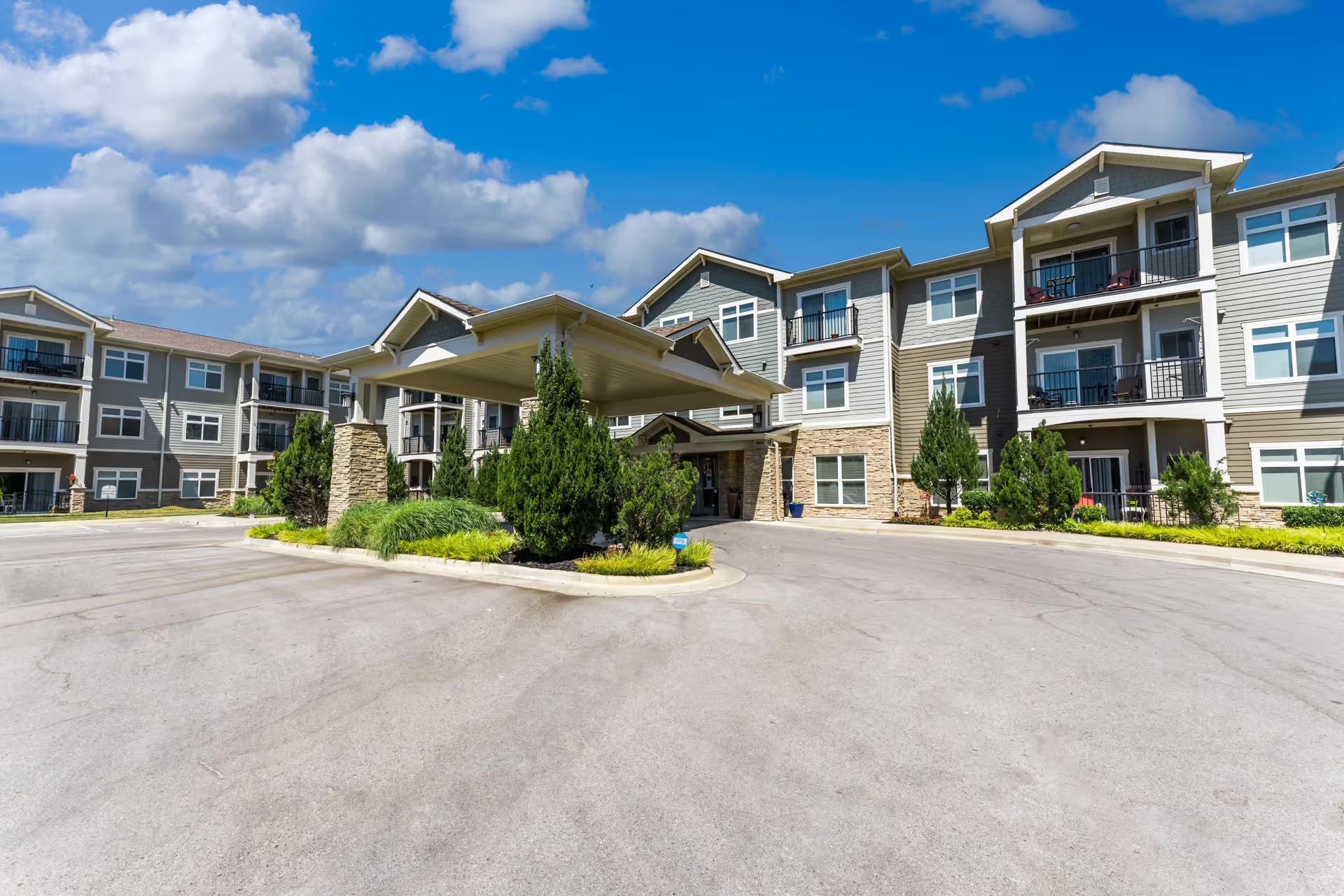
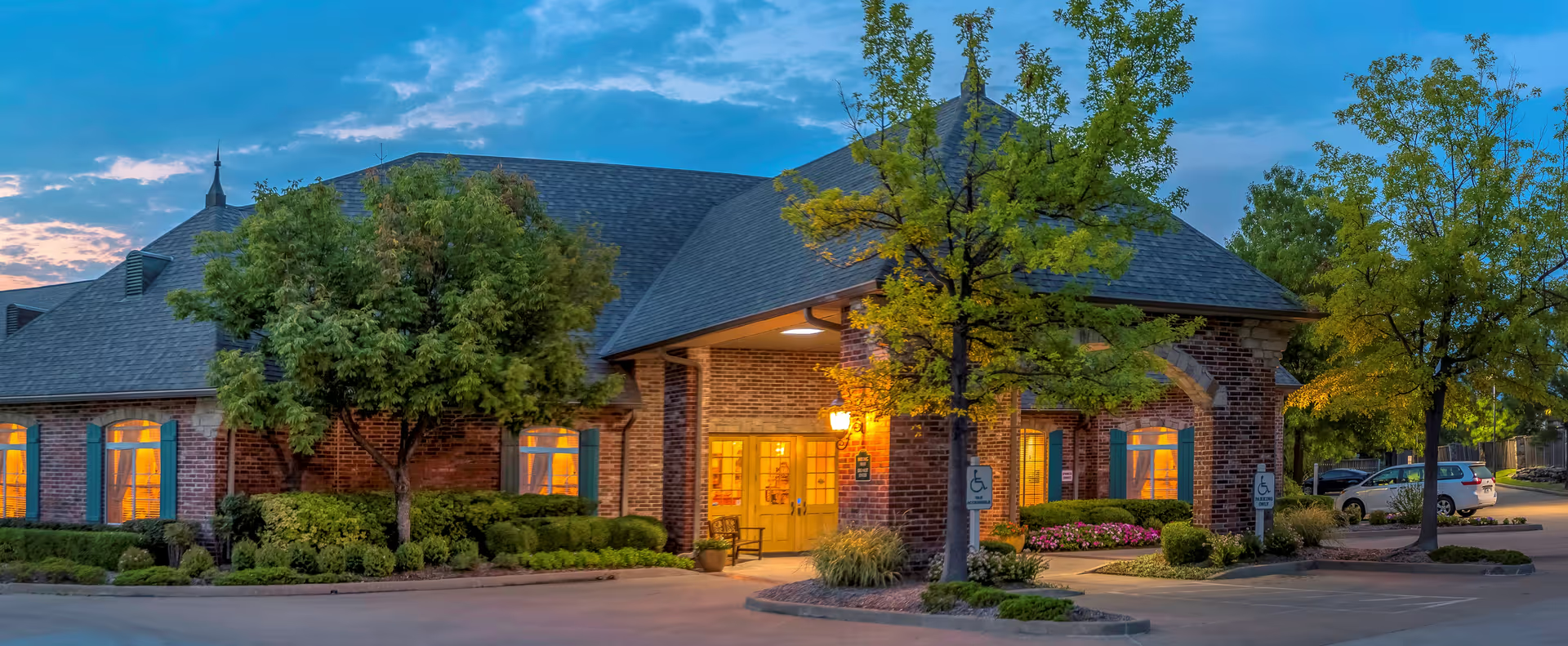
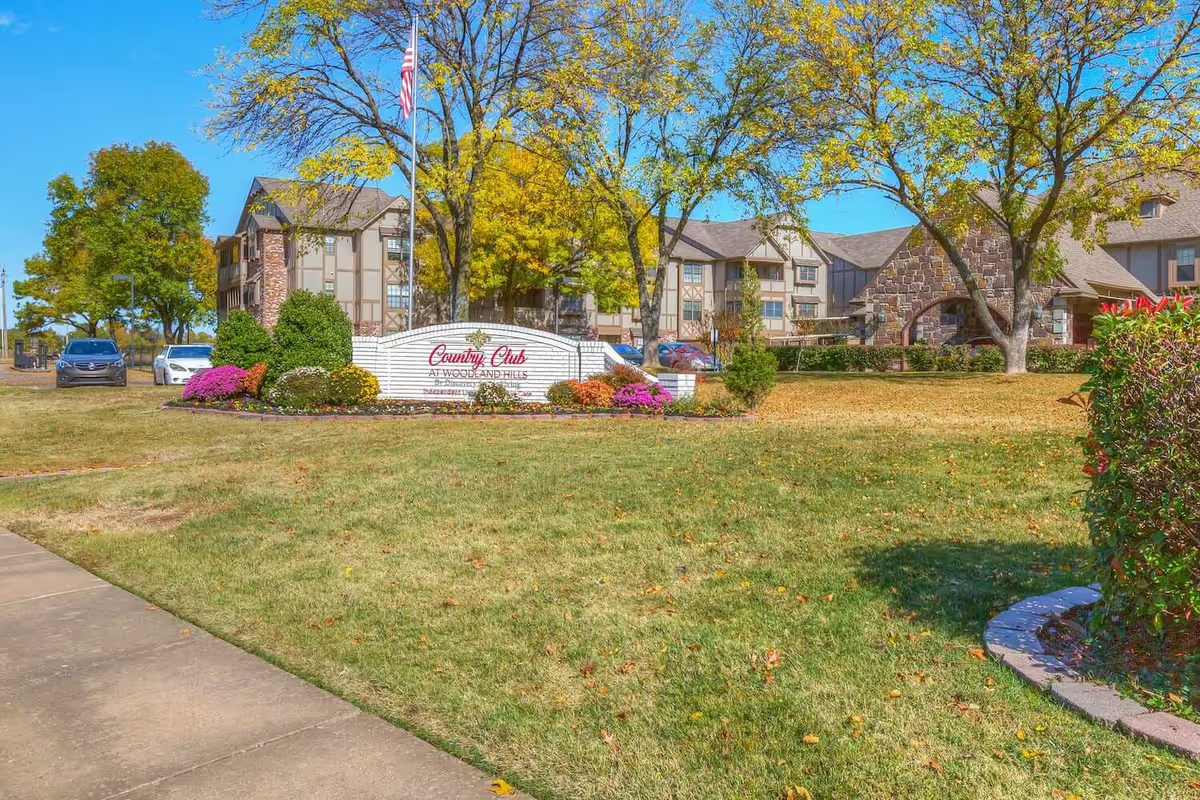
Facilities and maintenance show a similar split: many reviewers describe clean, well-kept rooms and common areas with good housekeeping and laundry service, while others report maintenance deficits such as broken equipment, in-room plumbing or electrical problems, surface cleanliness issues, and pest-control concerns. These mixed statements indicate uneven facility maintenance and environmental consistency across units.
Management and systems-level patterns: reviewers point to both responsive leadership and areas needing improvement. Some families commend administrators and nursing leadership for responsiveness and coordination; others describe weak discharge planning, insufficient home-care transition support, and inconsistent follow-through on family concerns. Safety-related systems — including transfer protocols, incident documentation, availability of licensed staff on shifts, and medication-administration controls — were identified as operational gaps that merit review and improvement.
Practical guidance for prospective residents and families: when considering this facility, families should ask specific, documented questions about staffing ratios (day vs. night/weekend), clinical oversight for chronic conditions, call-light response metrics, medication-administration policies and consent procedures, incontinence and bathing schedules, maintenance response times, pest-control protocols, and discharge/transition planning. An in-person tour during both daytime and evening hours and a review of recent survey/inspection history will help assess whether positive elements observed by many families are consistent across the unit or dependent on particular shifts or staff.
Overall, Senior Suites Healthcare demonstrates clear strengths in interpersonal care, therapy services, dining, and certain operational roles, but reviewers commonly identify systemic inconsistencies in staffing, clinical oversight, responsiveness, maintenance, and discharge coordination that can materially affect resident safety and satisfaction. These patterns suggest opportunities for management focus on staffing stability, night/weekend coverage, clinical-process standardization, and facilities maintenance to convert the facility's strong individual contributors into a uniformly reliable care environment.