Overall impression: Review content indicates a facility with many visible strengths — a clean, well-maintained interior; a strong activity program; and staff who are frequently described as kind, attentive, and long-tenured. Many families commented positively on the atmosphere, holiday and community events, live music, and an activities director who produces regular programming. For prospective residents seeking a social, well-kept community with active engagement opportunities, these elements are consistently highlighted.
Care and staffing: Reviews reflect a mixed pattern on clinical care. Numerous accounts praise attentive caregivers and day-to-day support that brought families peace of mind. However, there are recurring operational concerns indicating inconsistent clinical-care quality, staffing shortages, and delays in responding to resident needs (for example, slow call-light responses). Several families expressed that newer hires required additional training. Taken together, the pattern suggests variability in care depending on staffing levels and staff experience; families considering the community should ask about staffing ratios, training programs, and protocols for higher-acuity residents.
Dining and activities: Activity offerings are a clear strength — frequent programs, bingo, seasonal events with children, occasional excursions, and live musicians in dining areas were all mentioned. Dining impressions are more mixed: some reviewers called meals "pretty good" and noted pleasant dining-room atmospheres, while others described cafeteria-style service and uneven food quality. Prospective residents should inquire about current menu samples, meal-service format, and accommodations for special diets.
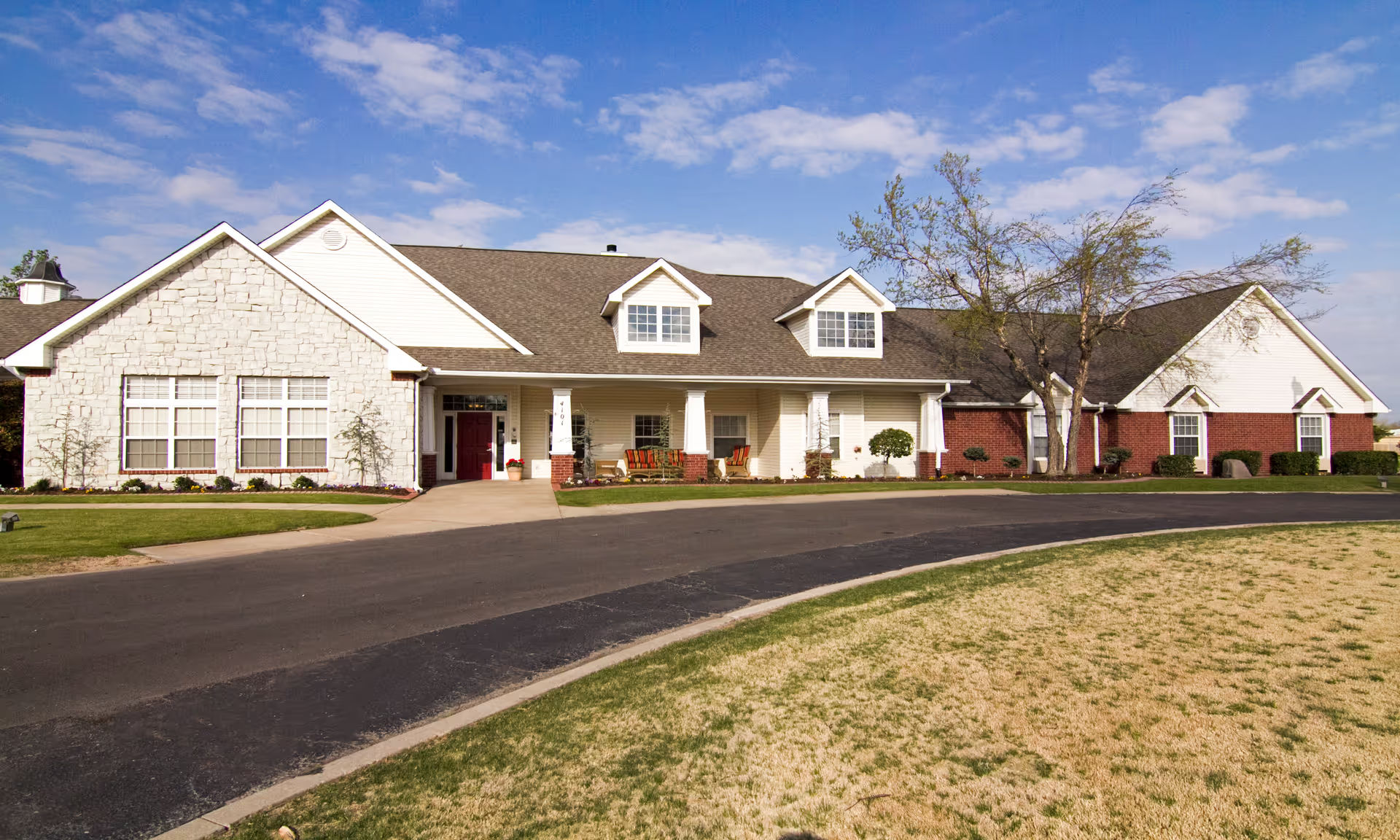
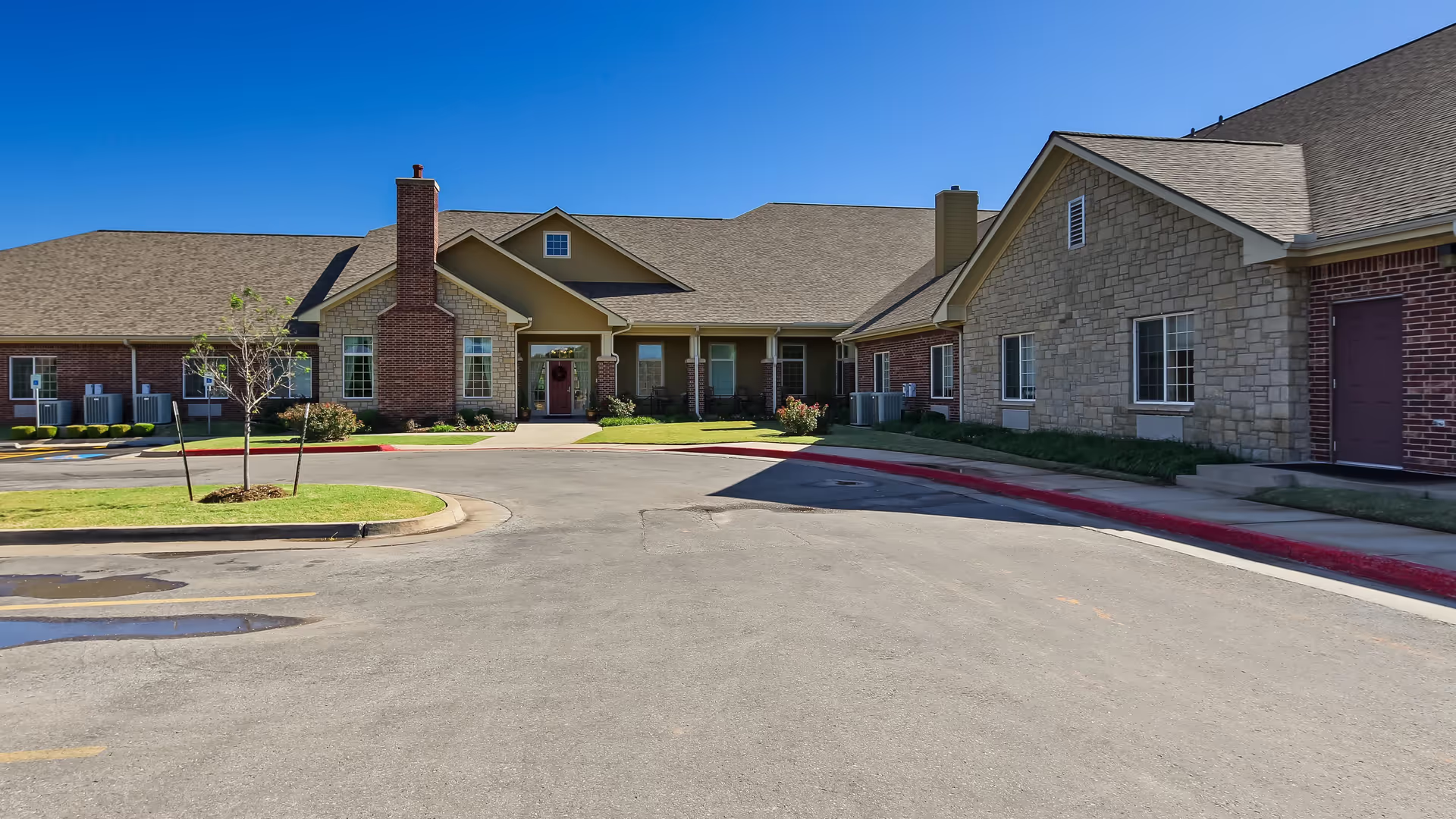
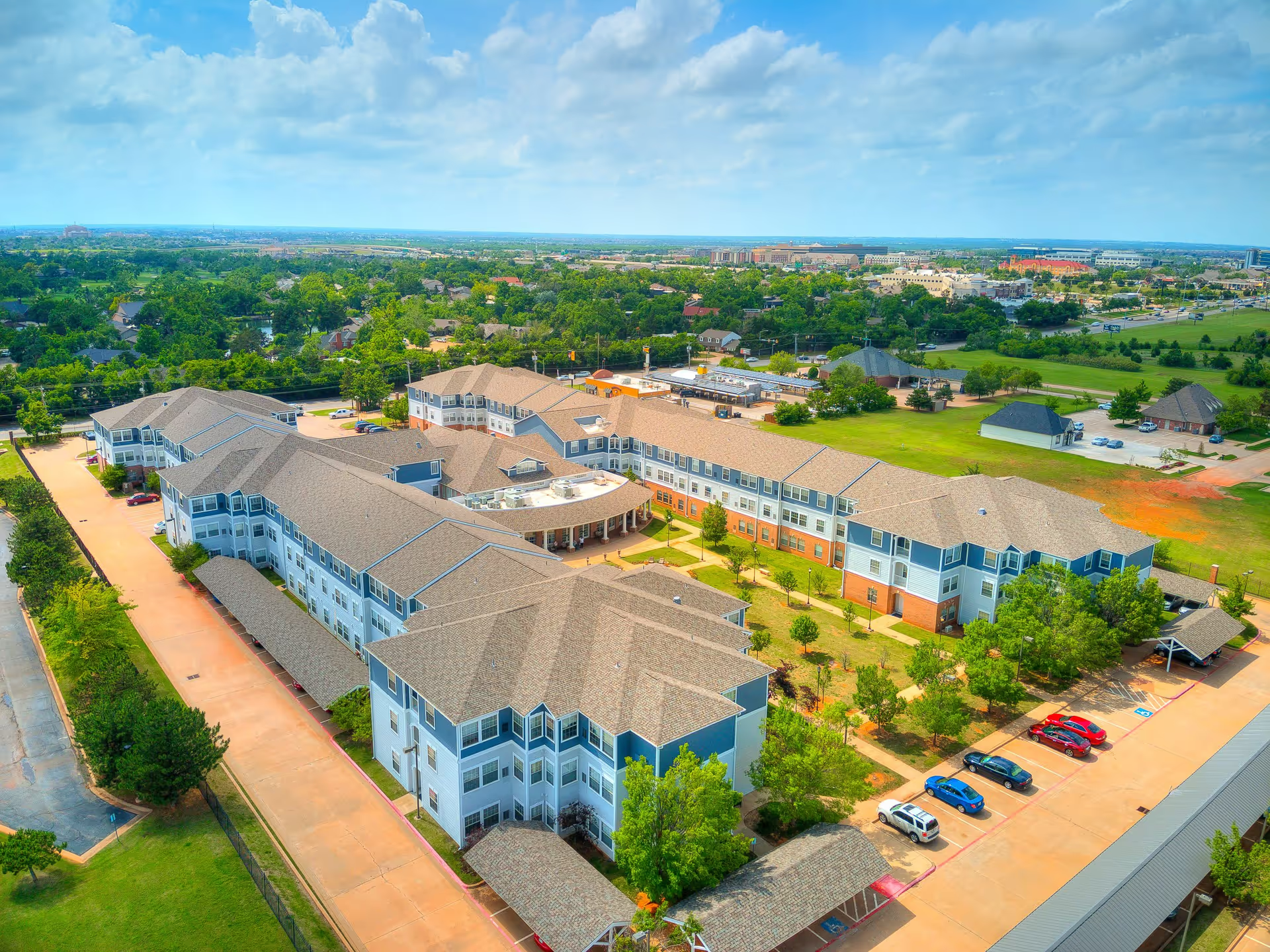
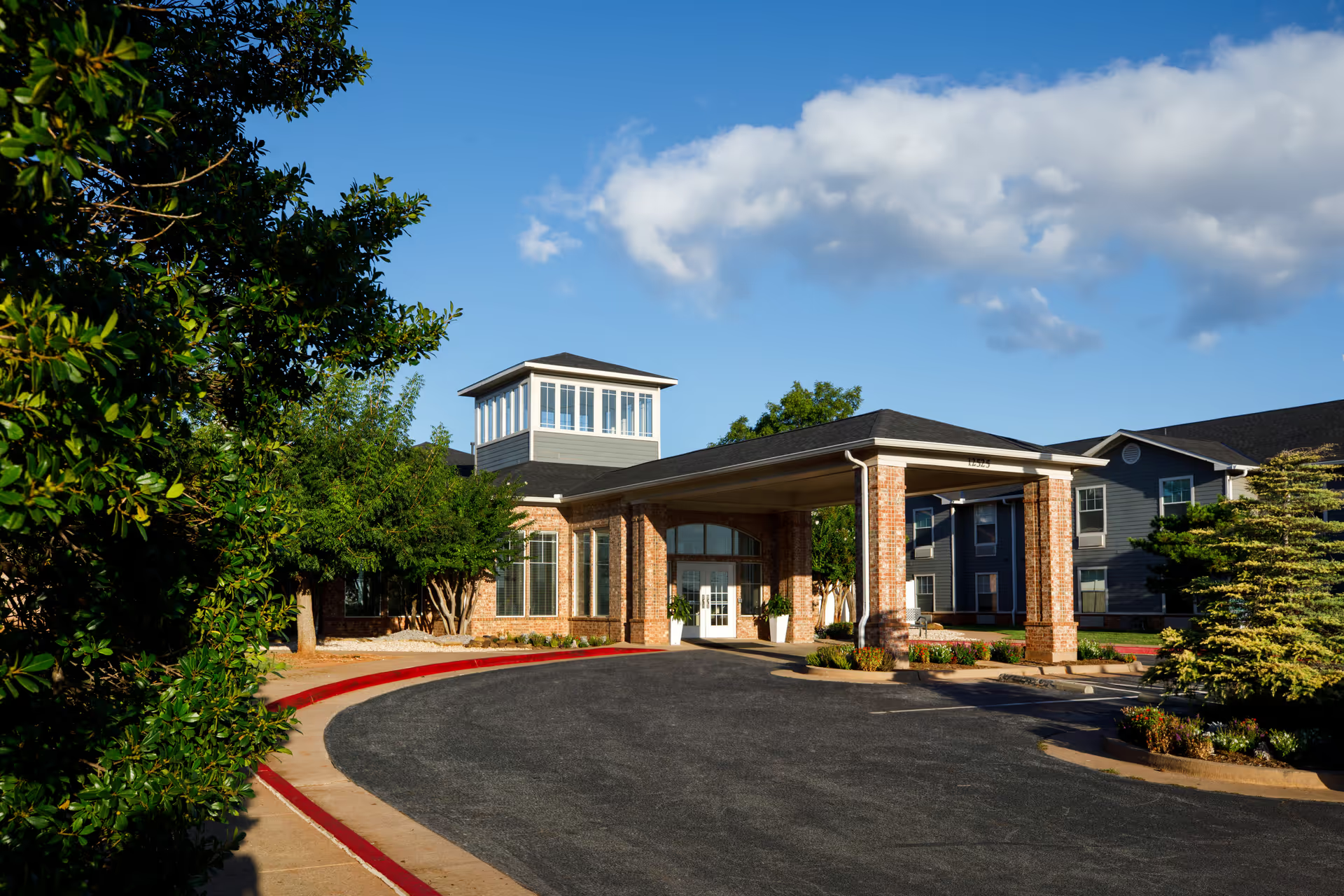
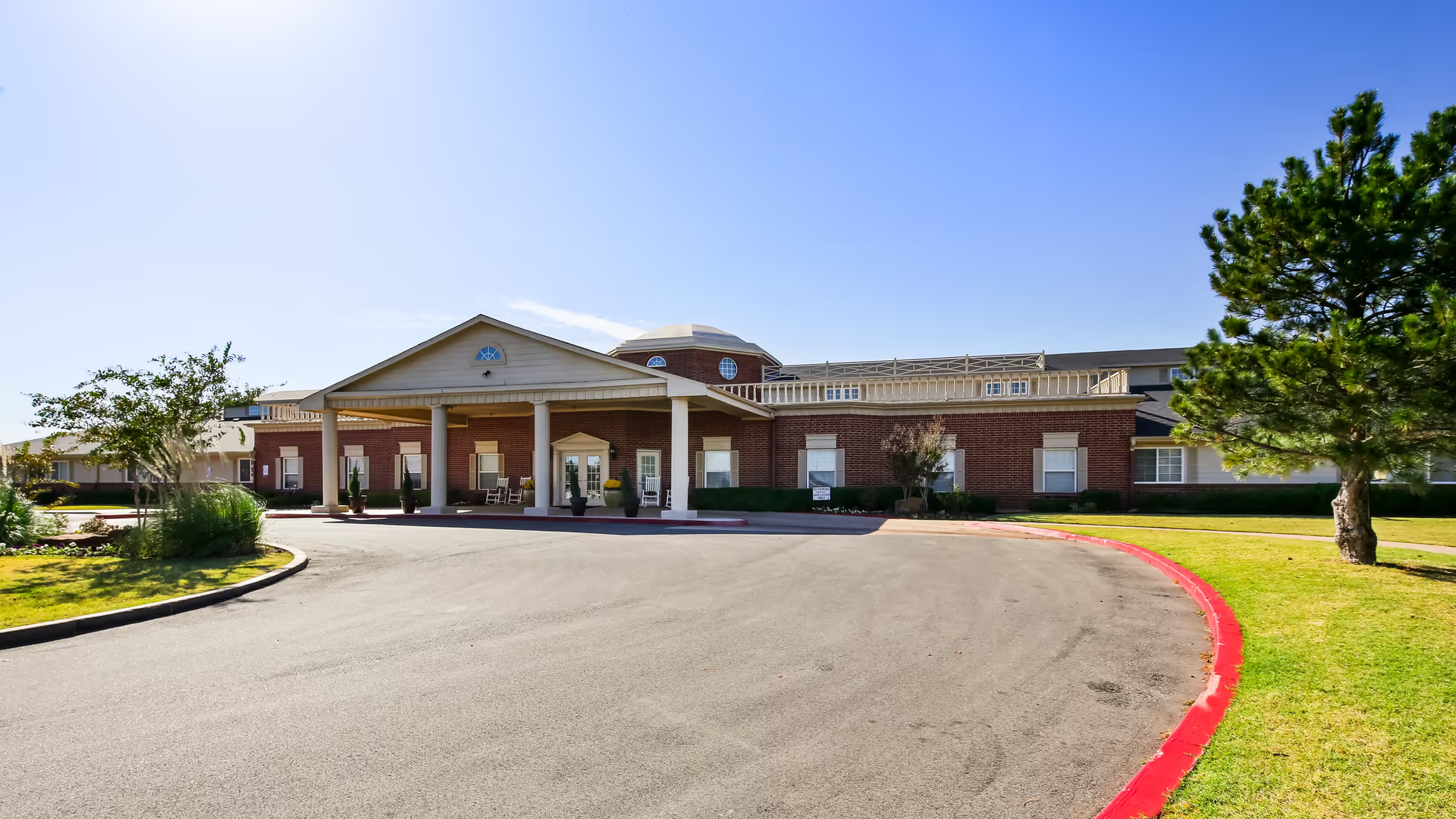
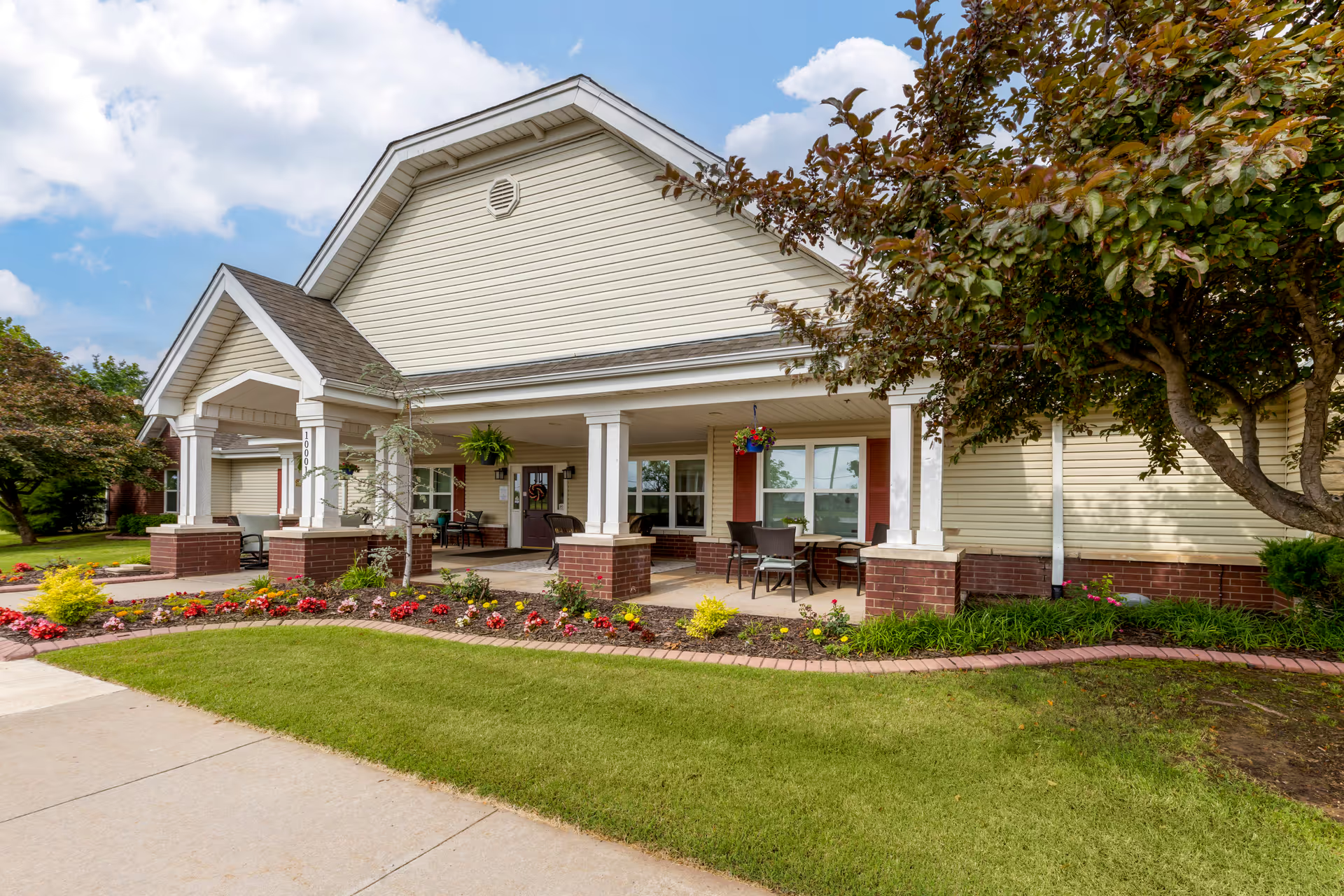
Facilities and management: The facility is described as clean, well-decorated, and freshly maintained; reviewers noted pleasant smells, tasteful decor, and residents who appear well-groomed. Management impressions vary: some reviewers praise responsive, outstanding management and describe positive interactions when issues arise; others noted disagreements with staff or communication challenges after critical incidents. There are serious individual-family concerns about memory-care oversight and about responses following adverse events, which point to the need for clarity around clinical-incident escalation and family communication policies.
Cost and decision guidance: Cost is a notable practical consideration, with at least one reference to a high annualized price point. Given the combination of strong amenities and variable clinical reports, families should balance quality-of-life priorities (activities, environment, cleanliness) against clinical reliability for higher-acuity needs. Recommended due diligence includes touring the memory-care neighborhood if relevant, asking for staffing ratios by shift, reviewing training and turnover data, requesting the facility’s incident-response and family-notification policies, and sampling current menus and activity calendars to confirm fit.