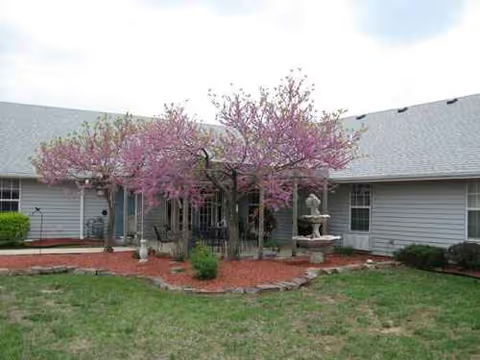
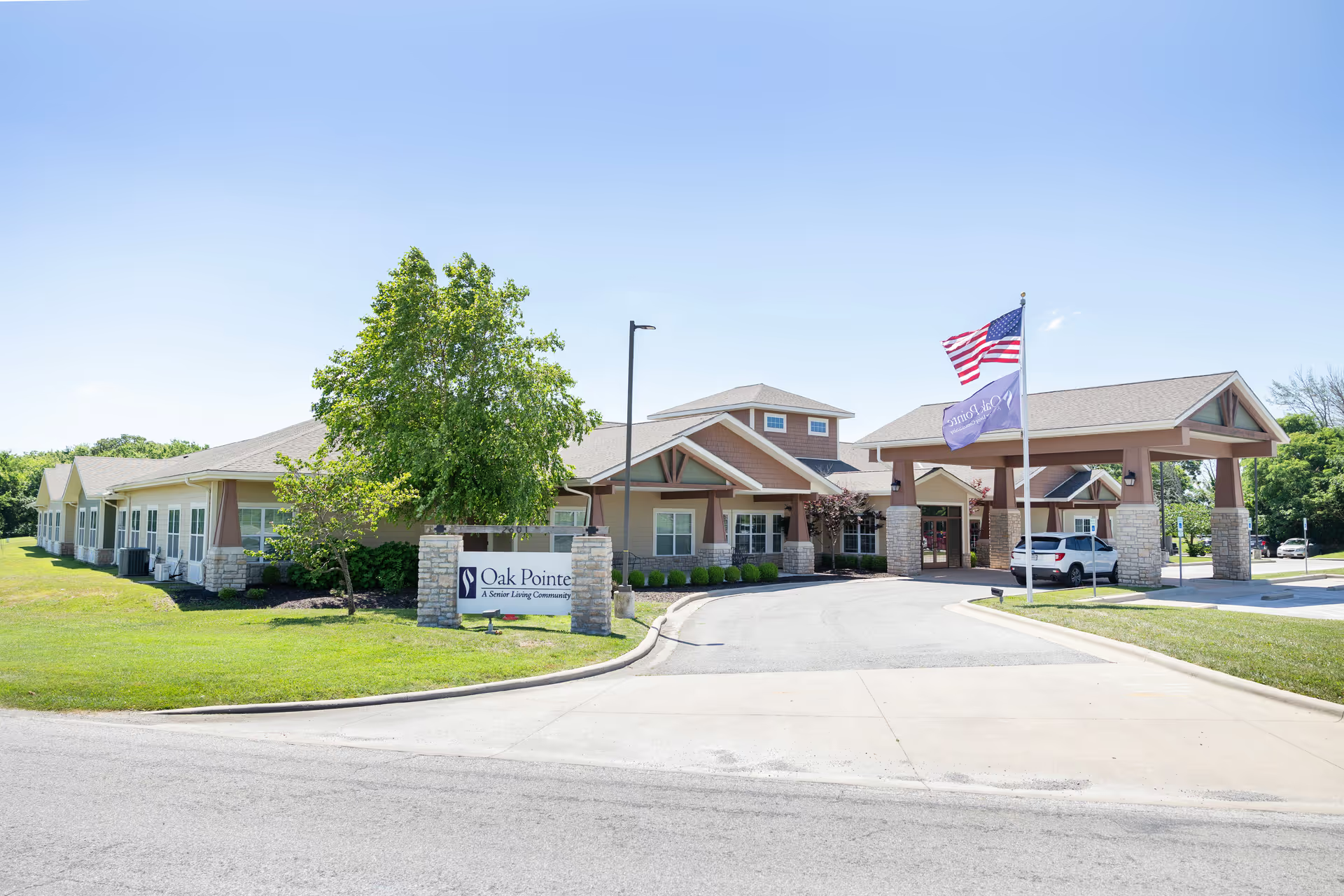
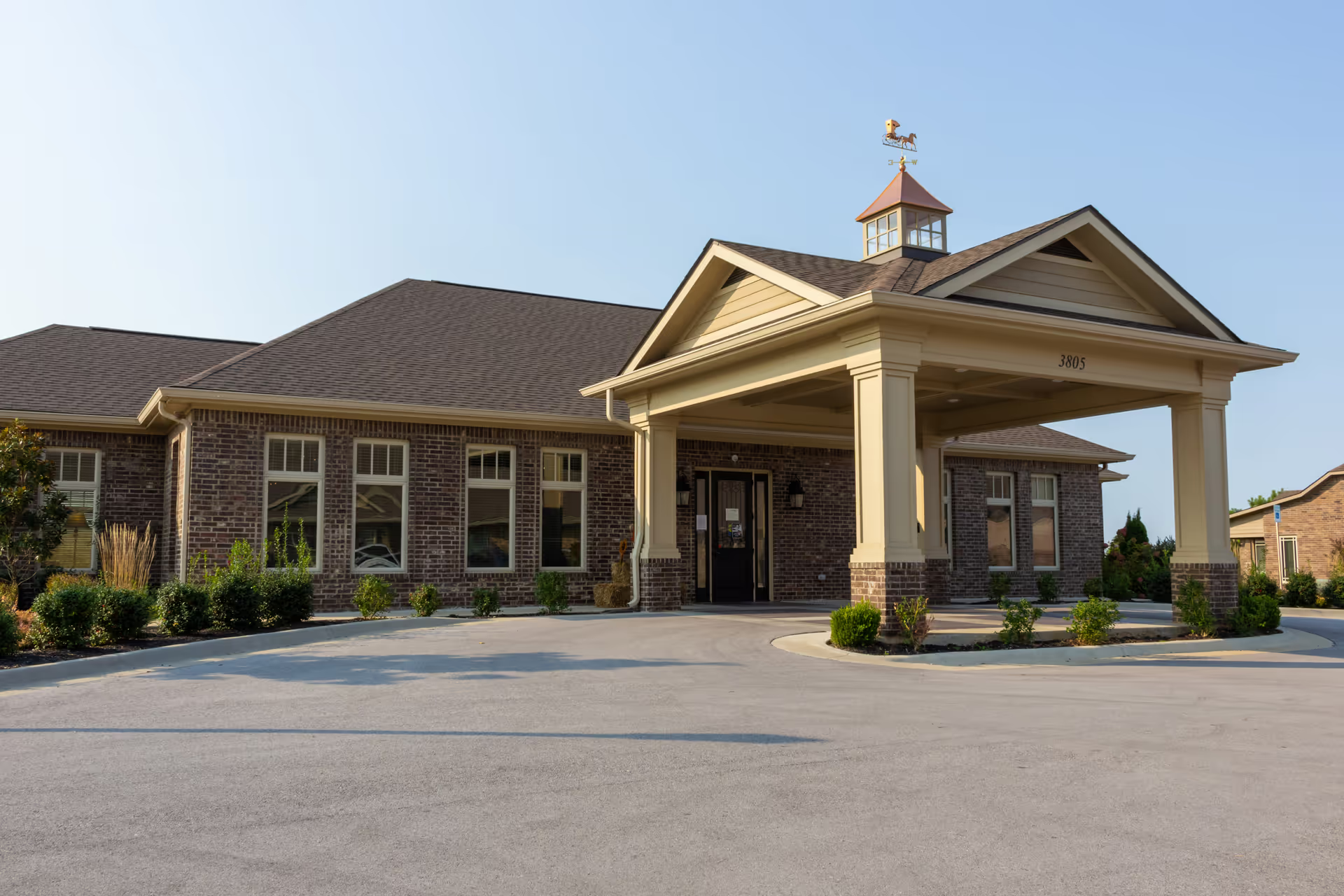
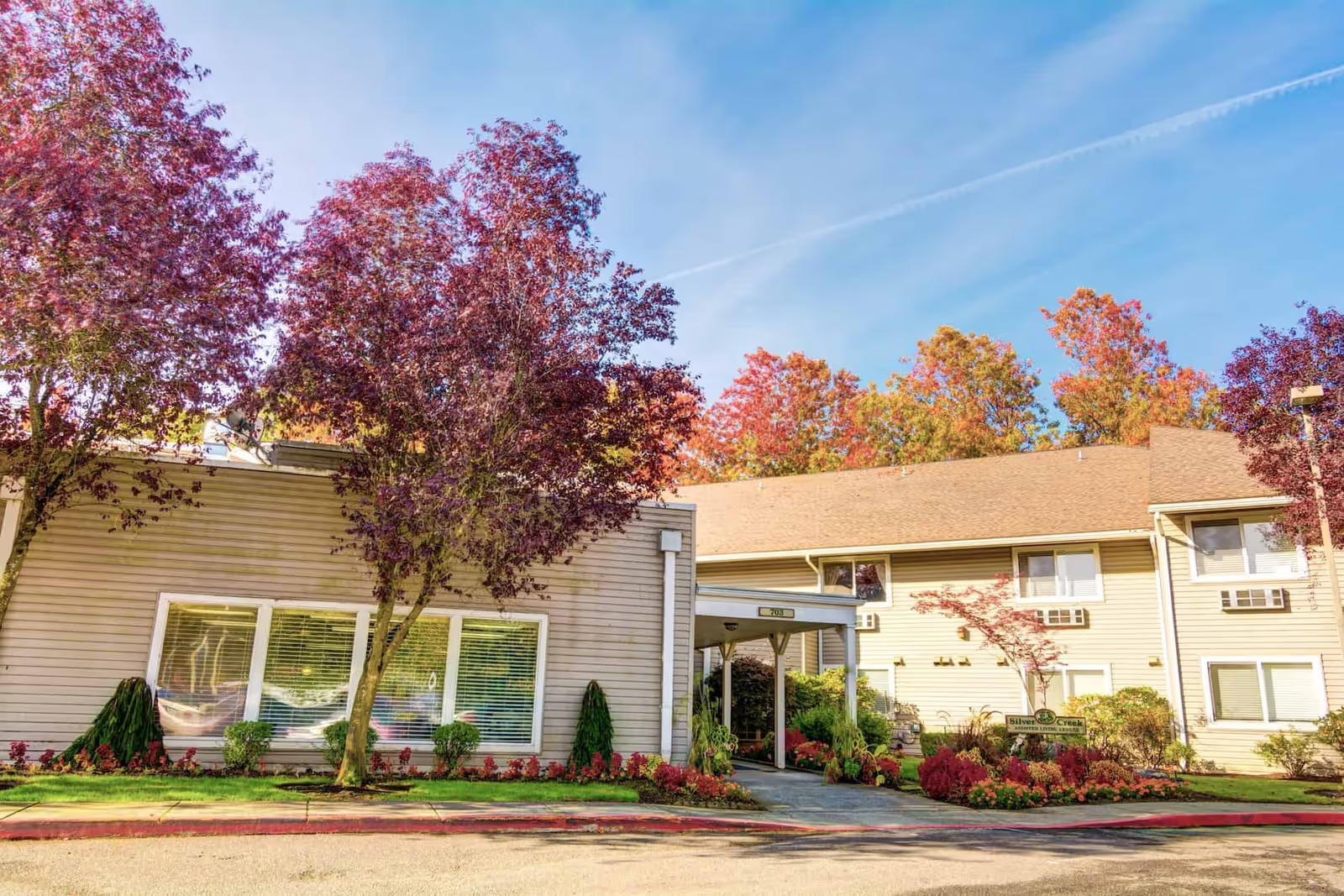
Baptist Village Honey Creek presents as a well-kept independent-living community with a pronounced faith-based identity. Review content emphasizes cleanliness and attractive grounds, a variety of housing configurations (apartments and duplexes), and practical on-site amenities such as a beauty shop and rentable carports. Ownership by Integris Health Systems is noted as an organizational attribute, and the community appears geared toward older adults seeking an independent-living environment with social programming and basic supportive services.
Staff and community life receive frequent positive mention. Multiple comments highlight a friendly resident culture, long-tenured staff and management (including a named manager praised for hands-on involvement), and staff described as helpful and personable. Activity offerings and social functions are consistently mentioned — residents have access to regular programs, weekly grocery-transportation service, and communal lunches provided through a Senior Citizens Center partnership — which supports an engaged social environment for independent residents.
Dining and services appear to be modest and community-oriented rather than clinical. The presence of community lunches and routine transportation suggests practical support for shopping and social meals, but reviewers characterize the setting primarily as independent living; there is little indication in these summaries of extensive on-site clinical or higher-acuity care. Prospective residents who require assisted living or skilled nursing should confirm available care levels directly with the provider.
Notable patterns to consider: cleanliness and friendly staff are repeated strengths, and the community's Christian/Southern Baptist orientation will be a positive fit for many but may not align with all preferences. There is a contrast between predominantly positive anecdotal comments and at least one low overall public rating; some reviewers advise prospective residents to speak directly with current residents rather than rely solely on management-provided information. That pattern suggests variability in individual impressions and underscores the importance of in-person visits, conversations with current residents, and direct questions about management communication, service scope, and any specific care needs before making a placement decision.