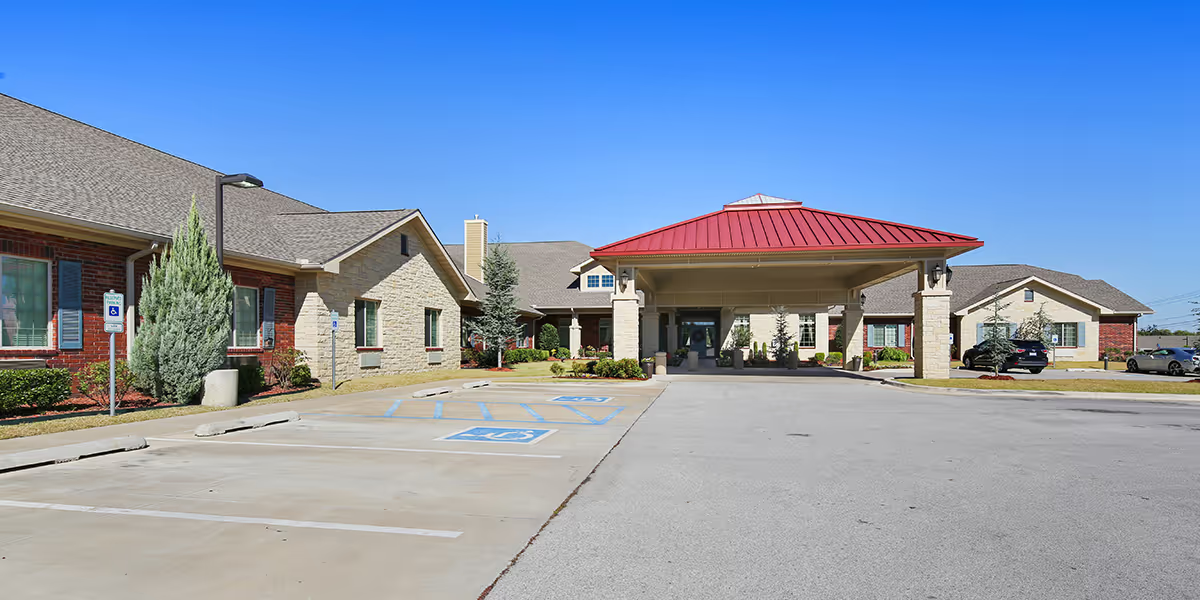
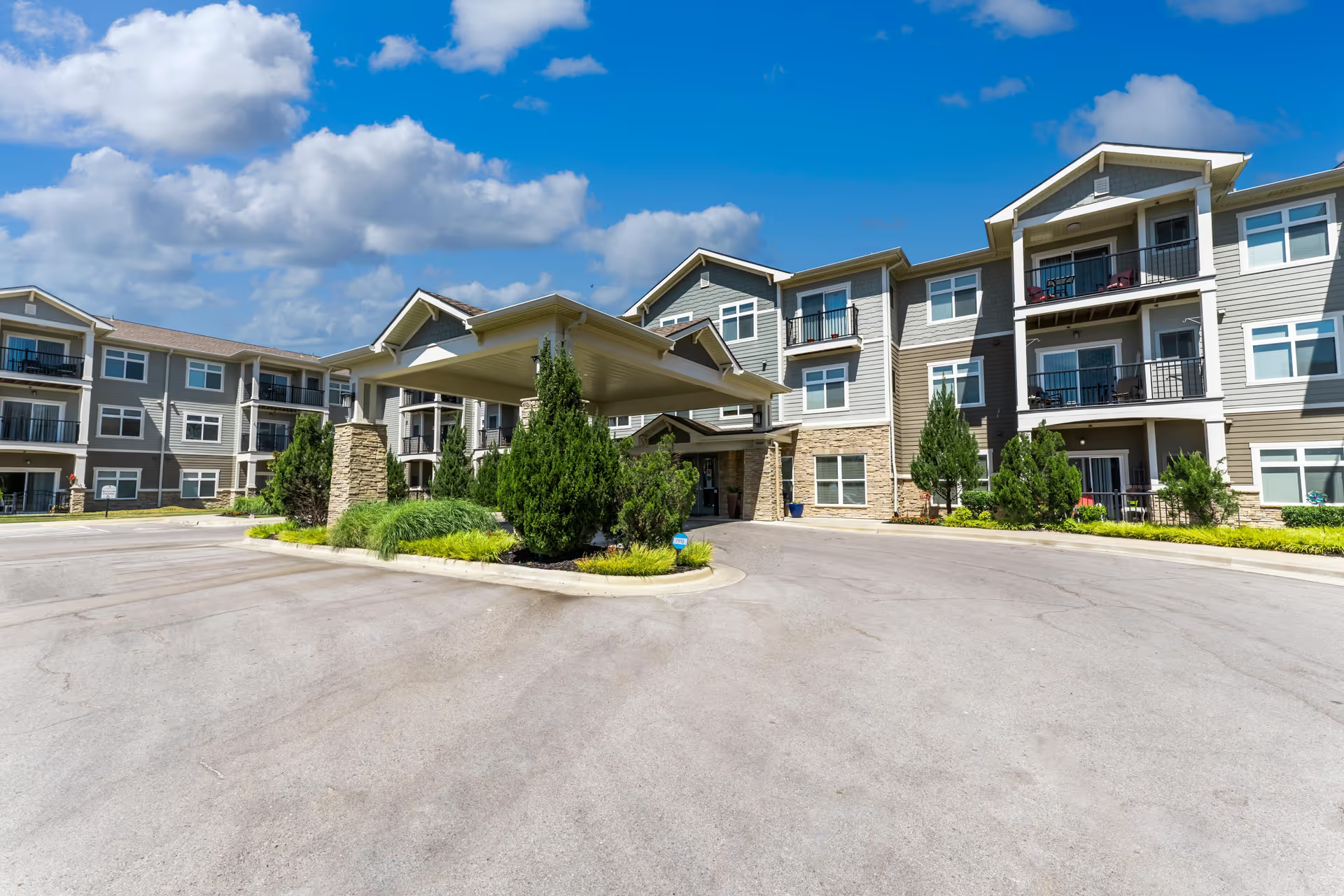
Reviews describe a facility with clear strengths at the point of care but recurring operational weaknesses that families should consider. Many accounts emphasize compassionate, patient-focused frontline staff and several named caregivers and nurses who provided attentive, personalized support; these staff members are frequently credited with improving residents’ quality of life and facilitating successful rehabilitation. The therapy program (PT/OT) receives consistent praise for effective rehabilitation work, and the facility's physical environment is often described as clean, modern and home-like with active recreational and spiritual offerings such as bingo, dominos and chapel services.
At the same time, a consistent pattern emerges around staffing and operational reliability. Multiple reviewers report chronic understaffing, long waits for assistance, and delayed administration of medications — particularly pain medication — which create measurable concern about timely clinical response. Weekend coverage and therapy scheduling gaps are called out separately, indicating uneven continuity of clinical services across days of the week. Communication breakdowns between nursing, therapy, administration and families are also a recurring theme: reviewers describe delayed or absent family notification of clinical events, difficulty reaching staff by phone or at entrances, and inconsistent coordination when problems arise.
Foodservice and environmental management present mixed results. Some residents and families found meals adequate and appreciated the dining environment; others described inconsistent meal quality and unreliable meal timing. Cleanliness and linen management are variable: many reviewers praise the new, well‑maintained appearance of the facility, while others raised sanitation concerns, odor issues in common areas, shortages or poor quality of towels/linens, and isolated pest-control concerns. Related operational issues include misplaced or lost laundry and personal items, which contributed to family frustration.
Safety and administrative controls also warrant attention. Reviews suggest equipment-maintenance gaps (ill-fitting wheelchairs, walker safety concerns, mattress condition) and isolated safety lapses that point to the need for stronger transfer and mobility protocols. There are multiple accounts of problematic staff conduct or communication tone that families characterized as unprofessional; these indicate opportunities for training and supervisory improvement. Of particular note are serious allegations involving financial theft and unauthorized card use — these qualify as high-severity concerns that families and regulators commonly treat as incidents requiring investigation and improved security controls.
In sum, The Springs Skilled Nursing & Therapy appears to deliver strong interpersonal care and an effective rehabilitation program within a generally attractive physical setting. However, the facility demonstrates recurrent operational vulnerabilities: staffing shortages, medication and response delays, inconsistent dining and linen services, lapses in communication and family notification, occasional safety/equipment maintenance issues, and at least one serious allegation of financial misconduct. Prospective residents and families should weigh the facility's evident strengths against these operational concerns, ask targeted questions during tours (staffing ratios, medication-administration protocols, linen/laundry procedures, security measures, weekend therapy coverage, and communication practices), and request documentation of corrective actions or Ombudsman involvement when considering placement.