Overall care quality is described positively: reviewers emphasize attentive, compassionate caregiving and individualized medical attention. Multiple comments highlight specific staff members as caring and responsive, and supervisory staff are noted as receptive to family concerns. These accounts indicate a caregiving culture that prioritizes resident interaction and one-on-one attention.
Staffing is a clear strength in terms of interpersonal conduct and dedication. Families and observers consistently describe respectful, kind interactions between staff and residents and note staff initiative in meeting needs beyond available resources. At the same time, there is some variability in individual performance and occasional dissatisfaction with specific nursing interactions, suggesting unevenness in staff consistency rather than a pervasive pattern of poor conduct.
Dining and nutrition emerge as operational weaknesses. Reviews describe inconsistent menus, intermittent meal shortages, and procurement problems in the kitchen. Several comments point to limited funding for food-service operations and low pay for kitchen staff; in some cases staff have used personal funds to purchase resident items. These elements point to unreliable meal-service continuity and under-resourced kitchen processes that could affect diet variety and availability.
Activities and amenities are limited relative to what some prospective residents and families expect. While the facility does run organized events (for example, holiday outings), overall programming and amenity breadth are described as modest. Prospective residents seeking a broader activity schedule or more extensive amenities may find the offerings insufficient.
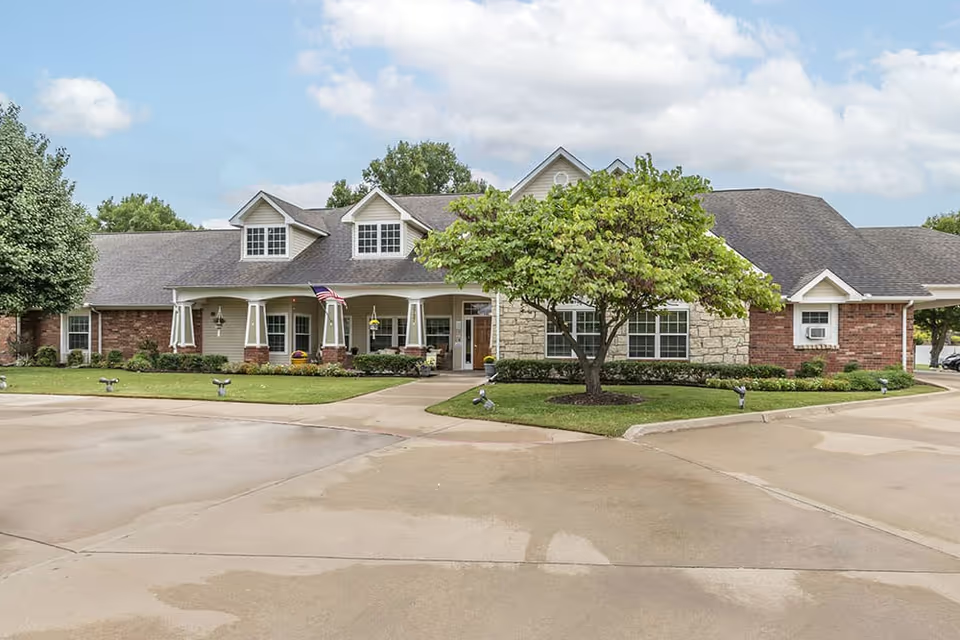
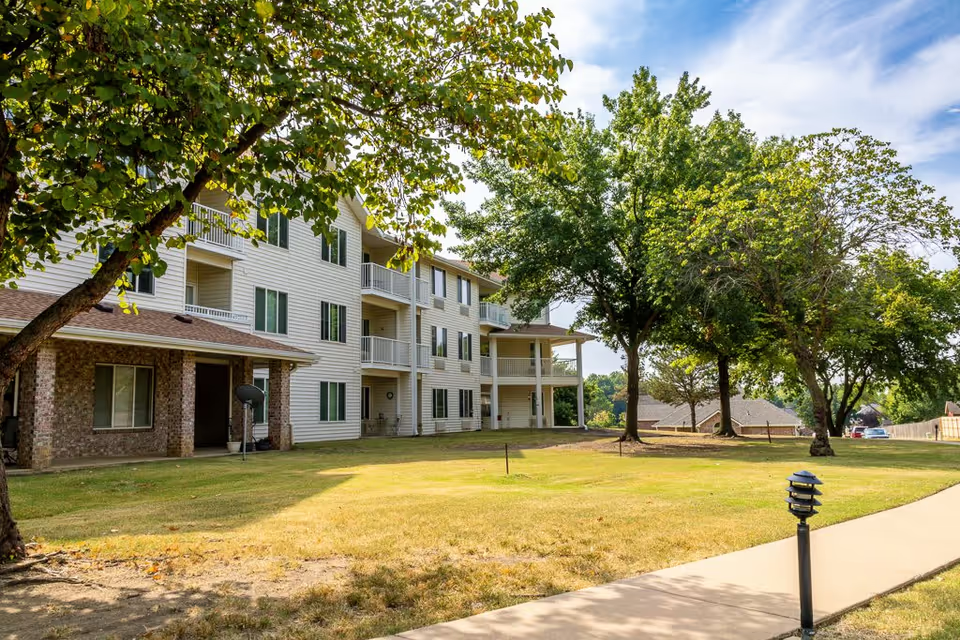
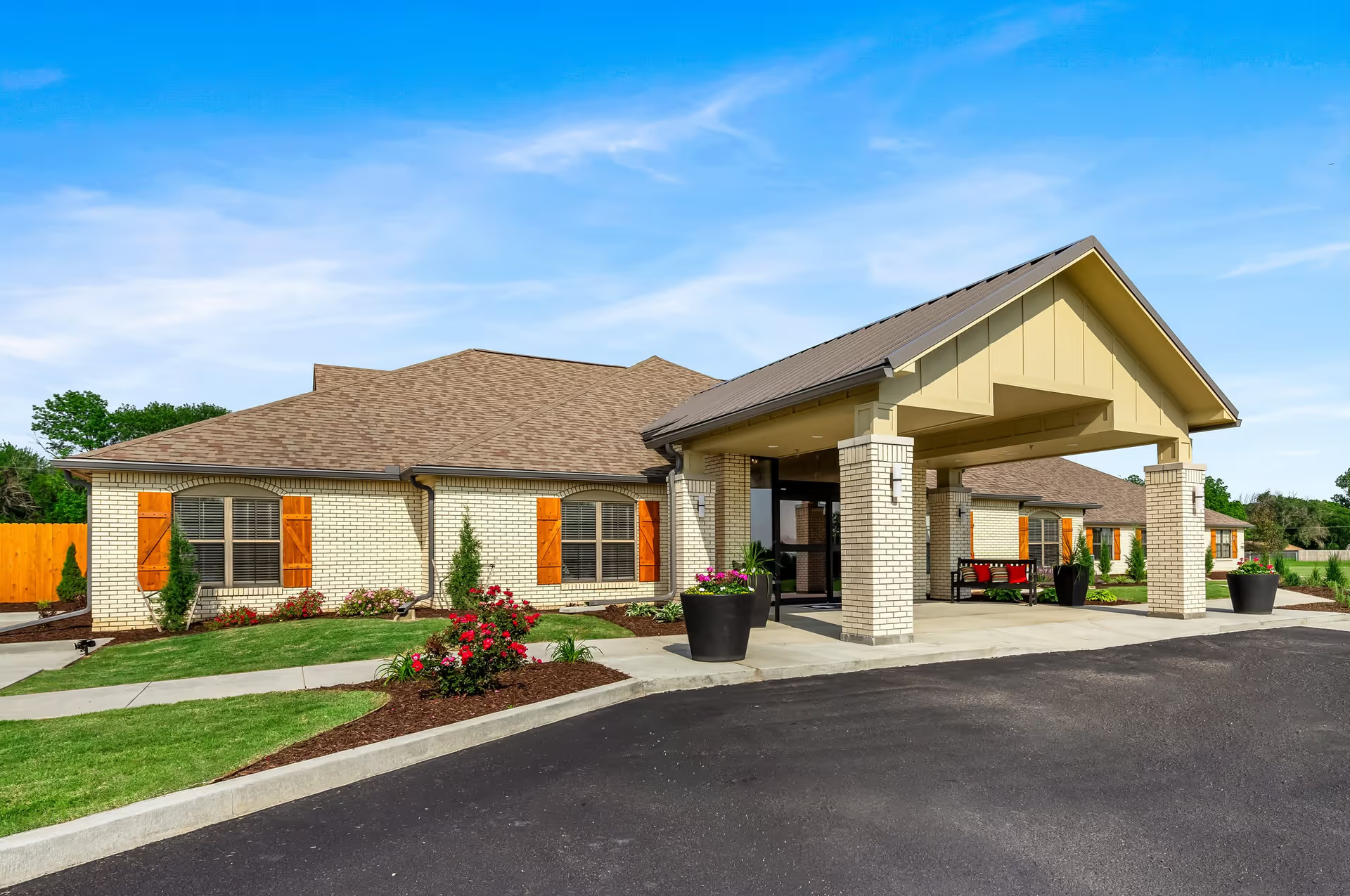
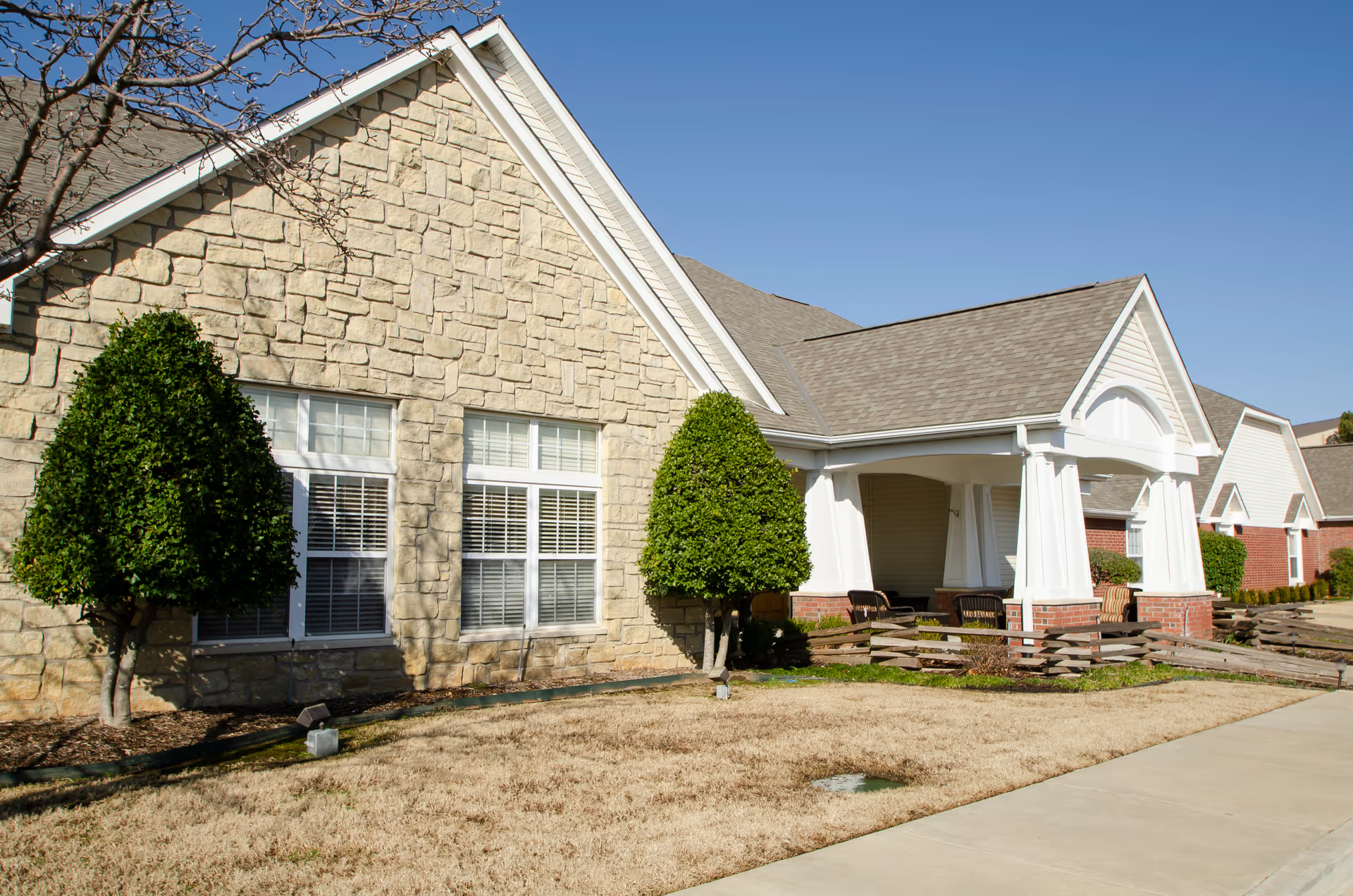
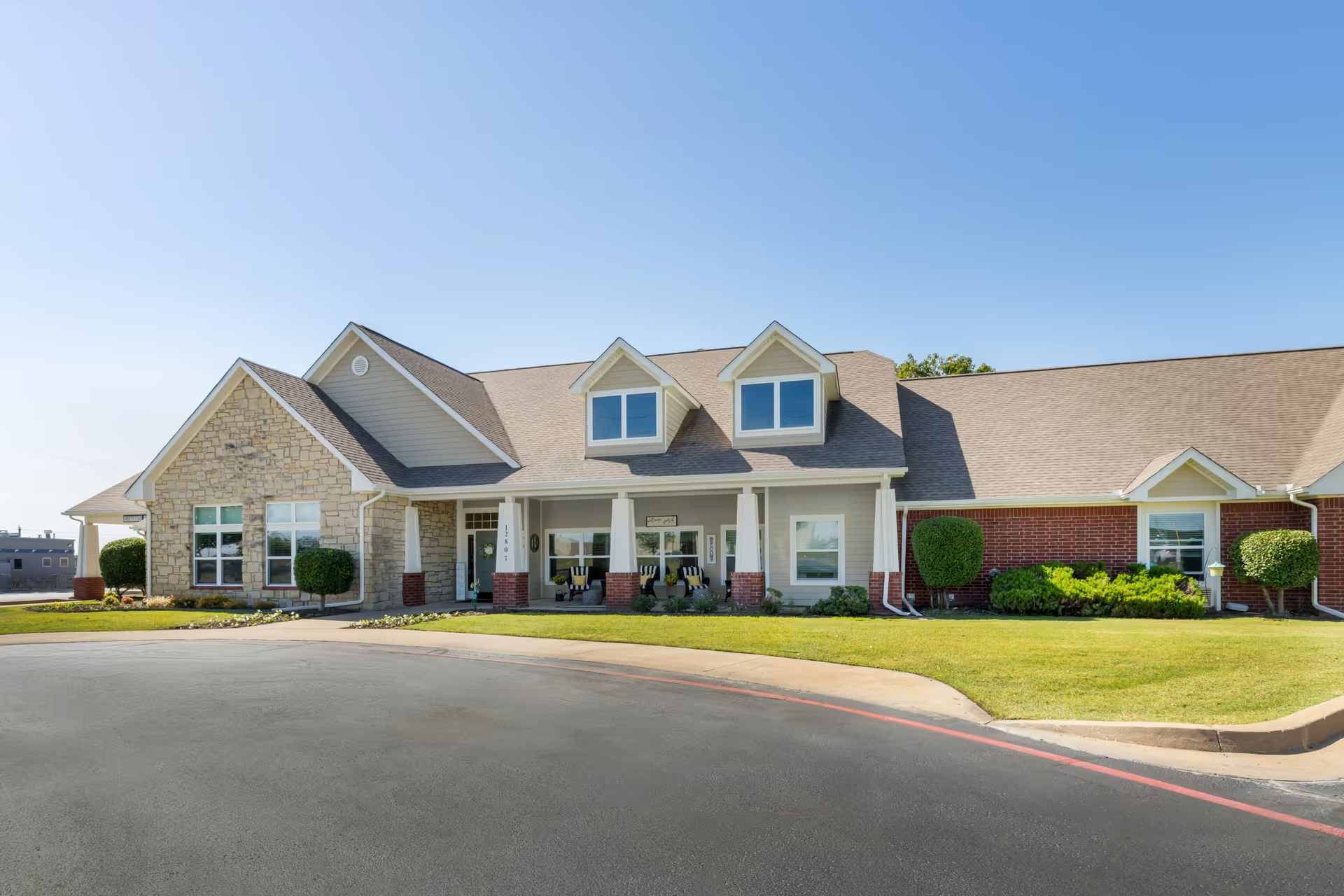
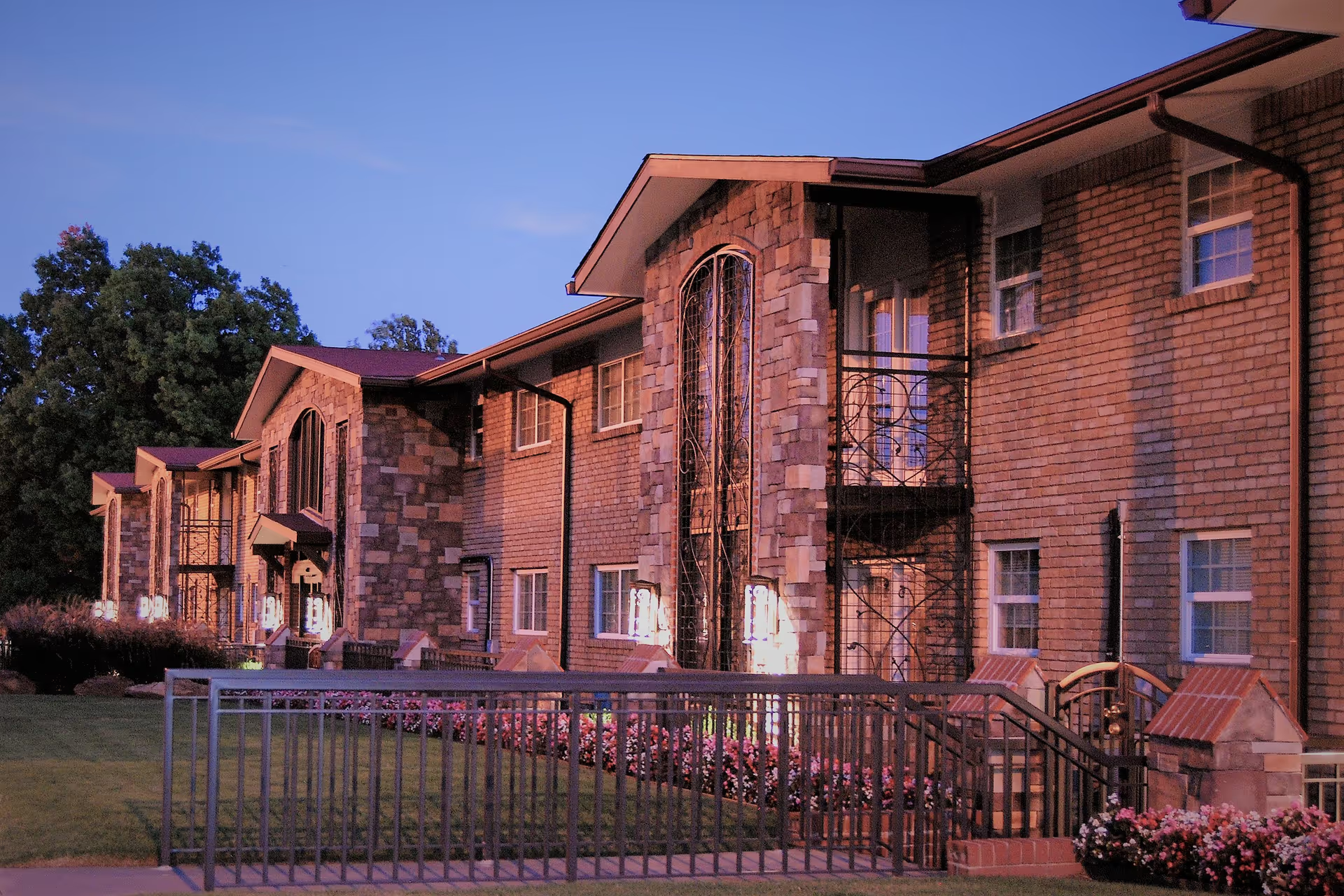
Facility and maintenance concerns are notable despite generally clean resident rooms. Observers describe the physical plant as dated and identify environmental maintenance issues, including mold concerns and other signs of aging infrastructure that have not been fully remediated. Coupled with descriptions of an older, not up-to-date building, these points suggest a need for capital maintenance and environmental remediation.
Safety and operational systems show gaps in specific areas. Comments about residents entering other residents' rooms at night indicate deficiencies in nighttime room-access controls and supervision protocols. When taken together with staffing and budget constraints, these operational gaps suggest the facility would benefit from clearer security practices, better night staffing coverage, and investment in infrastructure to improve resident privacy and safety.
In summary, the facility demonstrates a strong caregiving culture and positive daily interactions, with clean rooms and individualized clinical attention. However, persistent operational challenges—particularly in dining services, building maintenance, activity programming, and nighttime security controls—are evident and appear linked to budgetary and procurement limits. Prospective residents and families should weigh the facility's strong interpersonal care against these operational constraints and consider asking management about plans for kitchen funding, maintenance remediation, activity expansion, and night-shift safety protocols before making placement decisions.