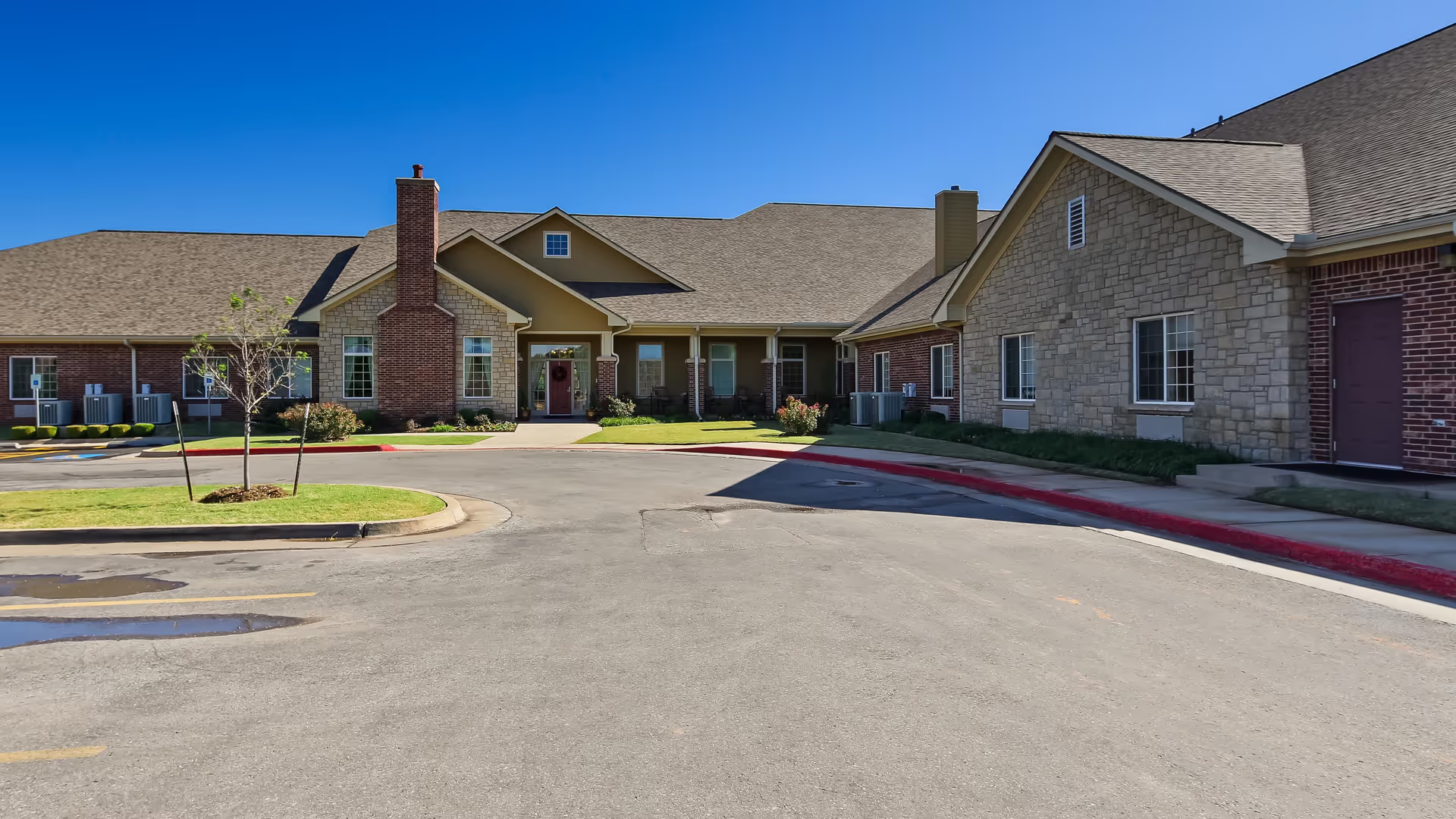
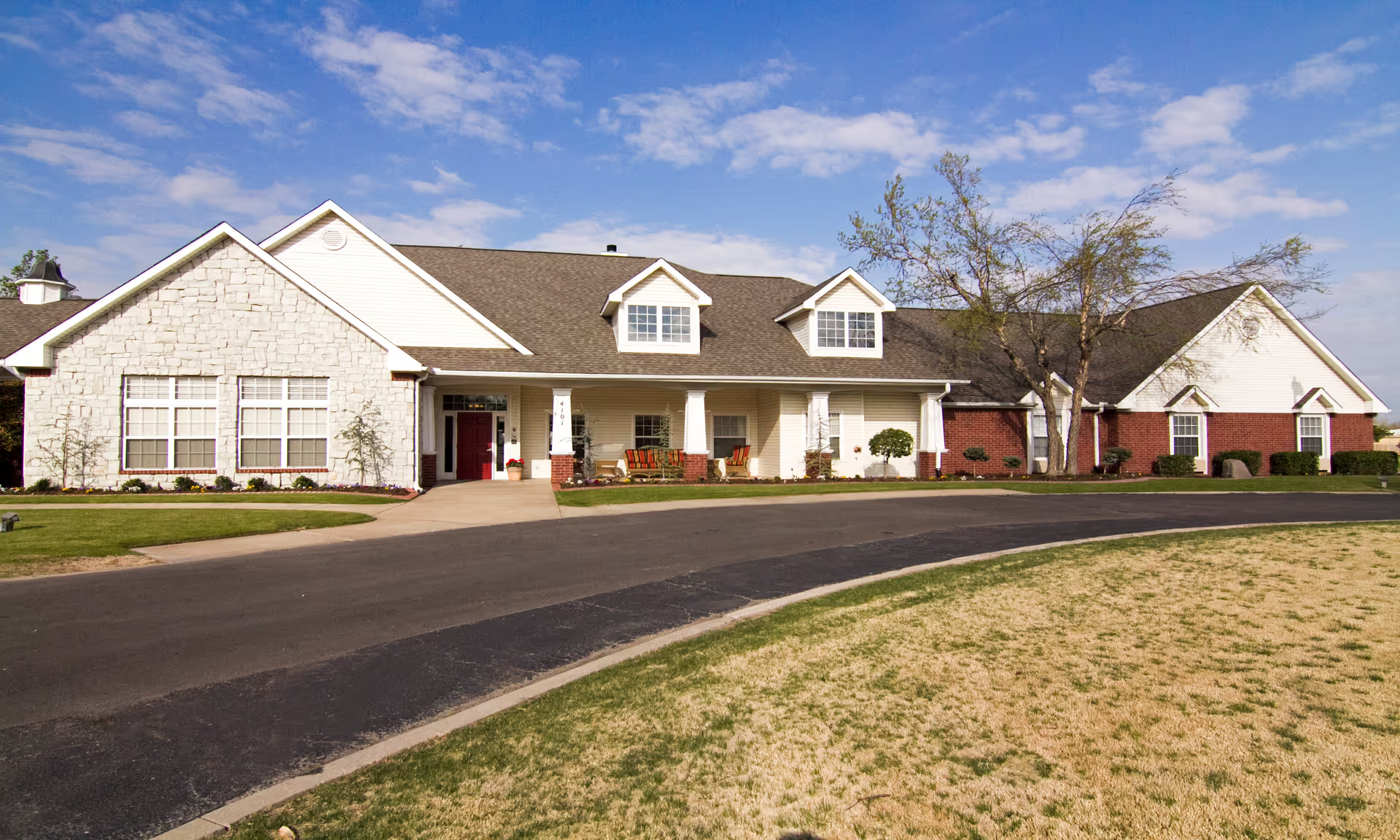
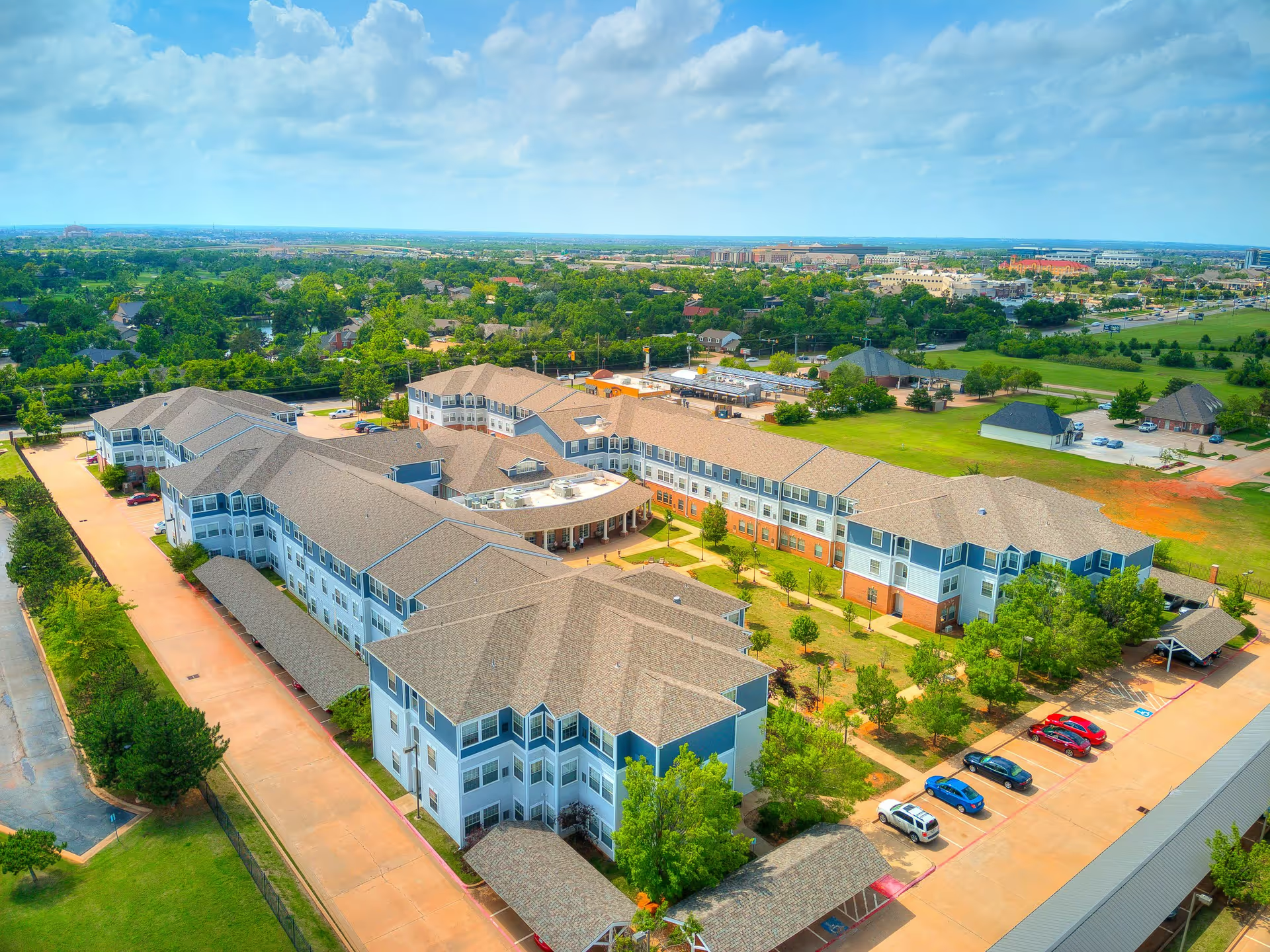
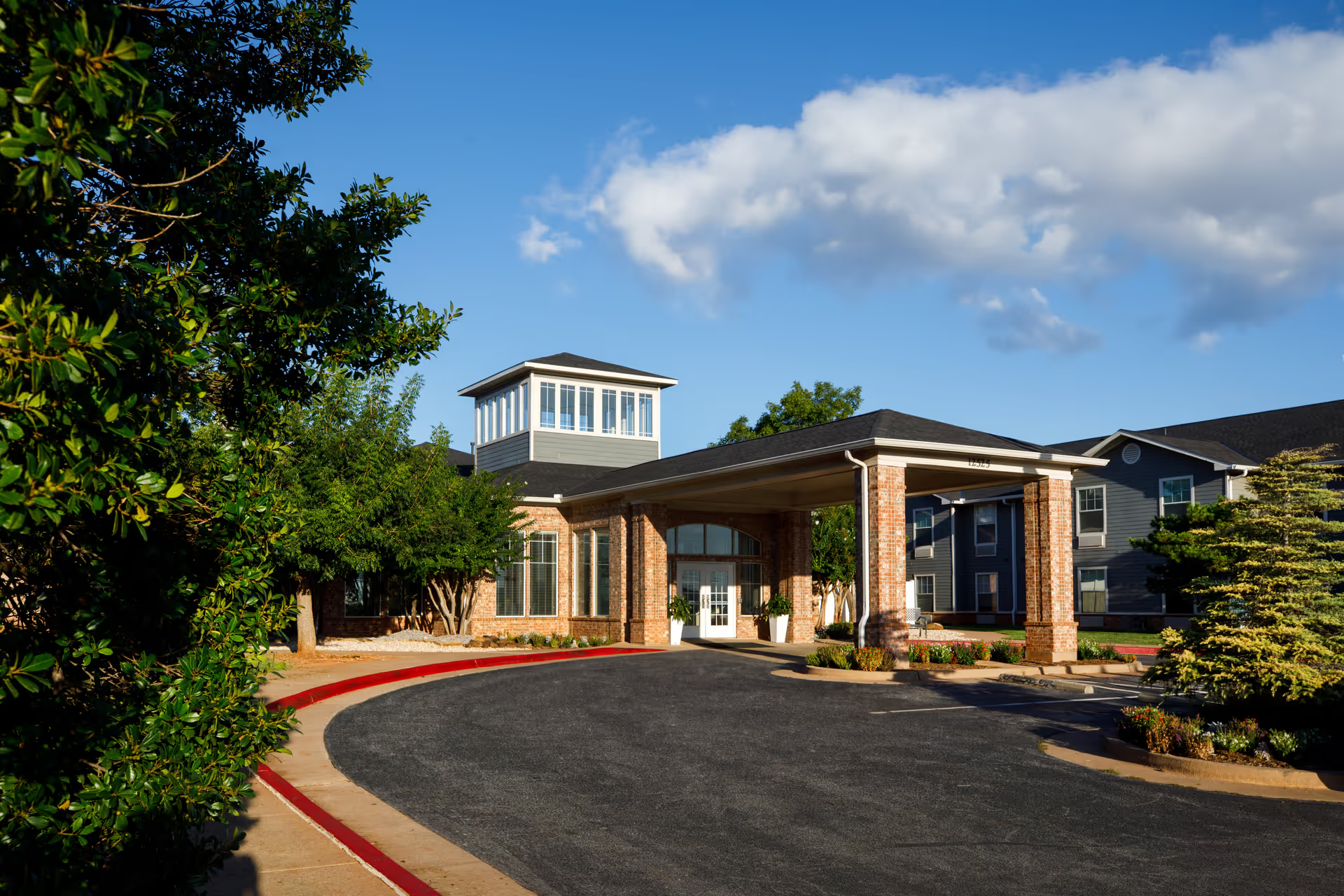
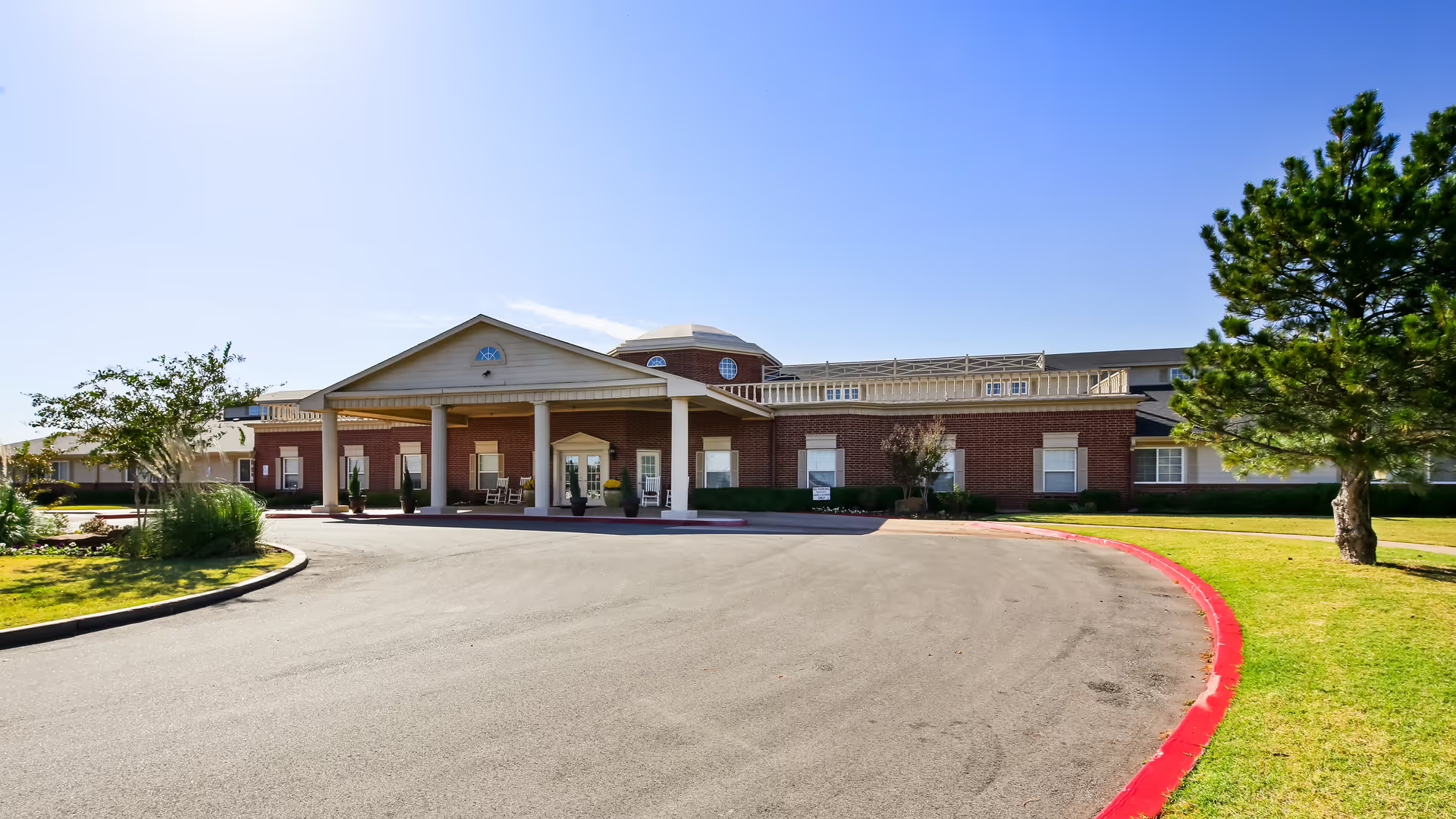
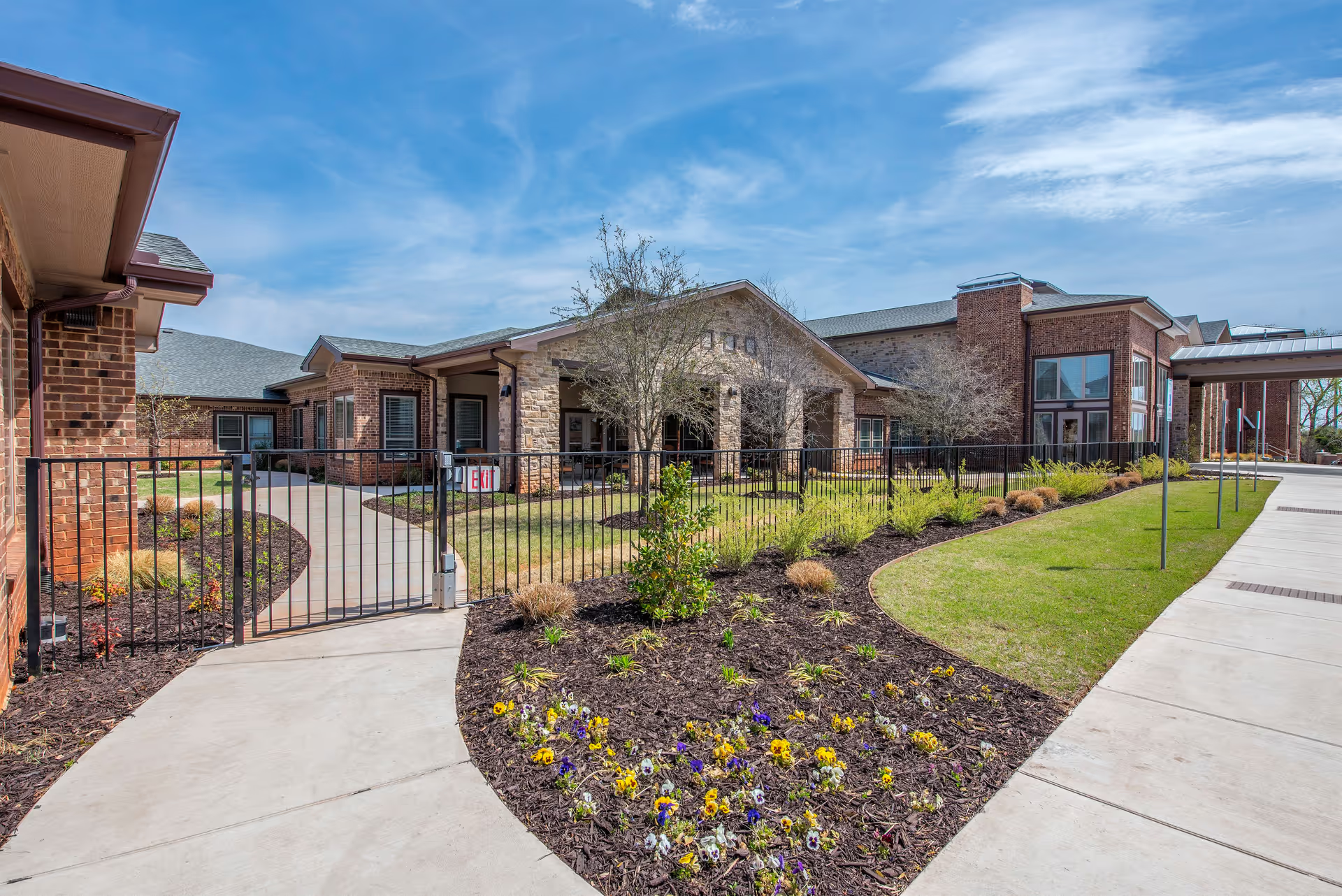
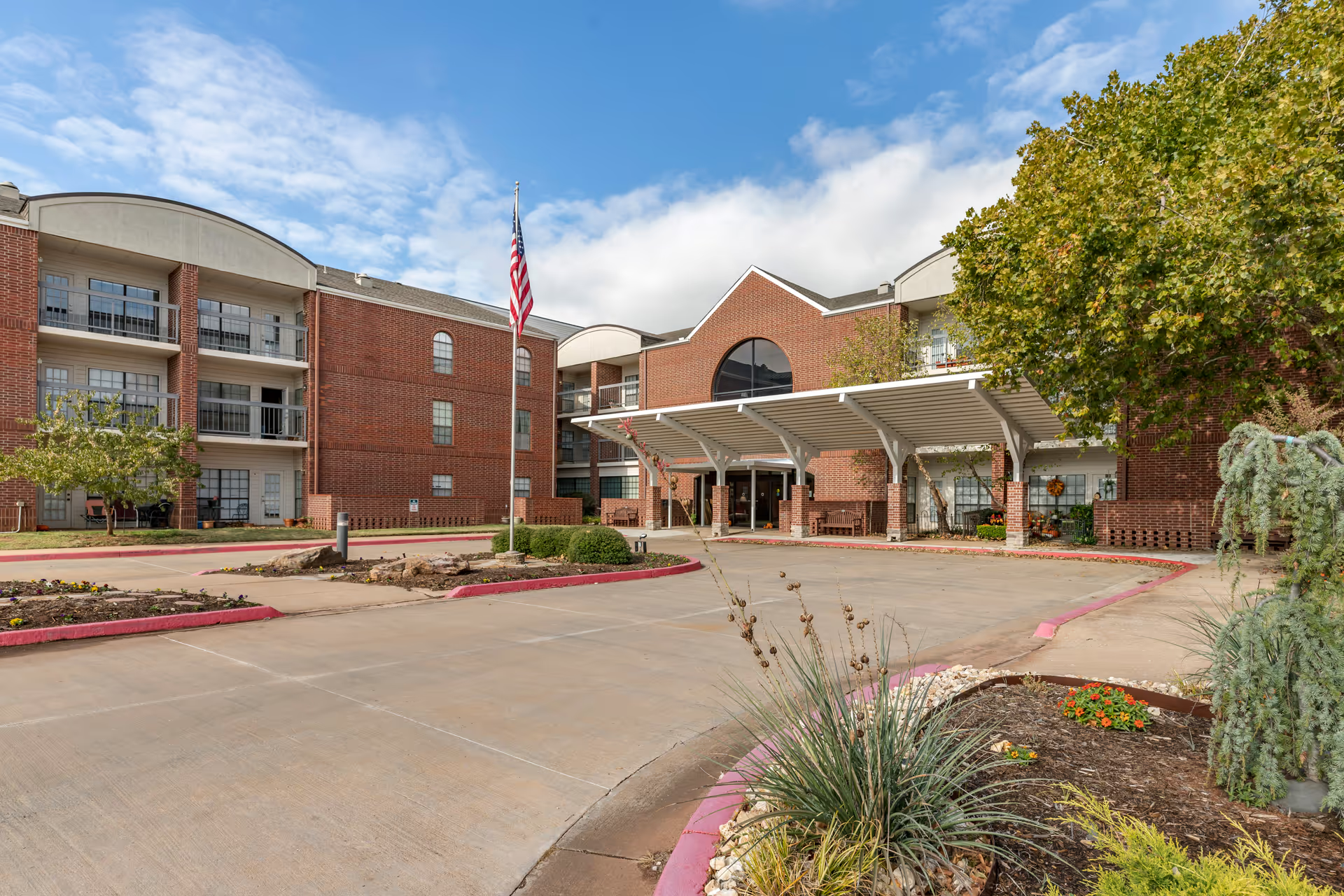
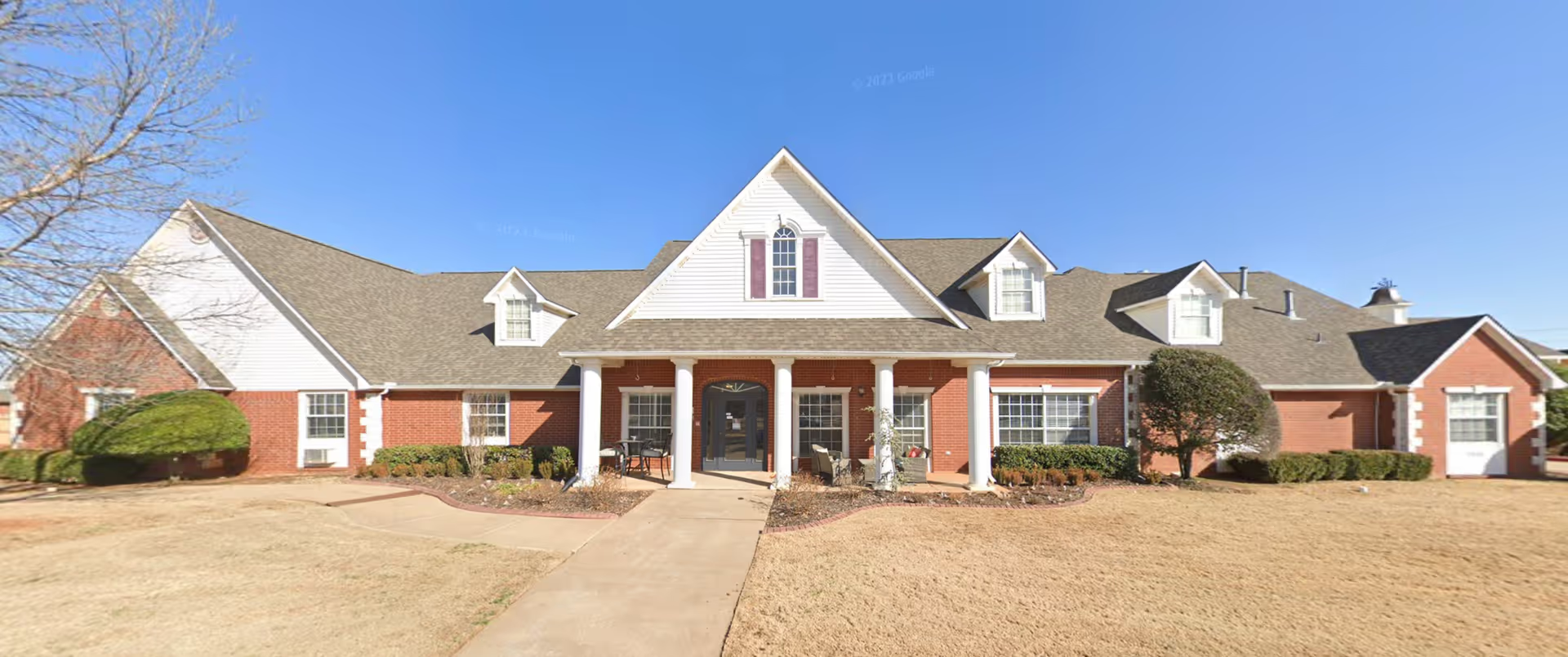
Baptist Village of Oklahoma City presents a mixed but largely positive profile. The campus includes both older and brand-new buildings, offering a wide range of apartment sizes and price points along with multiple packaged care options. The newer wing is frequently described as modern, clean, and configured into small "neighborhoods" with in-unit kitchens and eat-in bars; it also provides private rooms with en-suite baths, accessible outdoor spaces, a chapel, and an indoor pool. The older building offers more apartment variety and potentially lower-cost options, though room condition and decor appear variable between wings.
Clinical care and rehabilitation are among the facility's strongest aspects. Families and former residents commonly praise the nursing staff, therapists (physical, occupational, and speech), and attending physicians for attentive, knowledgeable care and focused rehab programs. Multiple accounts highlight effective stroke recovery and comprehensive therapy services with several daily rehab sessions. Staff are frequently described as compassionate and familial in their approach, and facilities cite strong hospice support when appropriate. Maintenance and administrative staff are often noted as responsive and mission-driven.
Dining and daily-living services are offered with a degree of flexibility: options include on-site dining areas, banquet-style dining spaces, in-room meal delivery, a beauty shop, scheduled transportation, and laundry services. However, several families noted that meal availability can be sign-up dependent and not always included in every care package, creating potential continuity issues if sign-up is missed. Pricing and billing are generally described as convenient when all-inclusive billing is selected, though some residents and families considered certain levels of care to be expensive.
Activities and community life receive consistent positive comment. The community supports a range of scheduled activities (games, music groups, themed nights, and faith services), contributing to a strong sense of community and social engagement. Security features such as timed door locks were mentioned positively. That said, the quality and availability of activities may vary by unit and building.
Several operational concerns warrant attention for prospective residents and families. Reviewers describe intermittent understaffing that can lead to delays in attending to residents and occasional gaps in communication with families about clinical incidents or care changes. Workplace culture and staff teamwork issues were also mentioned as affecting staff cooperation. There is also notable variability in room condition across the campus and in how meals are provided and billed. Finally, there are allegations of serious adverse incidents; these are significant and should prompt direct inquiry.
Recommendation: Prospective residents and families should weigh the strong clinical and rehabilitation reputation and the newer amenities against variability in room condition, meal-service logistics, and intermittent staffing/communication concerns. When touring, ask to: (1) view both older and newer-unit examples; (2) review current staffing ratios and contingency plans for busy shifts; (3) obtain written details on meal inclusion, sign-up procedures, and extra costs; (4) ask about recent clinical incidents, safety protocols, and incident-response communication practices; and (5) speak with the director of nursing and current family members when possible to get a sense of day-to-day operations and culture.