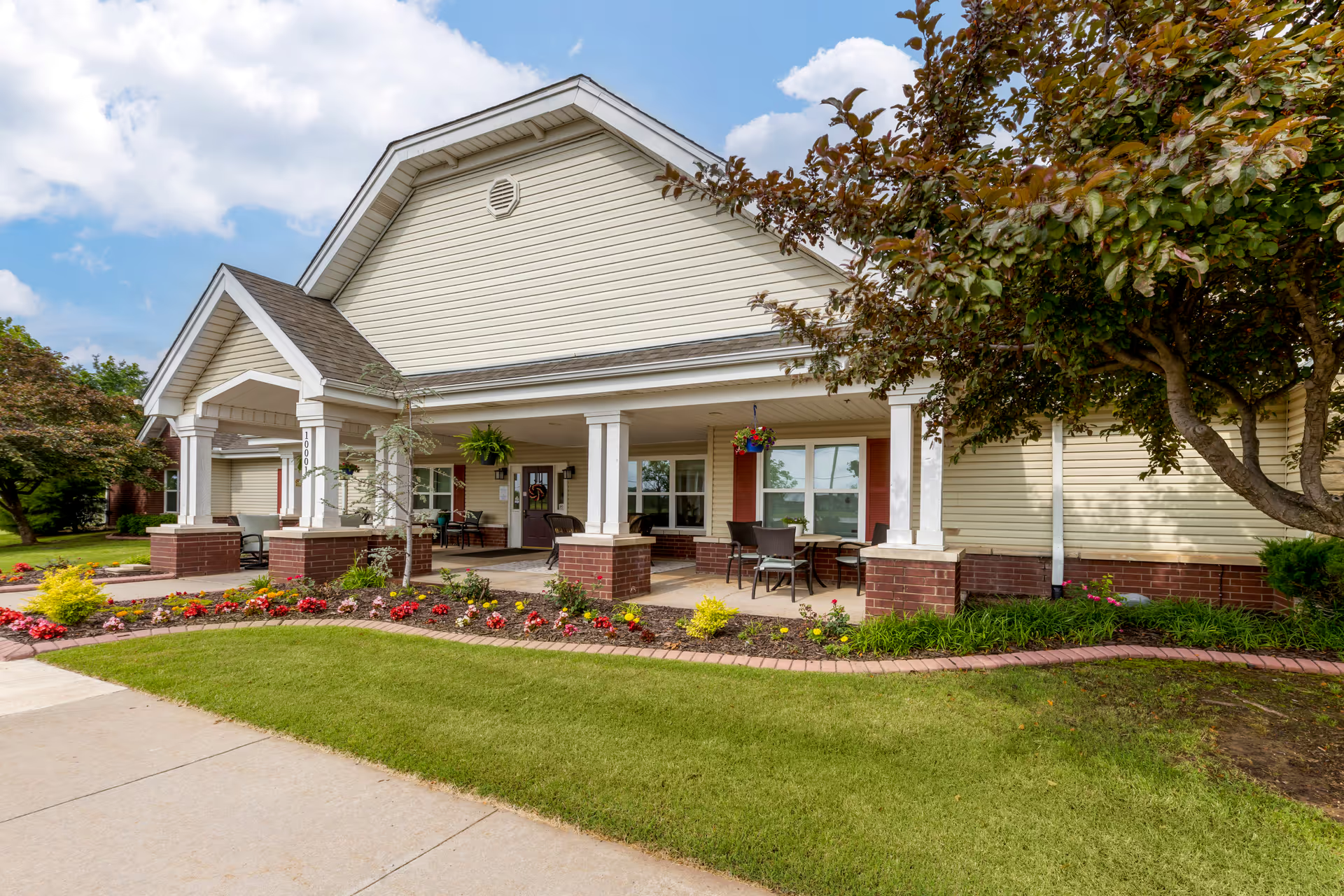
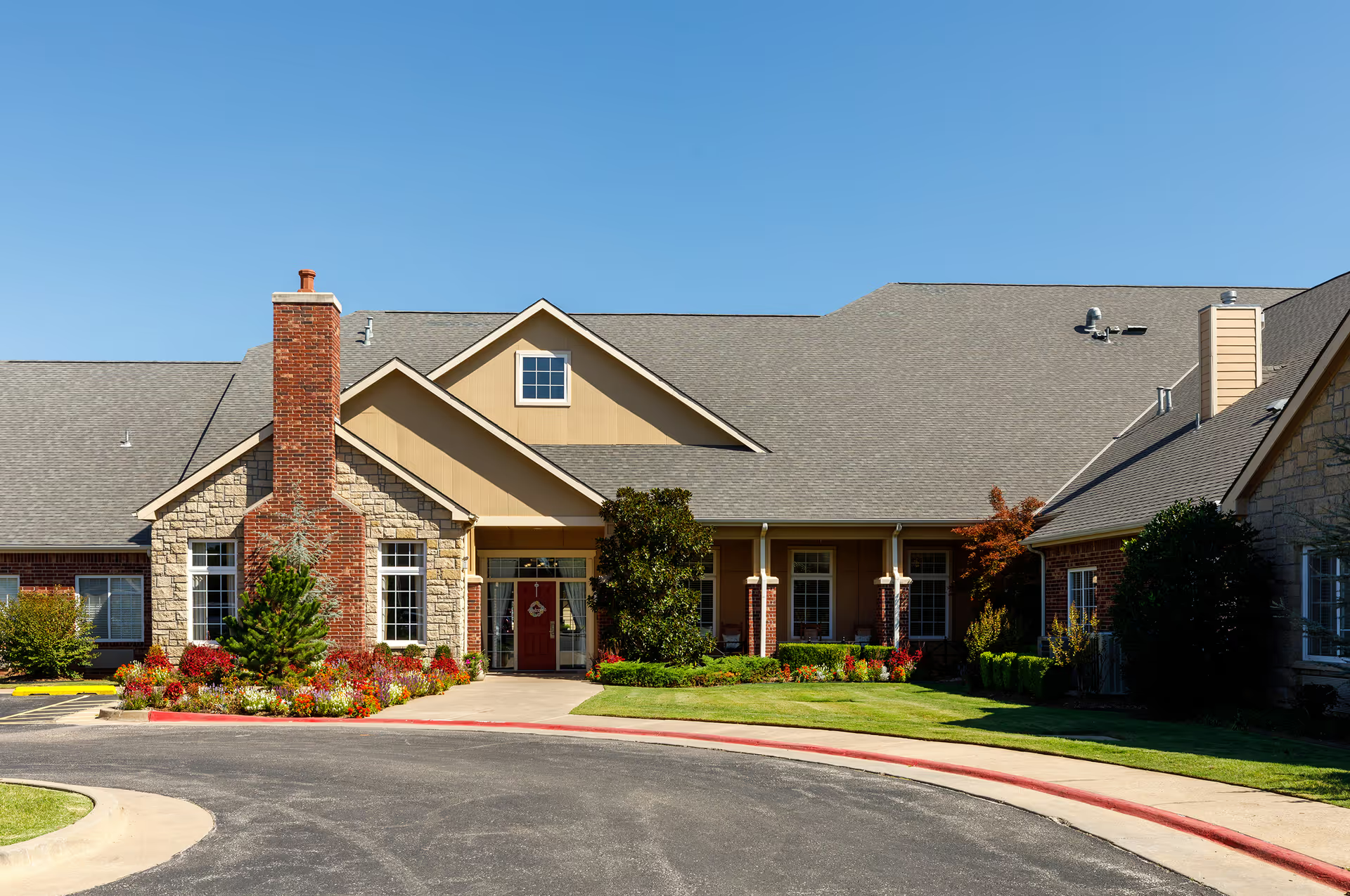
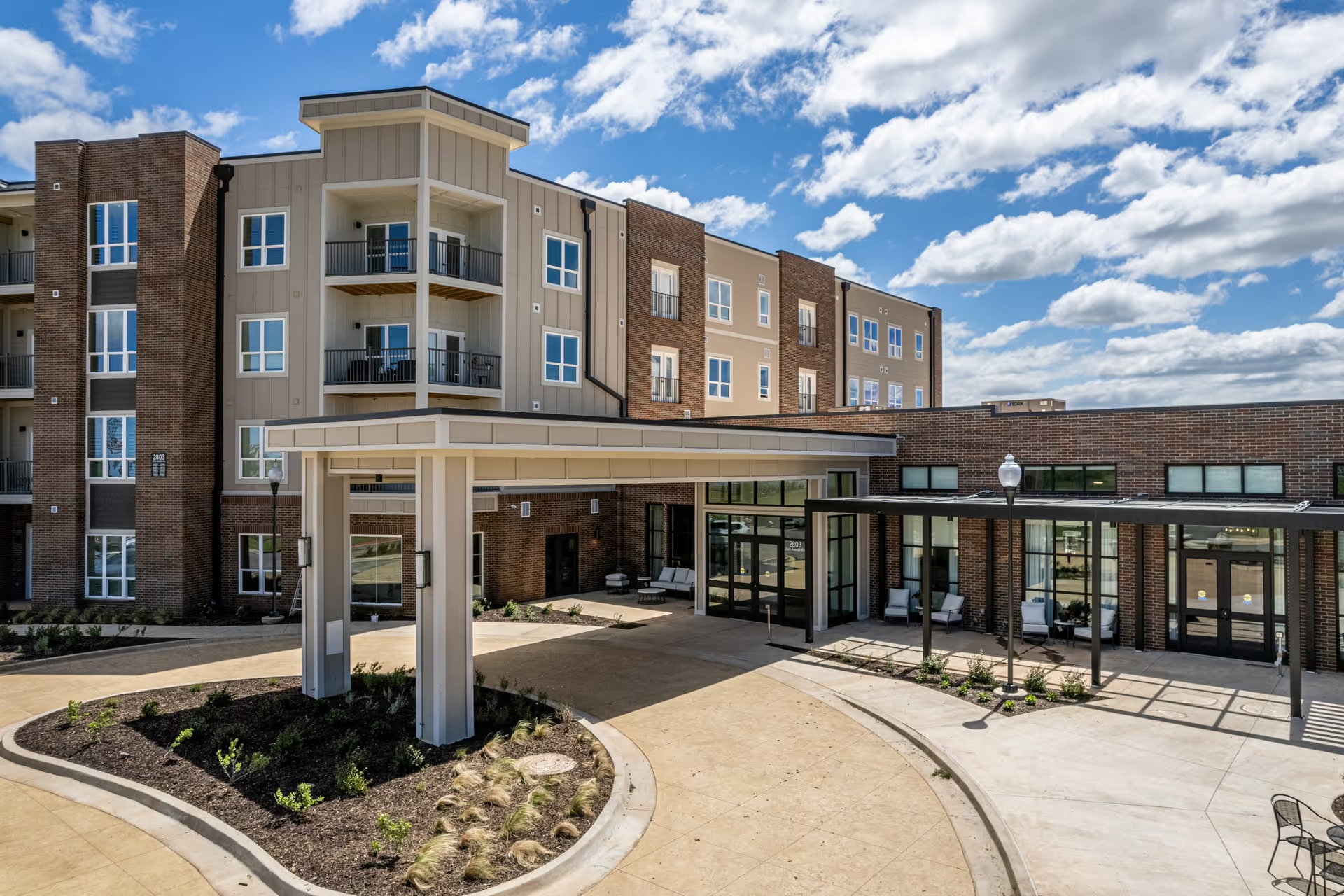
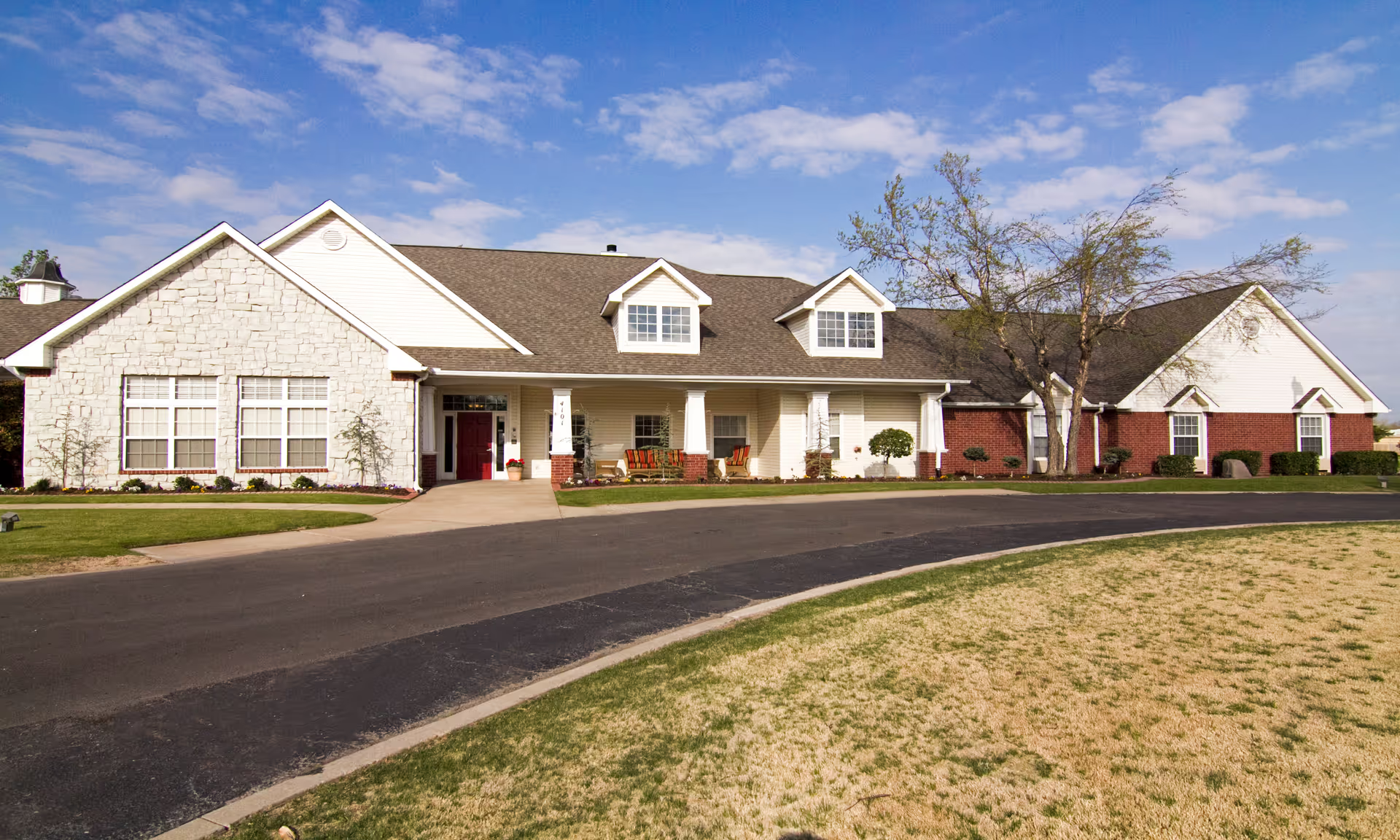
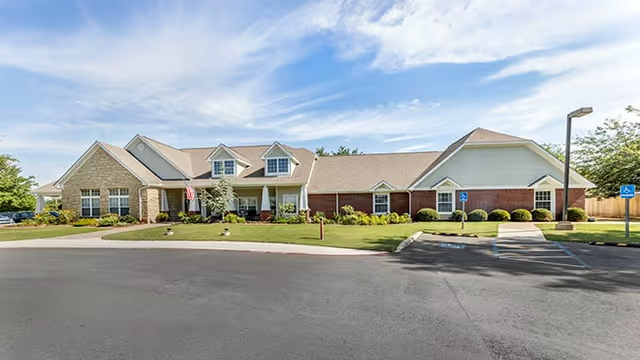
Reviews of Brookwood Skilled Nursing & Therapy describe a facility with significant variation in day-to-day experience. Several families highlight strengths: a well-regarded therapy department (PT/OT) that many credit with measurable functional gains, clinicians who provide attentive wound and IV care, and frontline aides who demonstrate compassion and hands-on assistance. The campus offers social dining, activities, and pleasant communal spaces including a garden and library; some units and admissions staff receive repeated praise for creating a welcoming transition.
At the same time, a substantial and recurring theme is operational inconsistency. Chronic understaffing is frequently described as the driver behind long call-light response times, delayed personal care (including limited showering and slow diaper changes), and family members needing to fill gaps. Night and weekend coverage is often characterized as thinner and slower. Medication-management issues appear across multiple accounts — late, missed, or incorrectly administered medications — creating safety concerns and eroding family trust. Safety practices linked to transfers and fall prevention are also an area of concern, with several accounts describing falls and insufficient fall-precaution measures.
Dining and housekeeping feedback is mixed: some reviewers praise meals and the dining atmosphere, while others describe repeated cold or delayed trays, inconsistent meal delivery to rooms, and canned or reheated entrées. Facility cleanliness likewise varies by unit; common areas and certain units are described as clean and odor-free, whereas other rooms and service areas raise sanitation or pest-control concerns. Families also report problems with personal-property handling, including missing items and unclear inventory processes.
Management and communication patterns are inconsistent. While some administrators and specific staff members are noted for responsiveness and efforts to improve, others are viewed as unresponsive or failing to follow through on concerns. Complaints about billing, vaccine documentation, discharge coordination, and after-hours contact add to family frustration. Notably, reviewers often identify particular staff members by name as exemplars of quality care, suggesting that experience is highly dependent on unit assignment and individual caregivers.
Notable patterns for prospective families: therapy services are a relative strength and may justify consideration for short-term rehab placements, but nursing availability, medication safety, and consistent personal-care practices should be explored during any visit. Ask about staffing ratios by shift, call-light response metrics, fall-prevention protocols, infection-control policies, property-inventory procedures, and the facility’s process for escalation and family communication. An in-person tour that includes the unit where a resident will be located, conversations with therapy and nursing leadership, and verification of written policies (medication administration, infection control, and property safekeeping) will help clarify whether the facility’s strengths align with an individual resident’s needs.