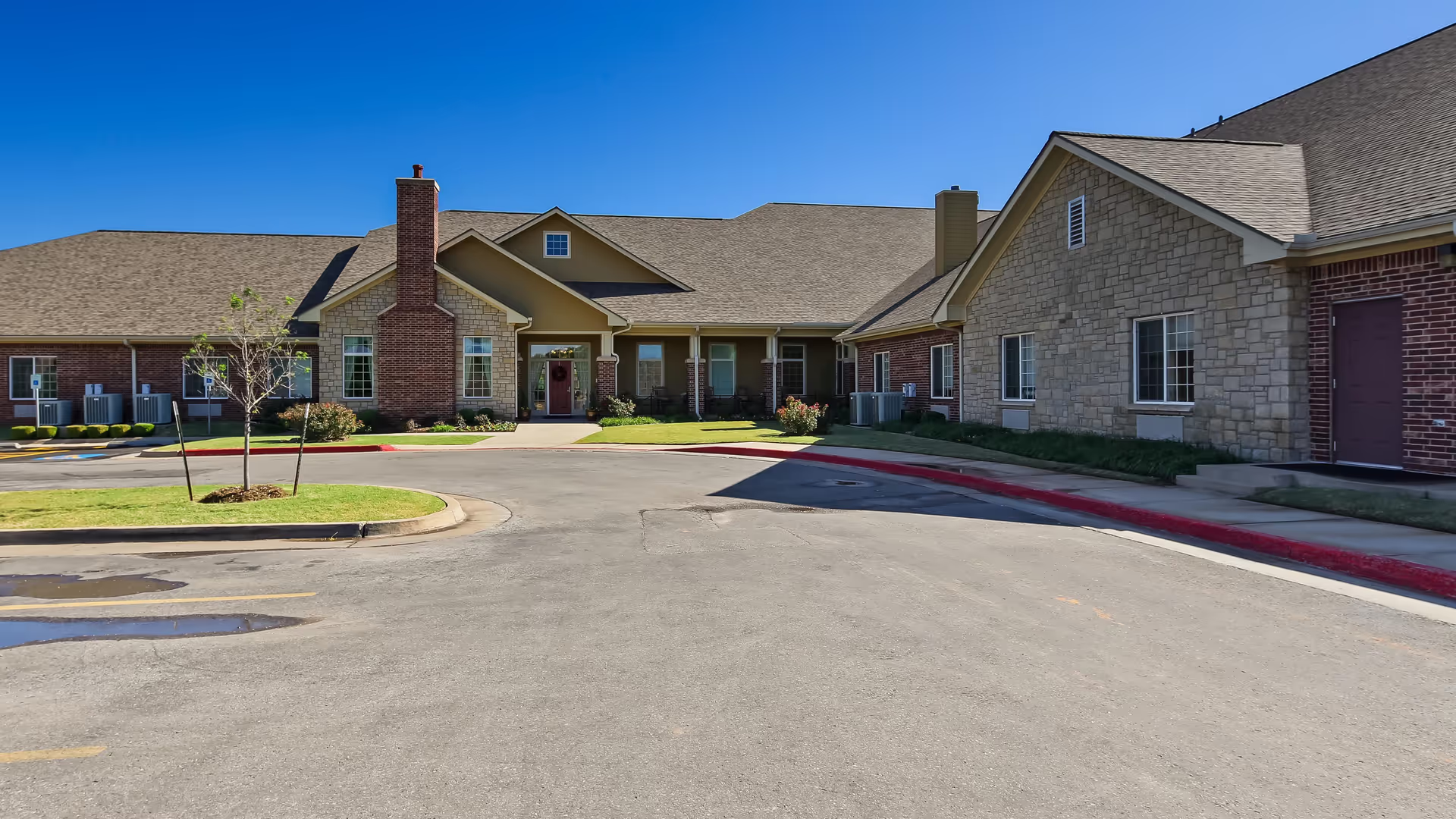
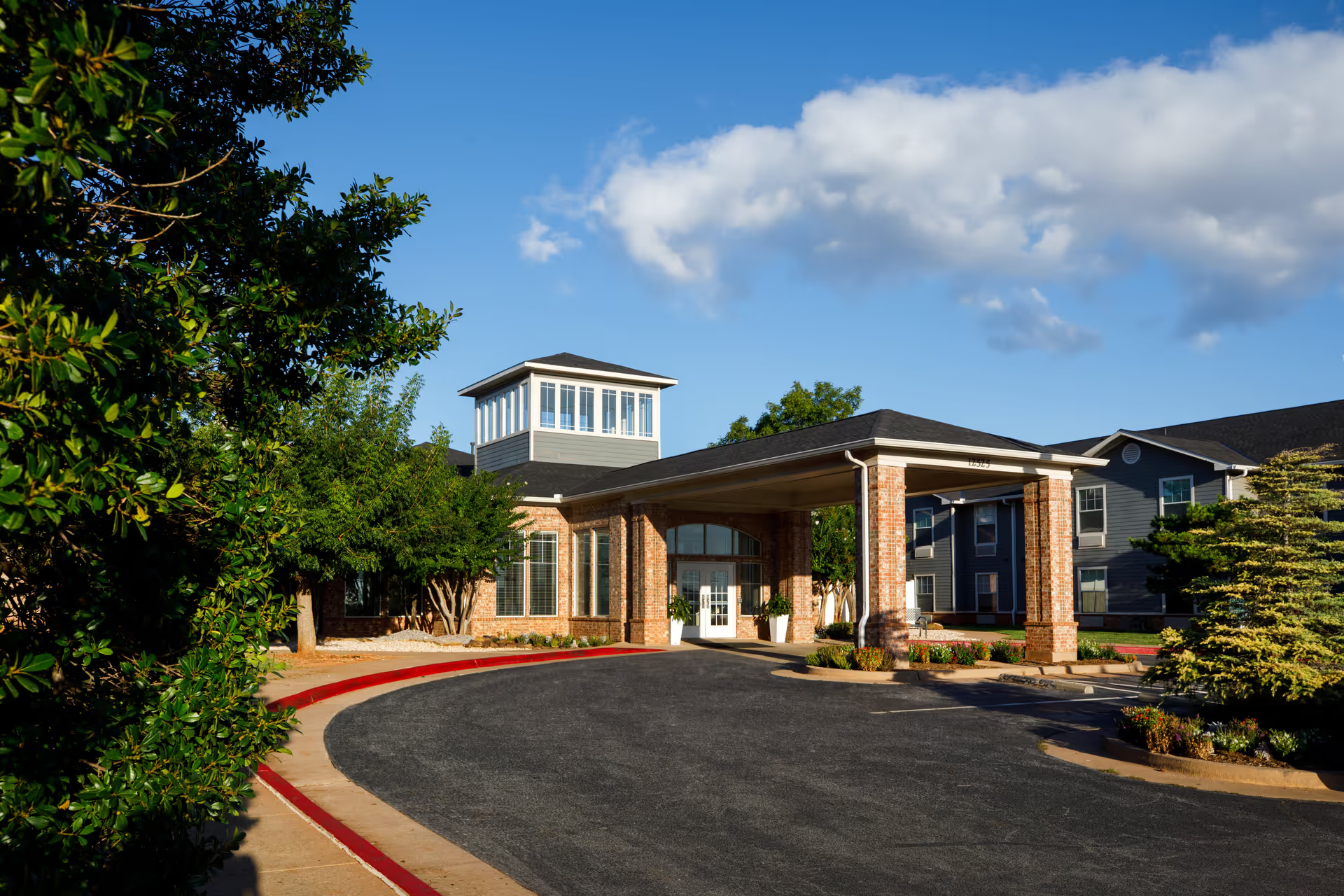
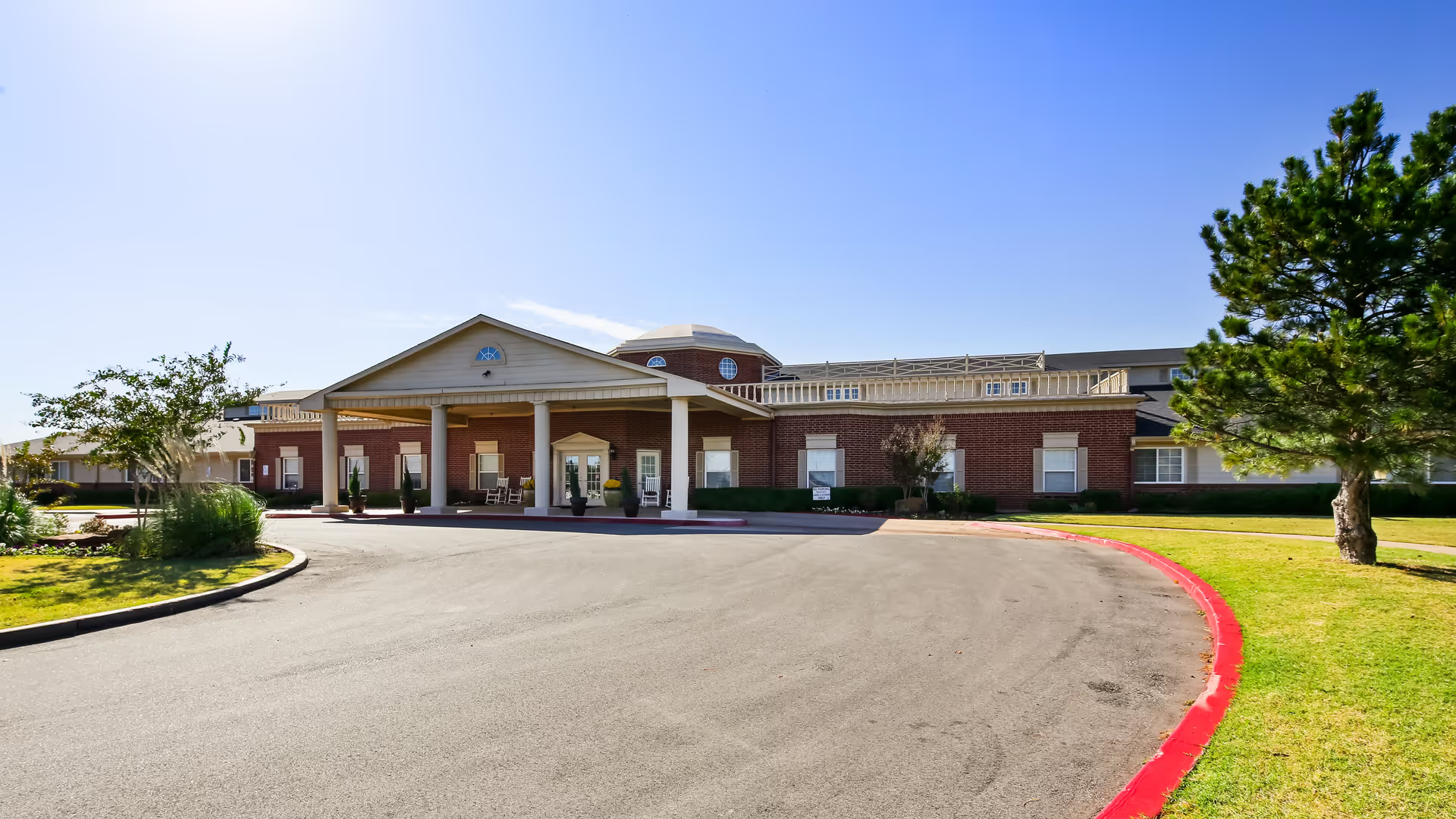
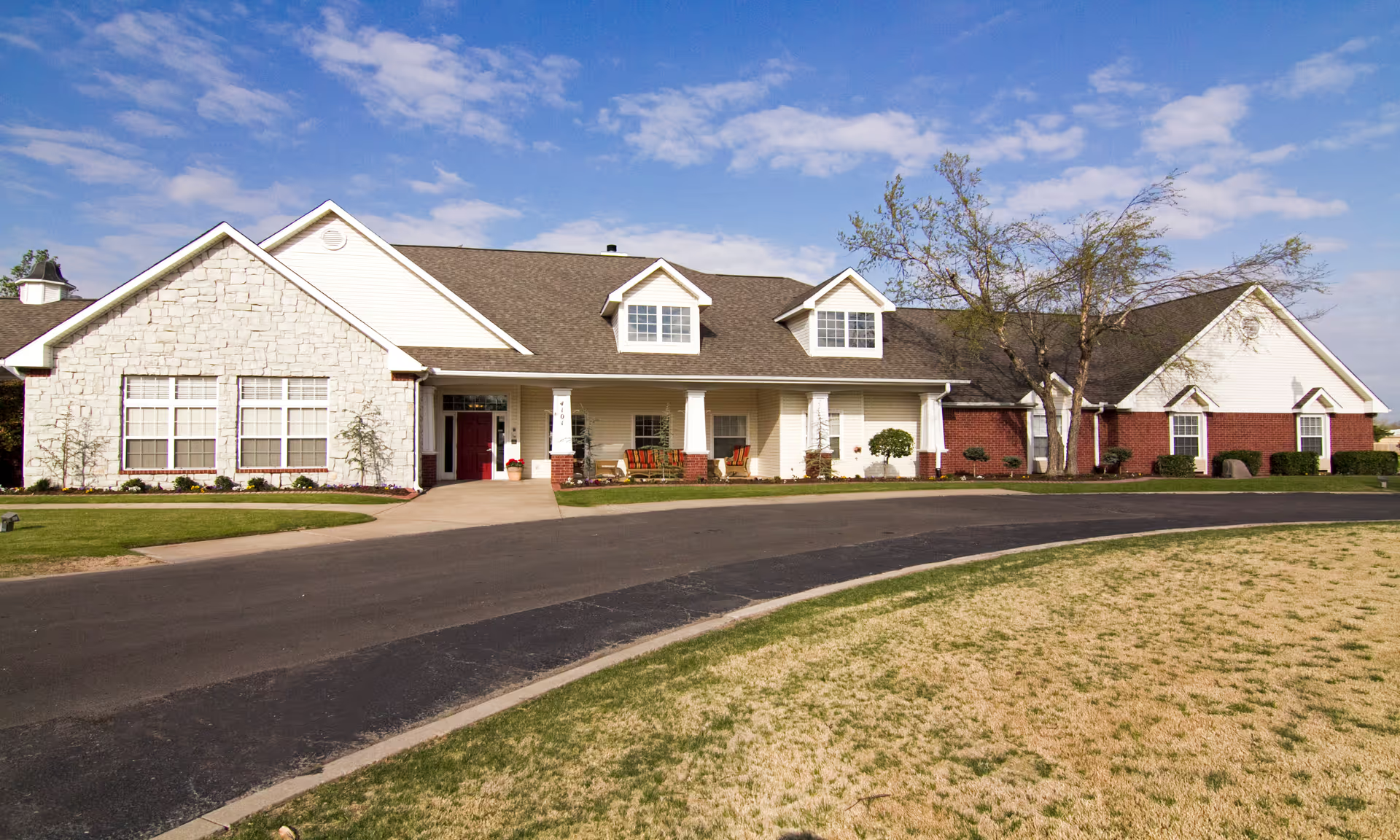
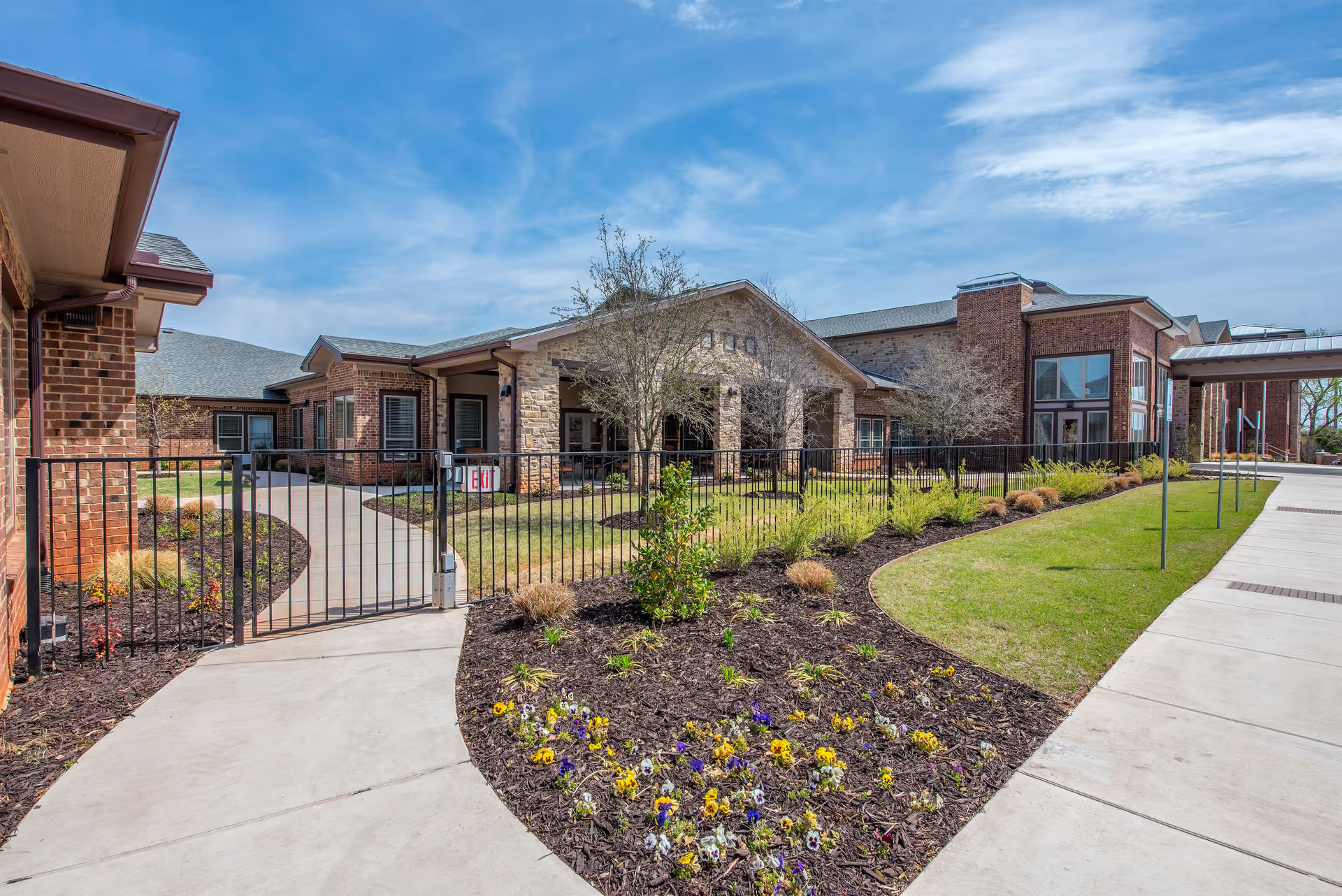
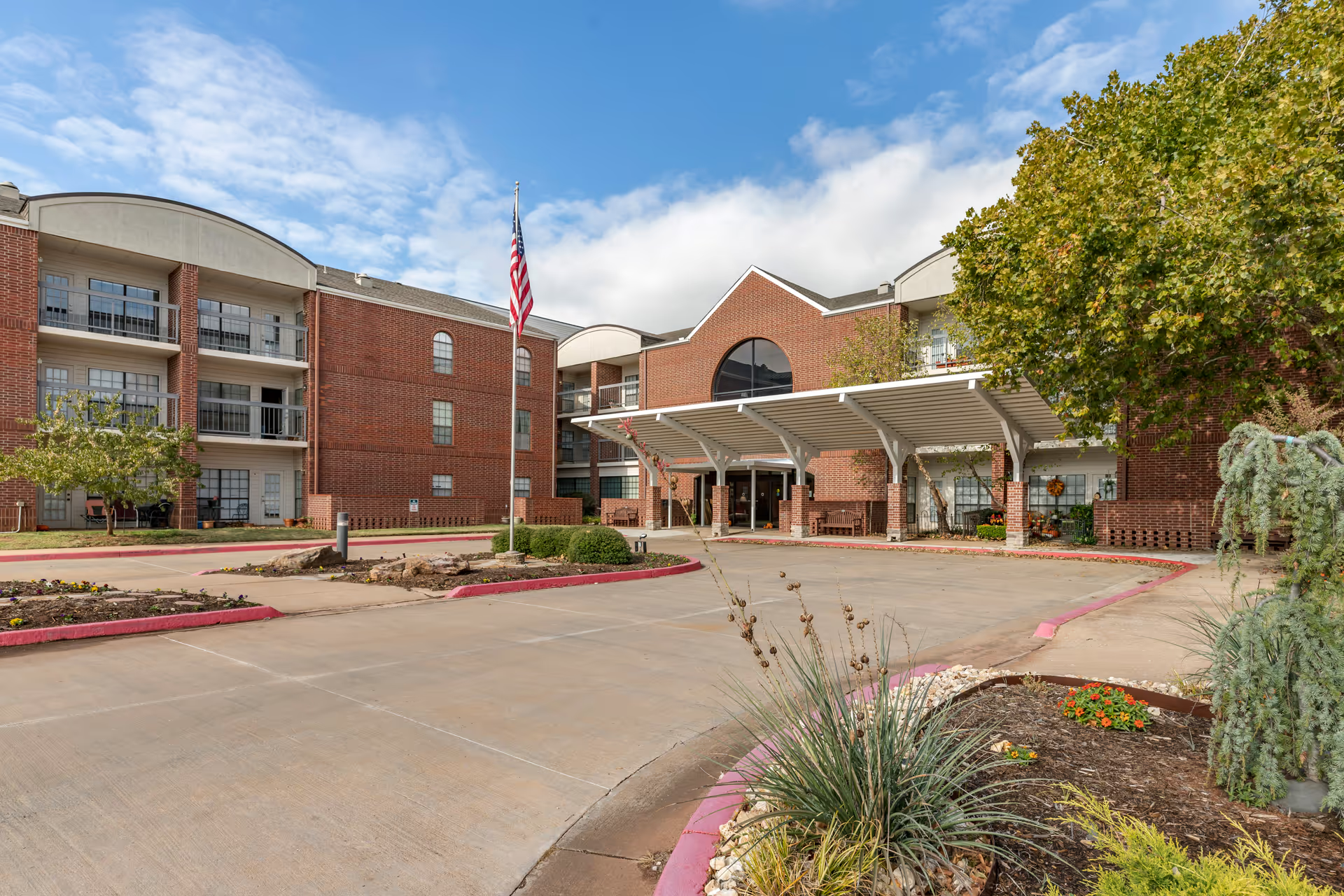
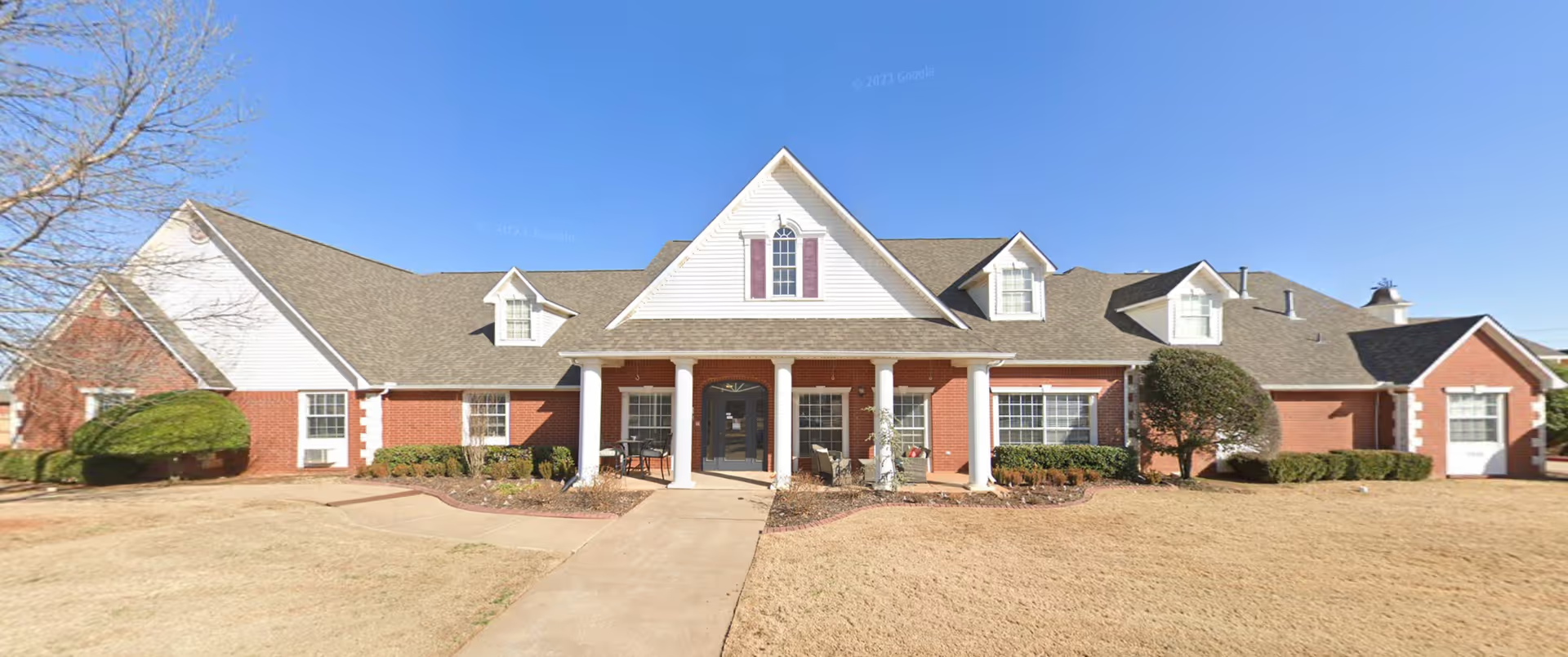
Iris Memory Care of NW Oklahoma City presents a mixed but instructive picture for families evaluating memory-care options. The facility is frequently described as newly renovated, bright, and dementia-friendly: spaces are updated, rooms are spacious with large windows and courtyard views, and the small-household design and installed safety features (including mechanical lifts) support a memory-care environment. Many families praised the move-in experience, hospice accommodations when needed, and visible cleanliness in common areas.
Programming and daily life receive considerable positive feedback. Reviewers consistently identify an active, creative activities program led by a well-regarded activities director; residents have access to a variety of memory-focused and social activities, family events, and photo/communication updates. Several families appreciated monthly support resources and proactive communication channels that keep relatives informed about resident life.
Care quality and staffing are where opinions diverge. Numerous accounts commend individual caregivers and nurses as caring, attentive, and communicative; staff continuity and positive company culture were cited as strengths in some reports. At the same time, other families described operational weaknesses: inconsistent staffing levels (notably on nights and weekends), variable staff conduct and tone, and gaps in supervision that have been associated with falls and unassisted transfers. There are also recurring concerns about medication management and pharmacy coordination, including missed or delayed administrations and high prescription costs. These clinical and safety-related patterns suggest variability in how consistently clinical protocols are executed.
Dining and housekeeping impressions are mixed. Several reviewers praised meals, describing them as appetizing and well-presented; others raised concerns about meal consistency and kitchen staffing early on. Housekeeping and personal-belongings management were also uneven in accounts — while common areas were often described as clean, some families noted irregular room cleaning and problems tracking clothing and small items.
Management and leadership are presented in both positive and cautionary terms. Many families found administration accessible, responsive, and supportive, with examples of effective communication and rapid follow-up. Conversely, some reviewers described uneven managerial involvement, turnover, or communication tone from certain leaders, and expressed the perception that cosmetic improvements did not always match care-practice consistency. Concerns about pharmacy billing and prescription cost transparency were also raised.
Bottom line: Iris NW offers clear strengths for memory-care residents — updated environment, focused programming, an engaged activities team, and many committed caregivers — but there are recurring operational challenges that prospective families should evaluate closely. Recommended next steps for families considering this community include asking for current staffing ratios across shifts, reviewing medication-management procedures and pharmacy arrangements, observing weekend and evening routines, and discussing housekeeping and belongings protocols. Visiting multiple times (including evenings or weekends) and speaking directly with the activities director and clinical leadership can help clarify whether the facility’s operational reliability matches its physical and programmatic strengths.