Reviews present a mixed but coherent picture: many families and former residents praise the facility's clinical and rehabilitative capabilities and highlight positive, personalized relationships with caregivers, while others express operational concerns related to cleanliness, responsiveness, and building upkeep.
Care and clinical outcomes: Several accounts describe attentive, individualized nursing and therapy that produced positive rehabilitation outcomes. Reviewers named specific caregivers who provided consistently competent and compassionate care. At the same time, there are documented concerns about clinical follow-through in a subset of cases — specifically gaps in timely recognition and treatment of infections and other medical issues. These concerns suggest variability in clinical monitoring and escalation processes.
Staff and communication: A frequent strength is the presence of engaged, familiar staff who know residents and families and who take a family-focused approach. Conversely, reviews indicate inconsistent staff performance and responsiveness across shifts or units. Communication lapses — both between staff and with families — are noted, including delays in addressing requests and uneven information-sharing. The pattern implies that care experience can depend substantially on which staff members are on duty and how involved families are in advocacy.
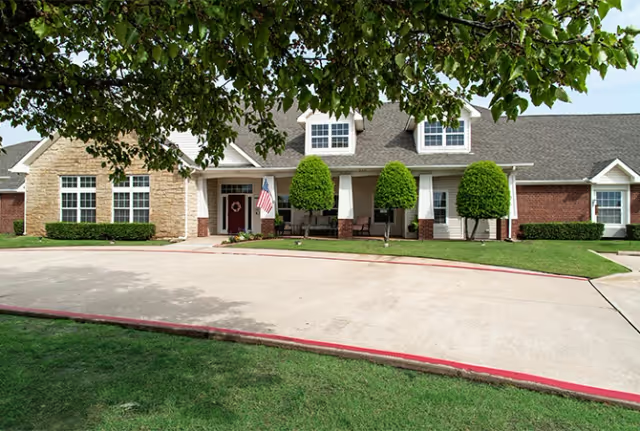
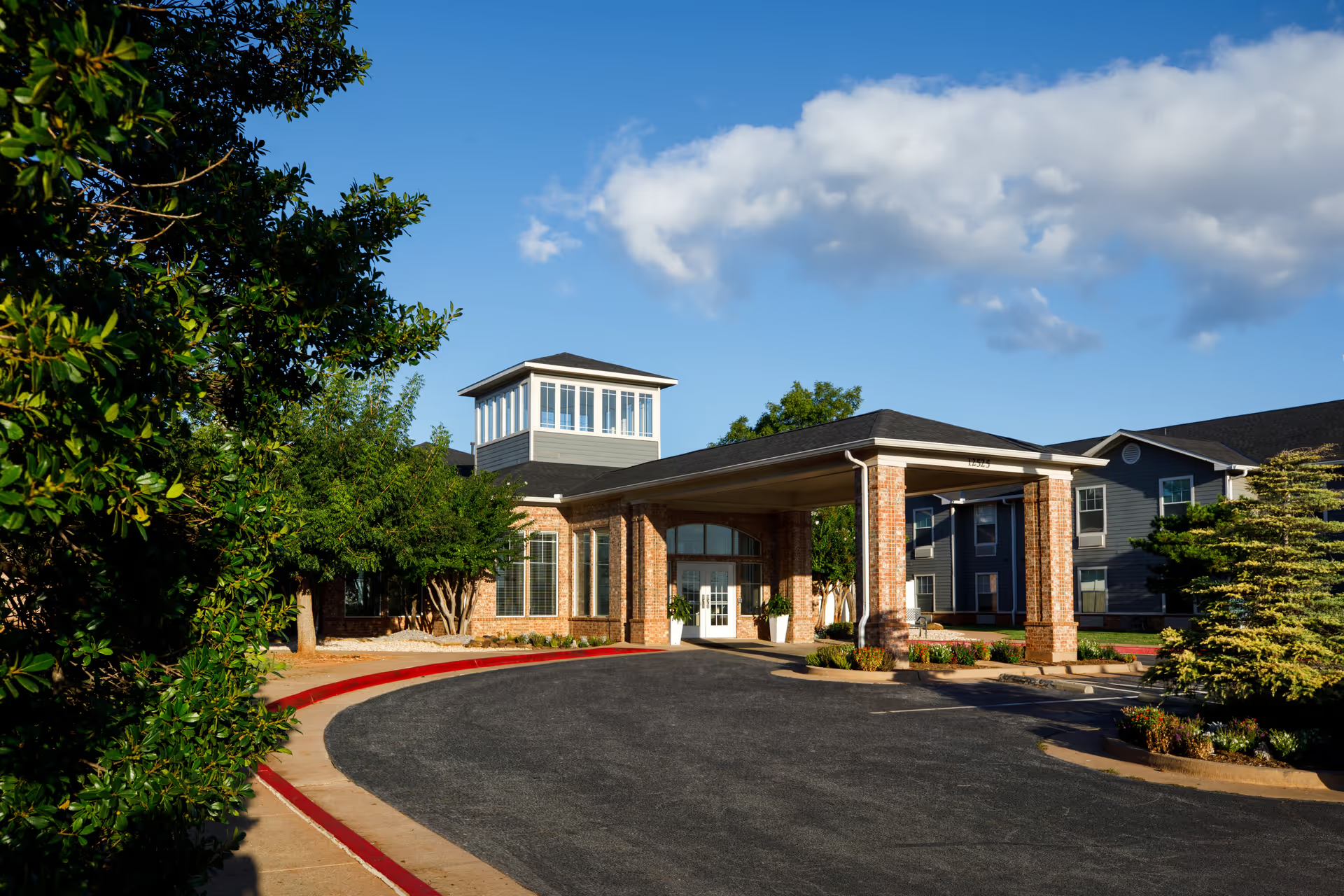
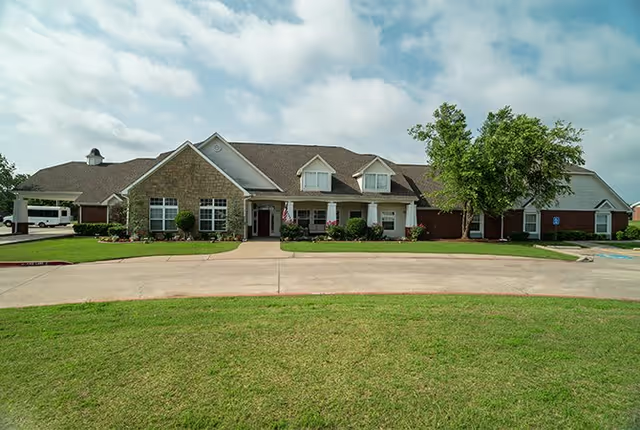
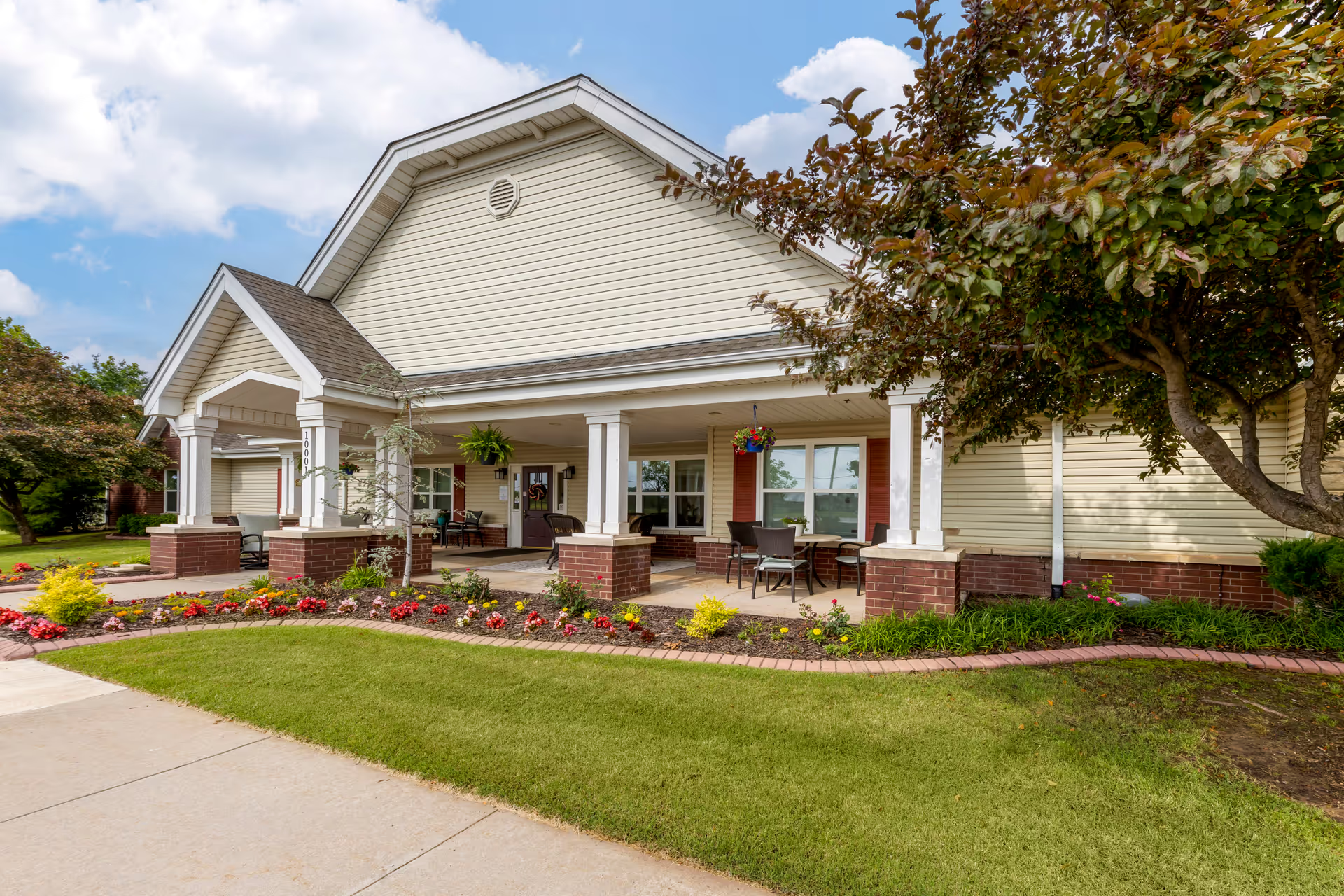
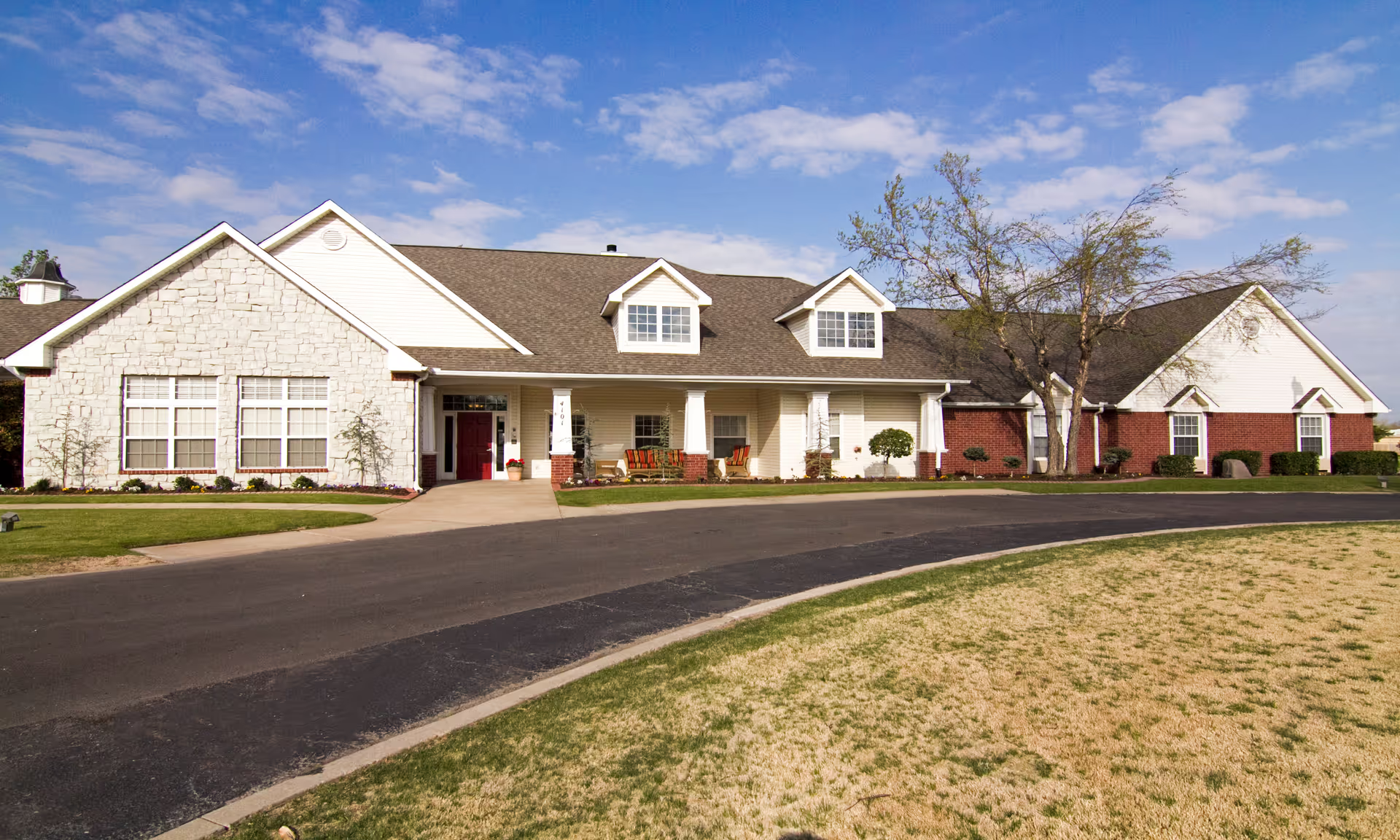
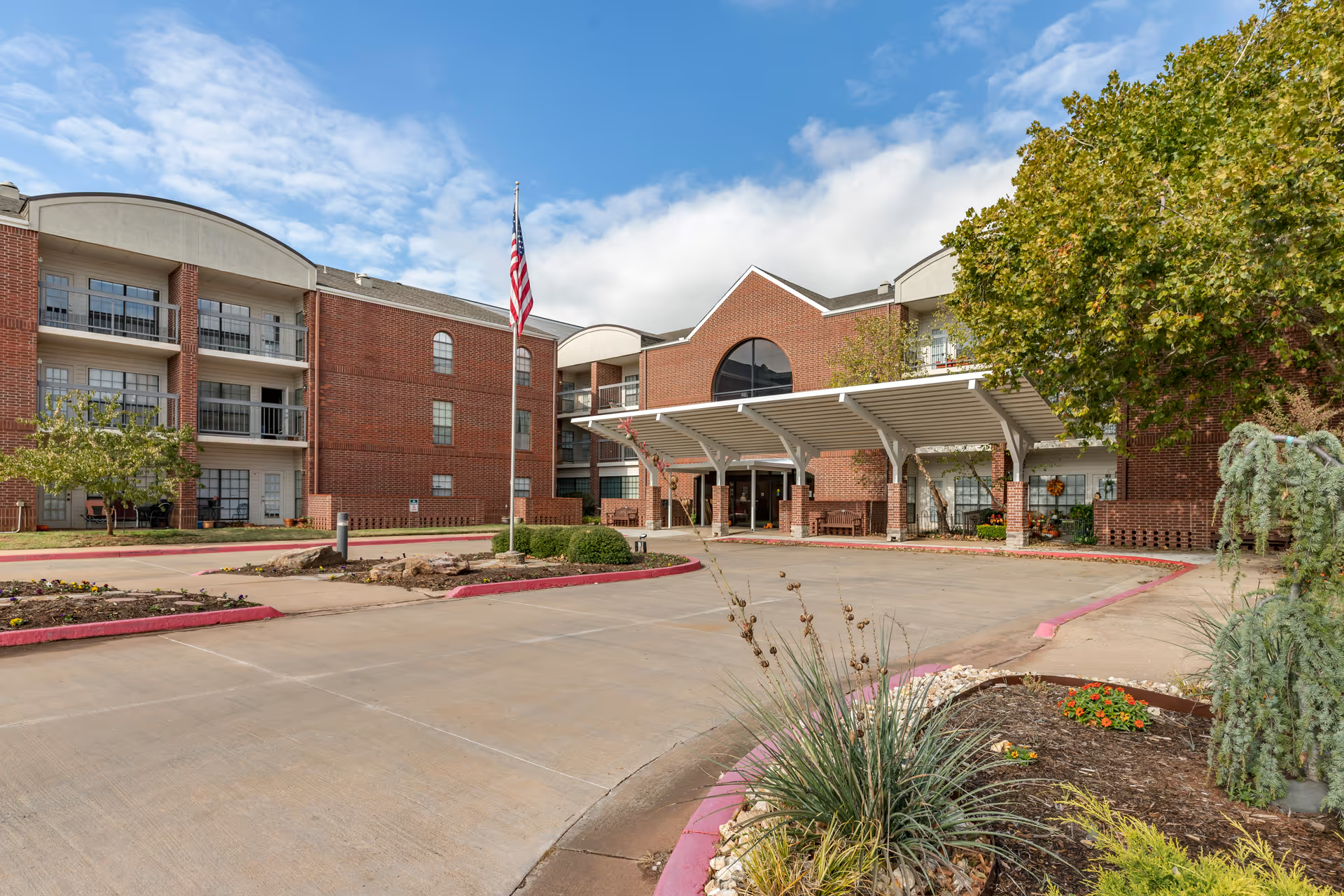
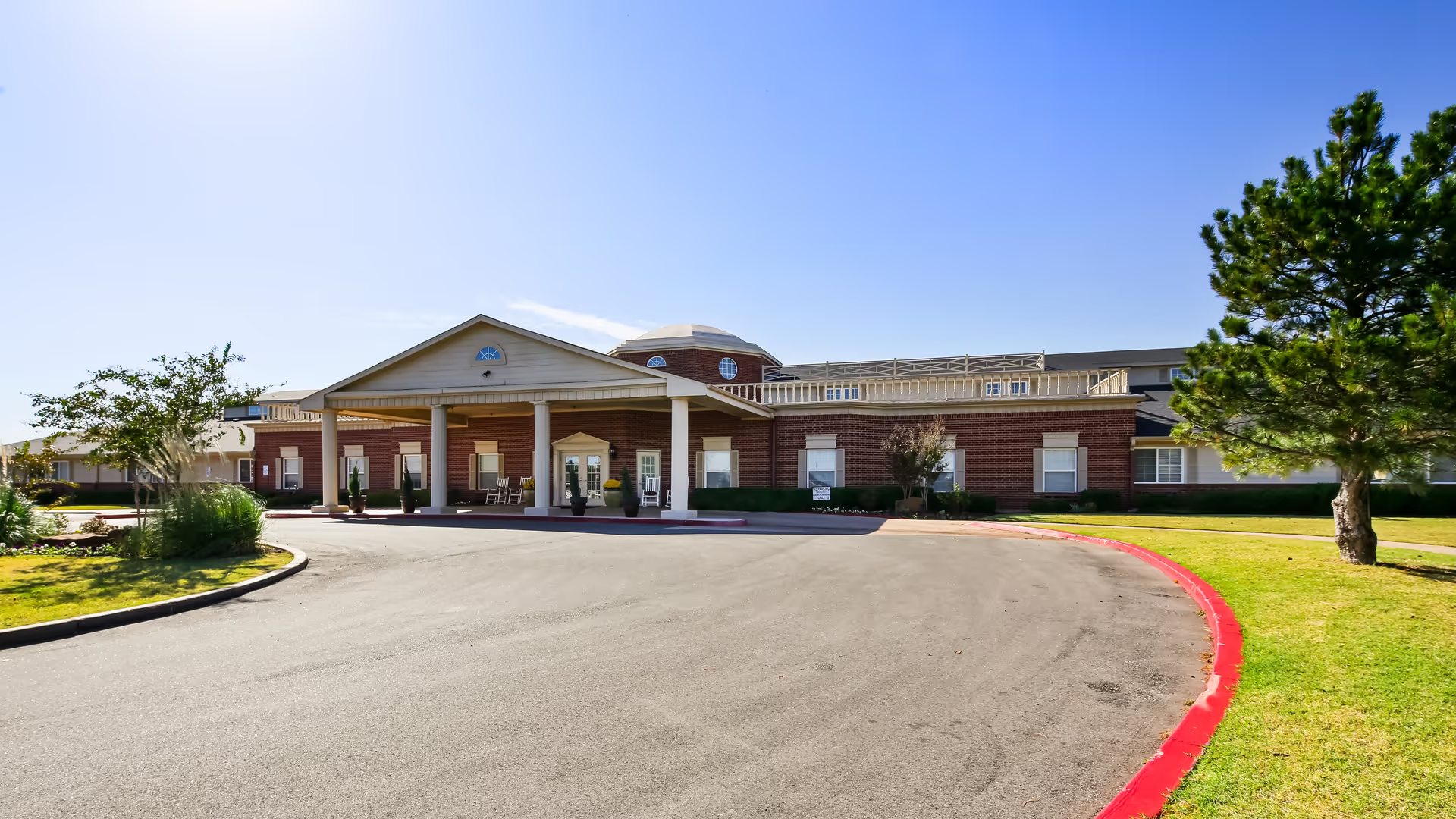
Facilities, cleanliness, and maintenance: Observations about the physical plant are polarized. Some reviewers describe clean, well-maintained interior areas and an environment that appears cared-for despite the surrounding neighborhood. Others report sanitation concerns and notable odor control issues in parts of the building, along with descriptions of areas that appear run down. These descriptions point to inconsistent facility-level housekeeping and variable effectiveness of odor-control and pest-control practices, and to potential underinvestment in capital maintenance.
Dining and activities: Reviews contain little specific information about dining quality or the activity program. One positive sign is staff involvement in improving services, which may extend to programming and resident engagement, but there is insufficient detail to draw firm conclusions about food service or activity variety.
Management and notable patterns: Several comments link operational weaknesses to facility-level management choices, including perceptions of limited corporate investment in upkeep. A recurring pattern is a polarized experience: families who are actively involved and have positive relationships with particular staff tend to report very good care, while residents with less family advocacy appear more vulnerable to the facility's operational gaps. Prospective residents and families should verify current inspection results, ask for unit-specific tours, inquire about infection-monitoring protocols, housekeeping and odor-control practices, staffing ratios by shift, and examples of recent capital improvements to form a holistic assessment.