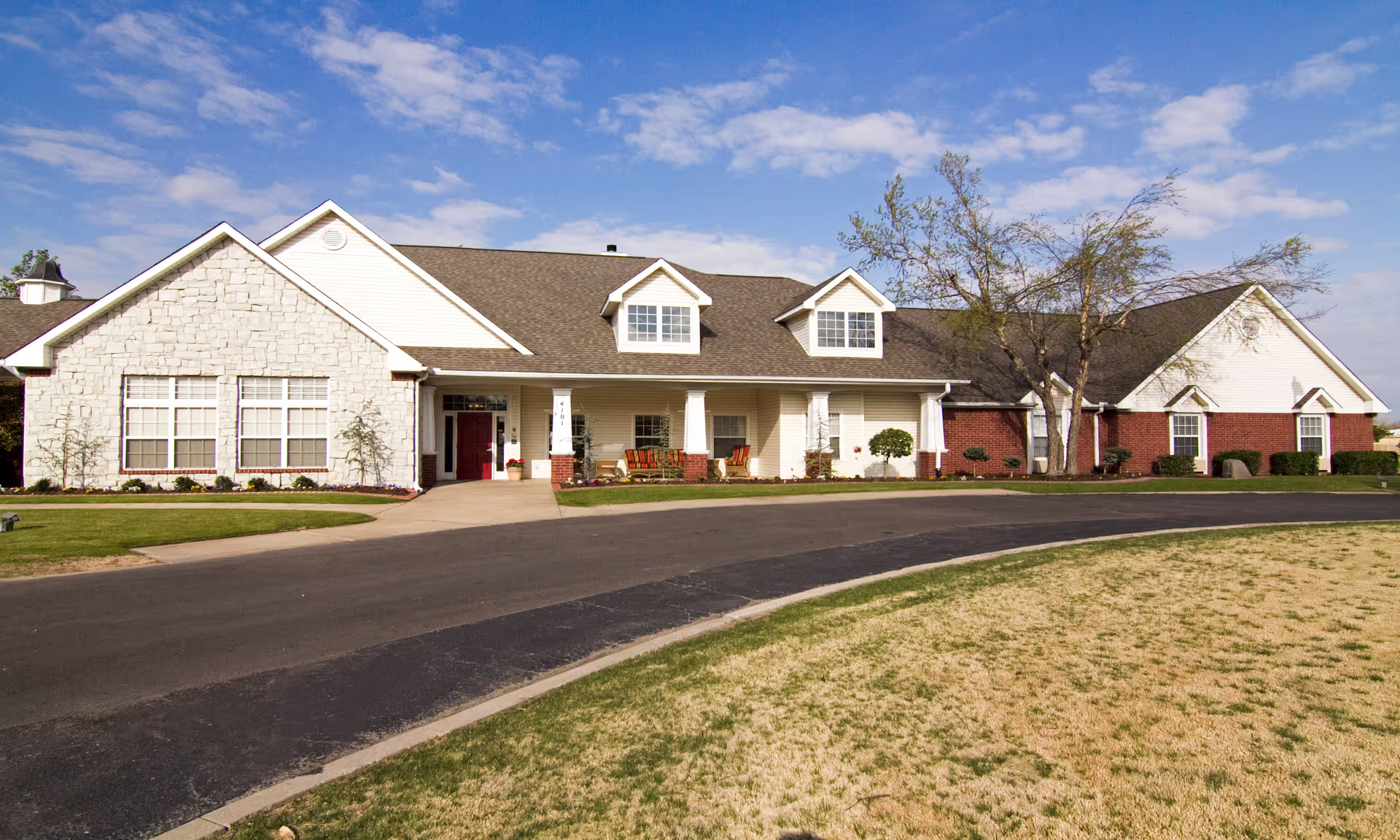
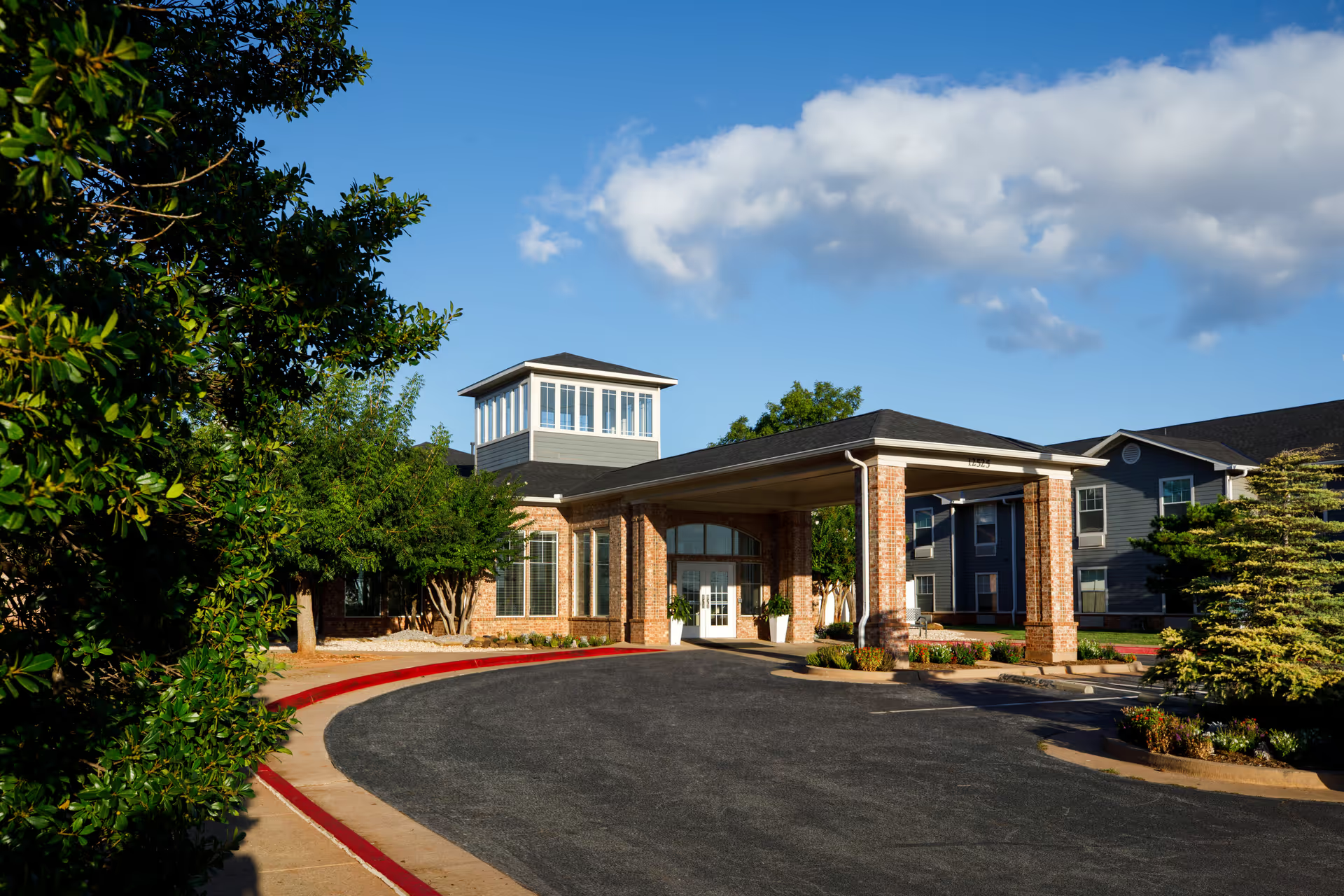
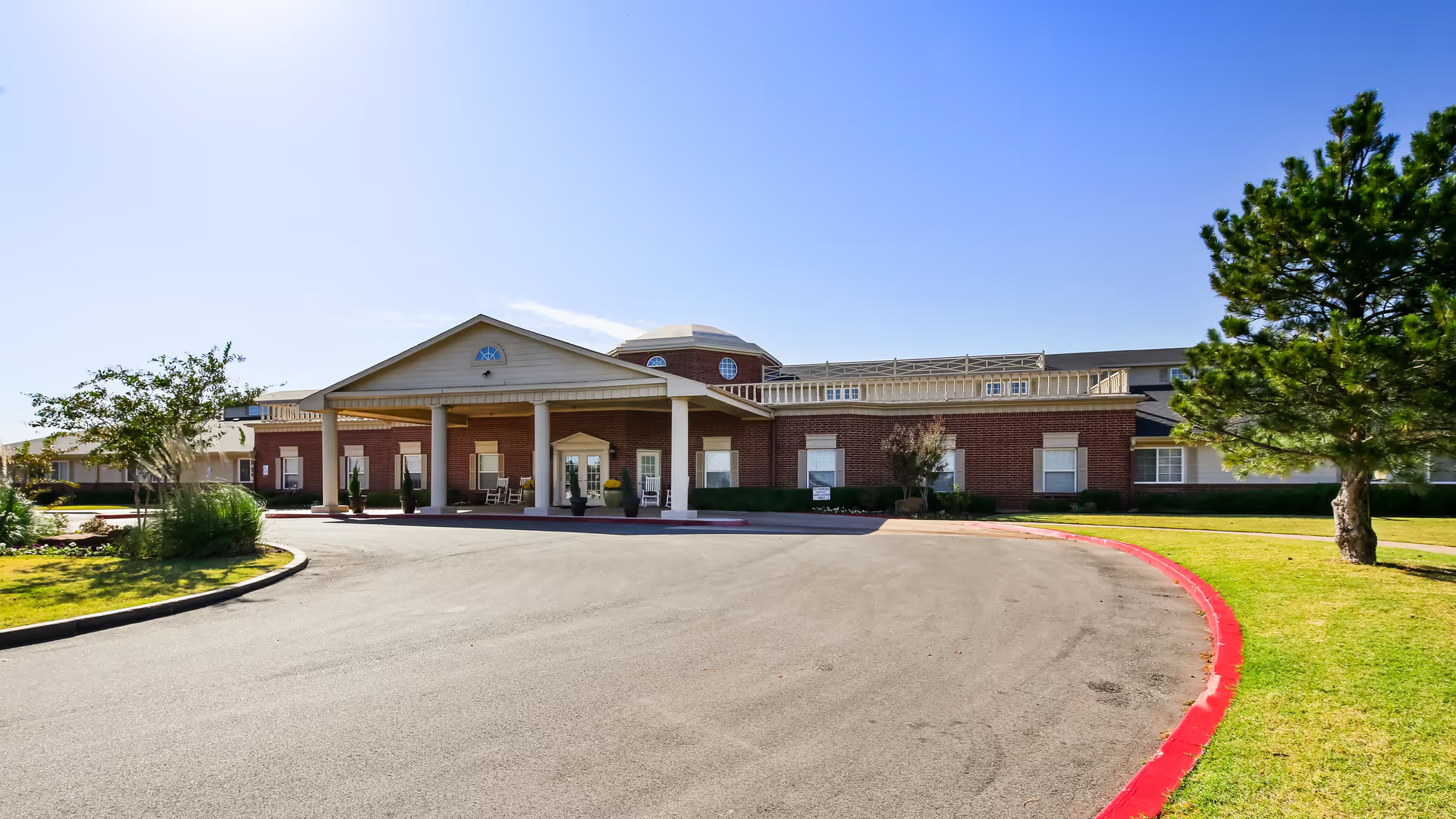
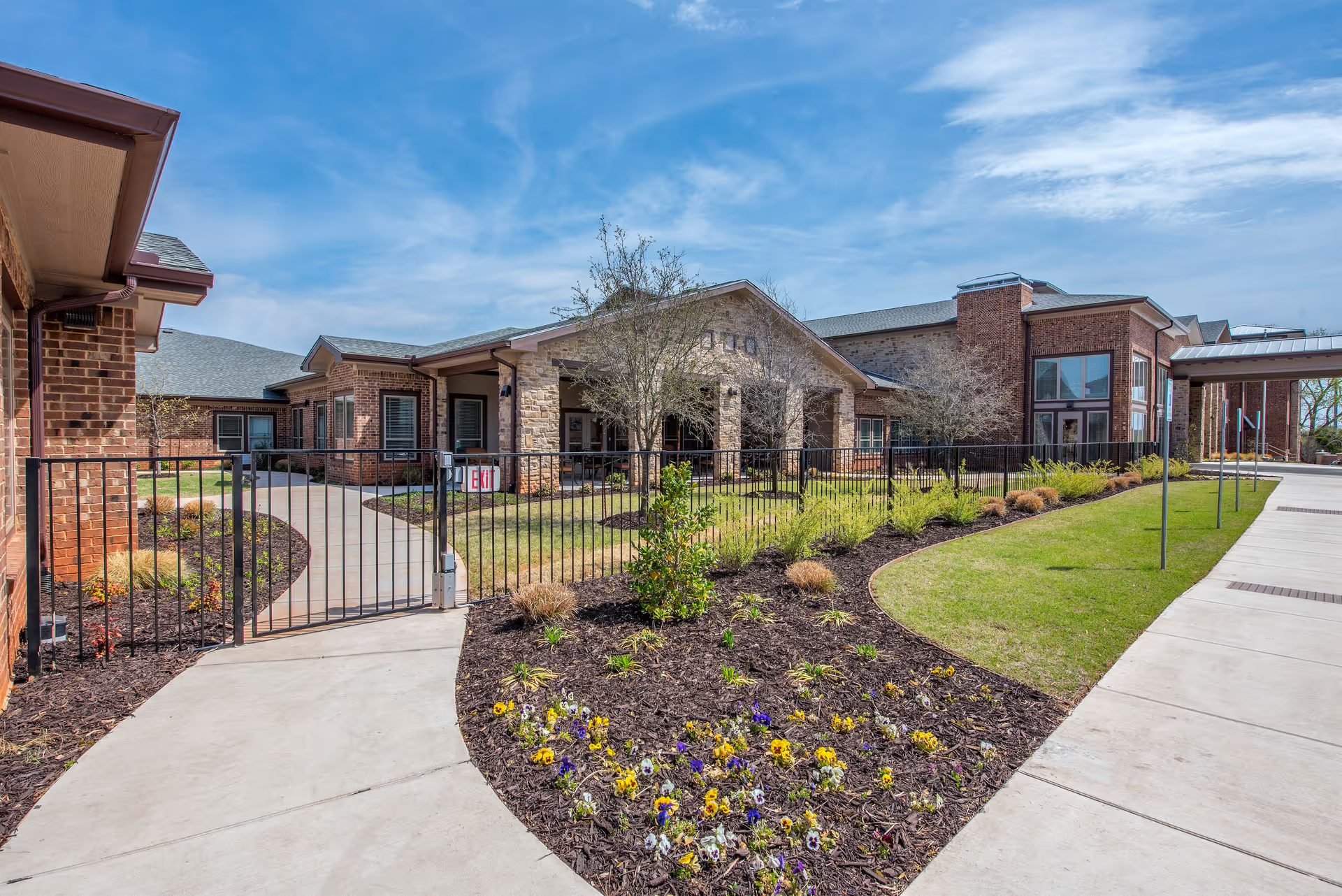
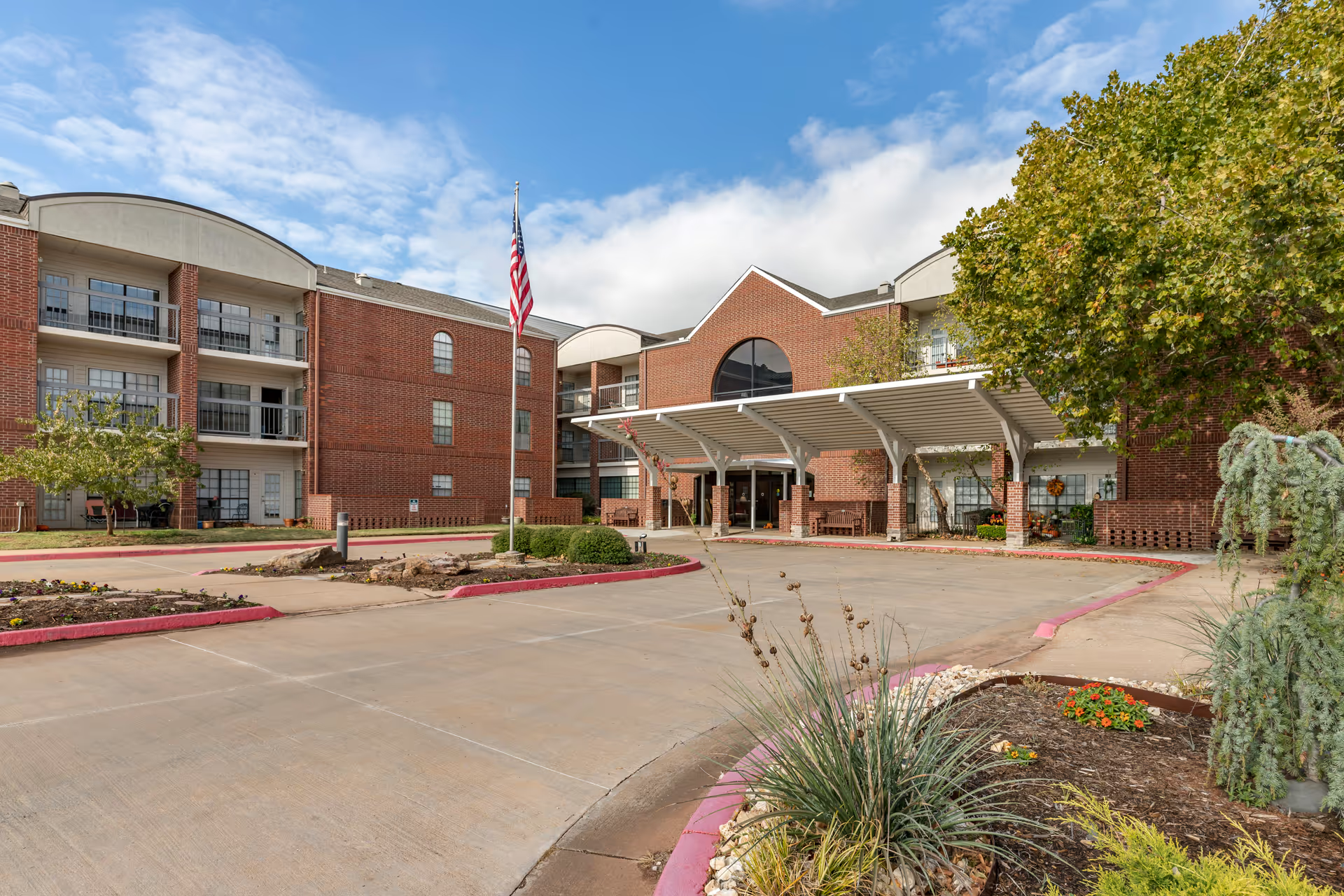
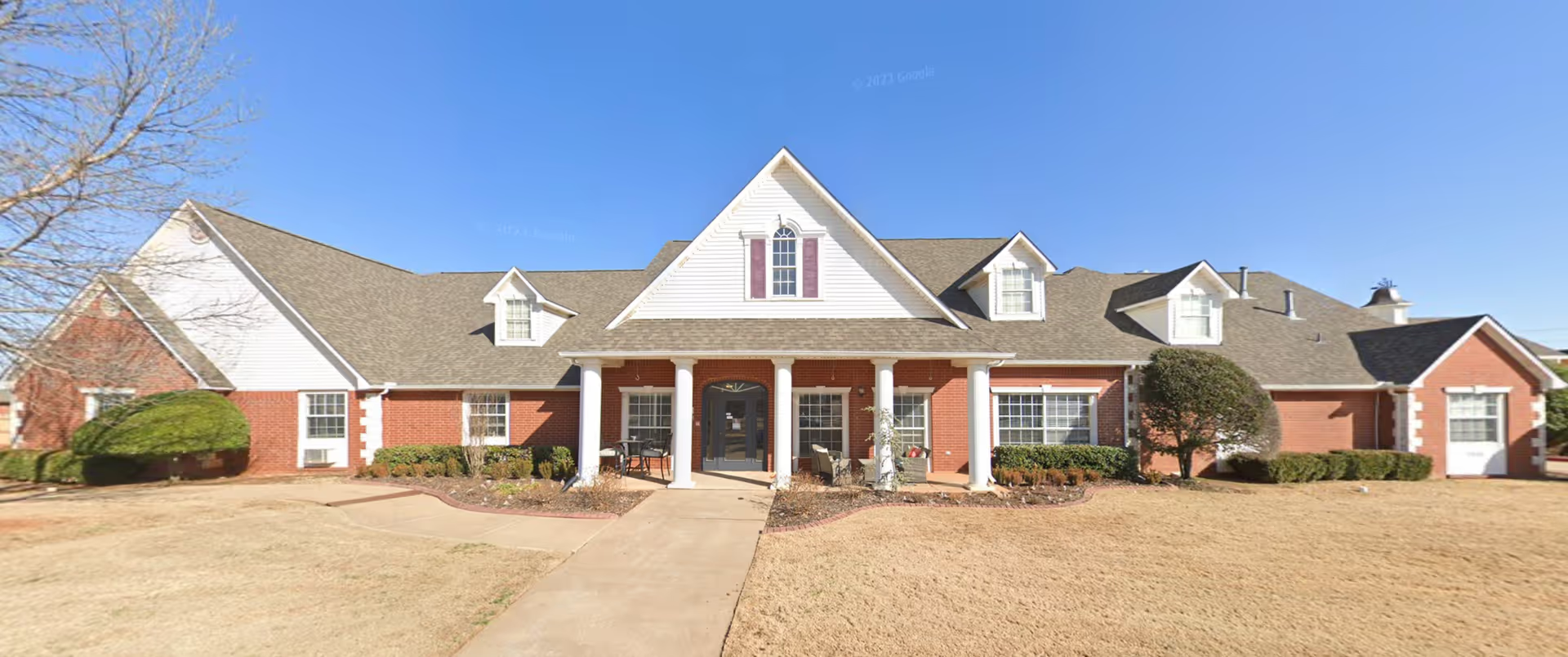
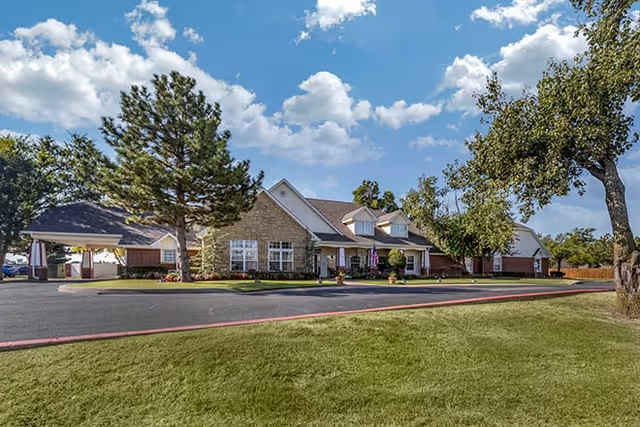
Legend at Council Road elicits strongly mixed but consistent thematic feedback. Many families and residents describe a welcoming, modern community with clean common areas, spacious apartments, a pet-friendly courtyard, and active programming. Admissions and tour experiences are frequently characterized as informative and accommodating, and the community offers on-site therapy, salon services, and multiple apartment sizes that appeal to prospective residents seeking privacy and livability.
Care quality and staffing are polarizing issues. For residents requiring lower to moderate assistance (the facility’s described levels 1–3), reviewers commonly praise attentive caregiving, engaged nursing leadership, and a culture of warmth and individualized attention. Named clinical leaders and certain long-tenured staff are repeatedly singled out as strengths, and many families report good communication and supportive transitions. However, feedback indicates that the facility struggles when caring for higher-acuity residents (levels 4–5): reviewers raised concerns about staffing levels, staff training for complex care needs, and clinical monitoring. Pattern-level clinical concerns include medication-management and monitoring inconsistencies, lift/transfer technique weaknesses, and gaps in fall-risk oversight and incident response.
Dining and housekeeping receive mixed assessments. Several reviewers praise an experienced head chef and note recent improvements in the kitchen, while others describe inconsistent meal quality, occasional service lapses, and a perception that meals can be overly processed or frozen at times. Housekeeping and sanitation are generally seen as strengths for common areas, but there are repeated notes about variable performance in resident-unit housekeeping and certain bathroom/room-cleaning inconsistencies.
Programming and community life are frequently cited as positives: a committed activities director, regular outings, family events, and memory-care programming create a social environment that many residents enjoy. That said, activity levels and staffing visibility can vary by shift and day of the week; some families would like more consistent evening and weekend programming and clearer staff presence in hallways for monitoring.
Operational and management patterns are notable. The facility is described as having high overall staff turnover, with reliance on agency personnel whose training and effectiveness vary. Communication between staff, site leadership, and families is uneven: many families praise responsive managers and clinical leaders who address concerns effectively, while others describe lapses in communication during incidents and slow corporate responses. Additional practical considerations raised repeatedly include front-door access/security processes, additional fees that affect value perception, and the need to confirm nighttime staffing levels and protocols for higher-acuity care prior to placement.
For prospective residents and families: the community offers clear strengths in environment, social programming, and individualized attention from long-standing staff and clinical leaders, making it a strong fit for residents needing low-to-moderate assistance who value community life and modern accommodations. Families considering Legend for higher-acuity needs should proactively evaluate staffing ratios, transfer and monitoring protocols, medication administration practices, housekeeping schedules, and contractual fee structures. Asking for recent staffing schedules, clinical incident-response policies, and opportunities to meet department leads (nursing, activities, kitchen, housekeeping) can help determine whether the facility’s current operational model aligns with a prospective resident’s care needs.