Overall impression: reviews for St. Ann's Skilled Nursing & Therapy are polarized, with many families praising the compassionate caregivers, strong activities program, and several examples of effective clinical and end-of-life care, while others describe persistent operational problems that materially affected care for individual residents.
Care quality and clinical oversight: reviewers describe a wide range of clinical experiences. Positive accounts highlight attentive nurses, knowledgeable providers, successful rehabilitation outcomes, and dignified hospice care. Conversely, core concerns cluster around inconsistent staffing levels, delayed responses to call bells, medication-administration and order-management gaps, and occasional lapses in clinical follow-up. Several families described hospital transfers, infections, or other adverse events that they felt were related to these operational weaknesses. Prospective families should verify current staffing ratios, medication-administration policies, and provider-visit frequency during a tour.
Staff and communication: many reviews note warm, dedicated front-line staff and long-tenured employees who create a family-like atmosphere and robust activity engagement. At the same time, there are repeated comments about leadership and communication inconsistencies — unclear lines of authority, forgetful or disorganized handovers, and variable responsiveness from management. A number of reviewers also raised concerns about staff conduct and favoritism affecting how care and communication are handled. There are also positive counterexamples describing responsive administrators and transformed staff culture under particular leadership.
Dining and activities: the facility receives strong marks for its activities, musical programs, religious services, entertainment, and social opportunities that support resident engagement. Dining comments are mixed: some families praised the food and dietary services and the pleasant dining environment, while others reported inconsistent meal quality and unmet meal requests. Observing a mealtime and asking about menu cycles and special-diet procedures can help set expectations.
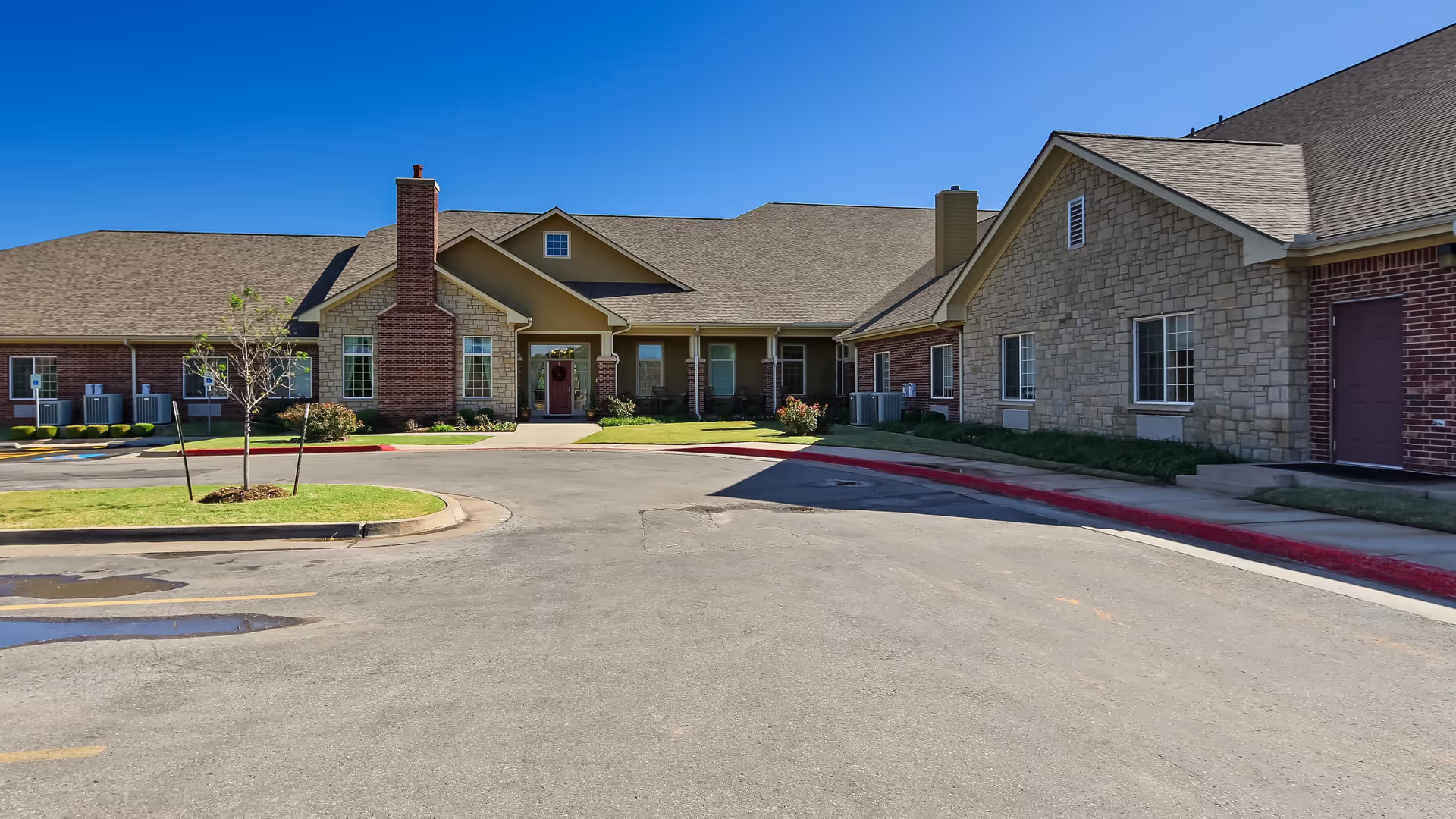
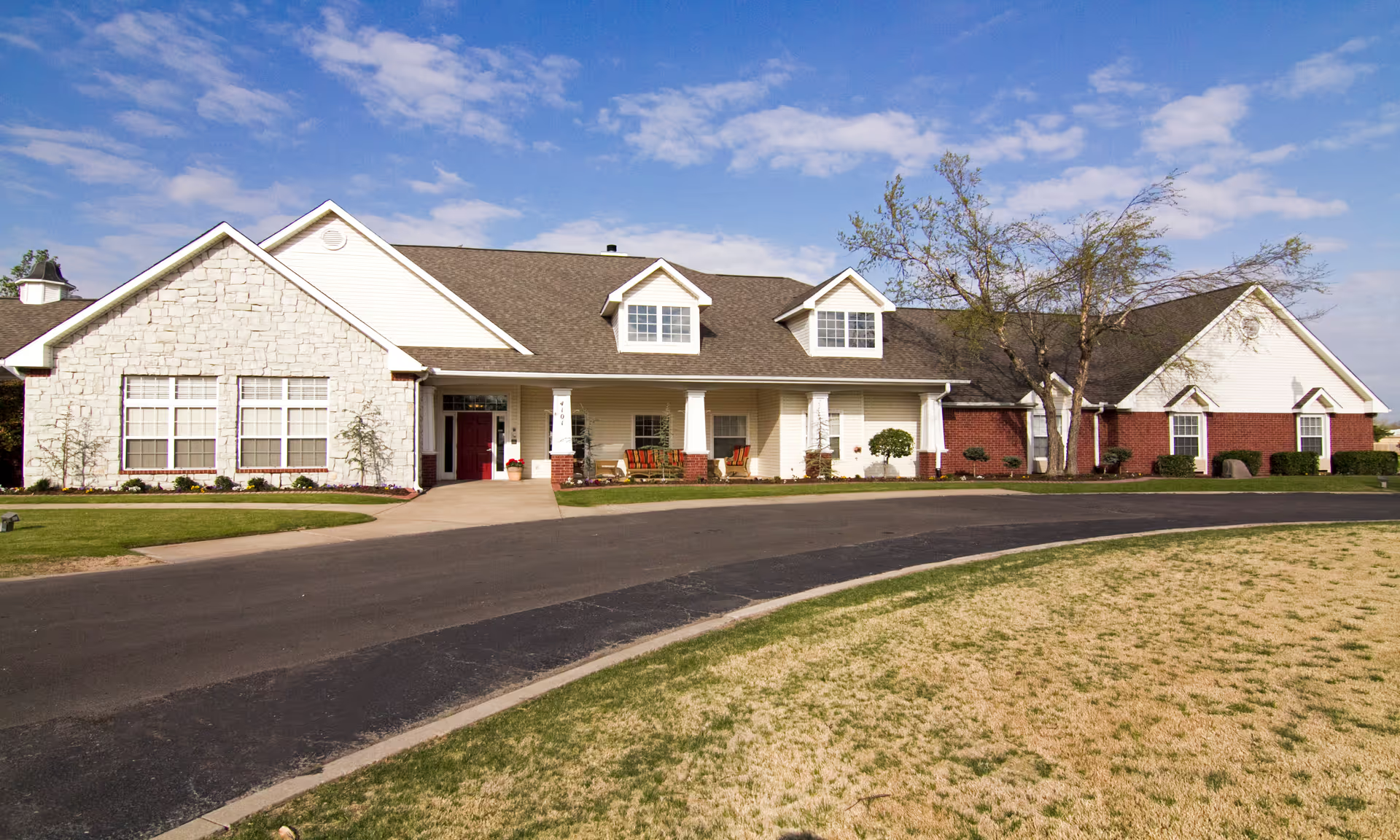
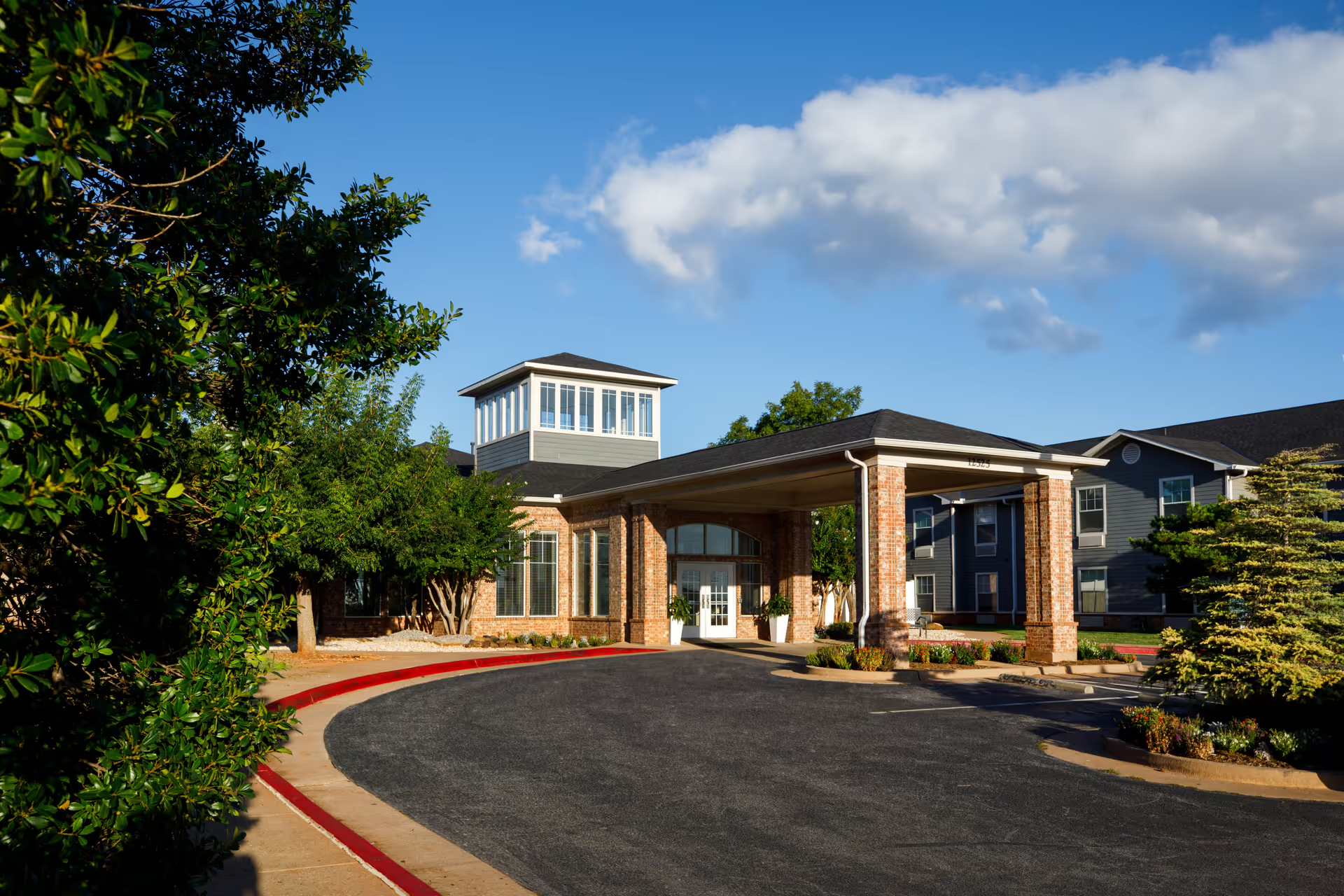
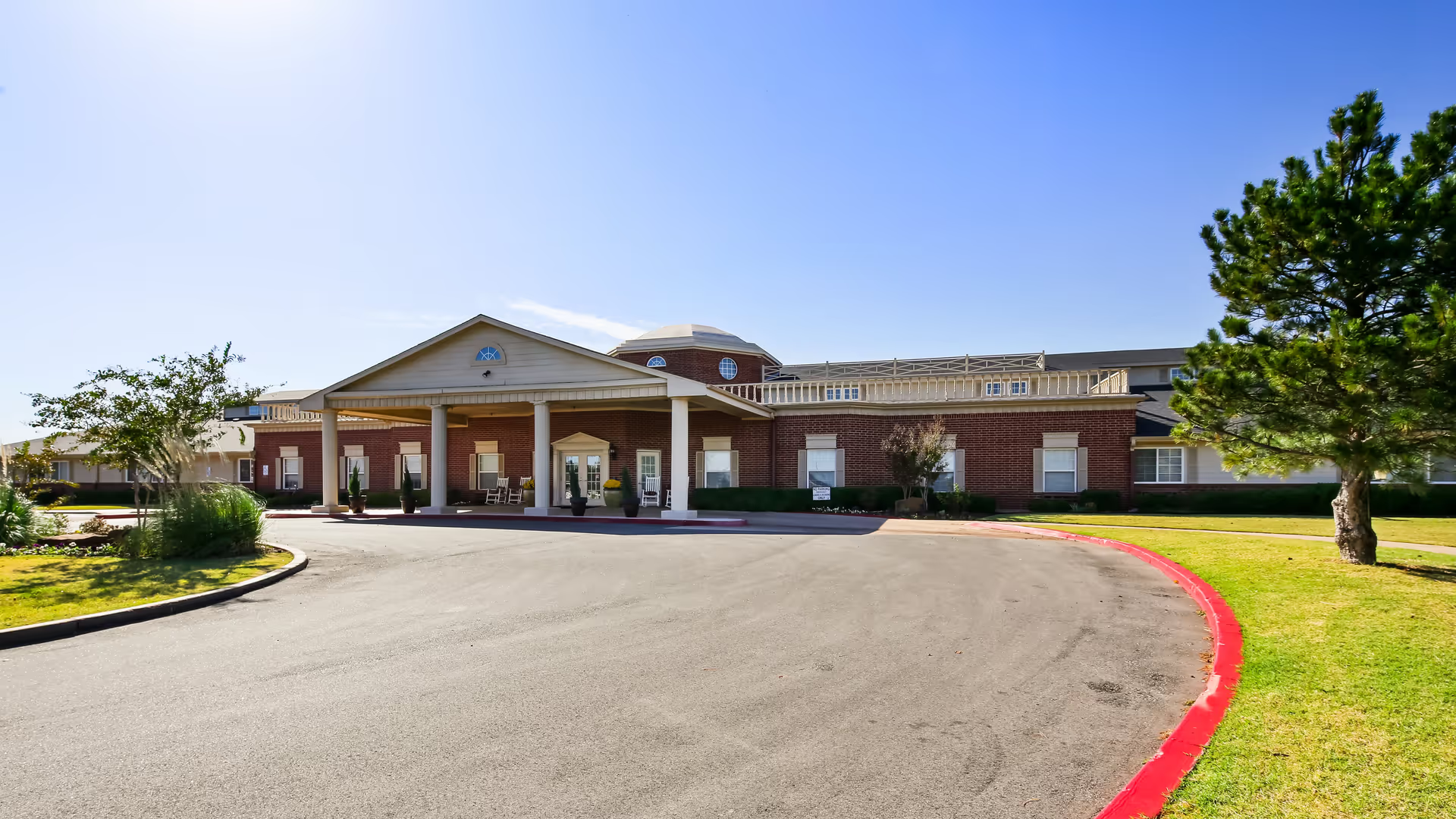
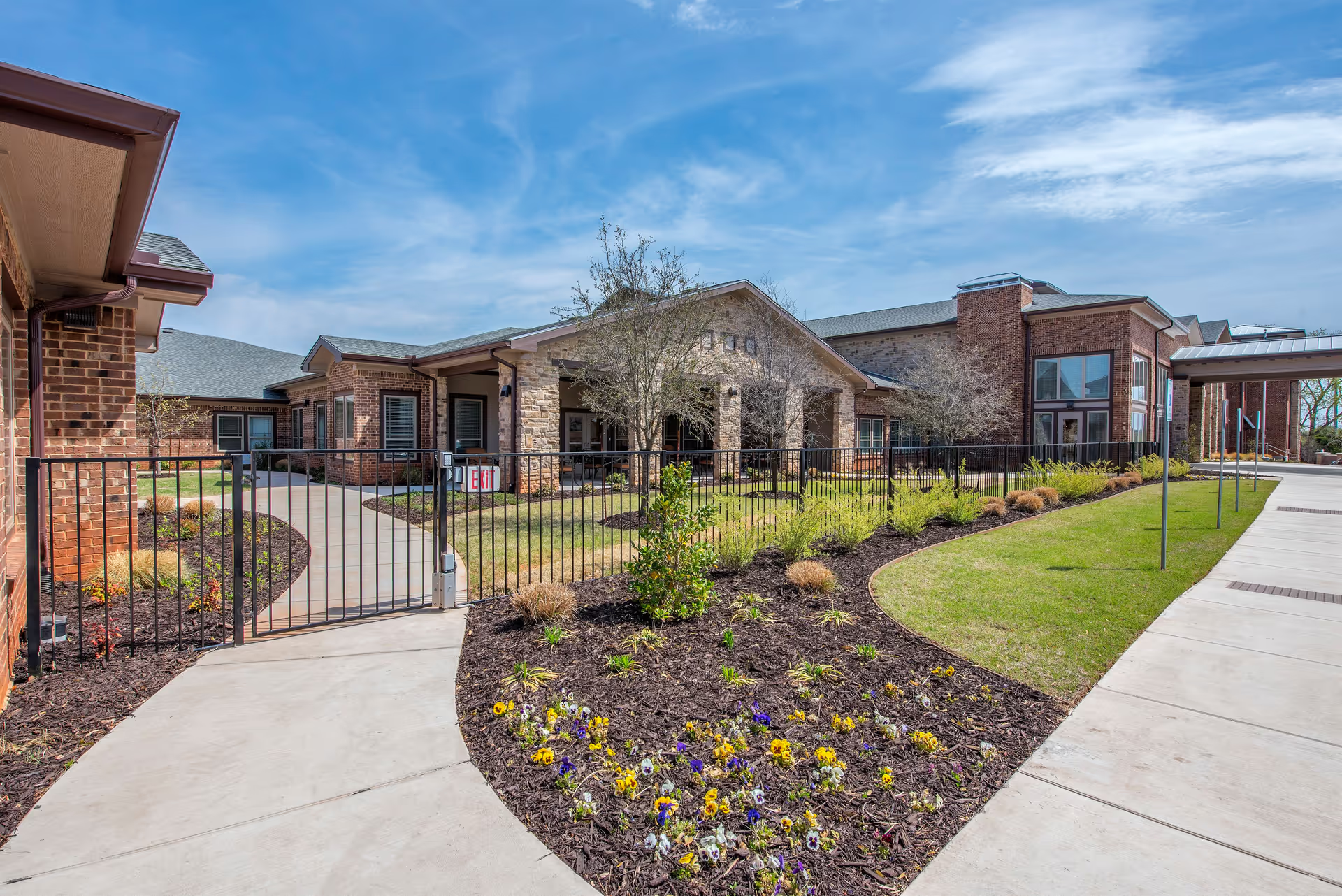
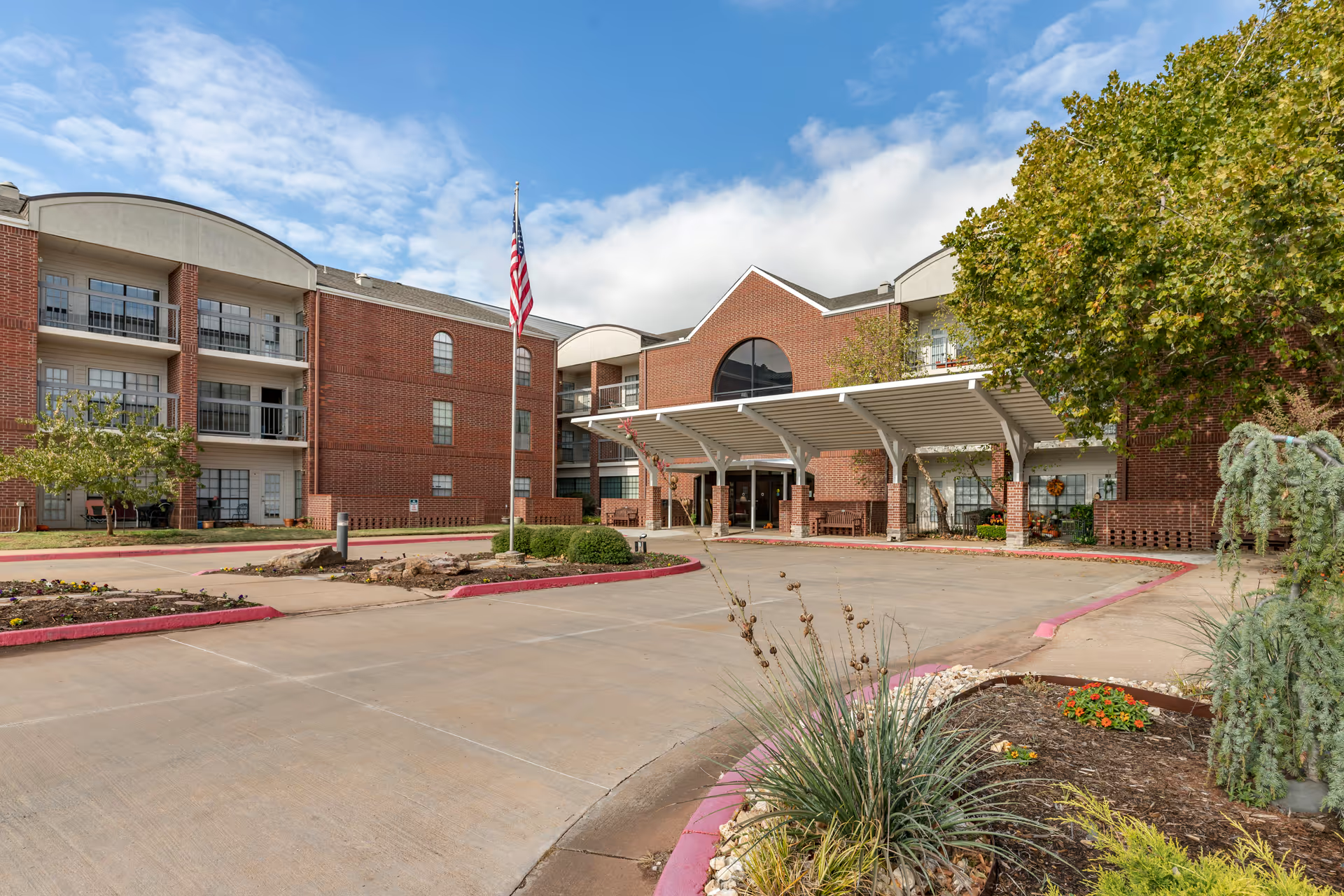
Facilities and sanitation: common areas, dining rooms, and outdoor grounds are frequently described as clean and well-maintained, with spacious social spaces. However, environmental concerns appear in multiple accounts: small resident rooms with limited storage and amenities (no in-room phone or closet in some rooms), worn mattresses or bedding issues, temperature-control variances, and sanitation/odor concerns in certain areas. Therapy space and equipment availability were flagged as limited in some reports, which can affect the intensity and quality of rehabilitation services.
Management and notable patterns: reviewers describe mixed experiences with management and ownership transitions, including mentions of leadership changes that some families felt improved care and others felt introduced instability. There are patterns around inconsistent documentation and delays in pharmacy/STAT orders that point to system-level process weaknesses. While many families recommend the facility and highlight exceptional staff members and administrators, the recurring operational themes—staffing inconsistency, medication and order-management problems, communication breakdowns, and sanitation/environmental concerns—are important trade-offs to weigh.
Practical guidance: for families considering St. Ann's, schedule an unannounced visit during a meal and an activity period, ask about current staffing levels and provider rounding schedules, review medication and escalation protocols, inspect a typical resident room for space and amenities, and inquire about cleaning and infection-control procedures. Ask management for recent inspection or quality reports and for references from current resident families to understand how the facility is performing now versus past reviews.