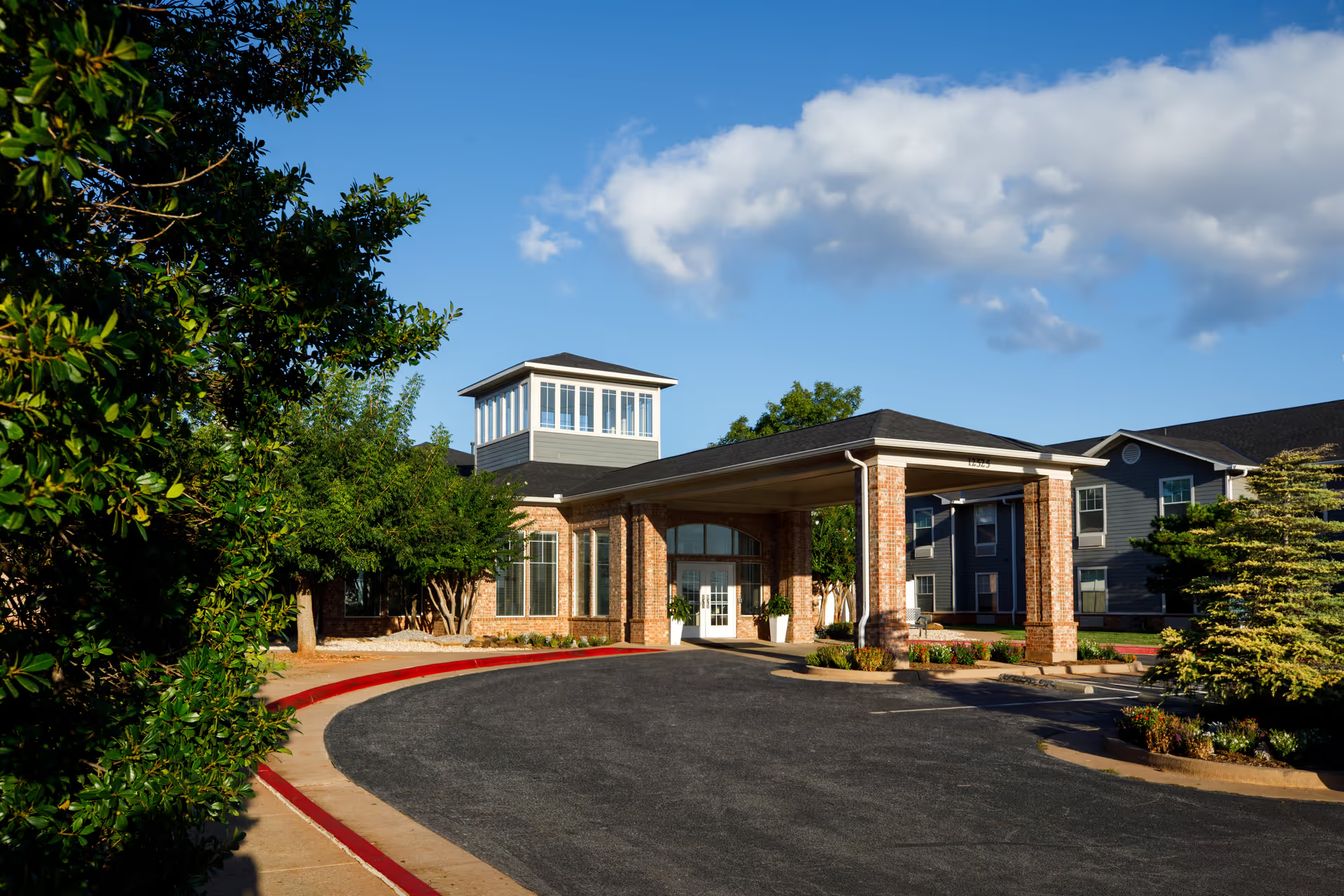
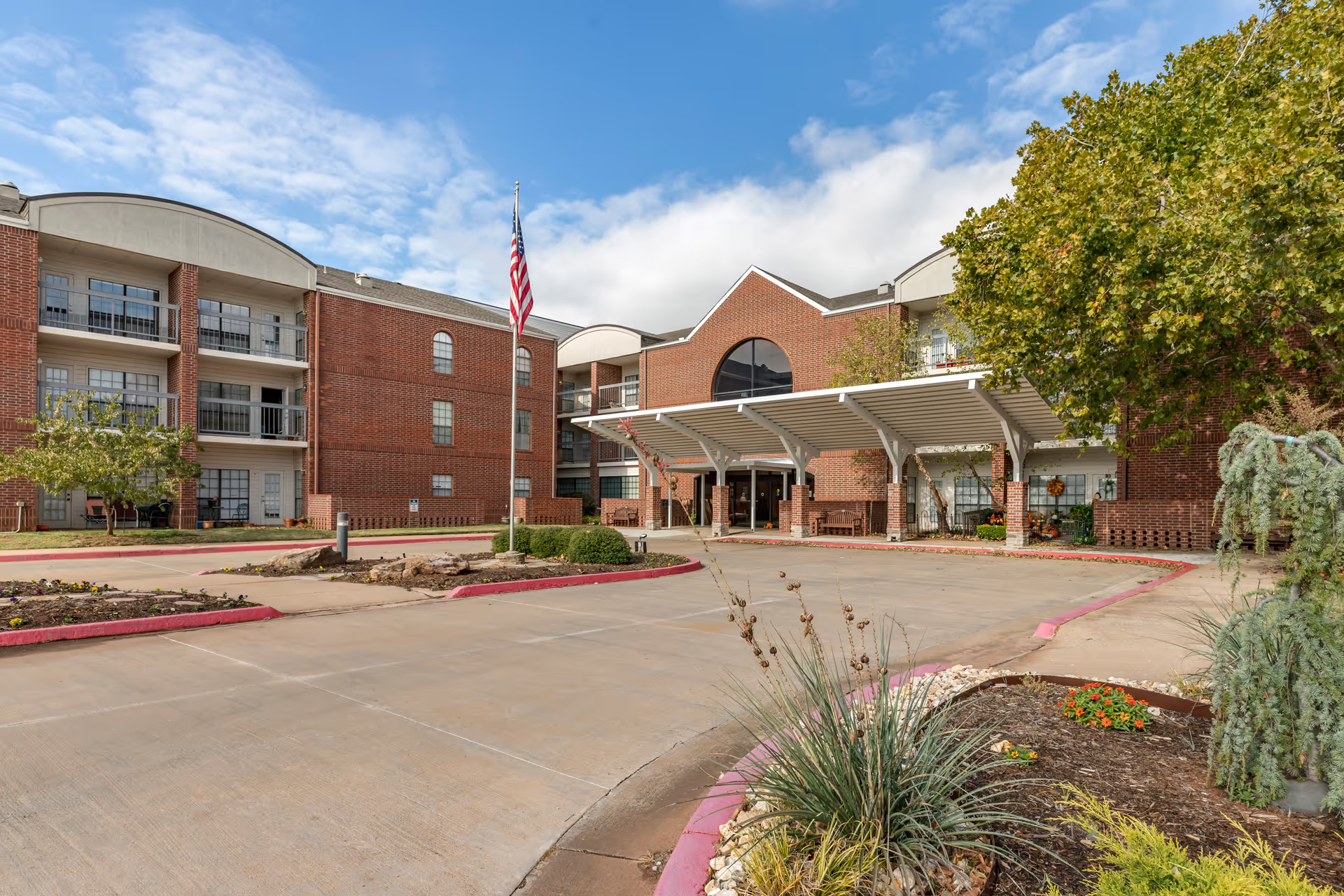
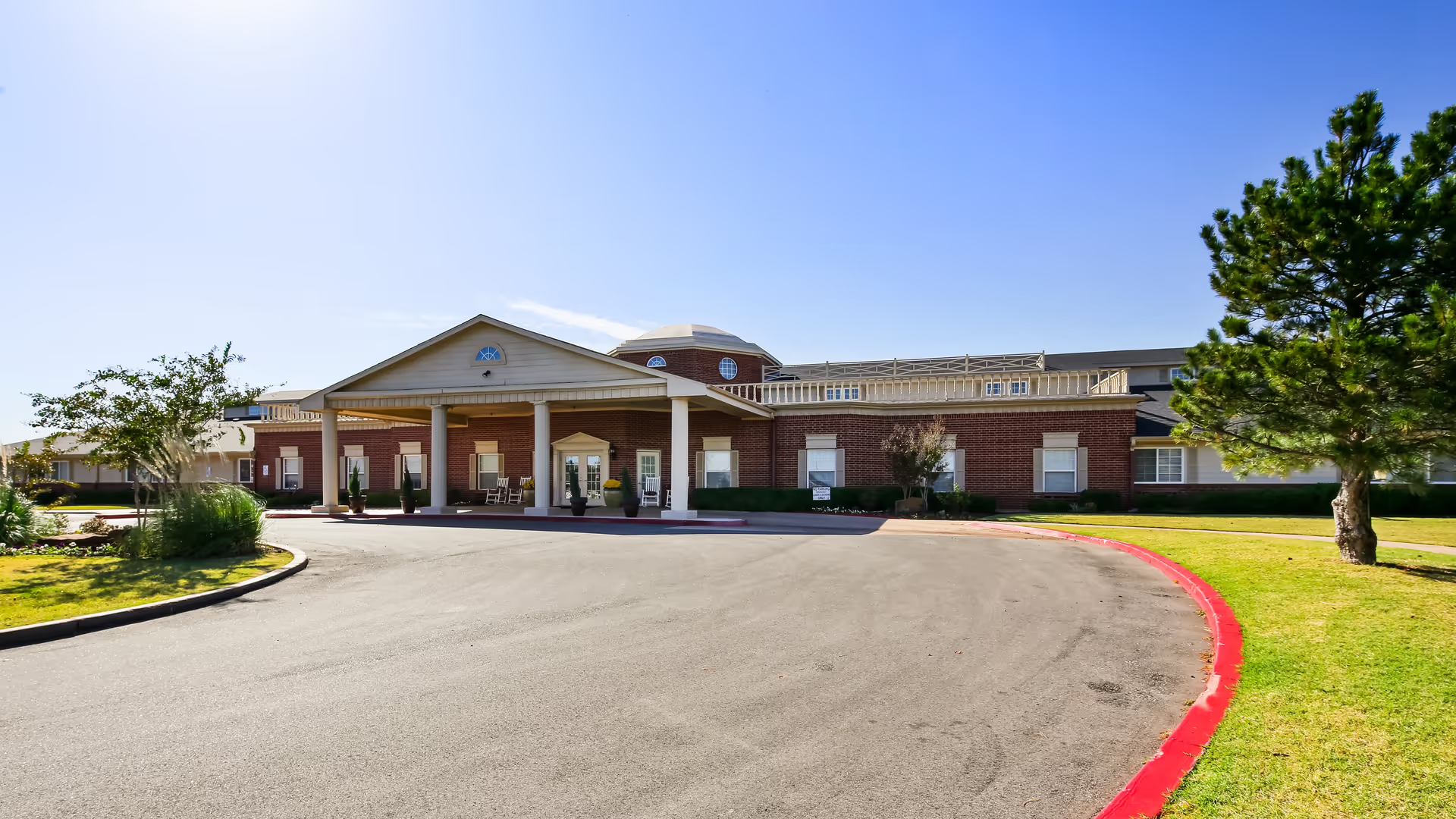
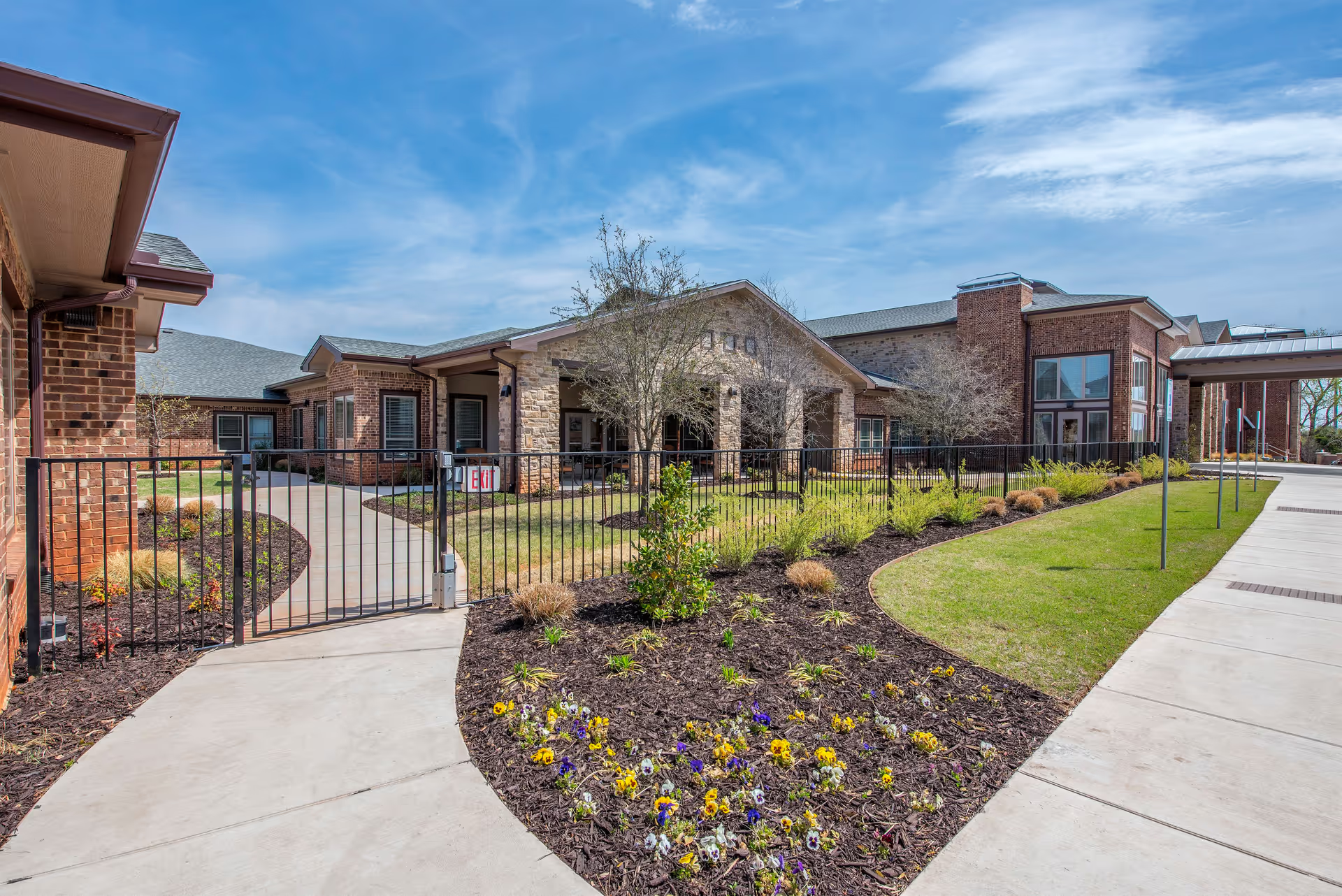
Reviews for The Wilshire Skilled Nursing & Therapy present a mixed and polarized picture. Many families and residents praise the compassion and attentiveness of direct-care staff, cite specific caregivers by name, and note quick clinical improvements for some short-term rehab patients. At the same time, a number of operational and environmental issues recur across accounts, producing a wide variance in perceived quality of care.
Care quality appears inconsistent. Positive comments emphasize attentive bedside care, responsive problem-solving, and effective short-term rehabilitation for some residents. However, multiple accounts indicate understaffing that affects timeliness of care, wound management, and incontinence-care responsiveness. There are also specific concerns about wound-care practices and pressure-injury management, as well as gaps in clinical escalation that have delayed transfers to higher-acuity facilities in some cases.
Staffing and professional conduct are focal points of the reviews. Several reviewers commend long-tenured and personable staff members and highlight strong supervisors and leadership in some areas. Conversely, others describe uneven professionalism, communication lapses, and instances raising questions about resident privacy and staff conduct. Medication-administration controls are another area of concern: reviewers describe problems with medication handling and there are allegations related to medication theft and improper administration that warrant further inquiry.
Dining and activities receive generally favorable notes in many reviews. Food quality is described as adequate or good by several respondents, and the activities program has been highlighted as active and engaging—particularly following ownership changes. At the same time, there are reports of inconsistent accommodation of dietary restrictions and missed follow-up when special diet needs are required.
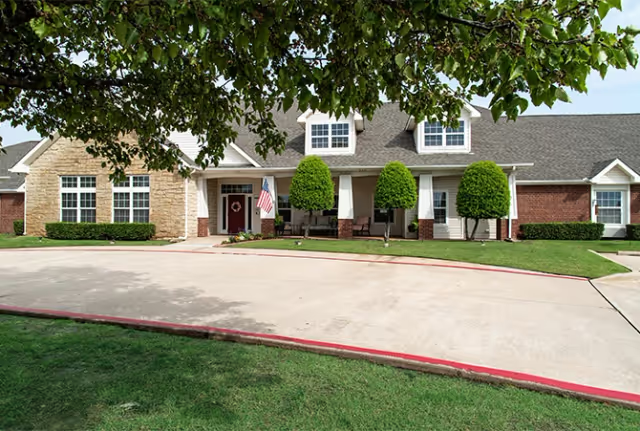
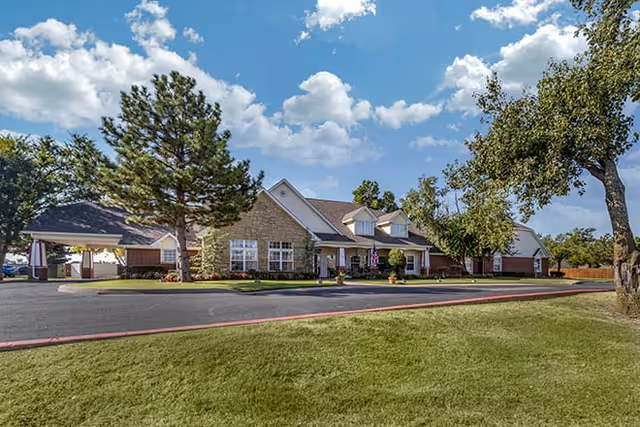
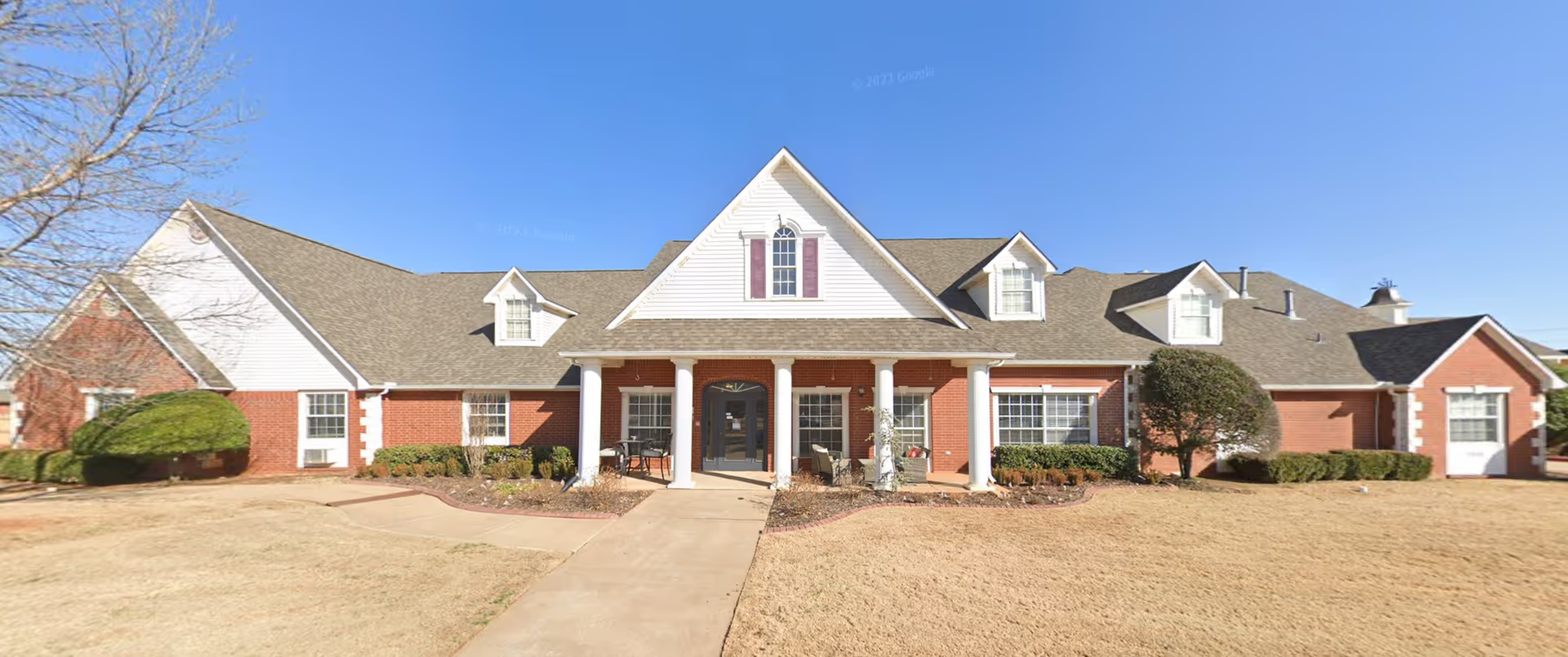
The facility’s physical environment and maintenance present notable limitations. Reviewers cite sanitation concerns, persistent odor issues in some areas, and pest-control concerns. Infrastructure problems are also mentioned, including exposed wiring, missing ceiling tiles, outdated fixtures, limited in-room amenities (for example, lack of private bathrooms, restricted electrical outlets, and shared lighting), and absence of outdoor rails in some areas. Emergency-response equipment and call systems are described as unreliable in several accounts, compounding safety worries.
Management and operations show signs of transition. Some reviewers note improvements under new ownership and praise particular leaders; others describe poor responsiveness from upper management and uneven enforcement of standards. Taken together, the pattern is one of variability: strong, compassionate individual caregivers and areas of operational strength exist alongside systemic issues in staffing, maintenance, medication controls, and emergency procedures.
For prospective residents and families, the facility may offer good interpersonal care and an active program of food and activities for certain residents, but the documented operational weaknesses suggest it is important to verify current conditions in person. Recommended areas to review on a visit include staffing ratios and schedules, medication-administration policies and audits, wound-care protocols, emergency-call system functionality, cleaning and pest-control records, bathroom accessibility, and recent management or regulatory updates. These checks can help determine whether the facility’s strengths align with an individual resident’s clinical and safety needs.