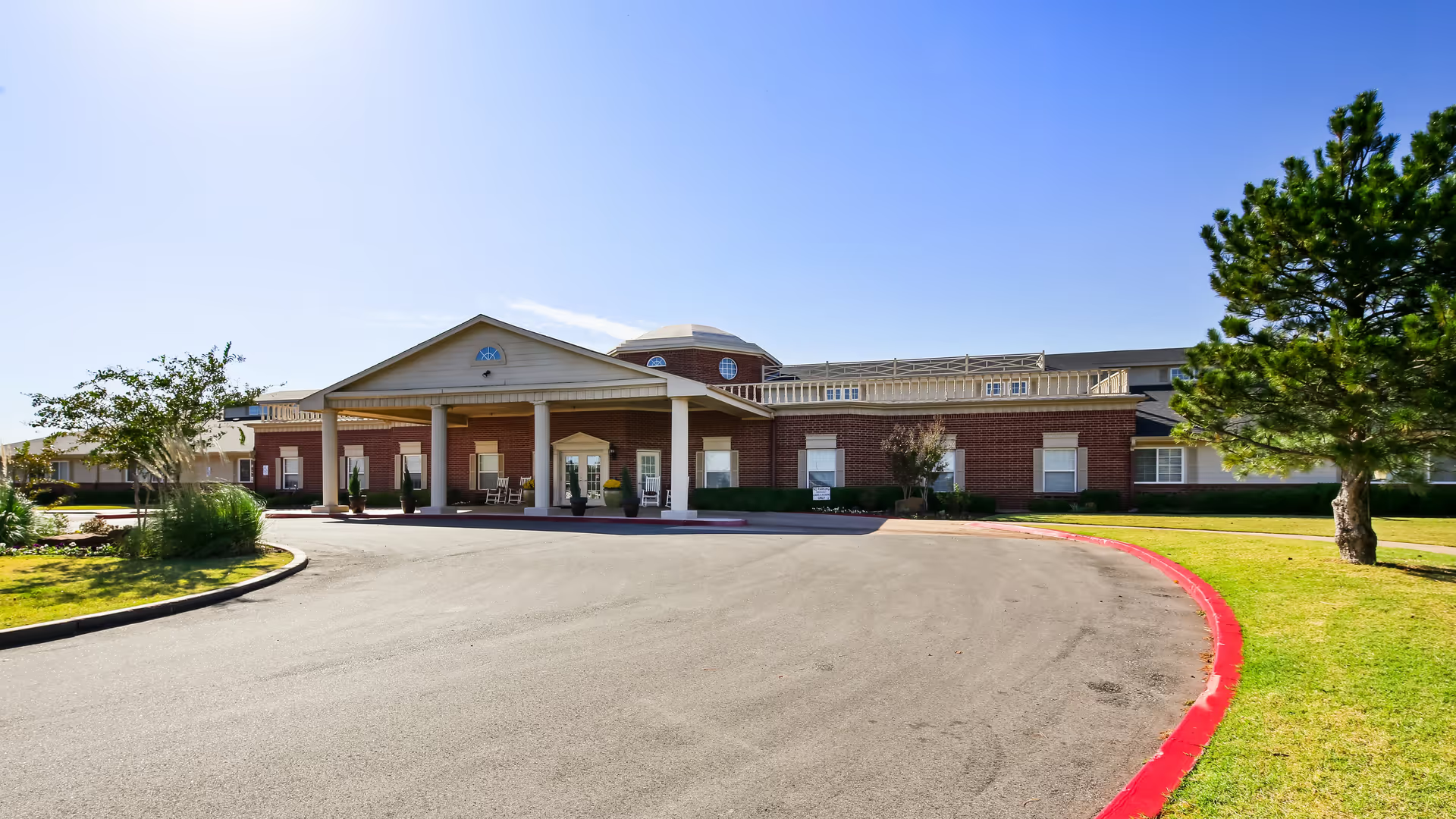
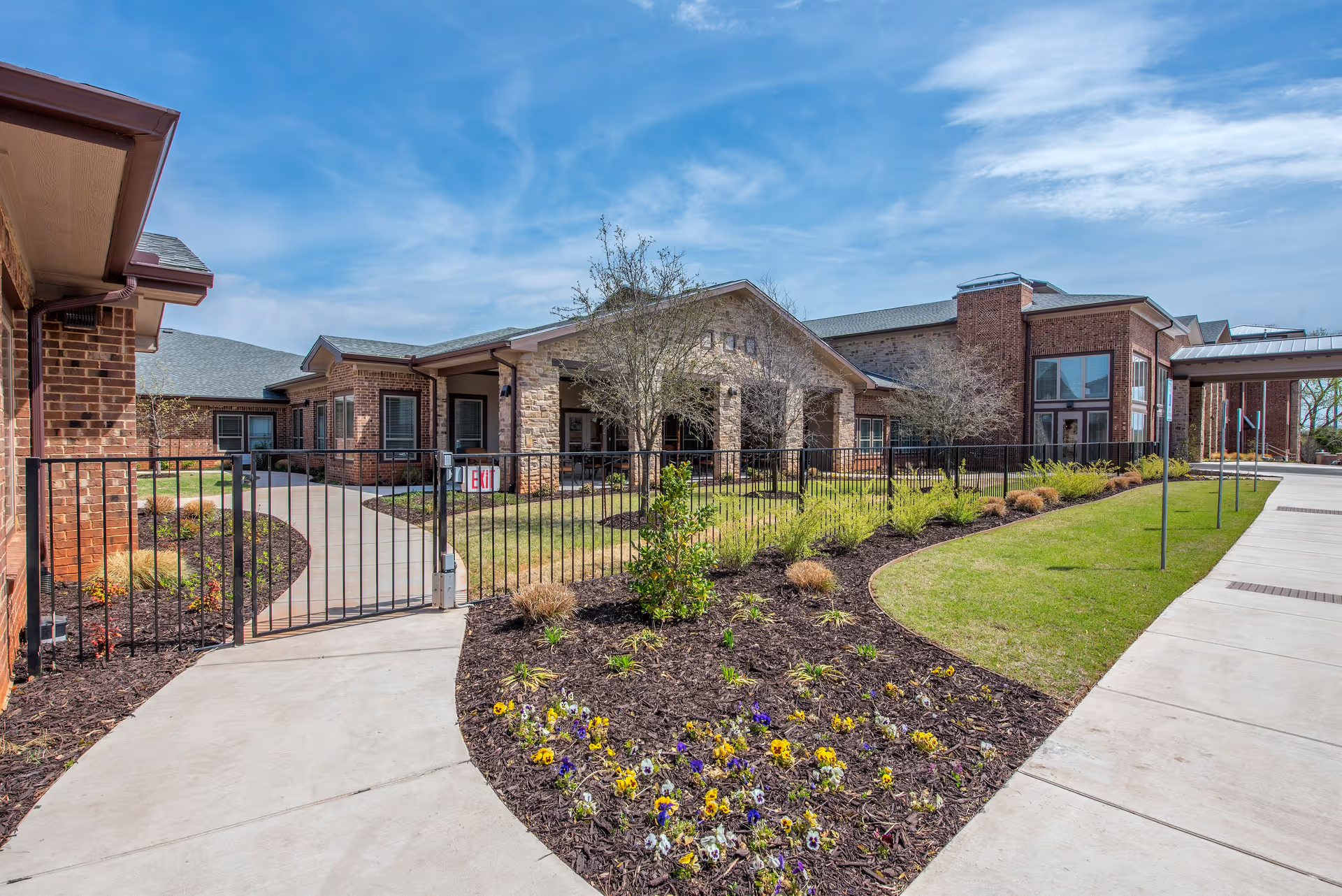
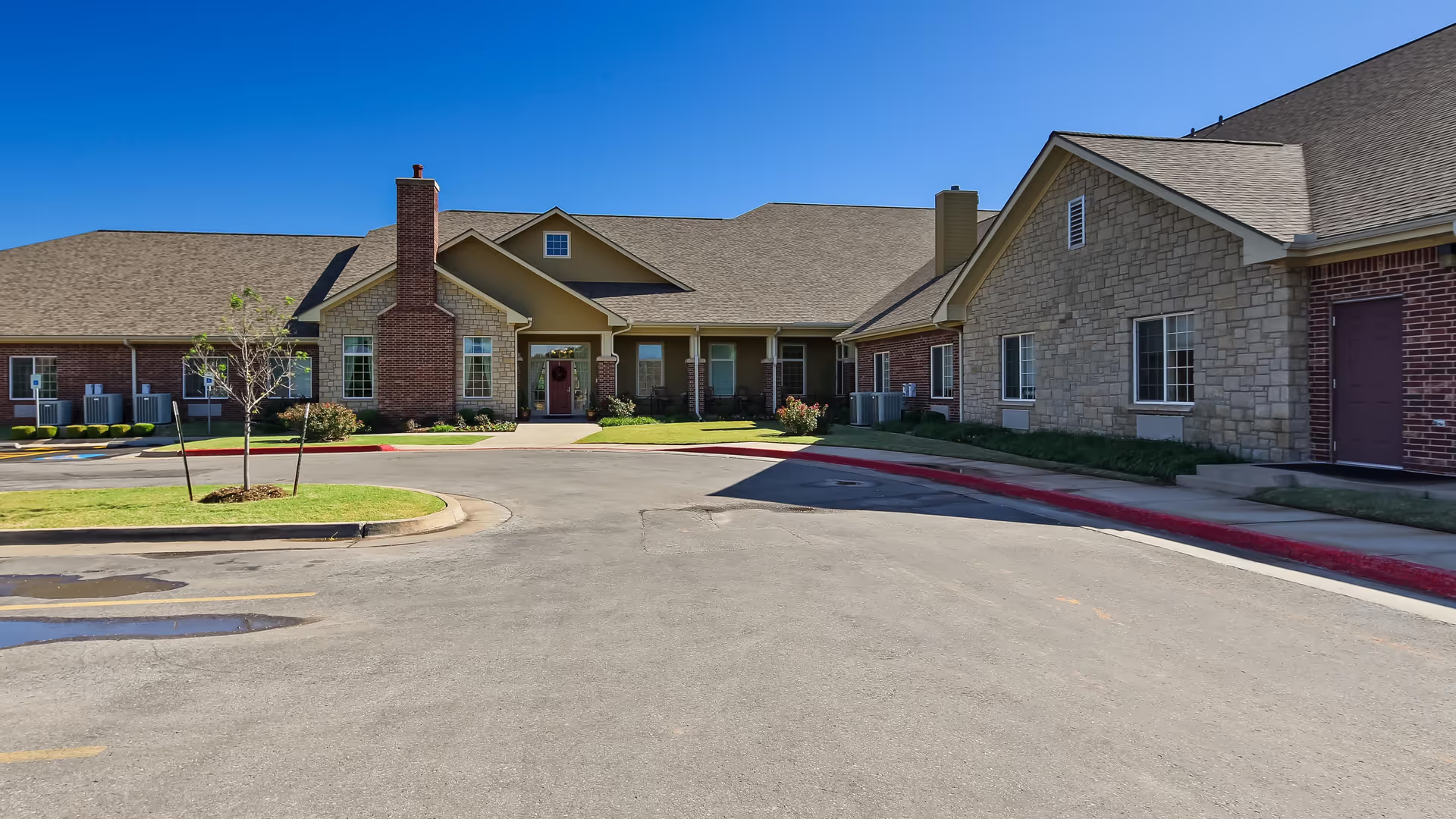
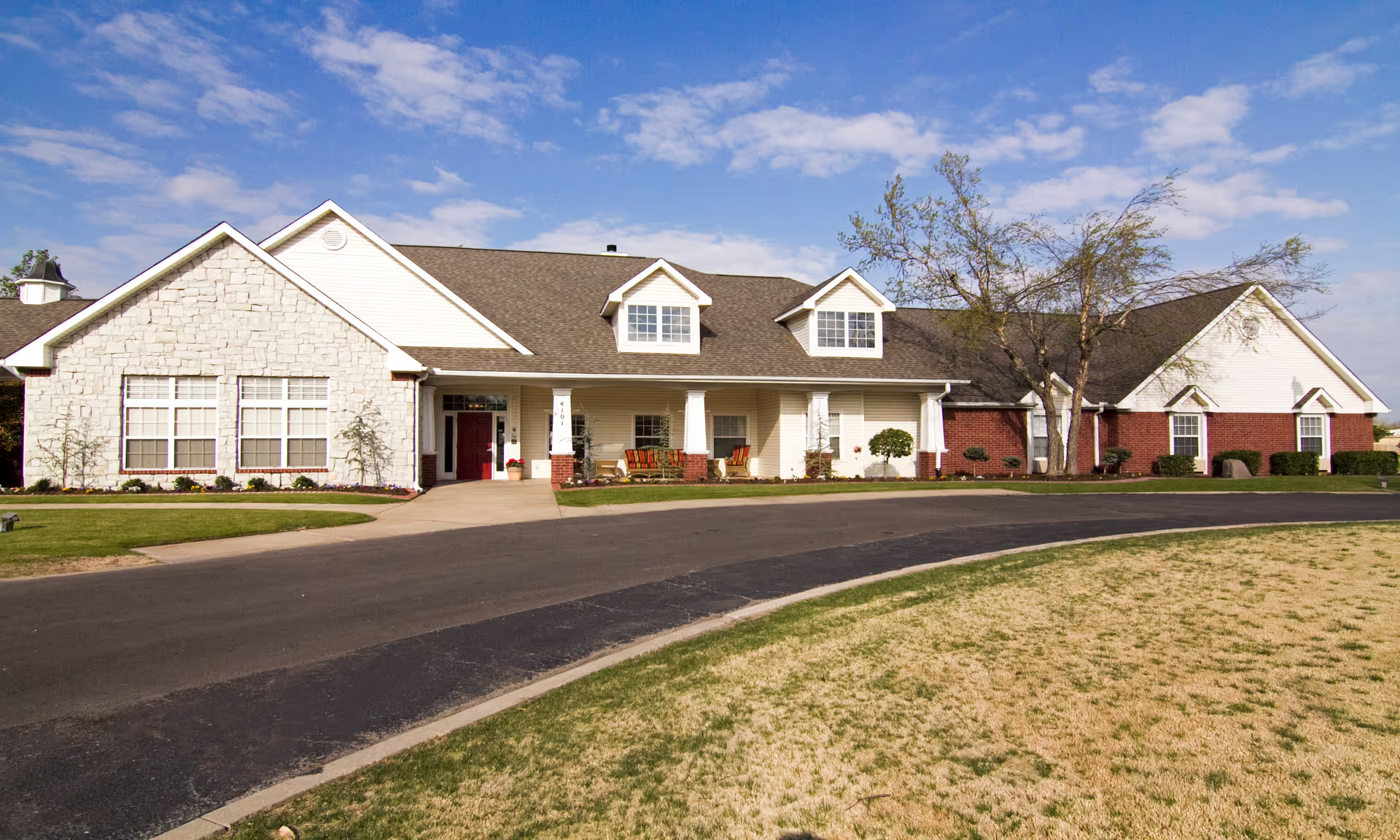
Reviewers conveyed widely mixed experiences with Tuscany Village Nursing Center, producing a pattern of pronounced variability between positive episodes of care and recurring operational concerns. Positive comments commonly highlight caring frontline staff, capable therapy services, and helpful admissions or social-work support; several families described successful rehabilitation, attentive wound care by specific clinicians, and meaningful activity programming. These strengths suggest the facility can and does deliver effective clinical and rehabilitative care under favorable staffing and oversight conditions.
Conversely, a consistent theme across many accounts is uneven care quality tied to staffing and process gaps. Families described slower response times to call lights, long waits for assistance on nights and weekends, and variability in how personal care tasks (bathing, clothing changes, turning) are scheduled and completed. Multiple comments indicated late or missed medication doses and delays in pain management; reviewers also raised concerns about wound-care follow-up and infection-control continuity. Together these items point to weaknesses in medication administration controls, clinical escalation pathways, and routine care scheduling.
Facility operations and communication also emerged as problem areas. Numerous reviewers reported difficulty reaching staff by phone, inconsistent front-desk responsiveness, and limited follow-up from administration. Laundry and personal-belongings management was cited as unreliable in several accounts, and meal service received mixed evaluations—some families praised the food and smoothies, while others noted cold or undercooked entrees and failure to accommodate dietary needs. Maintenance and housekeeping impressions varied: some visitors praised cleanliness and attractive grounds, whereas others described localized sanitation and odor concerns and worn carpeting or paint in parts of the building.
Safety and oversight concerns recurred in multiple narratives. Reported issues included missed bed checks, slow or unclear escalation when a resident's condition changed, and problems with oxygen or other equipment management. There are also more serious allegations, including claims of staff misconduct and camera interference; at least some families referenced external involvement (state or adult-protective services). These items suggest the need for clearer incident-handling protocols and stronger supervision mechanisms.
In practice, experiences at this facility appear highly shift- and unit-dependent: reviewers frequently contrasted compassionate, skilled clinicians and helpful support staff with episodes of poor responsiveness, inconsistent hygiene care, and administrative unresponsiveness. Prospective residents and families may find benefit in asking specific operational questions before admission—staffing levels by shift, call-light response targets, wound-care and medication-audit processes, laundry and property policies, and recent inspection or corrective-action history—to better understand current performance. Overall, the facility demonstrates capacity for high-quality care in some areas, particularly therapy and engaged staff, but also shows recurring operational weaknesses that families should consider and monitor closely.