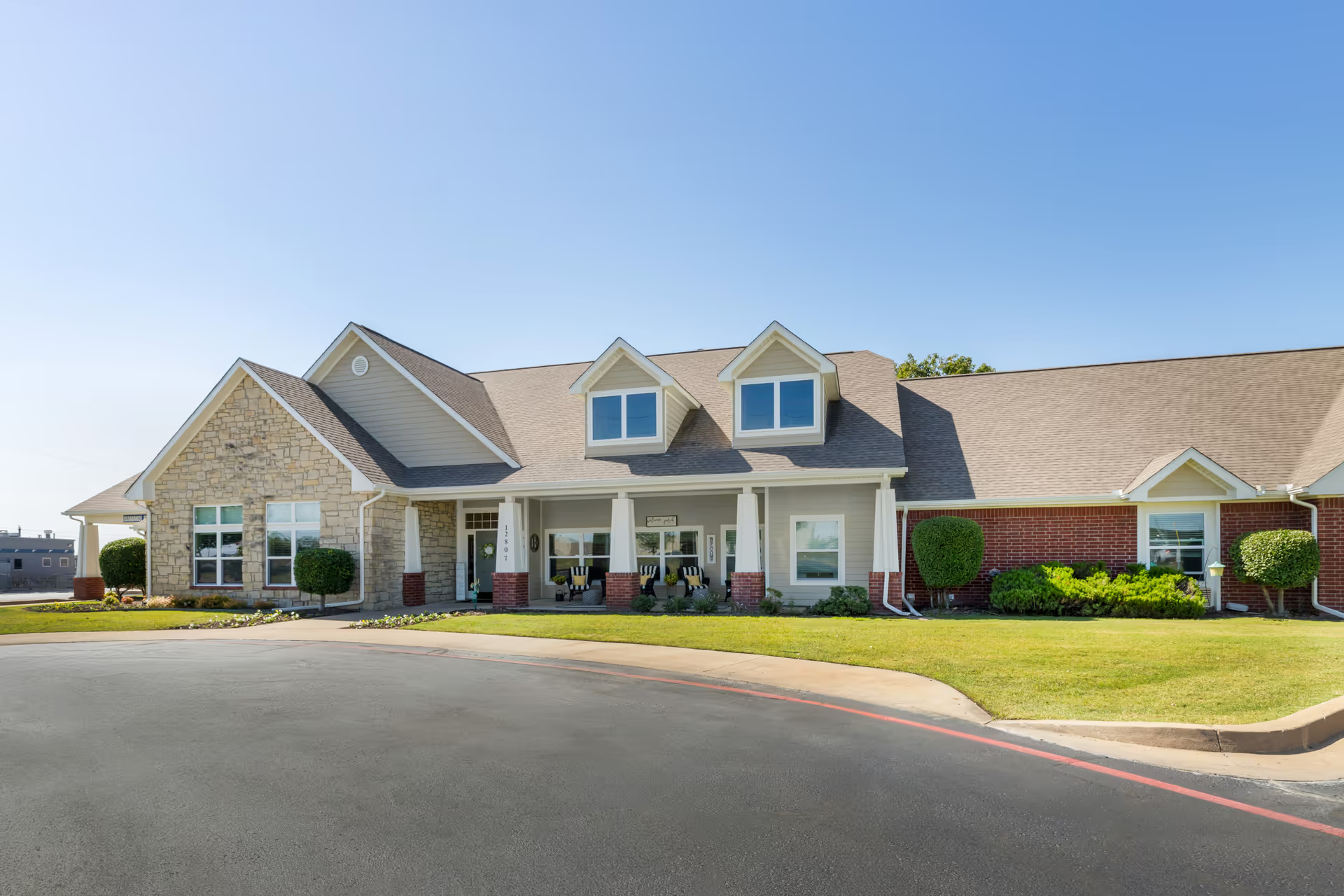
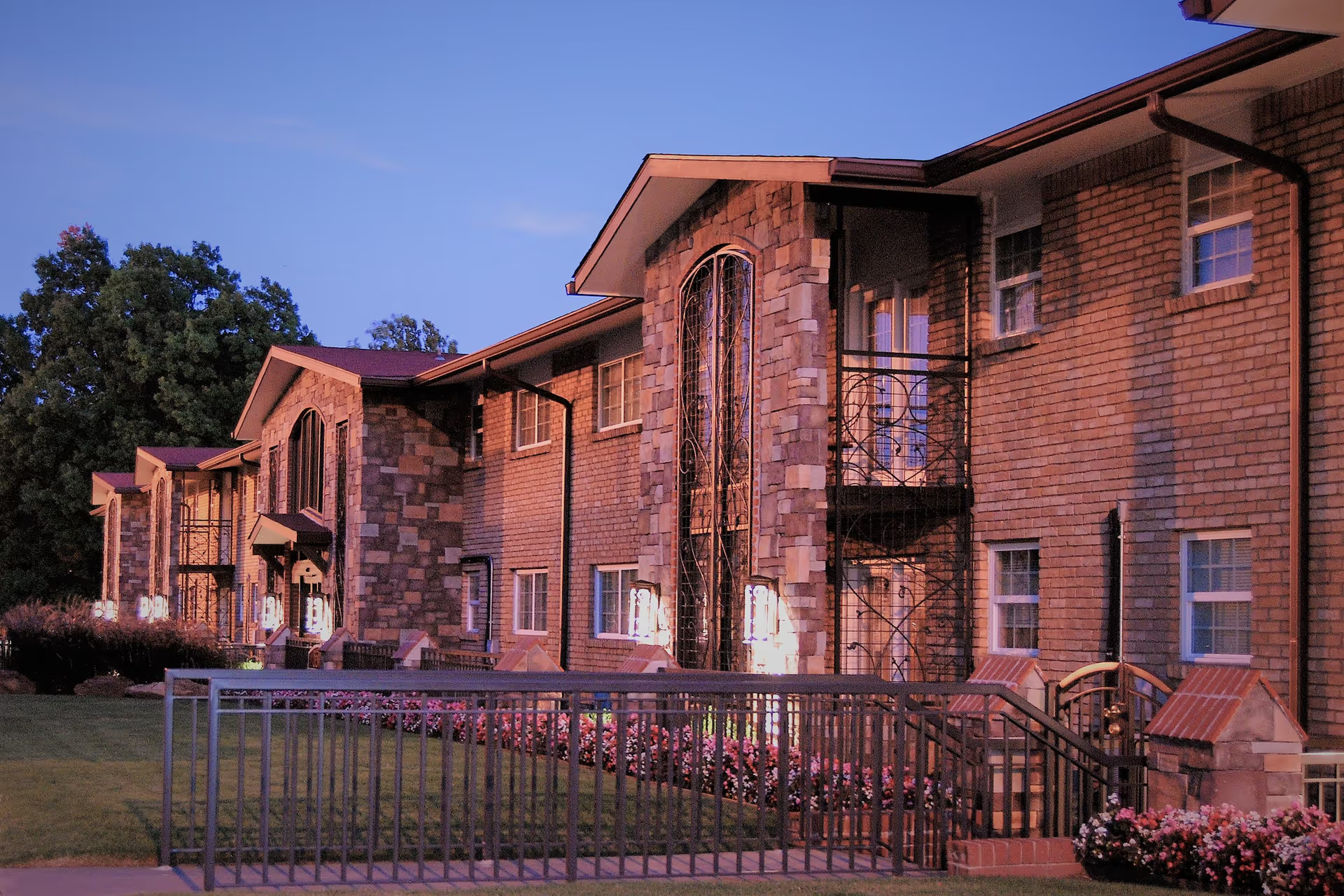
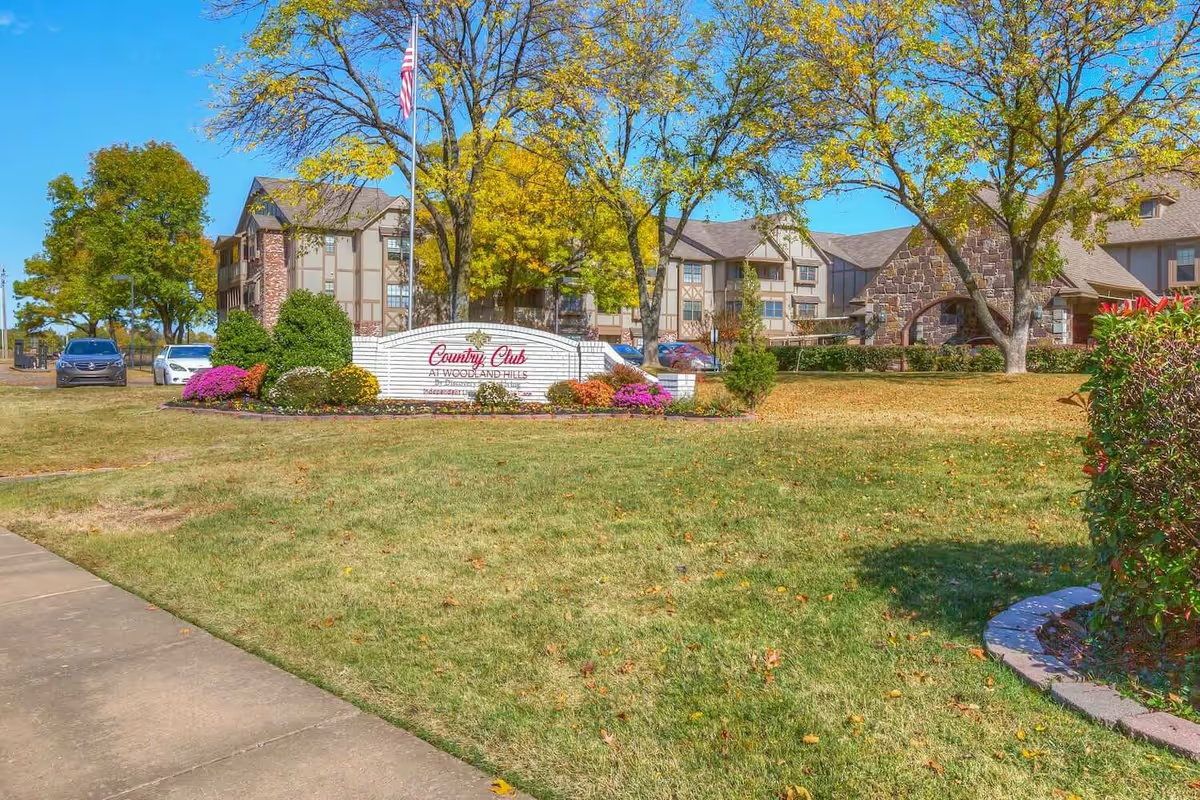
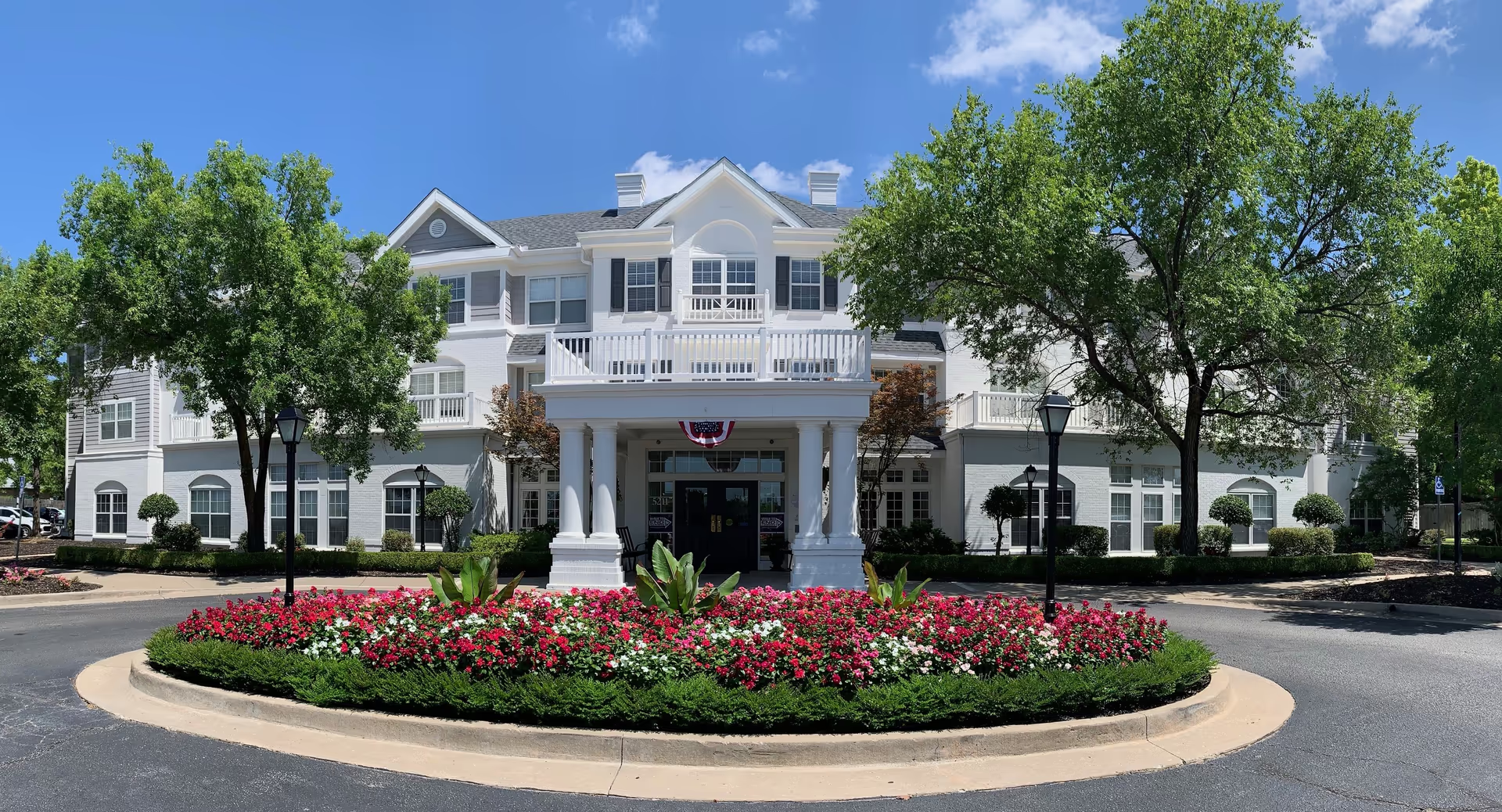
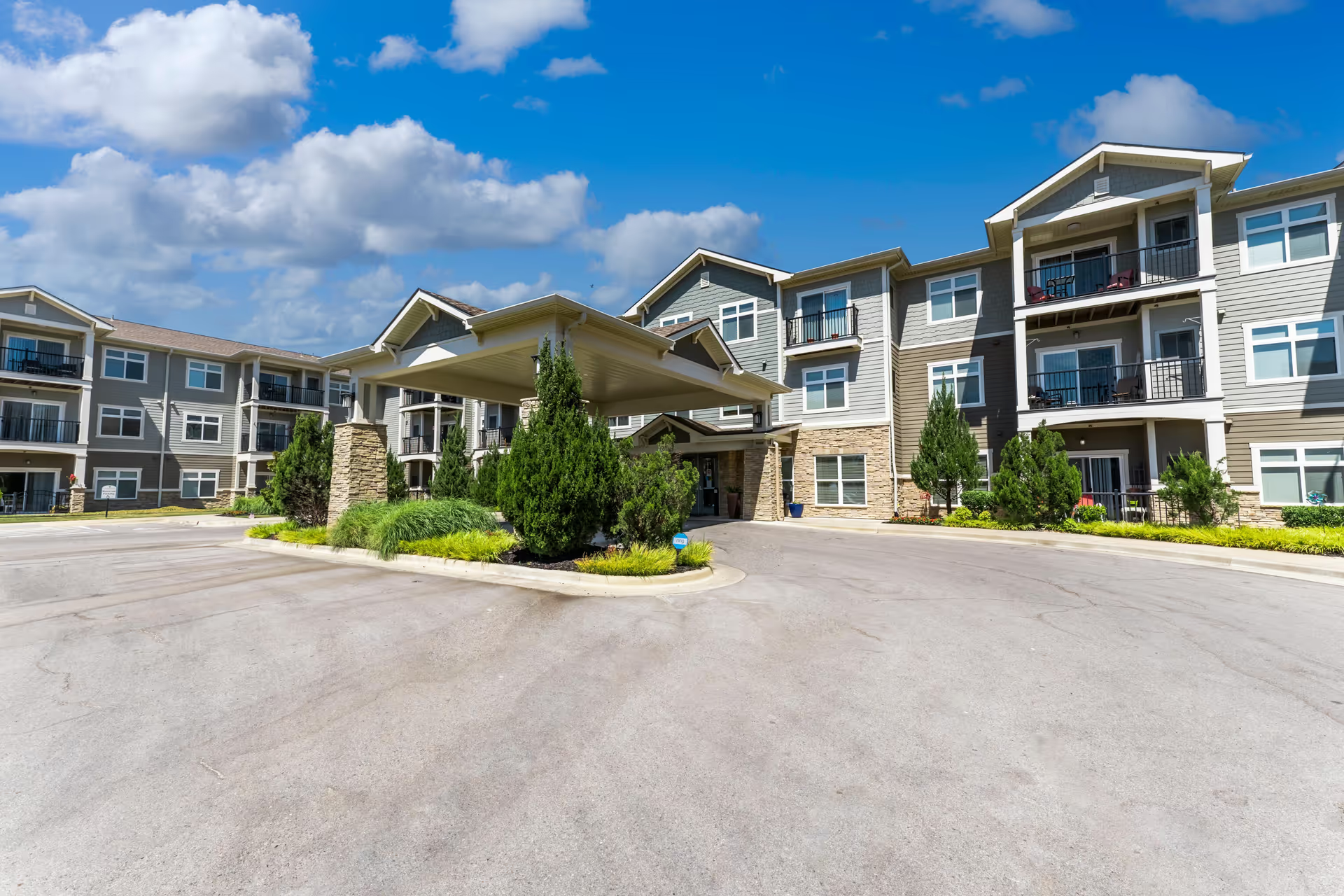
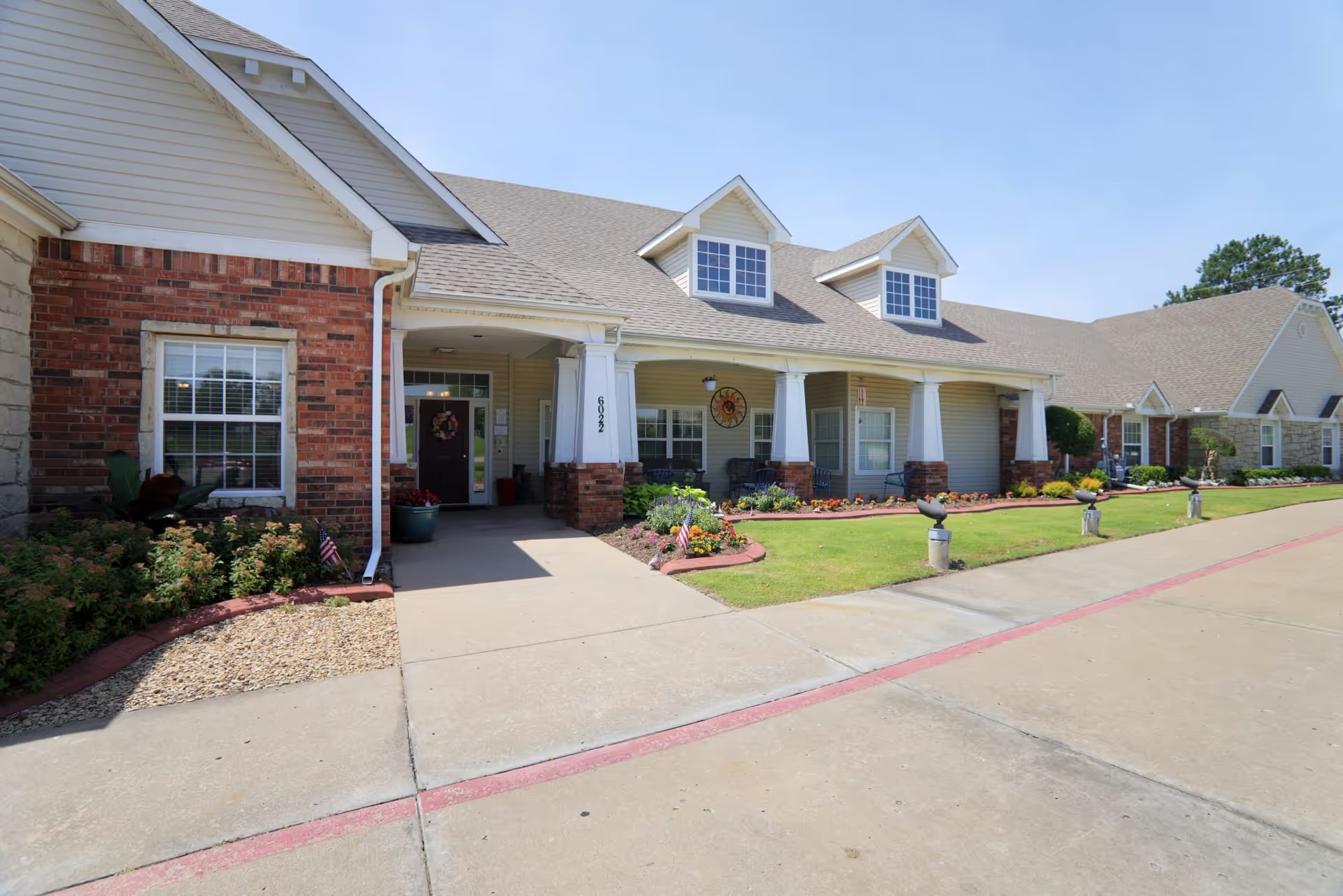
The Highlands at Owasso elicits strongly polarized feedback. Many families and residents praise the physical plant — an attractive, well‑maintained facility with bright dining areas, private rooms with individual climate and lighting controls, pleasant outdoor spaces and an overall home‑like feel. The facility’s inpatient rehabilitation services receive consistent positive remarks: therapists, a therapy gym, progressive PT/OT goals and staff encouragement are described as effective for short‑term recovery and mobility gains. Numerous accounts highlight compassionate caregivers, attentive nurses and administrators who have provided above‑and‑beyond personal help, transportation assistance, and end‑of‑life comfort.
At the same time, a substantial set of reviews points to operational inconsistencies that materially affect care. The most recurrent themes are variable clinical quality and staffing instability: slow or inconsistent responses to call lights, gaps in medication administration and documentation, and uneven wound and skin‑care monitoring. These issues appear to cluster during certain shifts and in long‑stay settings rather than the skilled‑rehab episodes that many families praised. Several reviews describe delays in assistance with toileting and repositioning (described here as incontinence‑care delays and monitoring gaps), which, combined with reported fall events, indicate weaknesses in safety‑monitoring and transfer practices.
Dining and activities likewise show a mixed picture. The dining room and atmosphere are often praised, and activity programming (cards, Bingo, movies, live music and arts & crafts) is viewed as engaging for many residents, particularly those in rehab. However, meal quality and service consistency are frequent concerns: uneven food preparation, temperature issues at delivery, and limited dietary options for some residents. Families also reported problems with laundry, missing personal items, and occasional sanitation or pest‑control concerns in specific units, which detract from the positive aspects of the environment.
Management and administrative practices are another axis of variability. Some reviewers single out responsive administrators and staff who resolve problems and provide attentive communication; others cite poor scheduling, billing and paperwork errors, difficulty reaching staff, and weak follow‑through on family requests. A number of reviews referenced regulatory attention, including Adult Protective Services involvement and related investigations; such references are part of the broader pattern of inconsistent performance across clinical, housekeeping and administrative domains.
For prospective residents and families: the Highlands demonstrates clear strengths in rehab and in parts of its caregiving team and physical environment, but it also shows recurring operational weaknesses that can affect long‑term skilled nursing care. A focused, in‑person assessment is advisable: ask about current staffing ratios per shift, wound‑care and medication‑management protocols, recent inspection or complaint history, infection‑control practices, meal service procedures, and how the facility handles family communication and missing‑item incidents. Visiting during different shifts and speaking directly with therapy staff and nursing leadership can help clarify whether the facility’s strengths align with the care needs you anticipate.