Care quality: Many families describe a strong caregiving culture at Arbor Village, with staff characterized as compassionate, patient, and attentive. Reviewers frequently note that nursing staff are easy to reach, responsive to clinical questions, and collaborate with families on care plans and consent. At the same time, a subset of reviewers raised serious clinical-safety concerns—most notably about medication administration processes and continuity of medication during off-hours—which warrant verification before placement. Overall, the facility demonstrates strengths in individualized attention and rehabilitation support, paired with isolated but consequential clinical process gaps.
Staff and communication: The workforce is commonly described as professional, respectful, and familiar with residents and families; many cited positive, personal interactions and effective family communication. Leadership is often portrayed as accessible and willing to resolve issues, and some administrators and directors received specific praise for supporting transitions. However, reviewers also described variability in staff conduct and interpersonal interactions, occasional interpersonal friction between staff and residents, and instances where management responsiveness was perceived as insufficient. There are also at least one or two severe allegations regarding administrator conduct that some families felt merited further oversight.
Dining and activities: Activity programming and social atmosphere are clear strengths—reviews highlight active common areas, organized events (for example community cookouts), and a generally engaged resident population. The memory-care unit is singled out as supportive and loving. Dining quality appears uneven: some families are satisfied, while others describe food that is “not fancy” and inconsistently prepared, so prospective families should ask about menu variety and meal-service routines.
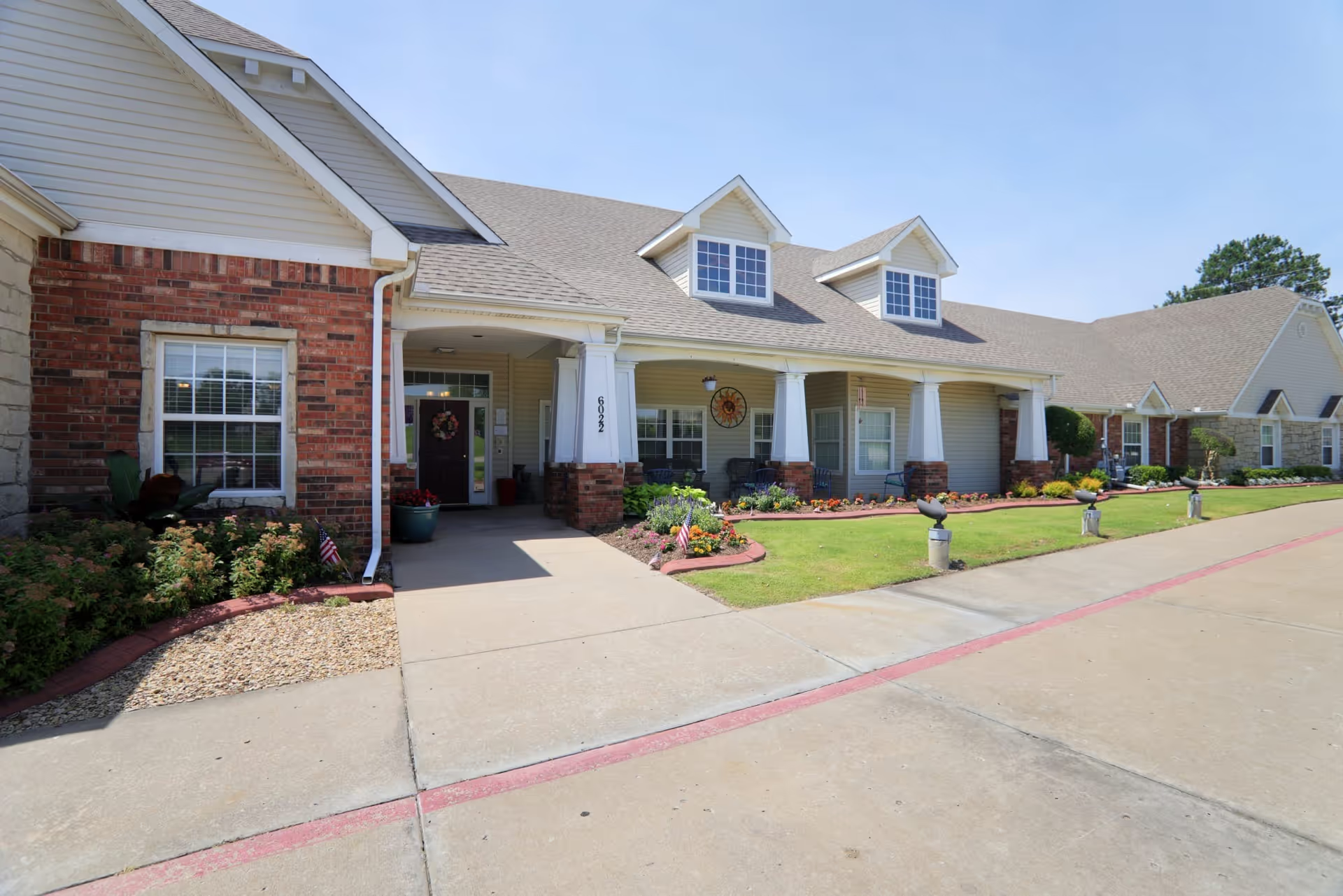
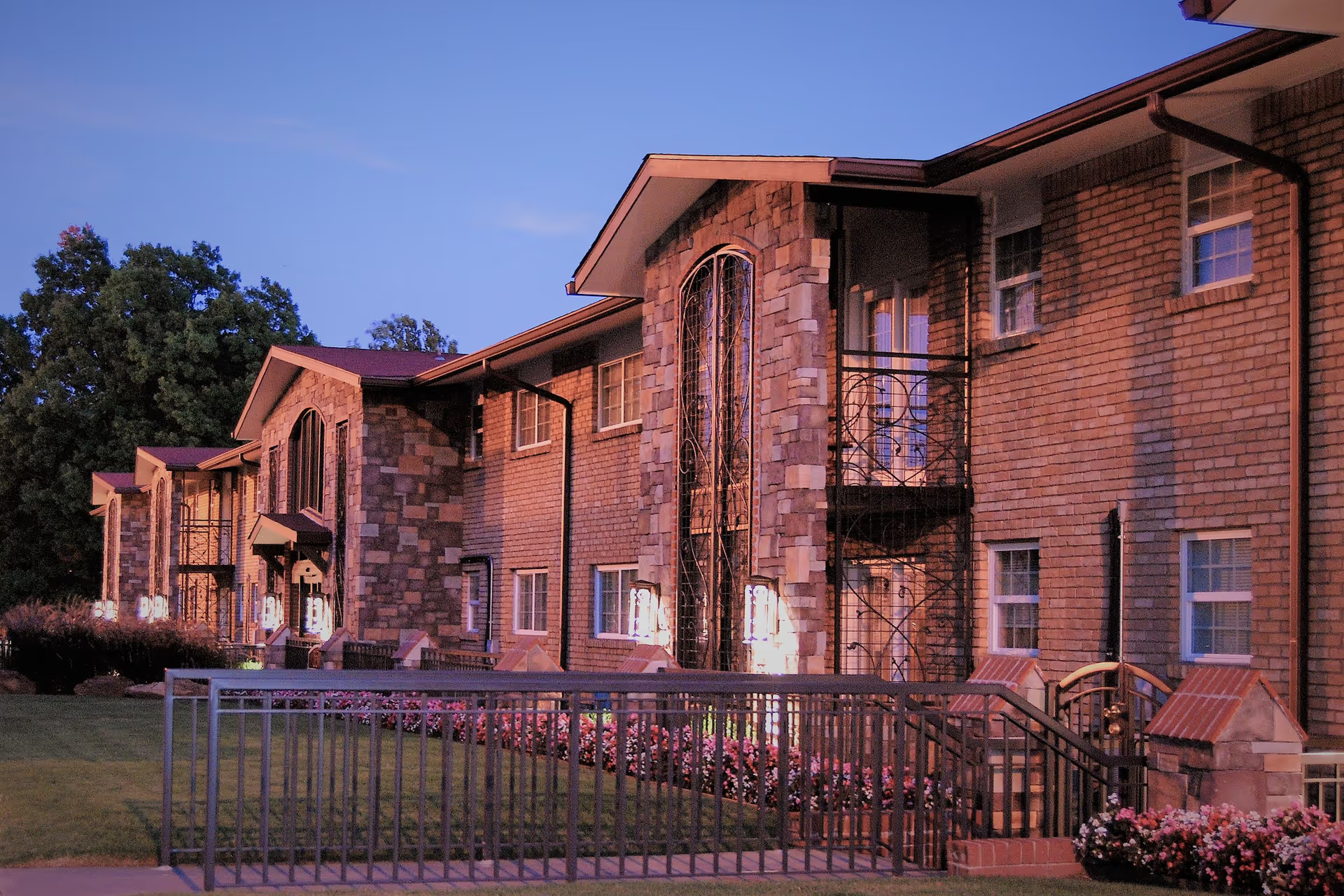
Facilities and sanitation: Many reviewers describe a clean, comfortable, and recently remodeled environment with prompt housekeeping response in typical circumstances. Contrastingly, other reviewers reported sanitation and pest-control concerns and cited maintenance deficits in portions of the facility. The facility has noted upgrades in progress for the call-light system; nevertheless, reliability of environmental maintenance and pest-control appears inconsistent across reports and should be confirmed through a direct tour and review of recent inspection or pest-control records.
Management and safety patterns: Management is commonly praised for accessibility and an open-door approach, with specific staff members receiving positive mention for supporting families during transitions. Still, reviewers described operational weaknesses that affect safety perceptions: inconsistent staffing levels that can delay response, call-system reliability issues, and gaps in handling serious clinical complaints. These operational patterns—particularly those that affect medication administration and timely response to resident needs—are the most consequential negative themes and justify requesting documentation of staffing ratios, call-system improvements, medication administration protocols, and recent regulatory inspection outcomes.
Notable patterns and recommendation: Reviews are polarized: a sizable set of families report very positive experiences centered on compassionate care, effective communication, and engaging programming, while a smaller but impactful set of reviewers raise safety-relevant concerns about sanitation, pest control, medication processes, staffing consistency, and management responsiveness. Prospective residents and families should visit in person, observe mealtimes and activity periods, ask for recent inspection reports and pest-control logs, review medication-management and staffing practices (including weekend coverage), and confirm timelines for call-system upgrades to form a balanced assessment tailored to their clinical and social needs.