Reviews of Shawnee Care Center present a mixed picture: many families praise individual caregivers and several operational functions, while others describe important, recurring operational weaknesses. Positive comments concentrate on direct-care interactions and a handful of reliable support services; concerns focus on consistency of care, facility sanitation, and management practices.
Care quality is described as variable. Numerous accounts highlight compassionate, attentive nursing and direct-care staff who provide personalized attention, keep residents comfortable, and respond quickly in emergencies. At the same time, there are repeated descriptions of inconsistent hands-on care — delayed or missed bathing and personal-care routines, concerns about incontinence-care timeliness, and irregular pain- and medication-management practices. Several families characterized clinical escalation and transport procedures as slow or ineffective in specific situations, indicating gaps in the facility’s ability to manage acute medical needs reliably.
Staffing and staff conduct emerge as a central theme. Reviewers commend groups such as CNAs, nurses, kitchen, and laundry staff for professionalism, friendliness, and longevity in post; an activities director is specifically noted for dedication. However, many accounts describe inconsistent staffing levels (notably on weekends and nights), instances of dismissive communication or gossip among staff, and unclear accountability when duties fall through. These patterns suggest that day-to-day resident experience may depend heavily on which staff are present on a given shift.
Dining, laundry, and activities receive largely positive mentions. Kitchen staff are described as hardworking and pleasant, meals have been delivered to rooms when requested, and laundry services are characterized as dependable and professional. Activities leadership is praised, though reviewers also raised concerns about the adequacy of programming for residents with memory impairment; some families felt Alzheimer’s/memory-care needs were not consistently met.
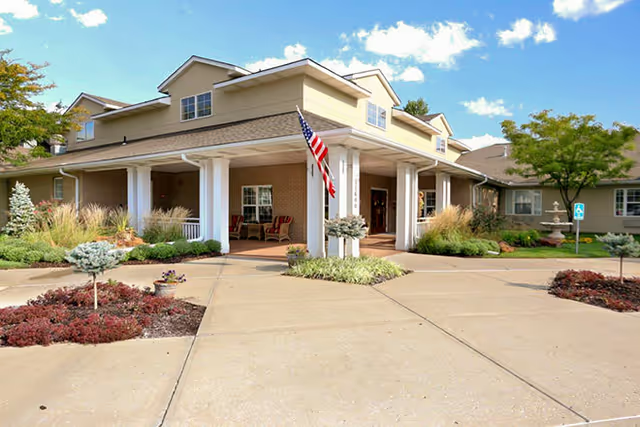
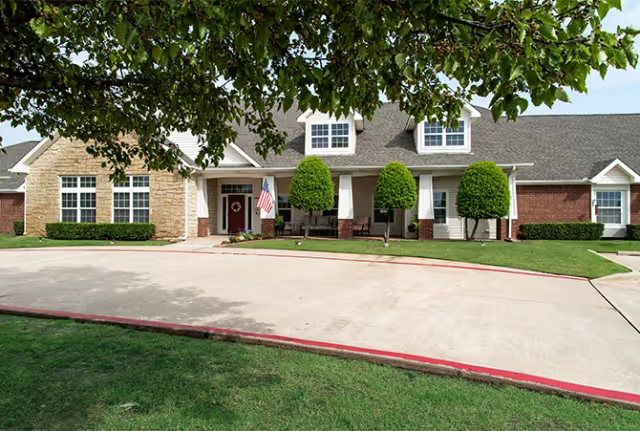
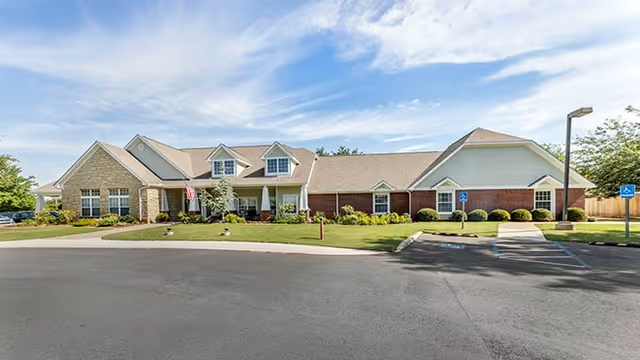
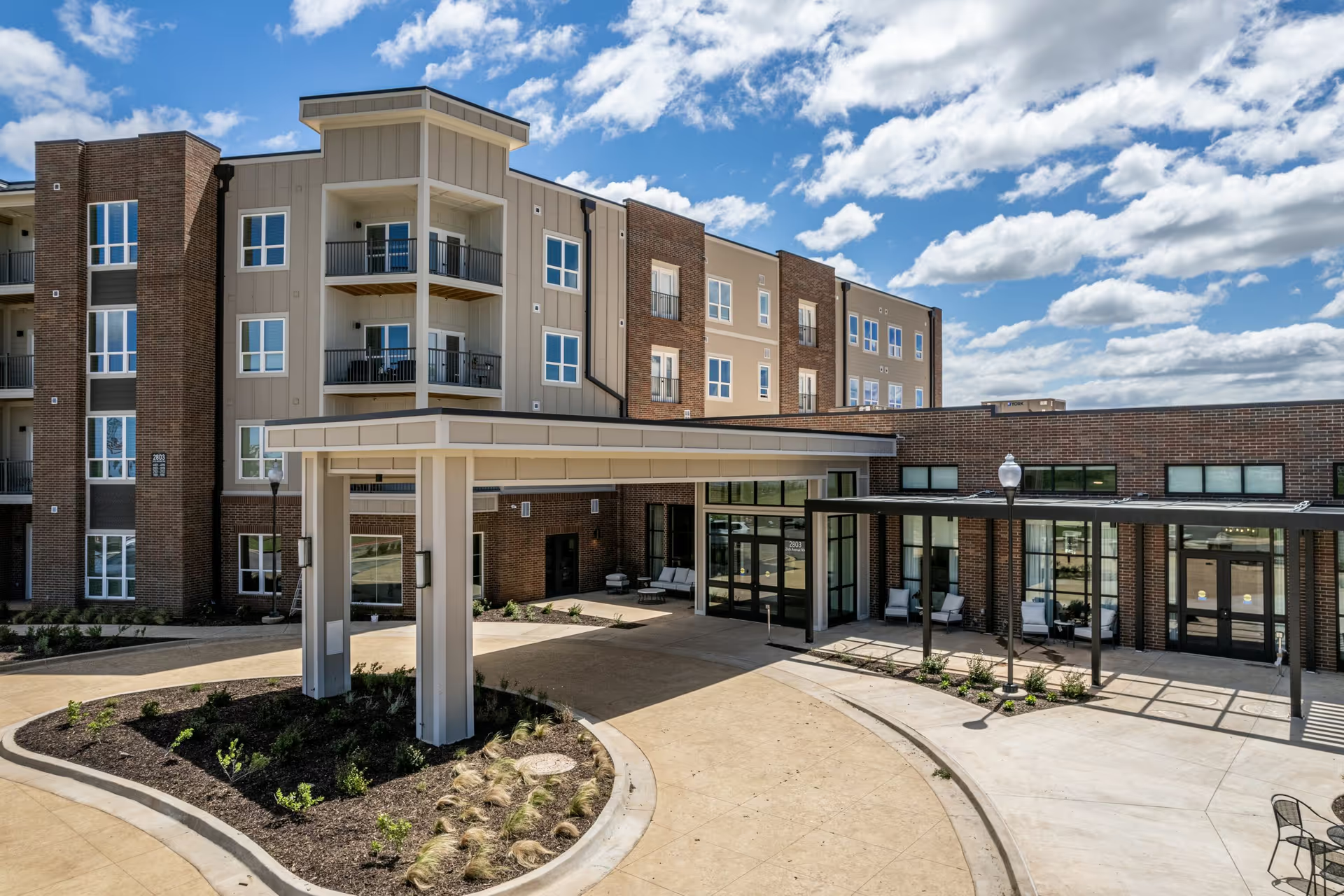
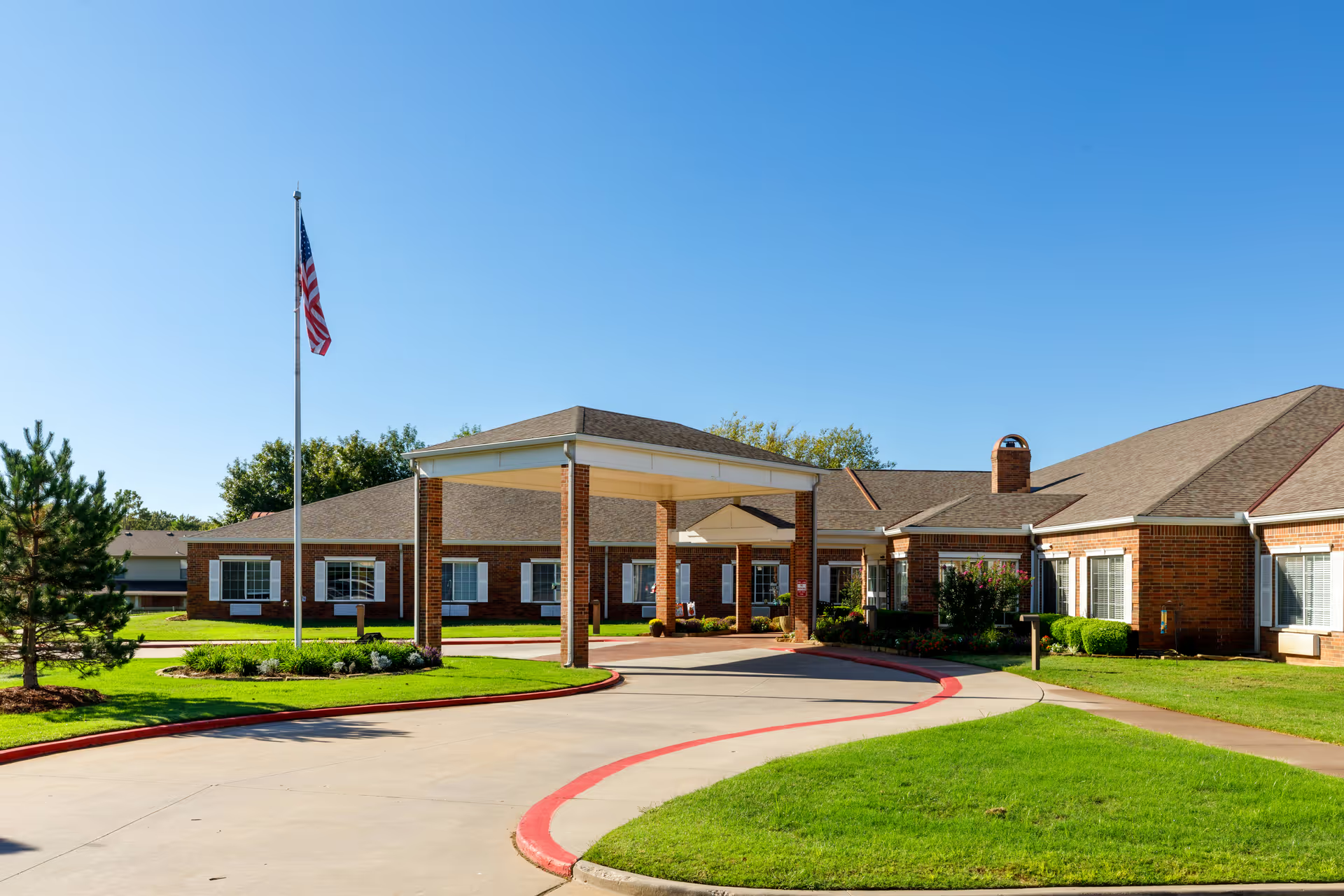
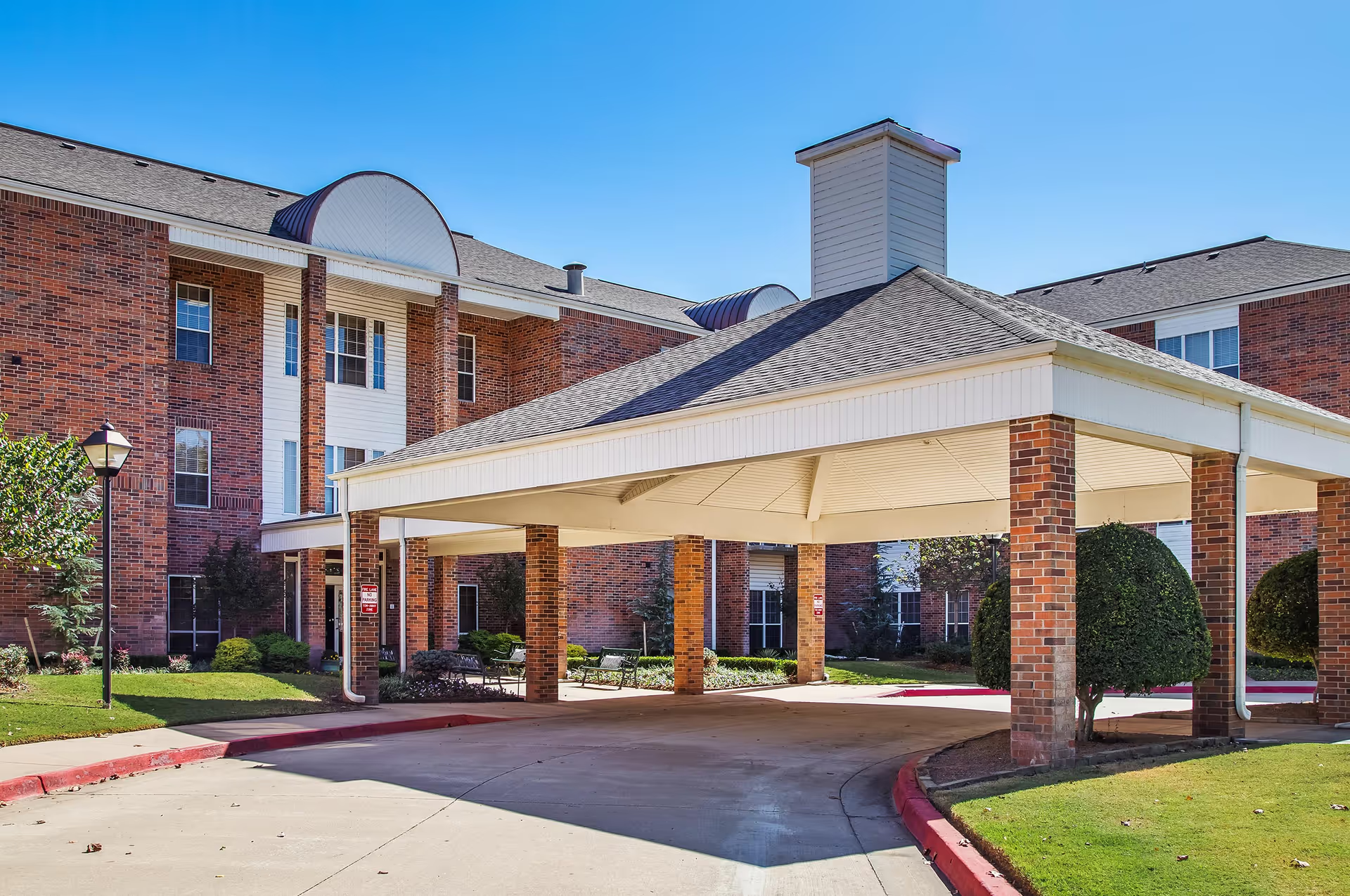
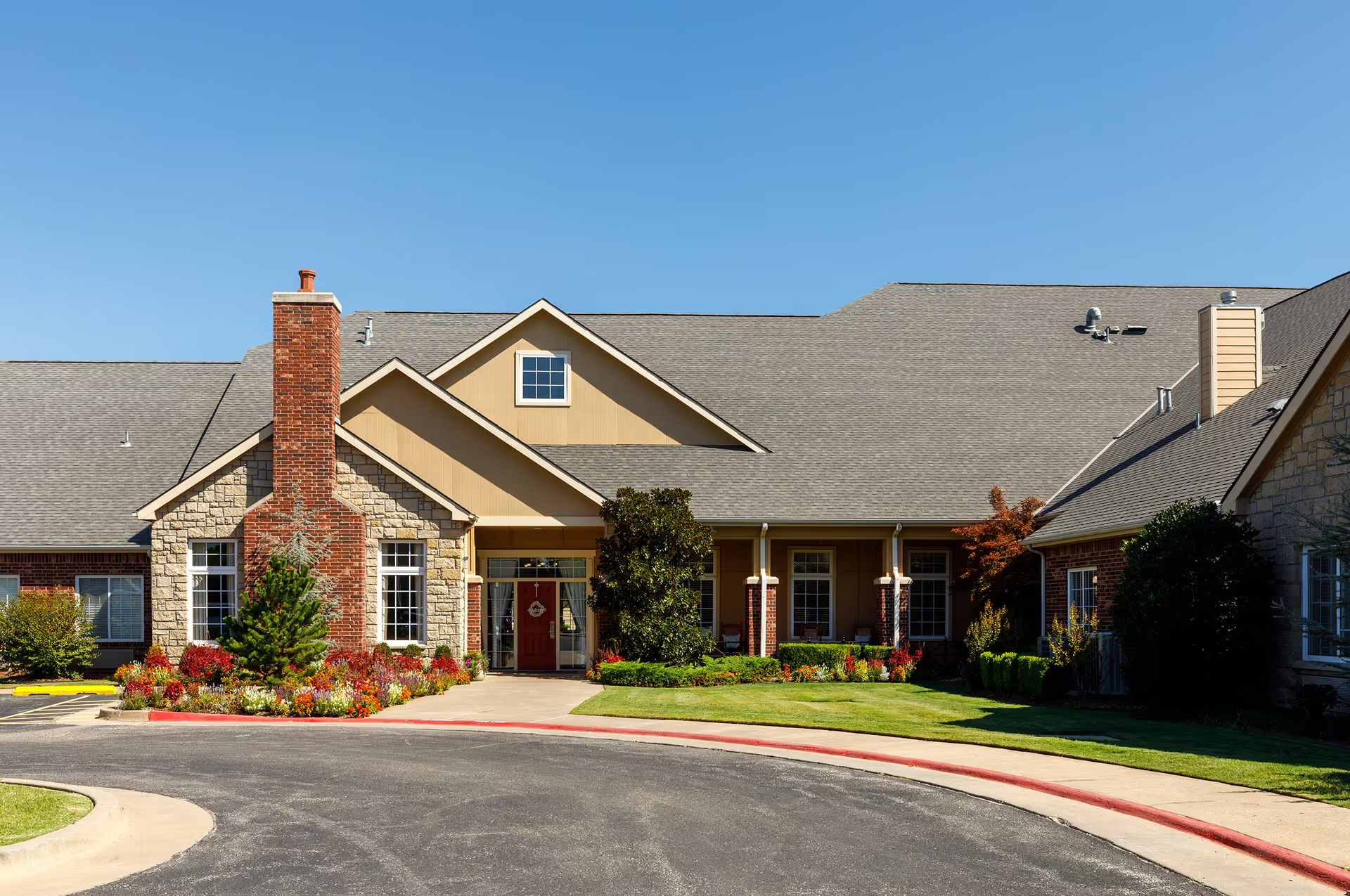
Facility condition observations are mixed. The building is described as older but generally maintained, with some reviewers noting responsive maintenance. Counterbalancing that are repeated sanitation and odor concerns in specific areas, and comments raising infection-control and visitation-policy issues during critical events. There are also reports of inconsistent bed-transition or room-holding practices that affected residents returning from hospital or procedures.
Management and oversight are another area of divergence. Positive accounts mention administrators and a director of nursing by name in supportive terms; negative accounts describe turnover, management instability, poor transparency with families, and inconsistent follow-through on complaints. One review includes an allegation of financial misconduct involving a staff member; others describe problems with communication after resident deaths and limits to end-of-life family interaction during infection-control periods. Together these items point to governance and policy areas that prospective families should review carefully.
Notable patterns across the reviews are polarization and variability: many families report strong, compassionate interactions and reliable support services, while others describe operational lapses that materially affected care. Prospective residents and family members would be well served by in-person tours, targeted questions about staffing levels (including weekend coverage), medication-administration protocols, sanitation and infection-control practices, memory-care programming, emergency transfer procedures, and complaint/communication pathways. Verifying hospice coordination options and confirming room-transition policies are also advisable given the themes present in these accounts.