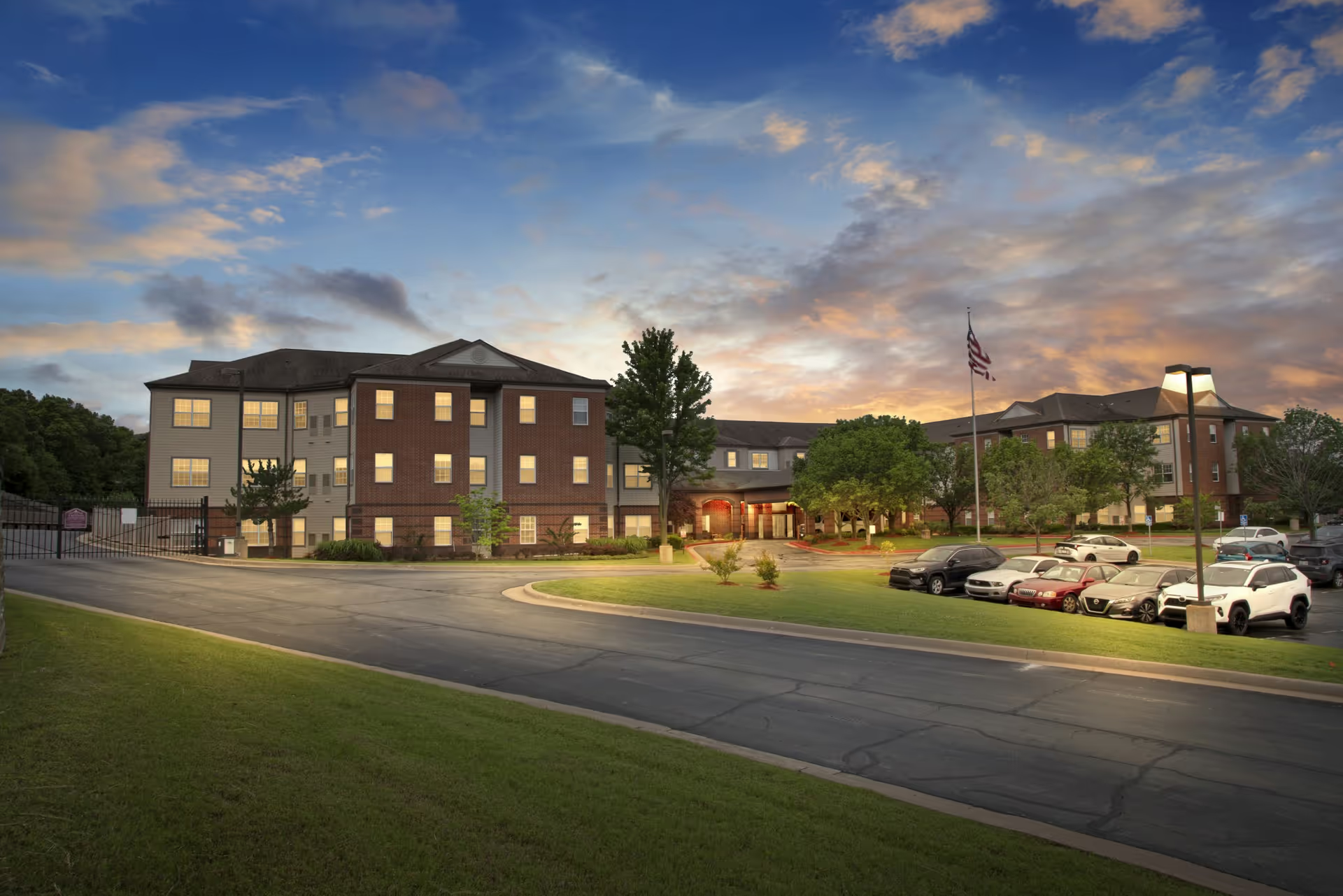
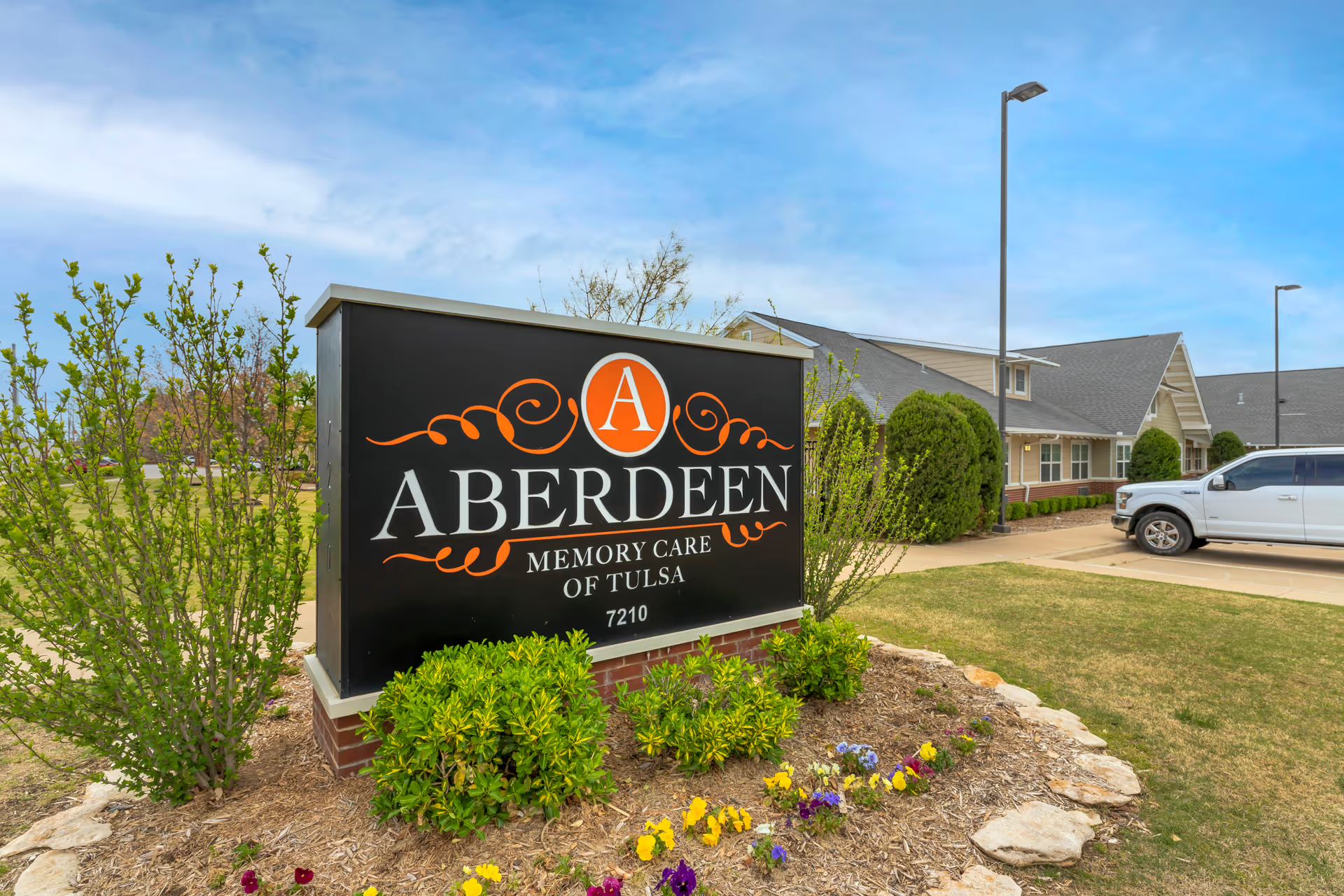
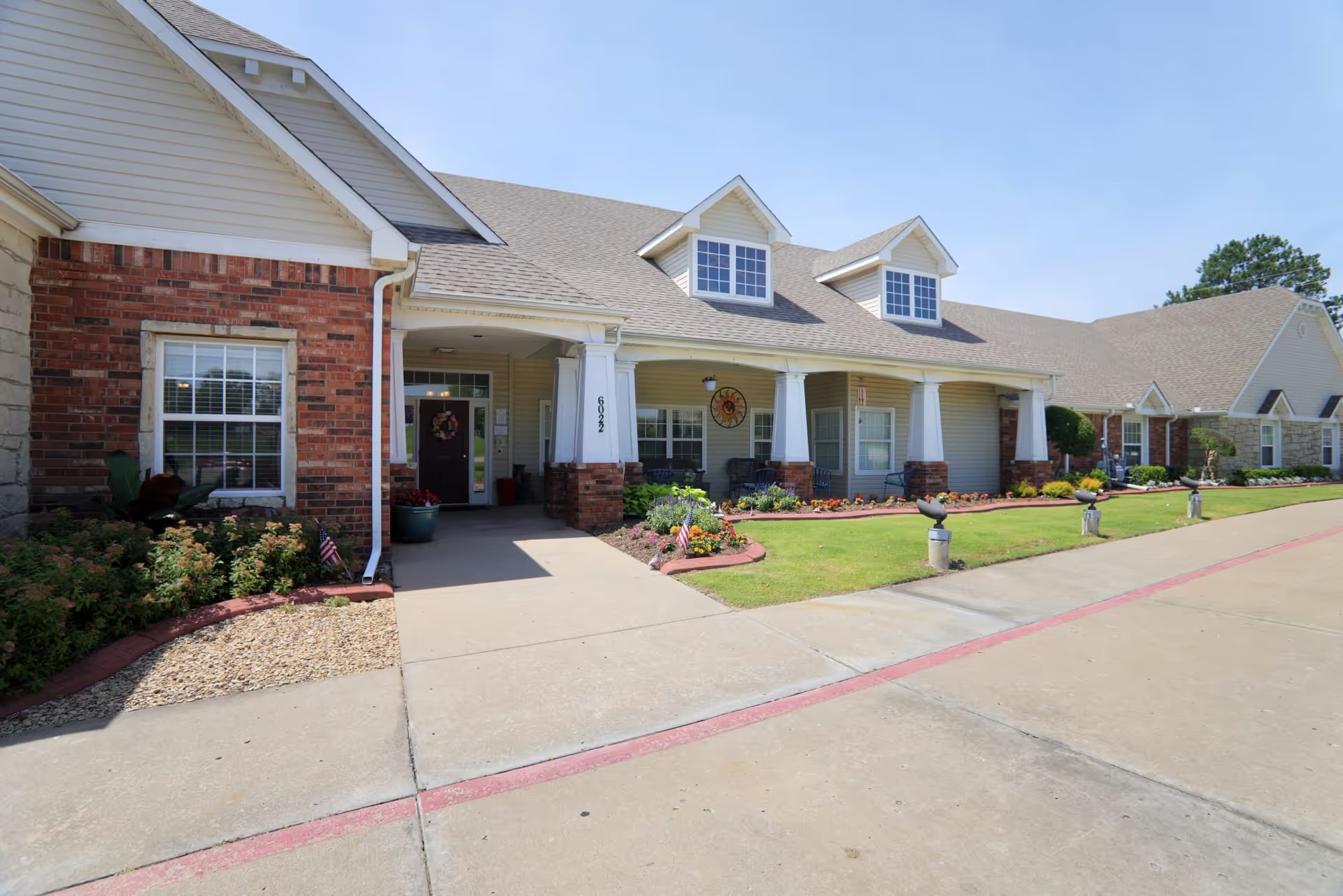
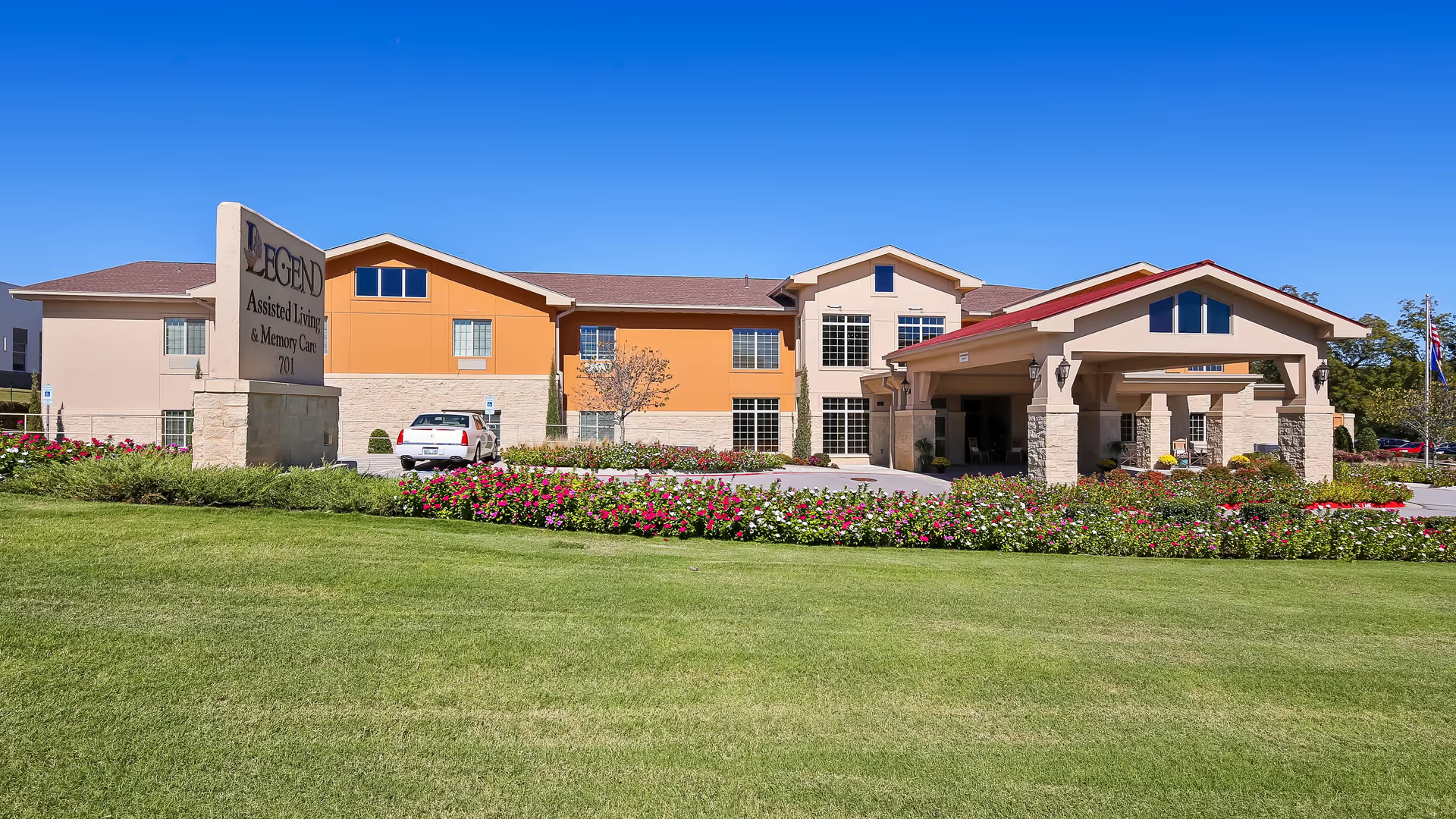
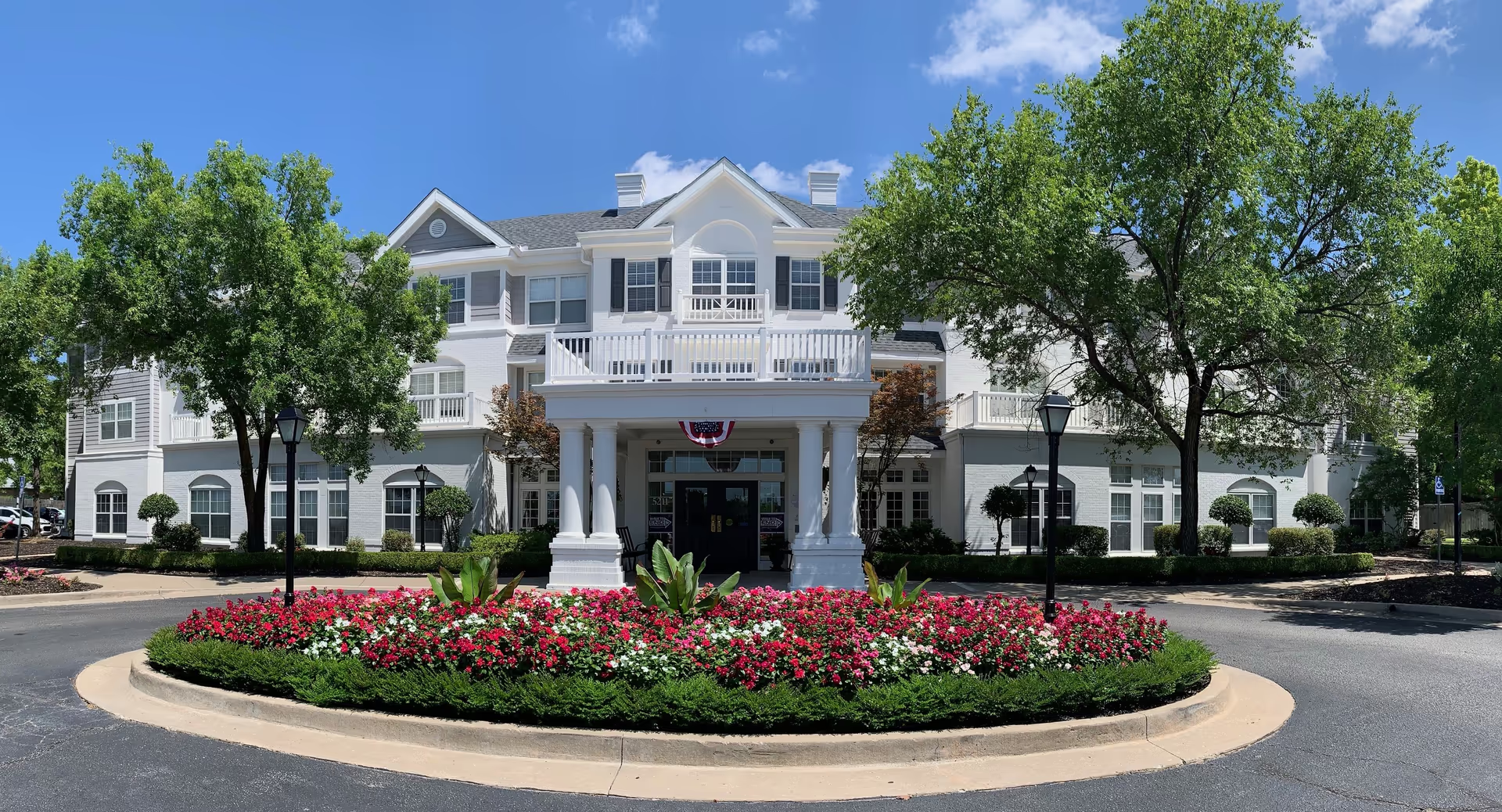
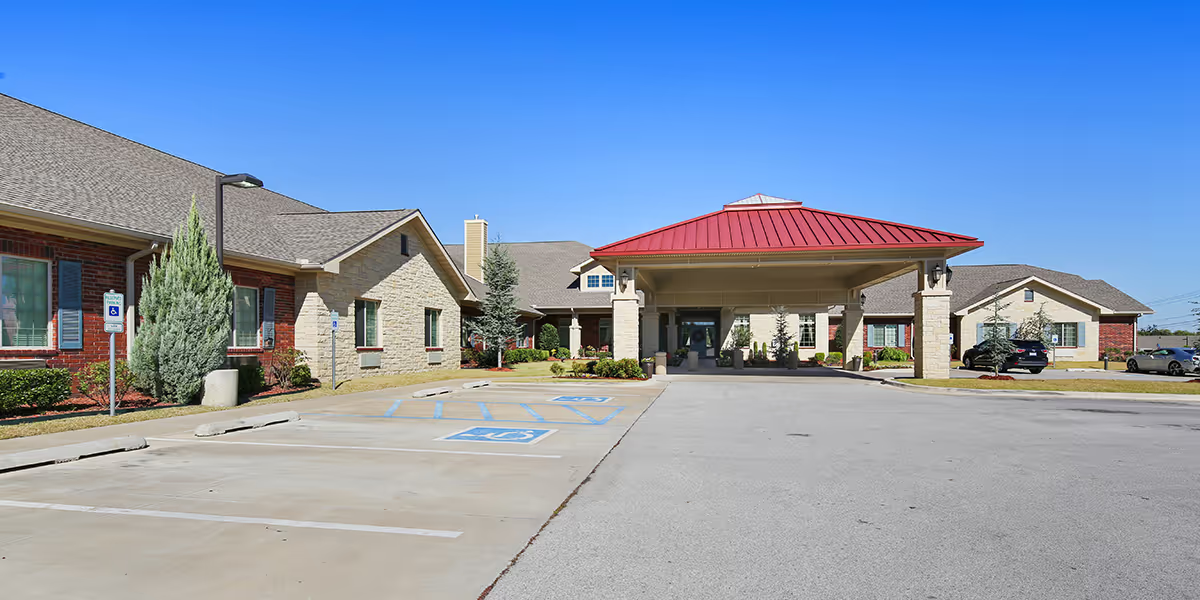
University Village presents as a large, campus-style retirement community with a wide continuum of living options—independent cottages, apartments, assisted living, on-site rehab and skilled nursing. Many reviewers praised the community aspects: an active social calendar, numerous activities (exercise classes, games, chapel services, arts and entertainment), and a friendly resident population. The campus offers a range of unit sizes, private cottages with full kitchens and outdoor spaces, pet-friendly areas, and convenient on-site transportation, which together support independent living and social engagement for many residents.
Clinical care and staffing receive mixed evaluations. Strengths include an on-site therapy and rehabilitation team, skilled nursing availability, and many accounts of compassionate, long-tenured caregivers who supported recovery and provided responsive day‑to‑day assistance. At the same time, there are recurring concerns about inconsistent care quality between units and shifts: medication-management inconsistencies, sanitation concerns in some care areas (notably portions of long-term and memory care), and variability in personal‑care rounding. A small number of serious allegations about medication administration and family-communication breakdowns were described; those items suggest families should specifically inquire about medication protocols, staff ratios, and incident communication practices during tours.
Dining and food service are another area of divergence. Numerous residents and families compliment the food—generous portions, variety, and accommodating serving staff. Others describe a cafeteria-style setup with long lines, ordering delays, and limited early‑morning meal coverage. Prospective residents should verify meal-service logistics, special-diet accommodations, and whether dining formats suit their preferences.
Facilities and maintenance are similarly mixed. Many communal spaces, cottages and updated apartments are described as clean, well maintained, and attractively sited on a pleasant campus. Maintenance responsiveness and housekeeping are frequently noted as positives. Conversely, portions of the campus are older or institutional in feel; some reviewers cited dated finishes, the need for ongoing repairs, and disruptions related to remodeling (including temporary lease constraints and limited storage). The community’s size and long corridors can be challenging for residents with limited mobility, so unit location and proximity to dining/amenities are important considerations.
Management and communication show strengths and weaknesses. Staff are often characterized as friendly, helpful, and informative at admission and during routine care; admissions and insurance coordination were singled out as effective in many accounts. However, several reviewers described inconsistent communication with families, variability in follow-up after incidents, and uneven managerial responsiveness in certain situations. These patterns point to variability in operational consistency rather than a uniform institutional profile.
In summary, University Village offers a robust range of services, strong rehabilitation/skilled-nursing capability, attractive cottage options, and an active community life that suits many older adults seeking continuity of care. At the same time, prospective residents and families should conduct focused inquiries during tours about specific operational issues that repeatedly appear in the reviews: unit-level care consistency (especially in assisted/memory care), medication and incident‑response protocols, sanitation procedures, meal-service format and timing, lease terms during renovations, and walking distances from preferred units to key amenities. Asking for recent staffing ratios, sample menus, inspection records, and a walk-through of the actual unit under consideration can help align expectations with the variable experiences reflected in these reviews.