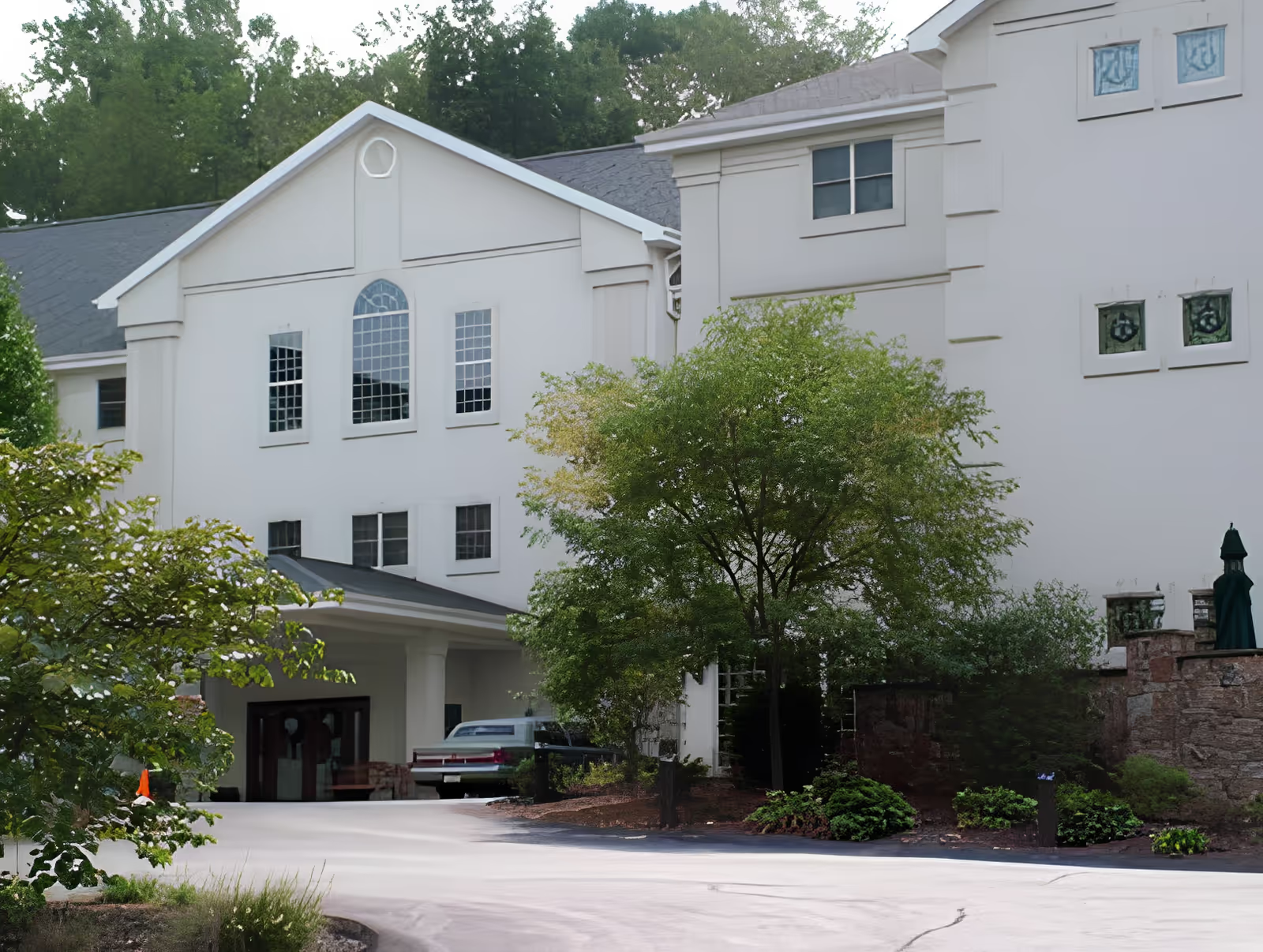
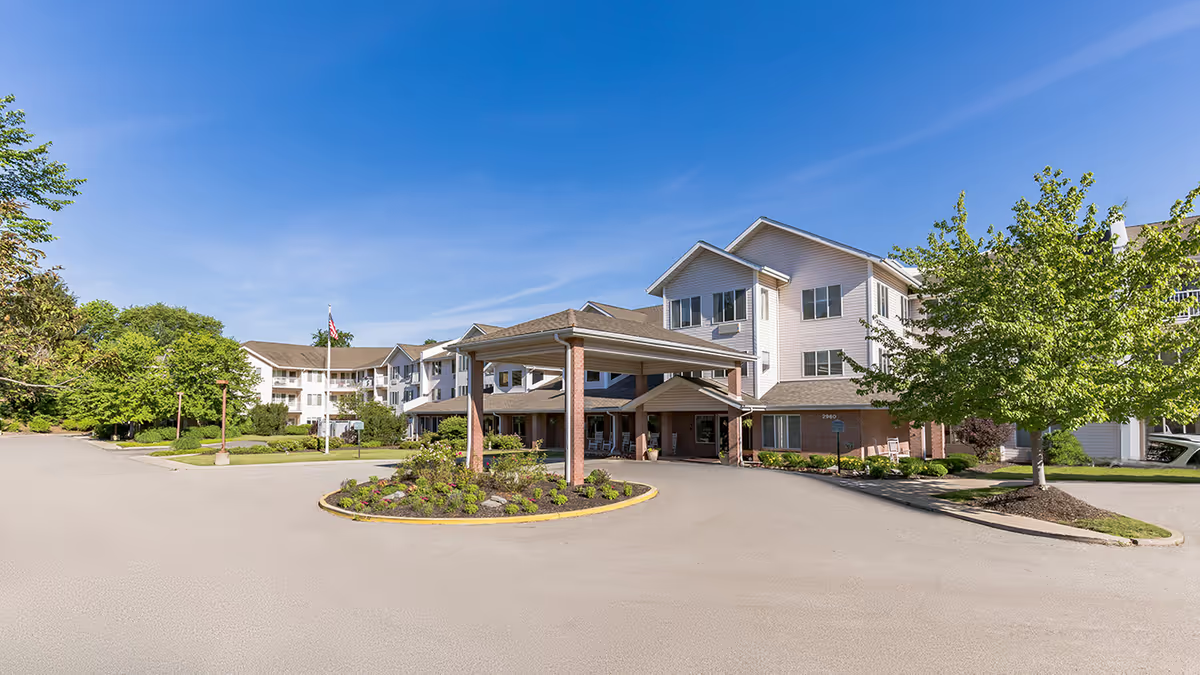
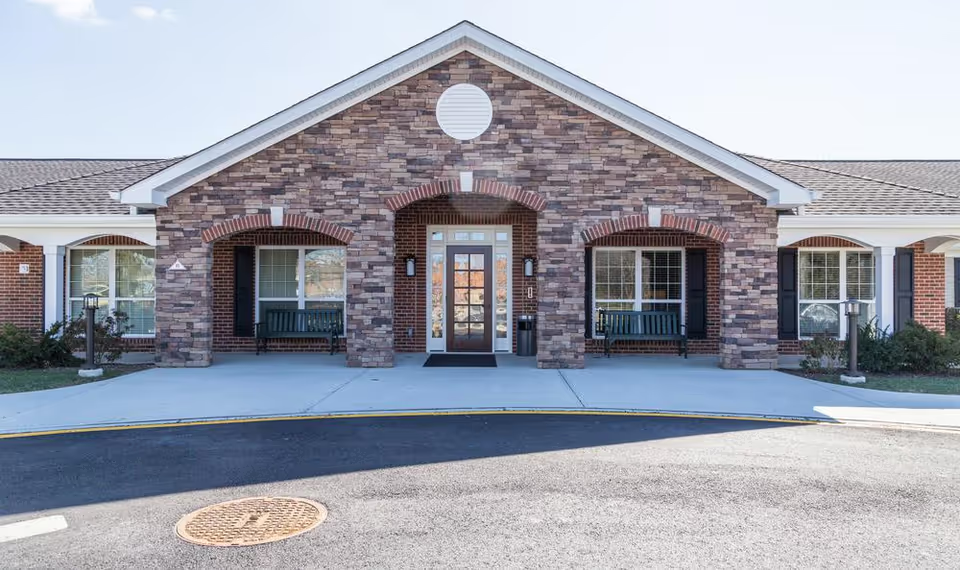
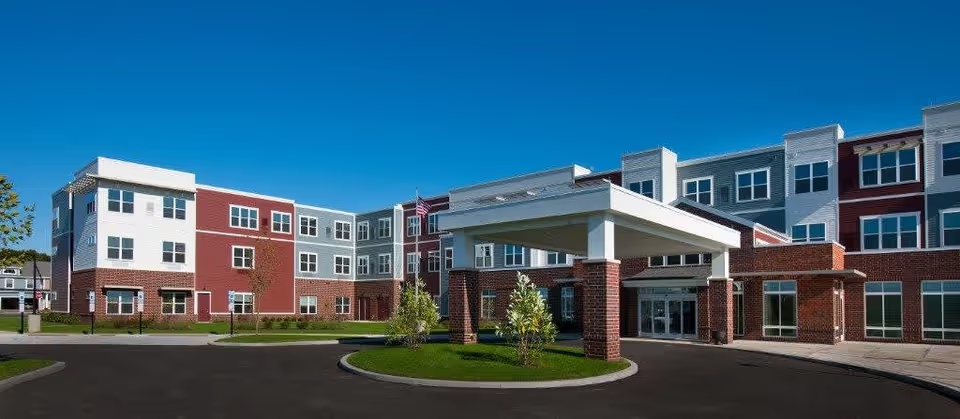
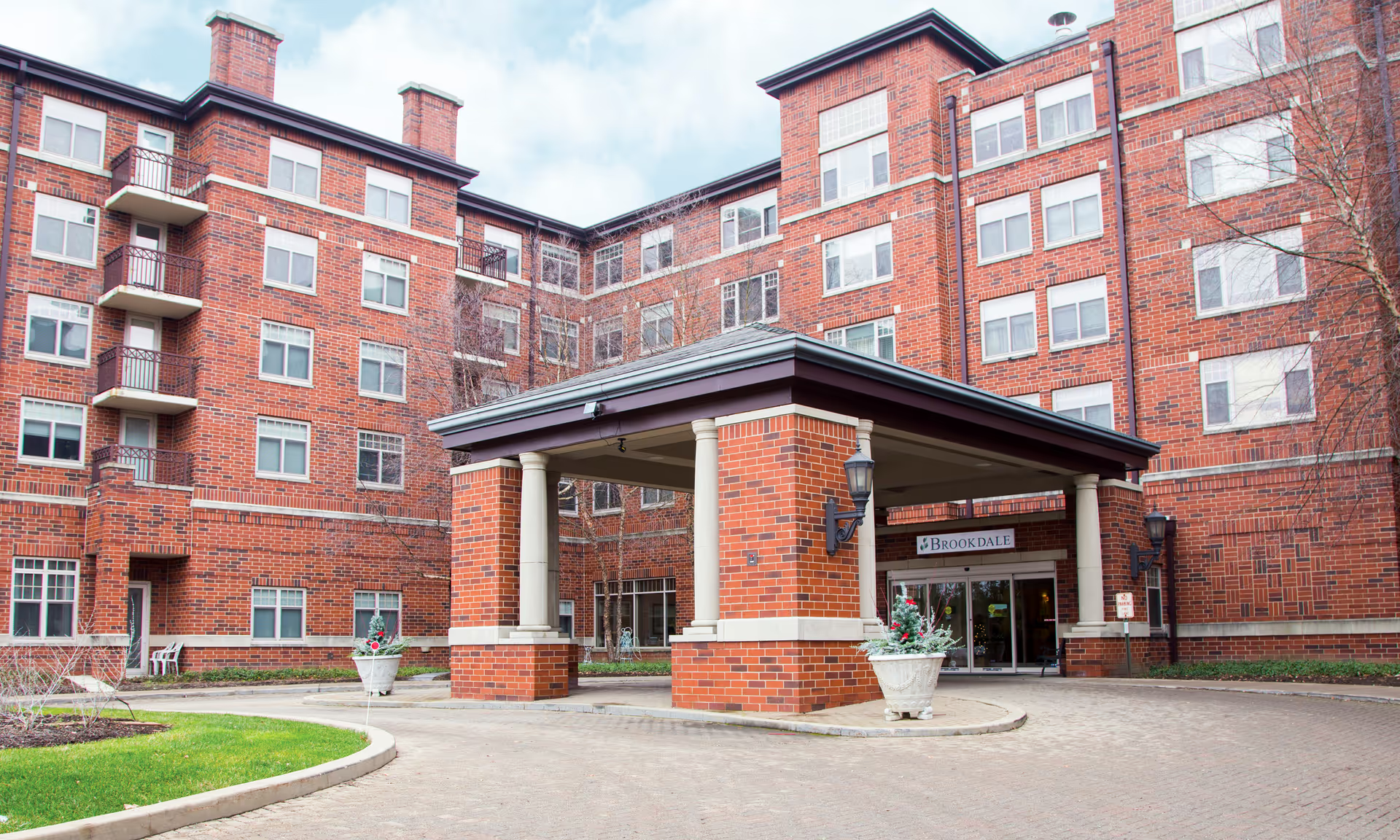
Halcyon of Bridgeville elicits a mix of strong positive impressions and operational concerns. Many families praise the clinical and caregiving teams: reviewers commonly describe compassionate, attentive nurses, aides, and med techs who provide personalized attention and accommodate dietary and end-of-life preferences. The memory-care staff are frequently singled out for quick assessment and compassionate care. Housekeeping and maintenance are often characterized as thorough, and communal areas — particularly an attractive outdoor patio and recently updated dining room — contribute to a small, home-like atmosphere that many families find comforting.
Dining and social programs receive consistently positive comments in assisted living: reviewers note high-quality meals, flexible menu accommodations, seasonal decorations, and engaging activities such as bingo and other interactive programming. However, activity availability appears uneven by unit. Assisted-living floors are generally described as active and well-programmed, while reviewers identify limited or inconsistent activity offerings in the memory-care unit. Renovations and improvements to furnishings and the dining environment have been noted and appreciated by several families.
Operational and management issues are the principal areas of concern. A number of accounts describe inconsistent administrative responsiveness, including difficulty reaching leadership by phone or voicemail delays. Staffing shortages and resource constraints are reported to affect coverage and response times during some shifts; this has also been linked to variability in care quality across units and shifts. Reviewers describe gaps in clinical-incident handling and family communication (for example, delayed or absent notification following safety events), alongside specific mentions of sanitation and pest-control issues and occasional odor concerns in some areas. Financial and contract-administration inconsistencies — such as deposit/refund delays and billing disputes — were raised in several accounts and in at least one instance led to consideration of legal resolution.
For prospective residents and family members, the facility offers notable strengths in individualized care, dining, housekeeping, and a small-household environment that many find welcoming. At the same time, the pattern of concerns suggests it is prudent to ask targeted questions during a visit: current staffing ratios by shift, memory-care activity schedules, incident-reporting and family-notification protocols, recent sanitation and pest-control remediation efforts, billing and deposit policies, and administrator accessibility. Direct observation of care during different shifts and discussions with current families can help clarify whether the facility’s strengths will meet a prospective resident’s needs and expectations.