Concordia at the Orchard presents as a community with consistently strong person-centered care and a pronounced sense of community. Families and residents emphasize compassionate, family-oriented staff and leadership that is described as accessible and responsive. Nursing leadership and frontline caregivers receive frequent praise for individualized care plans, timely clinical attention, and open lines of communication with families, which contributes to residents’ and families’ reported peace of mind.
Clinical services are characterized as proactive and competent. Reviewers highlight responsive nursing, quick medical attention when issues arise, and skilled physical therapy. Care coordination appears to be a strength, with staff able to tailor routines and dietary needs (including gluten-free options) and to escalate concerns to leadership effectively. Ancillary services such as hairdressing, activities, and dietary staff are described as contributing positively to residents’ daily life.
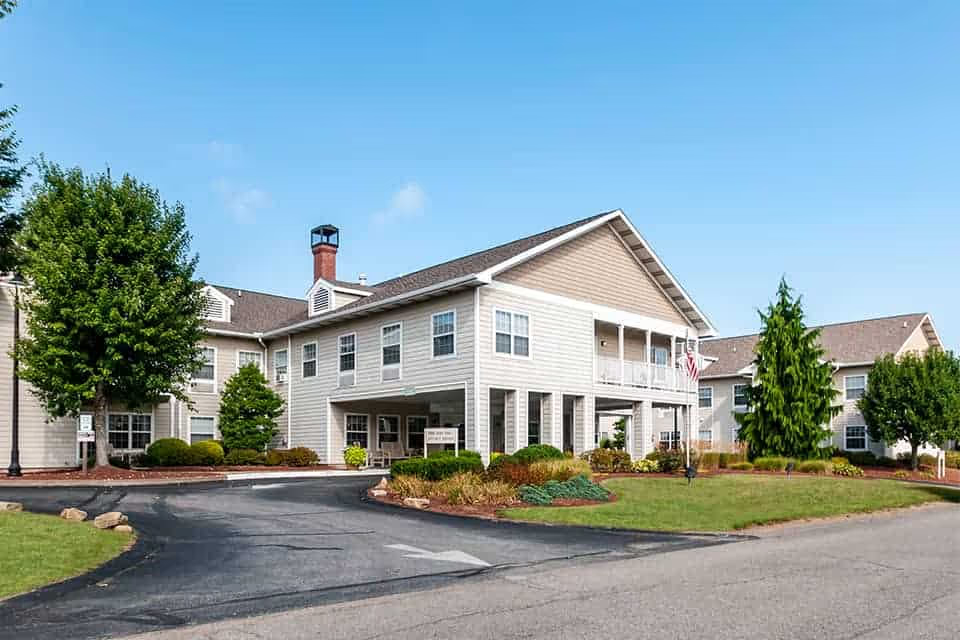
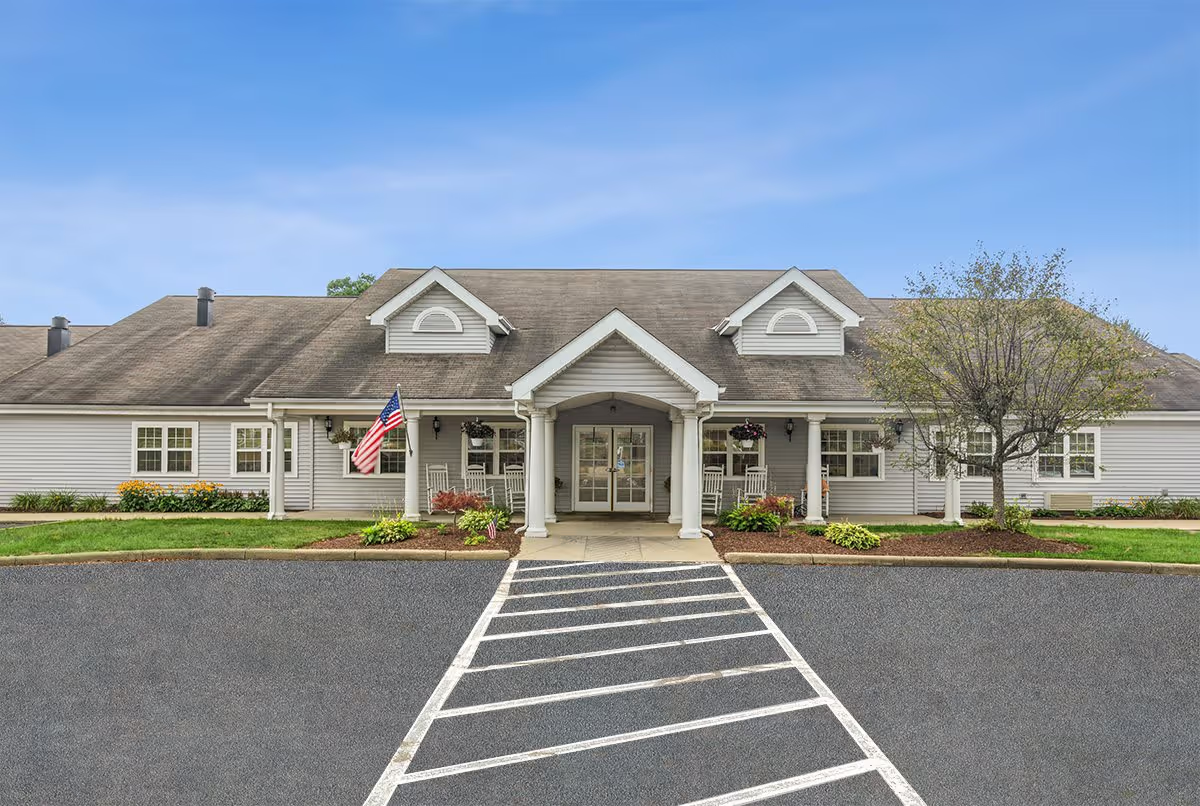
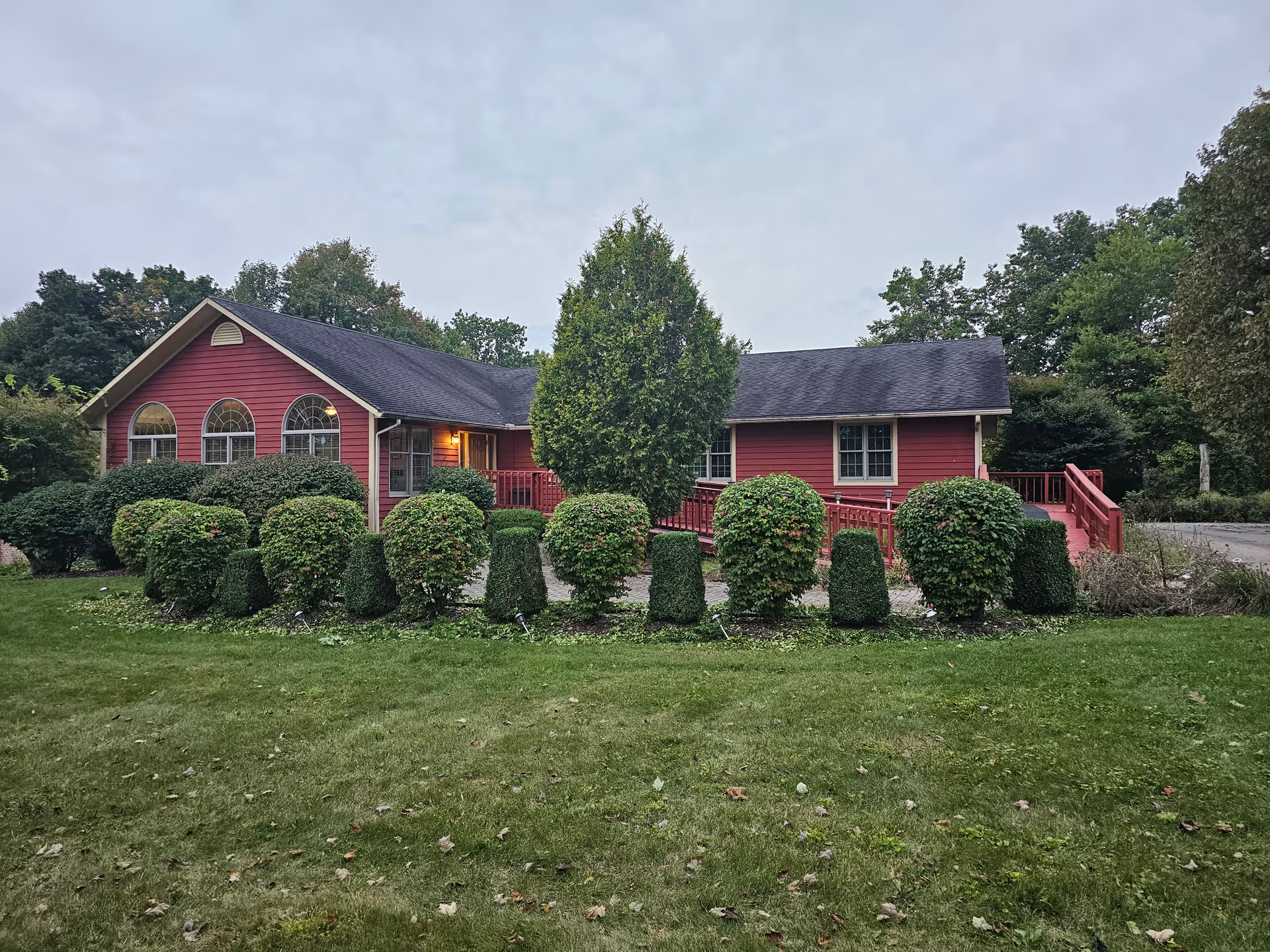
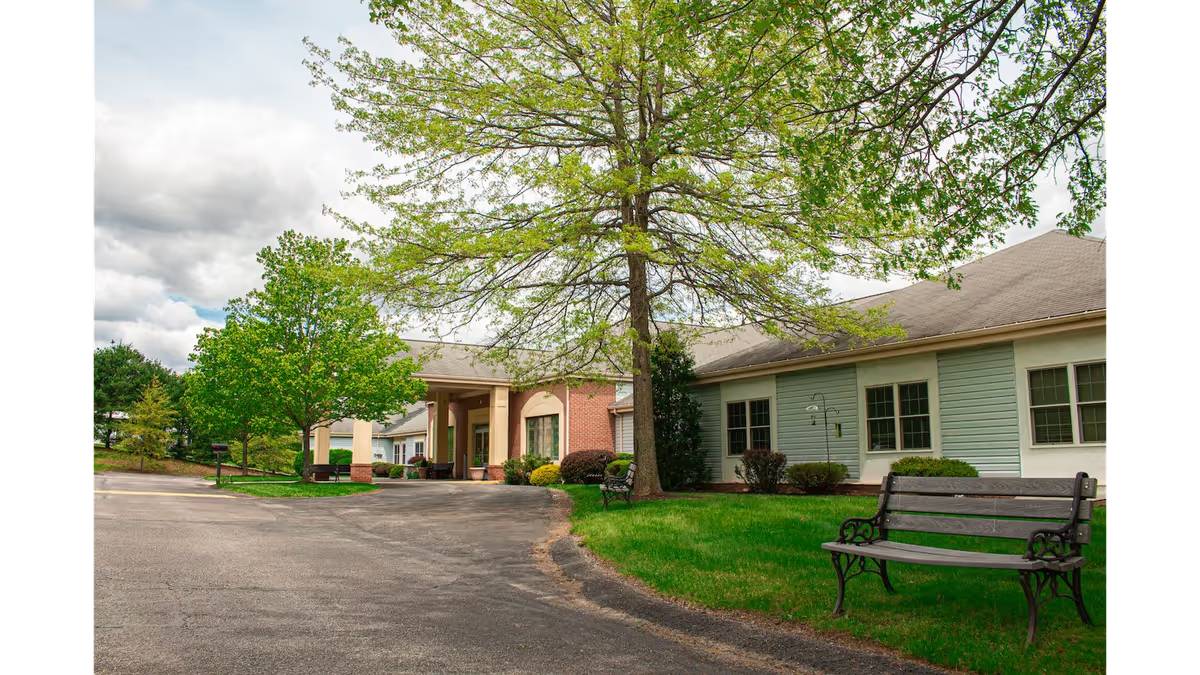
The community’s programming and social environment are also notable. Activities are described as abundant and engaging, and the resident community is characterized as friendly and welcoming. Facilities are repeatedly described as clean and well maintained; maintenance staff are reported to be efficient and responsive, supporting an orderly living environment.
Despite these strengths, internal staffing and management dynamics raise operational concerns. Several comments from staff indicate workload pressures and limited break coverage, coupled with perceptions of low frontline pay. These conditions are linked to strained teamwork and uneven shift support. In addition, some accounts point to perceived favoritism or uneven managerial decision-making, which may affect staff morale and could influence consistency of care over time.
Overall, Concordia at the Orchard offers many positive indicators for prospective residents: attentive caregiving, strong therapy services, accommodating dining, active programming, and well-kept facilities. Prospective families may benefit from asking leadership about current staffing levels, break and shift-coverage practices, turnover rates, and how the community addresses staff morale and equitable managerial practices to ensure sustained care continuity.