The reviews present a polarized but actionable picture of Greenery Center for Rehab and Nursing. Many accounts highlight strong rehabilitative services, a compassionate caregiving culture, and recent physical improvements to parts of the building. At the same time, there are persistent operational concerns — most notably around sanitation, clinical consistency, and staffing — that prospective residents and families should evaluate during a visit.
Care quality and clinical services: The facility receives consistent praise for its physical and occupational therapy programs; reviewers frequently credit therapists and modern equipment with measurable functional improvement and successful discharges. Nursing and aide staff are often described as caring and attentive, with numerous specific compliments for individuals and teams. Conversely, recurring concerns include medication delays and documentation inconsistencies, gaps in wound-care and repositioning protocols, infection-control lapses, and reports of falls or safety-system gaps. These issues point to variability in clinical performance rather than uniform poor care: some patients experience excellent clinical management while others encounter significant shortcomings.
Staff and team dynamics: Staff behavior is a notable strength and a notable weakness depending on the reviewer. Many reviews praise compassionate, patient-focused nurses, CNAs, therapists, and accessible administrators or social workers. Others cite inconsistent staff responsiveness, episodes of unhelpful conduct, and reliance on temporary or short-staffed shifts that affect timeliness of care. The pattern suggests solid core personnel and leadership in some units, with staffing instability and uneven training or oversight affecting other shifts or areas.
Dining, activities, and resident life: Dining and activity programming are frequently described as strengths. Several reviewers note restaurant-style meals, varied menus, snacks, and accommodating kitchen staff; others note processed items and limited availability of therapeutic diets. Activities programming — including bingo, crafts, spiritual programming, and outdoor use of the patio — is cited as engaging and supportive of a family-like atmosphere. Overall quality here appears generally positive but with variability in therapeutic-diet provision and meal consistency.
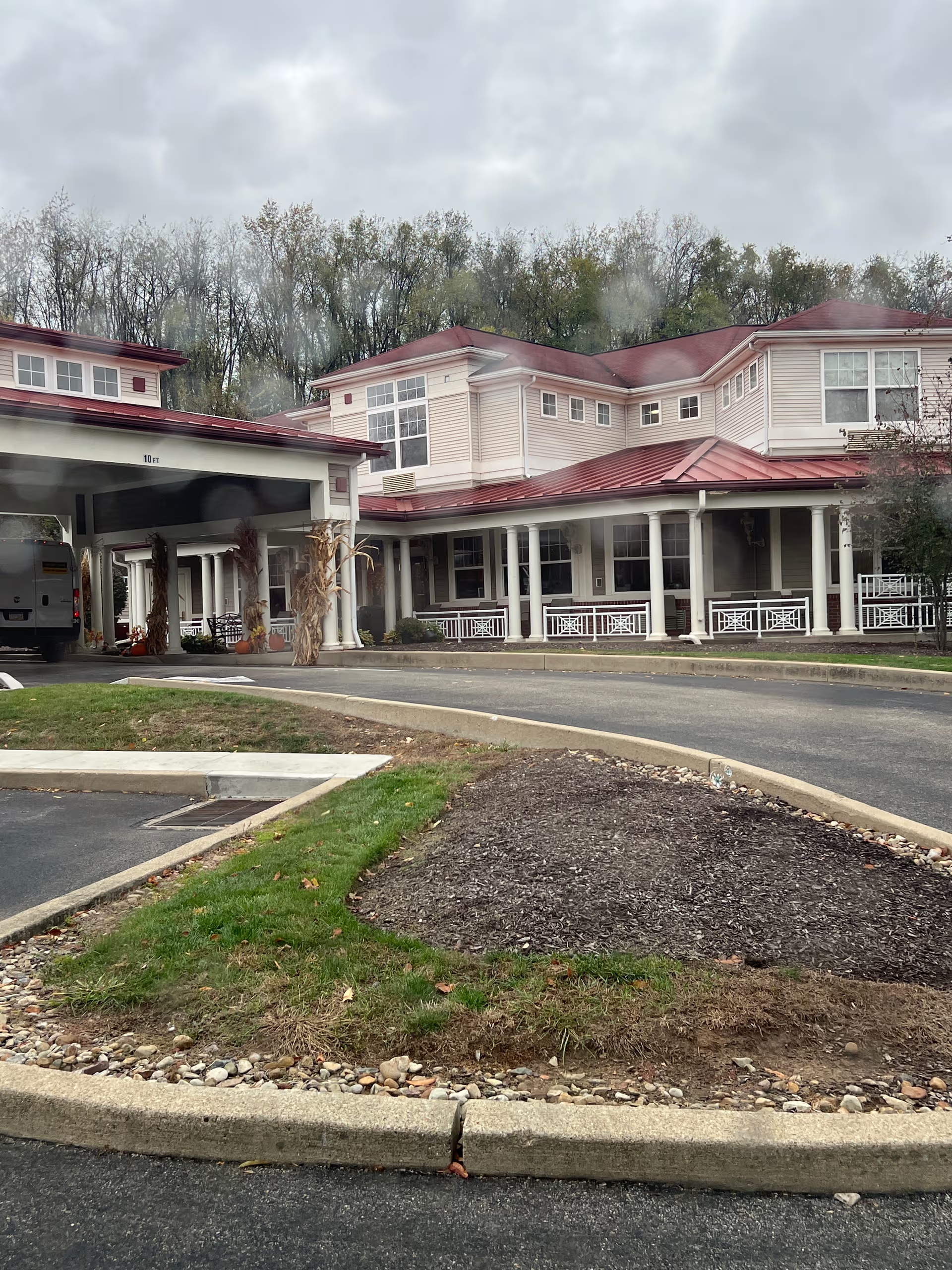
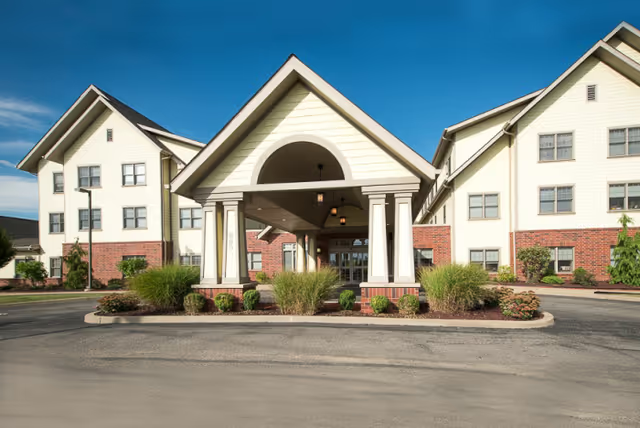
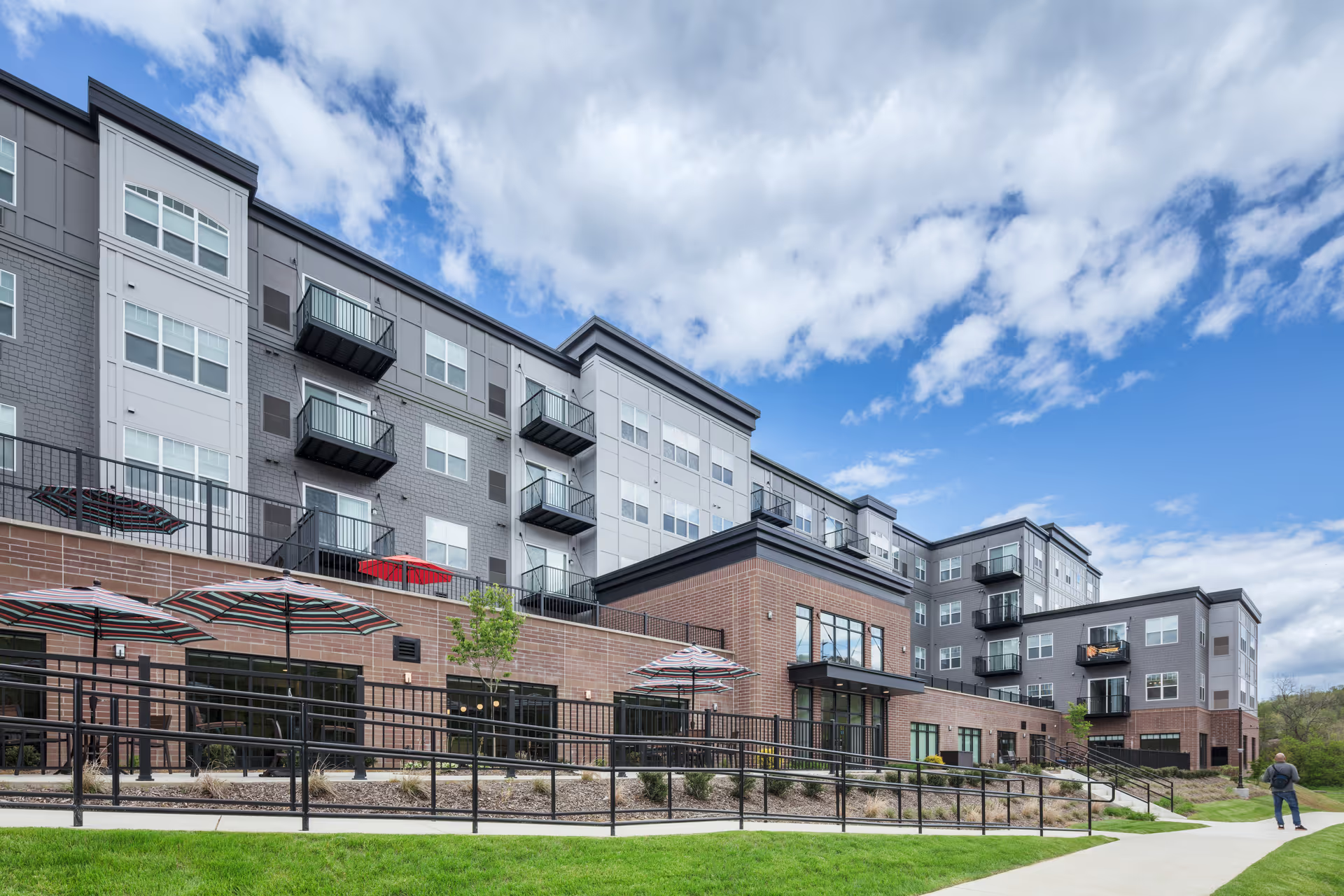
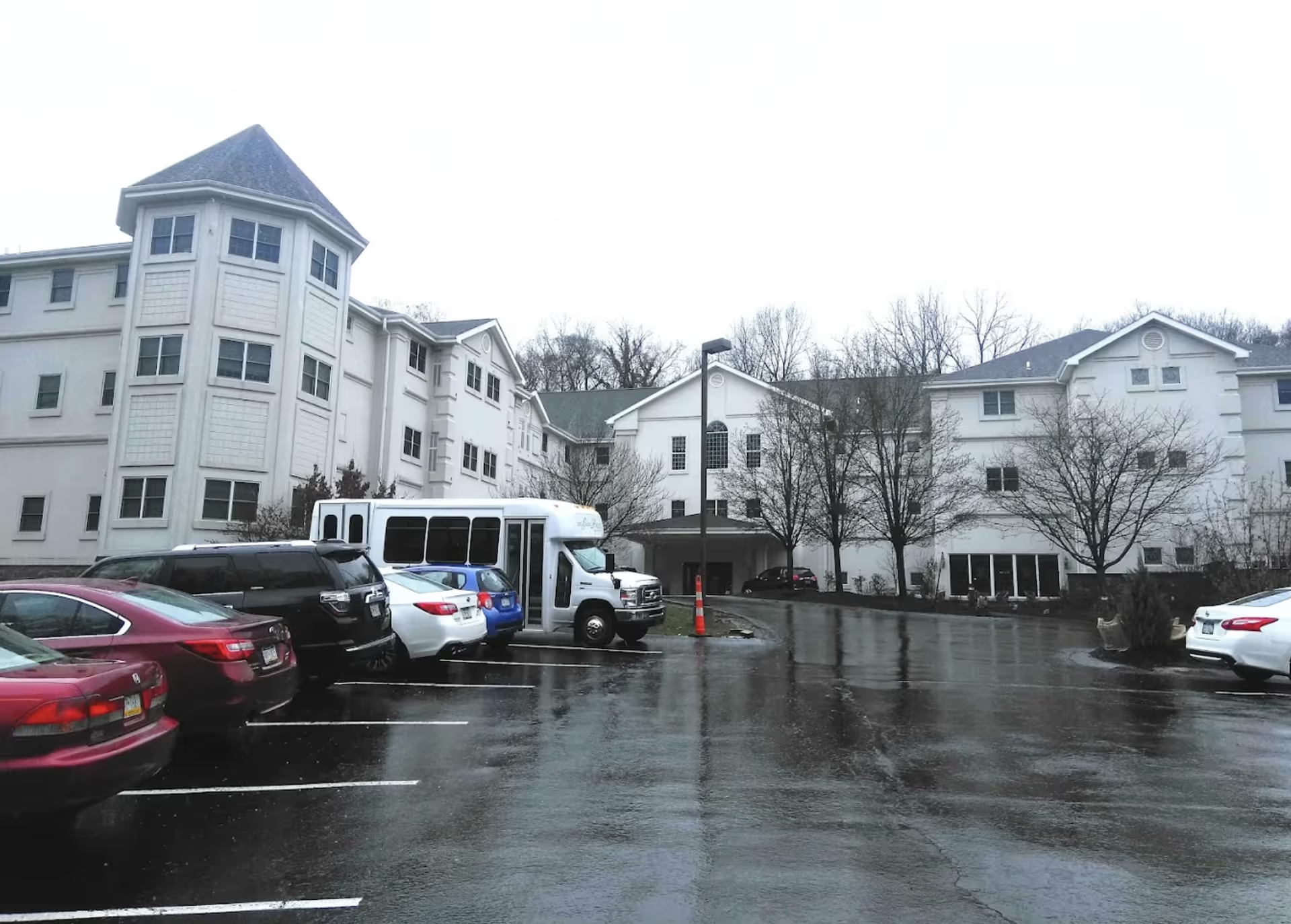
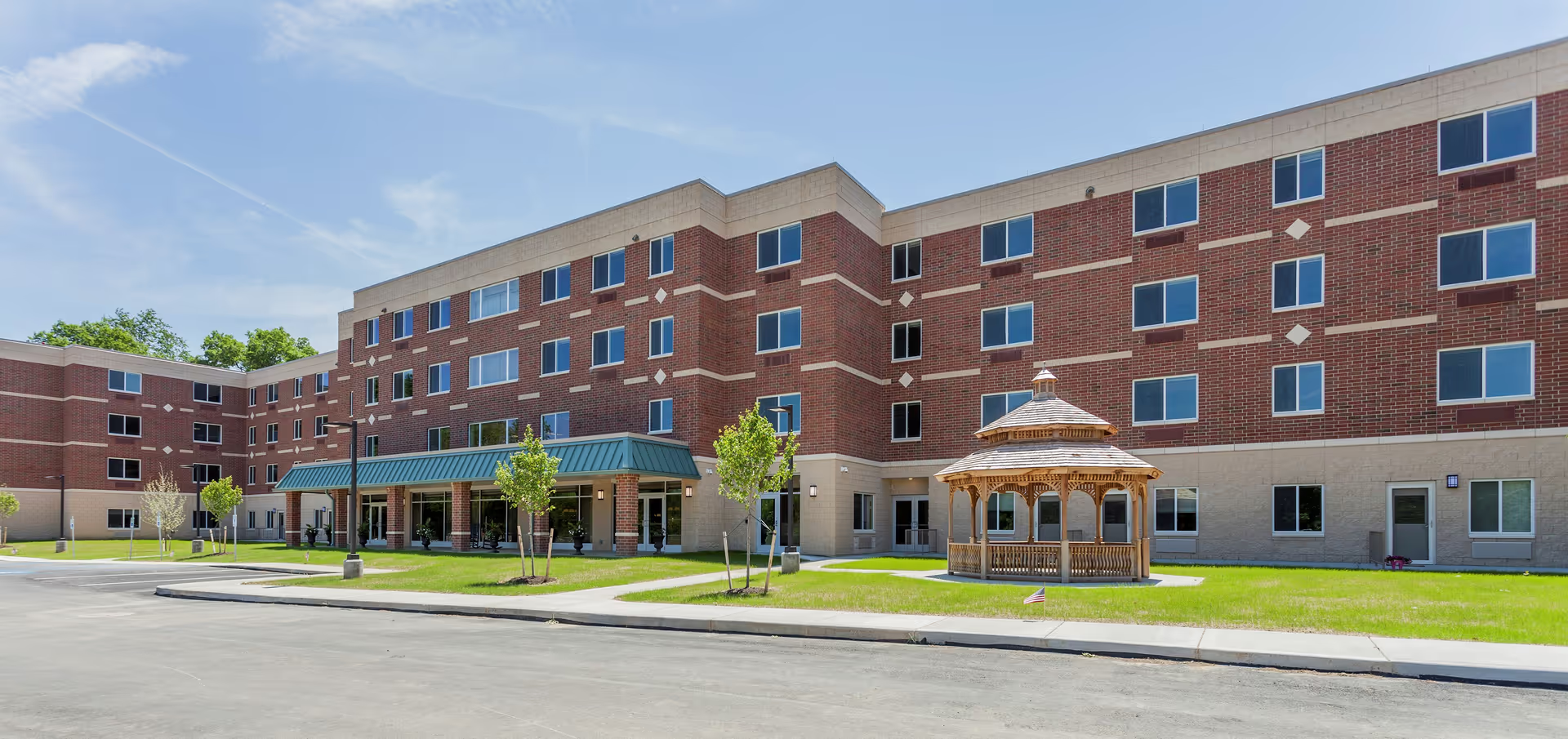
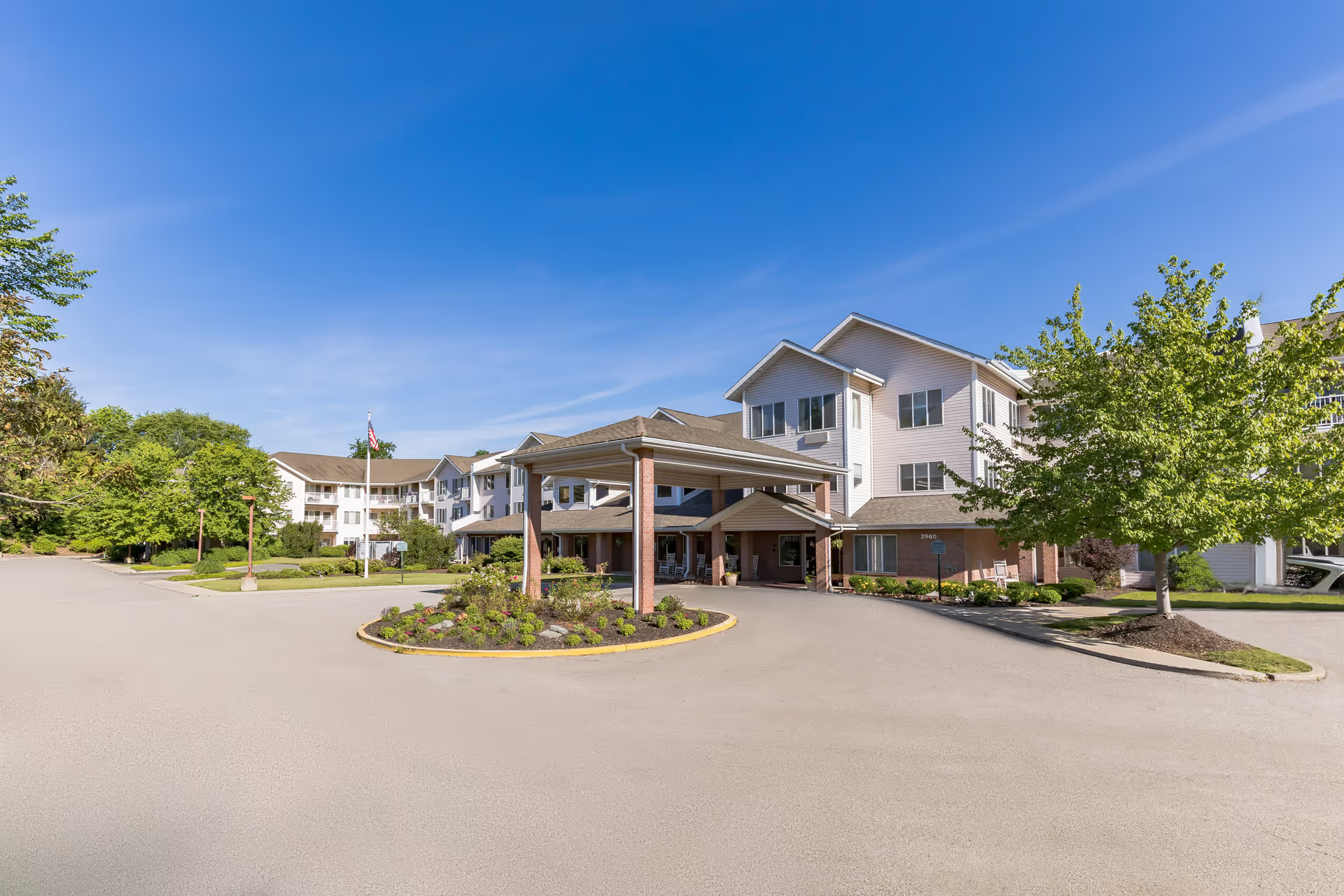
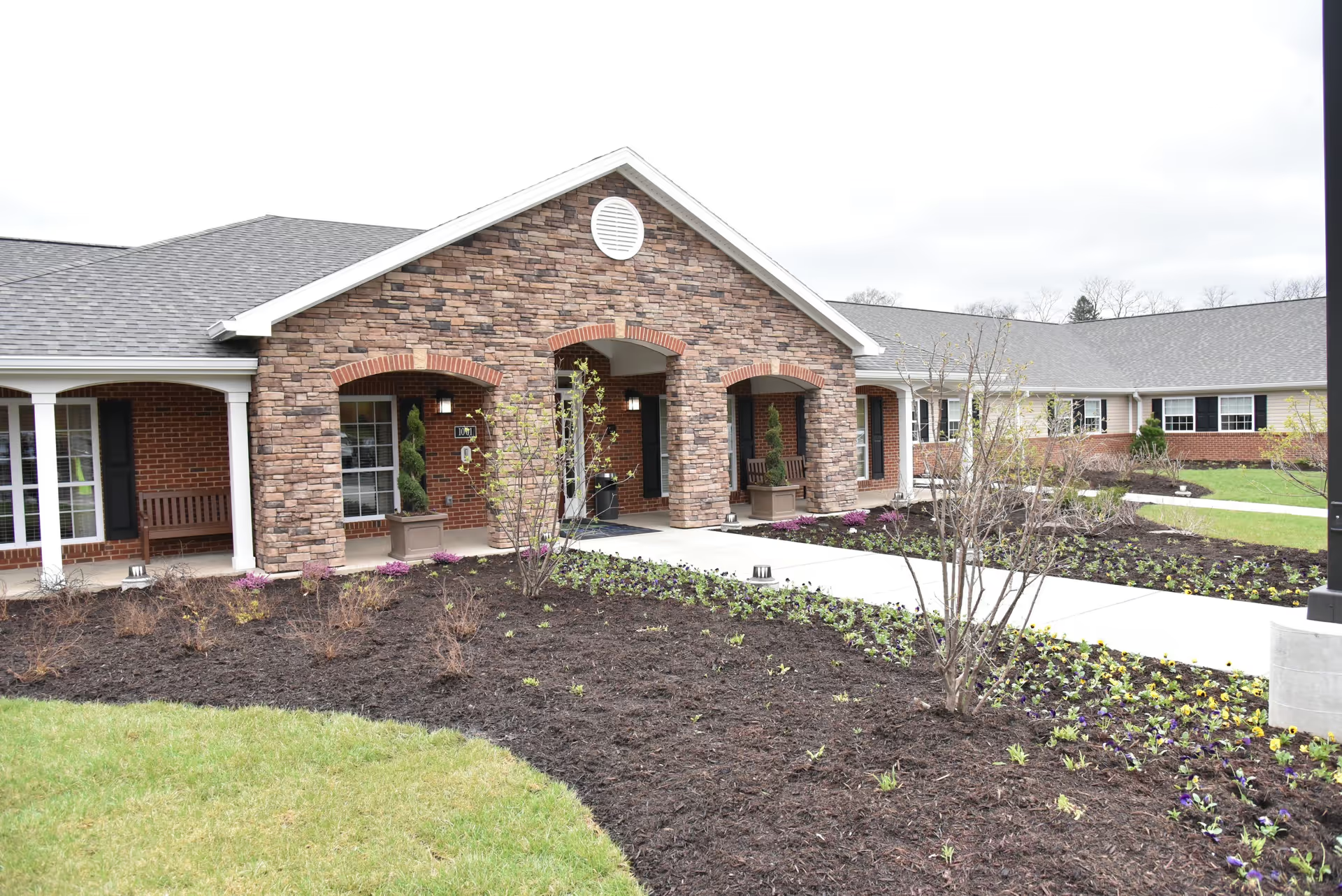
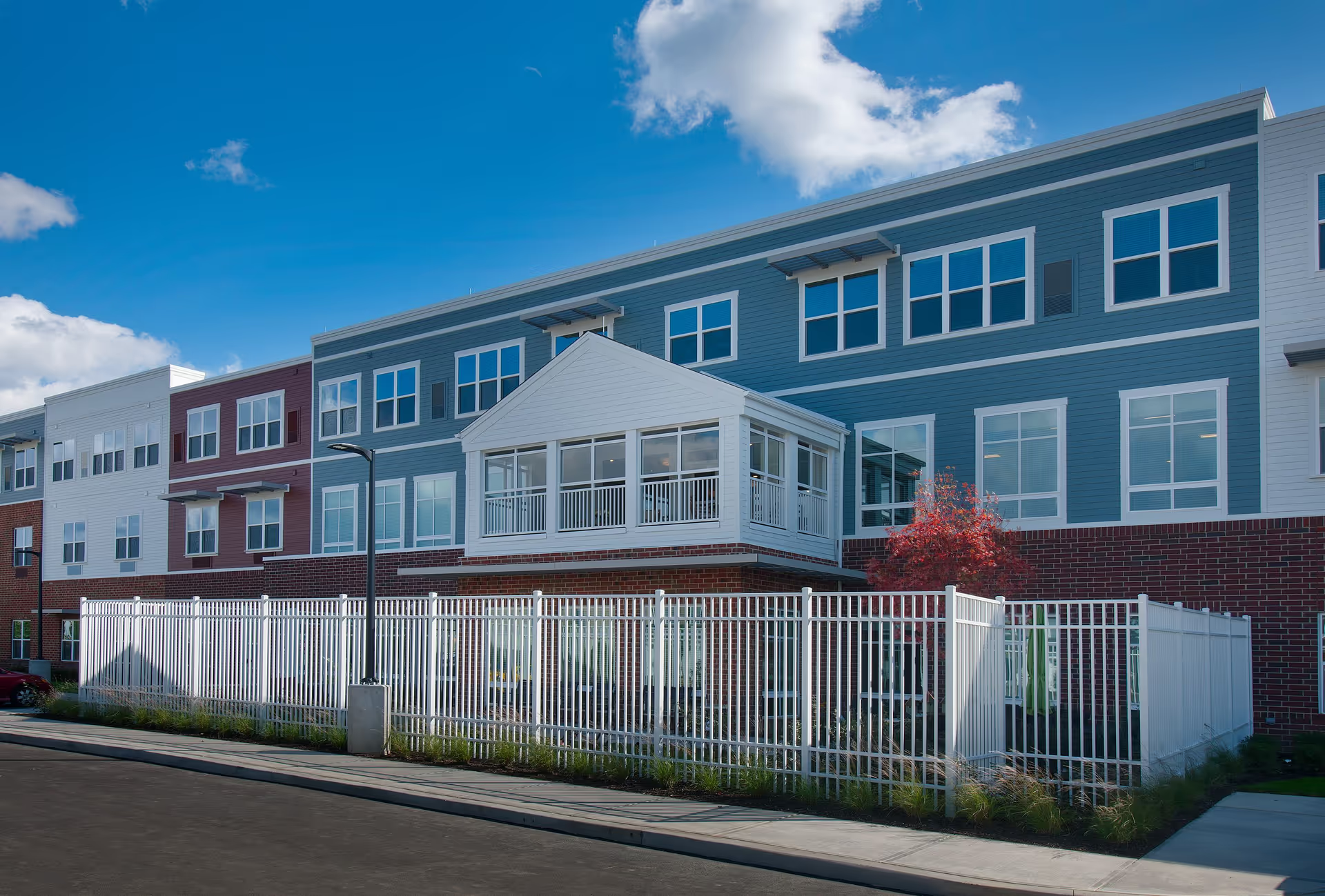
Facilities and environment: Physical plant comments are mixed. Renovated areas, particularly a remodeled west wing and common spaces, are repeatedly described as clean, modern, and well maintained. In contrast, older wings are characterized by smaller rooms and bathrooms, occasional odor concerns, and maintenance or cleanliness variability, especially during certain shifts. Noise in hallways and room layout limitations for mobility devices are recurring environmental issues to consider.
Management and communication: Several reviewers commend accessible administration, helpful admissions and business-office staff, and active social-work support. At the same time, other reviews describe gaps in family communication, infrequent care conferences, phone/administrative responsiveness problems, and inconsistent follow-through on care concerns. There are also indications that new management efforts and renovations are improving some aspects of care and environment.
Bottom line and guidance: Greenery Center demonstrates clear strengths in therapy, many instances of compassionate direct care, and improved physical areas; however, reviewers also document operational weaknesses in infection control, medication and wound management, staffing consistency, and communication. Prospective residents and families should tour in person, inspect the specific unit and room under consideration (renovated vs. older wing), ask about current staffing ratios and use of temporary staff, review infection-control and wound-care protocols, confirm availability of therapeutic diets, and request examples of recent quality-improvement actions from management. Those steps will help determine whether the facility’s strengths align with an individual’s clinical and quality-of-life needs.