Reviews describe a facility with a mix of notably positive interpersonal care and recurring operational challenges. Many families praised individual caregivers and nursing staff for compassionate, attentive interactions and timely communication about resident status. Several reviewers highlighted strong collaboration with hospice services and a therapy team that some families found excellent. Activities are available and engaging for some residents, and named staff members received specific commendations for their approachability and dedication.
At the same time, multiple comments point to patterns of inconsistent clinical responsiveness and care coordination. Examples include delayed attention to infection-related concerns, reports of abrupt discharges, and instances where therapy sessions were perceived as causing discomfort and were not followed by adequate clinician assessment. These items suggest gaps in oversight and incident-followup rather than isolated administrative errors.
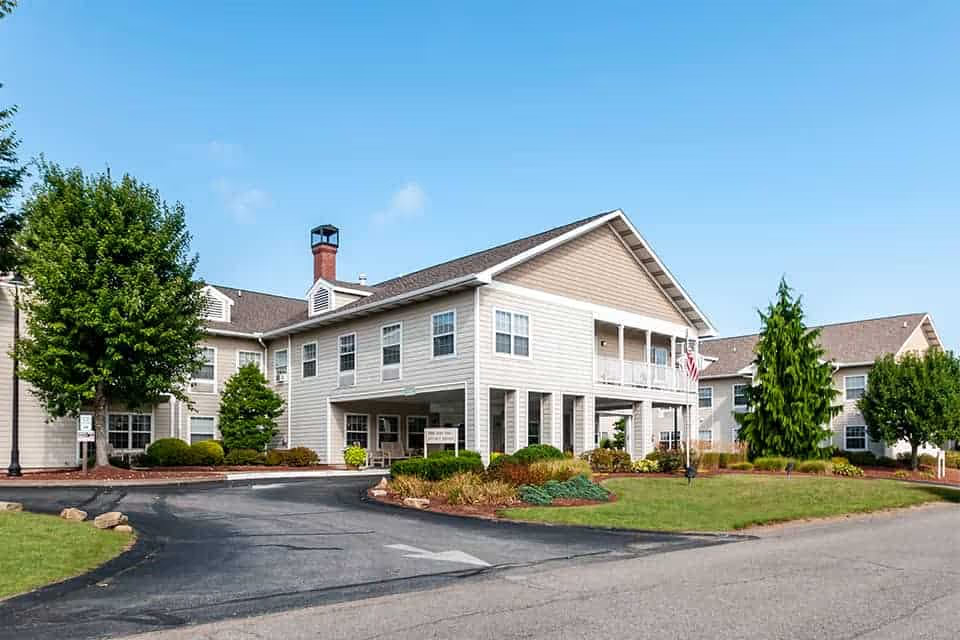
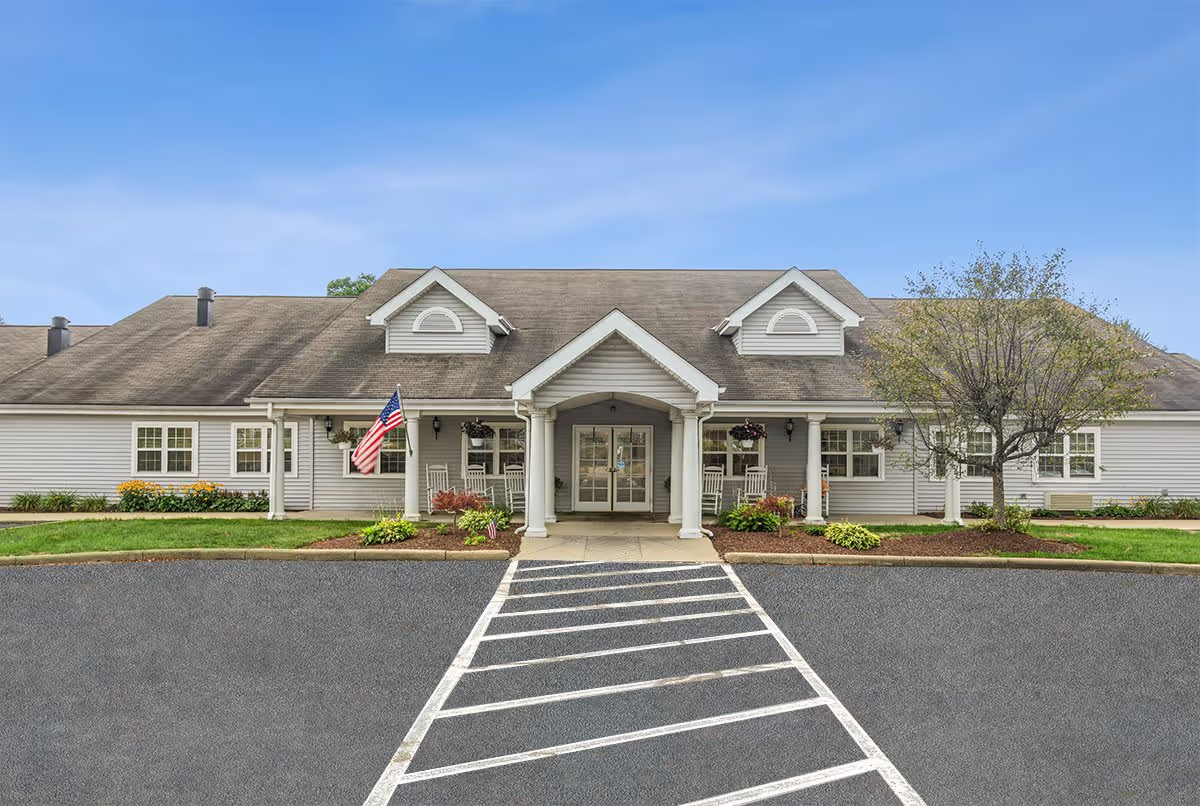
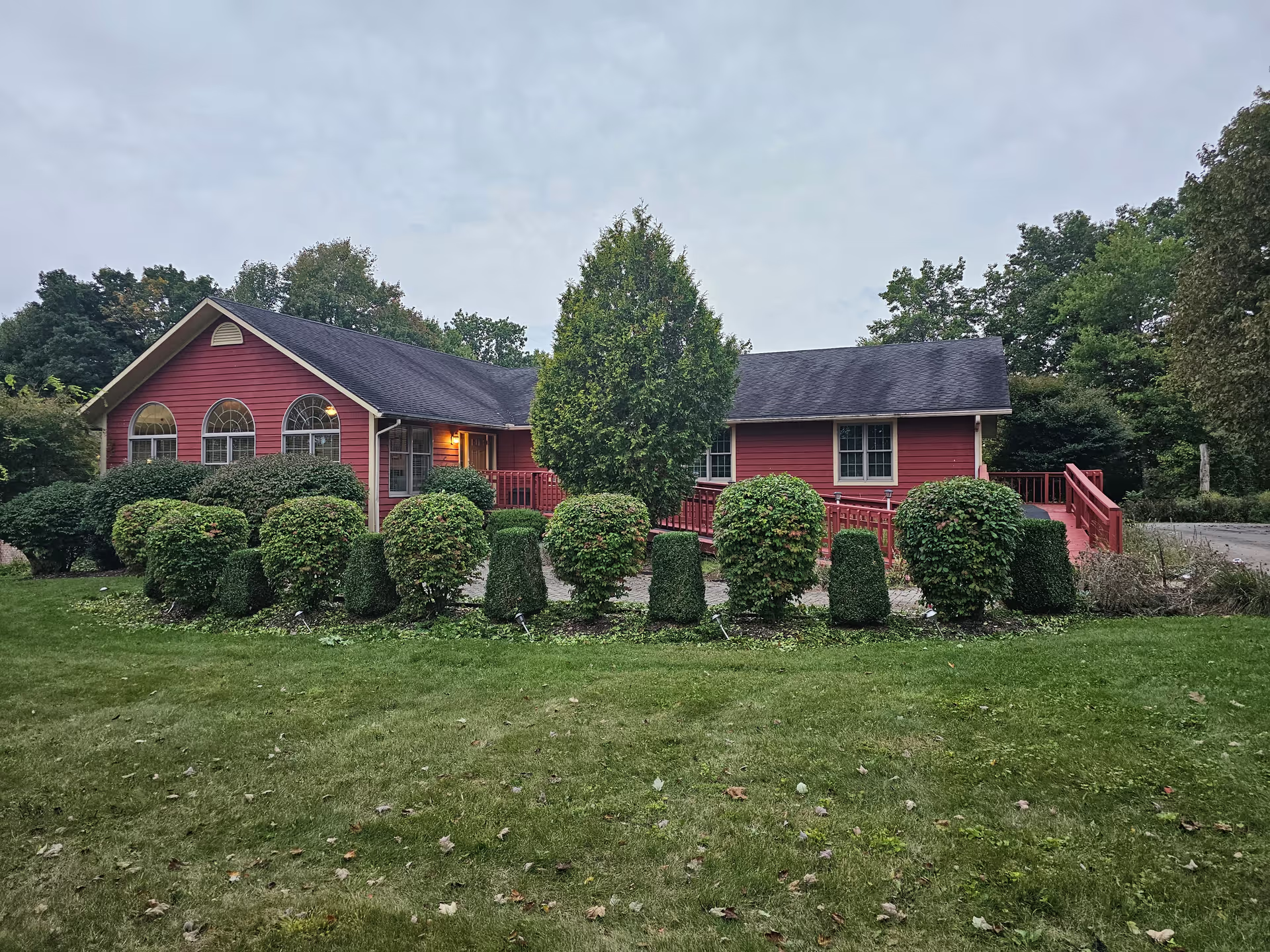
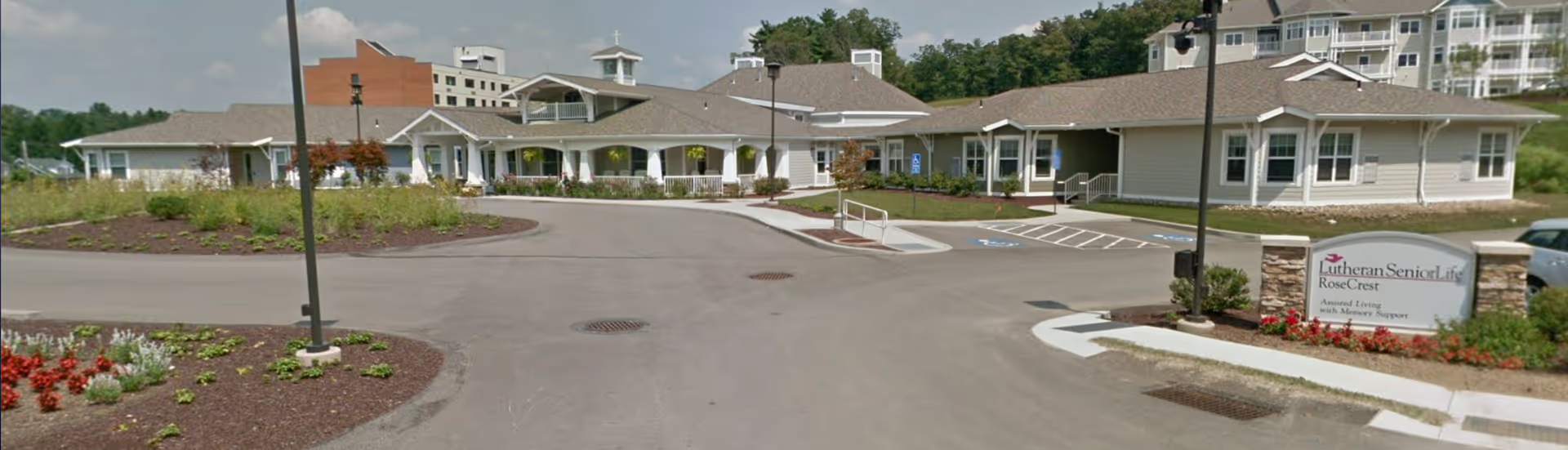
Facility and operational issues are recurrent themes. Reviewers noted sanitation and odor-control shortcomings in parts of the building, an aging physical plant with peeling surfaces and dated equipment, and limited in-room amenities (including shared bathroom arrangements and lack of in-room phones). Meal quality was described as uneven, with menu requests not always honored, and there were reports of delays in basic supplies and assistance (for example, slow delivery of water or care items).
Staffing appears mixed: while many frontline employees receive praise for friendliness and individualized attention, there are also accounts of aides or contracted staff whose conduct did not meet expectations. This variability points to inconsistency in training, supervision, or contractor management. Management strengths include timely family communication in some cases and evident pride in resident care; management weaknesses include uneven quality-control measures across clinical care, maintenance, and contracted services.
In summary, prospective residents and families should weigh the clear interpersonal strengths—compassionate nursing, strong therapy in many cases, hospice coordination, and active programming—against documented operational weaknesses such as inconsistent clinical oversight, maintenance and sanitation shortfalls, variability in aide conduct, and uneven dining service. Visiting the unit, meeting key clinical and administrative staff, and asking specific questions about rehabilitation oversight, infection-response protocols, housekeeping standards, and contractor supervision are advisable steps for families considering this facility.