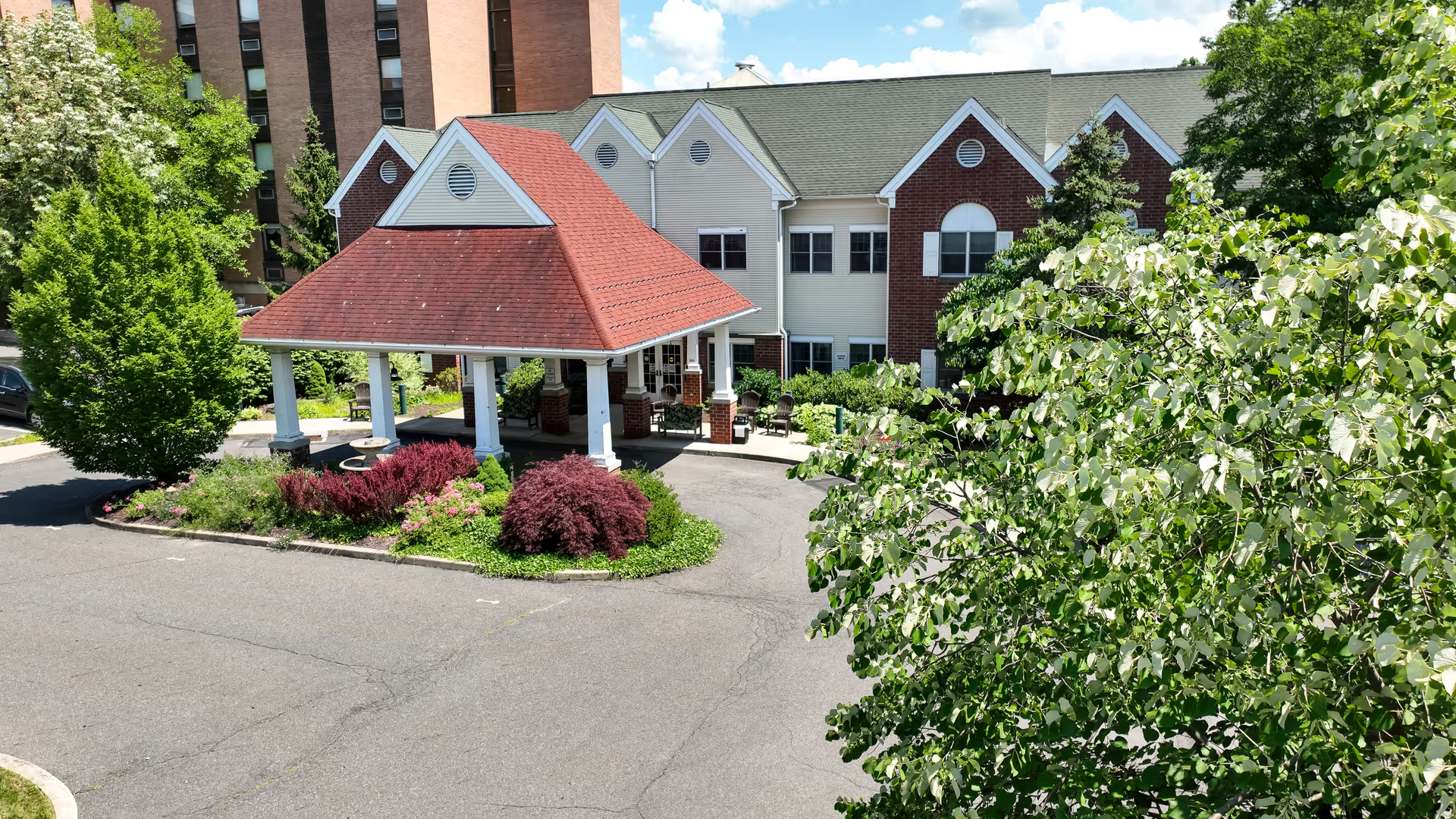
Overall impression: Reviews describe a facility that delivers clinically effective, compassionate care with strong rehabilitation outcomes and a family-oriented culture. Clinical strengths center on physical and occupational therapy that produced measurable mobility improvement and included discharge planning and home-safety training for caregivers. Admissions are described as straightforward and well-managed, and families highlight clear, responsive communication from staff and clinicians.
Care and staff: Reviewers emphasize kind, attentive caregiving and accessible clinical leadership. Specific clinical staff were named for positive impact, and the head nurse was noted for oversight. Communication is characterized as timely and thorough, with staff answering questions in detail. Therapy services (PT/OT) are a consistent strength, with continuity of services after discharge and practical training provided to family caregivers to support safe transitions to home.
Dining, activities, and facilities: Housekeeping and maintenance are described as attentive, and the facility offers a progression of care levels allowing residents to move from assisted settings to secure or nursing care as needs change. Activities and social engagement are implied by statements that residents thrived, were happy, and felt treated like family. One operational downside in this area is the cost of visitor meals, which families found expensive; otherwise dining quality for residents was not a dominant theme in the available summaries.
Management and financing: The facility provides assistance with benefits and financial coordination, including support around Social Security and Medicare/Medicaid interactions. However, reviewers noted complexity and limited clarity around funding transitions — including involvement from an external diocese to address funding cuts — which created uncertainty about how administrative decisions were implemented. Prospective families should expect active financial coordination but may need to request detailed explanations of funding pathways and any third-party interventions.
Notable patterns and practical considerations: Positive patterns include effective rehabilitation with measurable functional gains, compassionate day-to-day caregiving, and a supportive, family-like environment. Operational patterns to evaluate further are visitation restrictions implemented for safety (which can limit access) and ancillary cost structures for visitors. For families considering this facility, recommended questions include specifics of visitation policy and flexibility, itemized ancillary fees (visitor dining and similar charges), and a clear walkthrough of financing/workflow when external funding or organizational interventions are involved.