Overall impression: Feedback on Northview Estates is mixed, with many families praising the staff, cleanliness, and perceived value, while also raising operational concerns that prospective residents should evaluate during a tour. The community is consistently described as offering caring personal interactions, a homey atmosphere in many wings, and reasonably priced housing options including spacious multi-room suites. At the same time, several recurring themes point to variability in how day-to-day care and operations are delivered across units.
Care and staff: Staff-related strengths are a notable pattern — numerous accounts describe compassionate, attentive caregivers and administrators who communicate well with families and sometimes go beyond routine duties. Memory-care areas are frequently singled out for stronger staffing levels and active programming. Conversely, assisted-living areas are described as experiencing inconsistent staffing levels and gaps in shift-to-shift reporting. Reviewers describe instances that suggest lapses in clinical-continuity practices, including medication management and timely family notification; these raise concerns about reliability of clinical oversight in certain situations. There are also mixed impressions of management responsiveness: some families credit administrators with calm, effective communication and good COVID protocols, while others feel that certain serious issues were not addressed to their satisfaction.
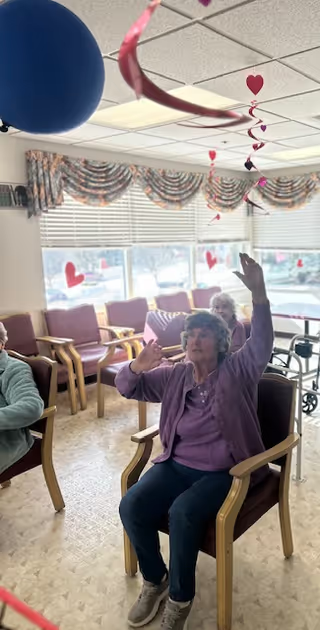
Dining and activities: Dining receives mixed but generally positive comments — several residents and families praise the food as tasty and varied, while other accounts describe meals as generic or occasionally not tailored to dietary needs. Activity programming includes a range of offerings (church services, crafts, bingo, outings), and families note that the activities director and scheduled outings are strengths; however, activity quality and participation appear uneven across units and times. Memory-care programming is often described as more consistently active compared with general assisted-living programming.
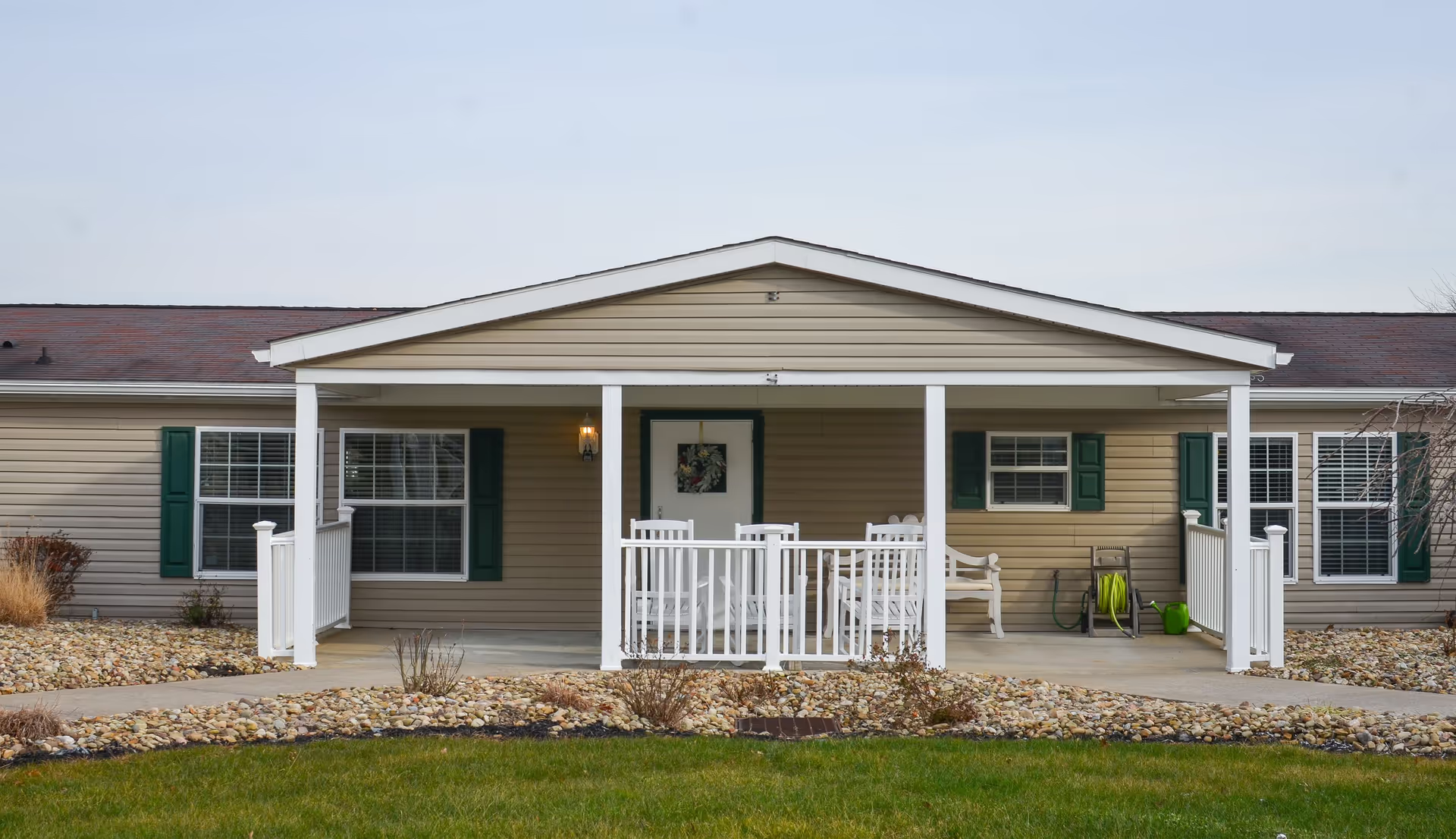
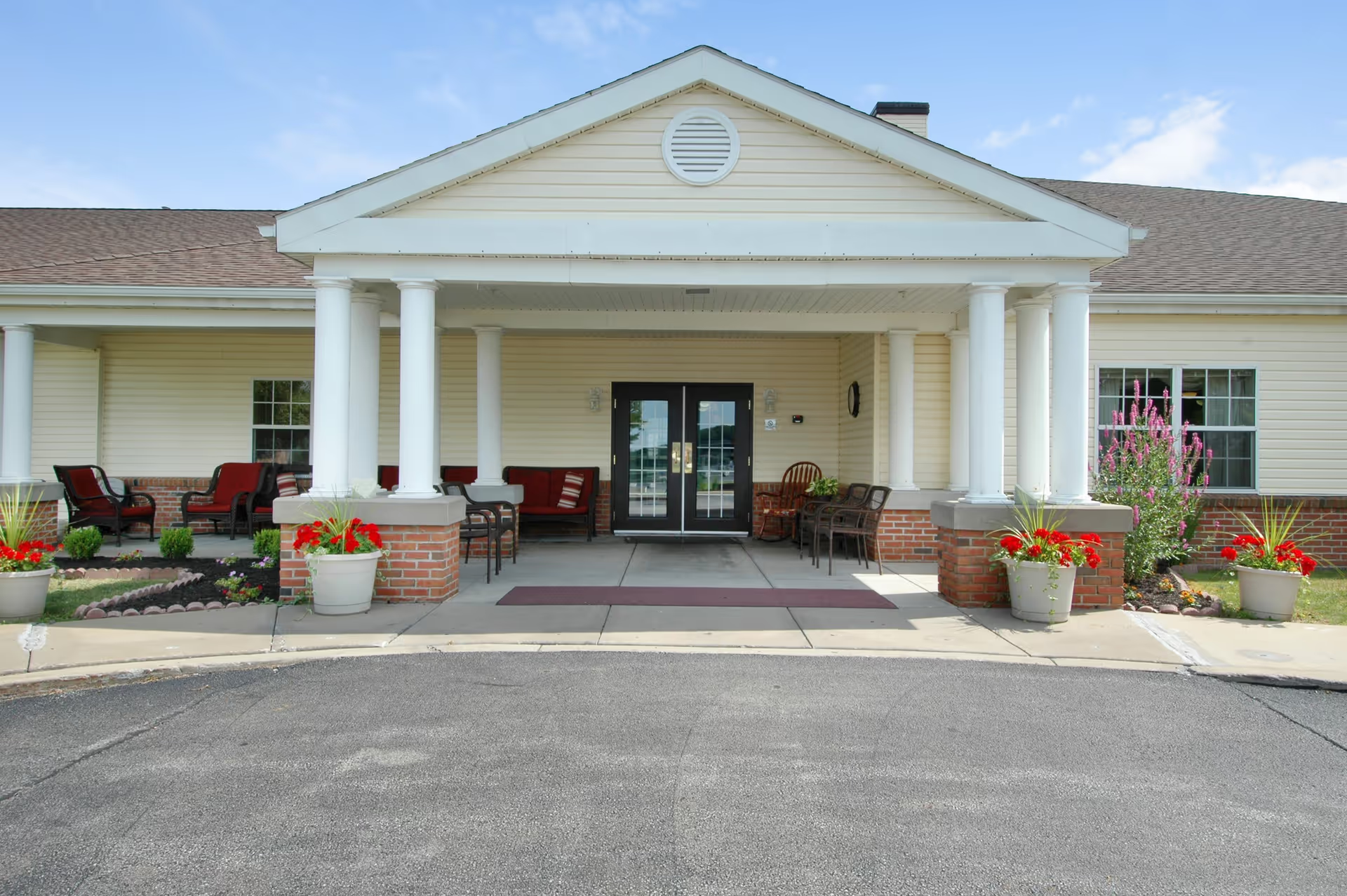
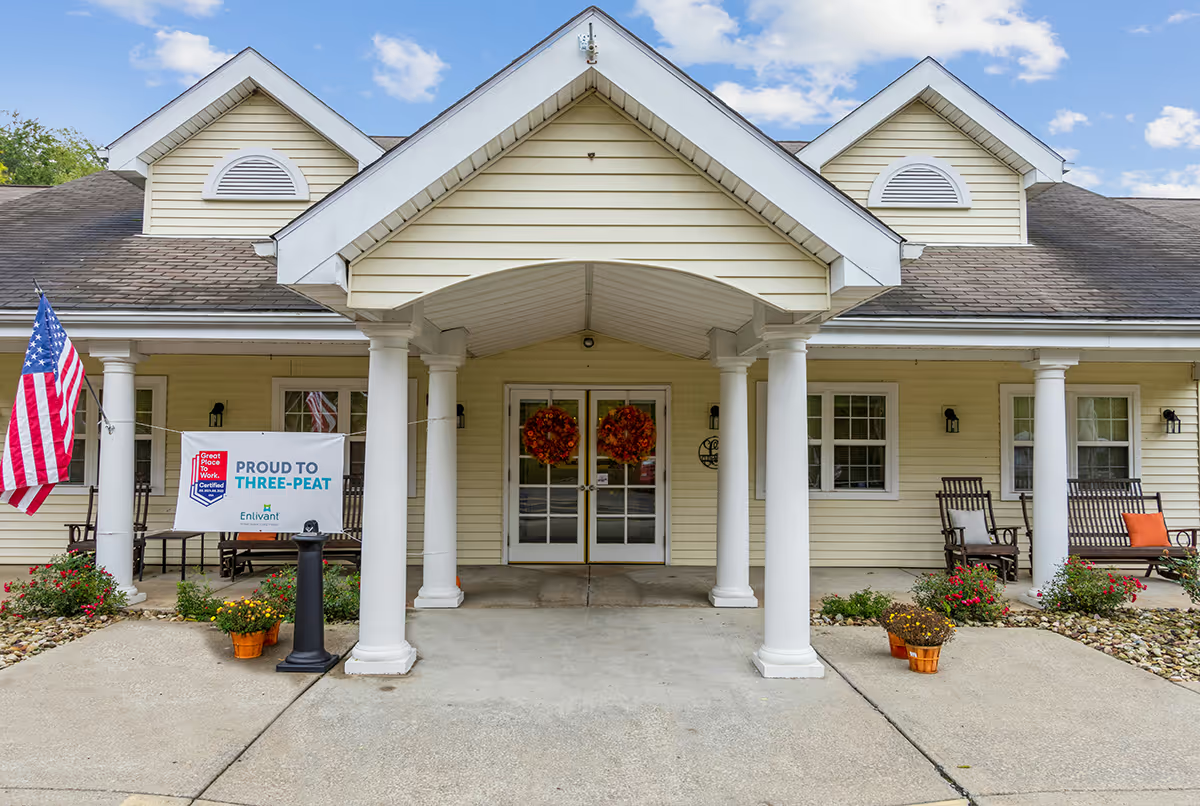
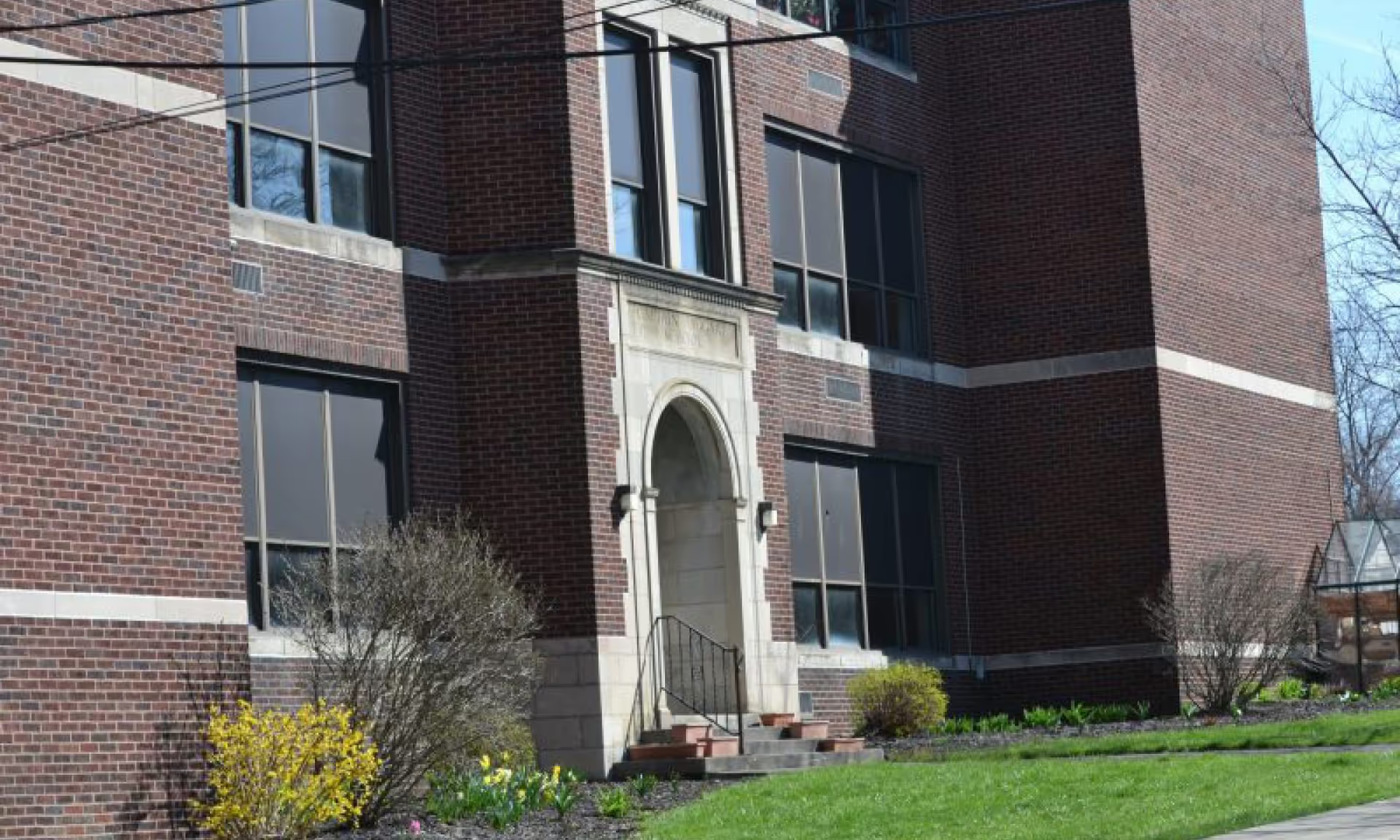
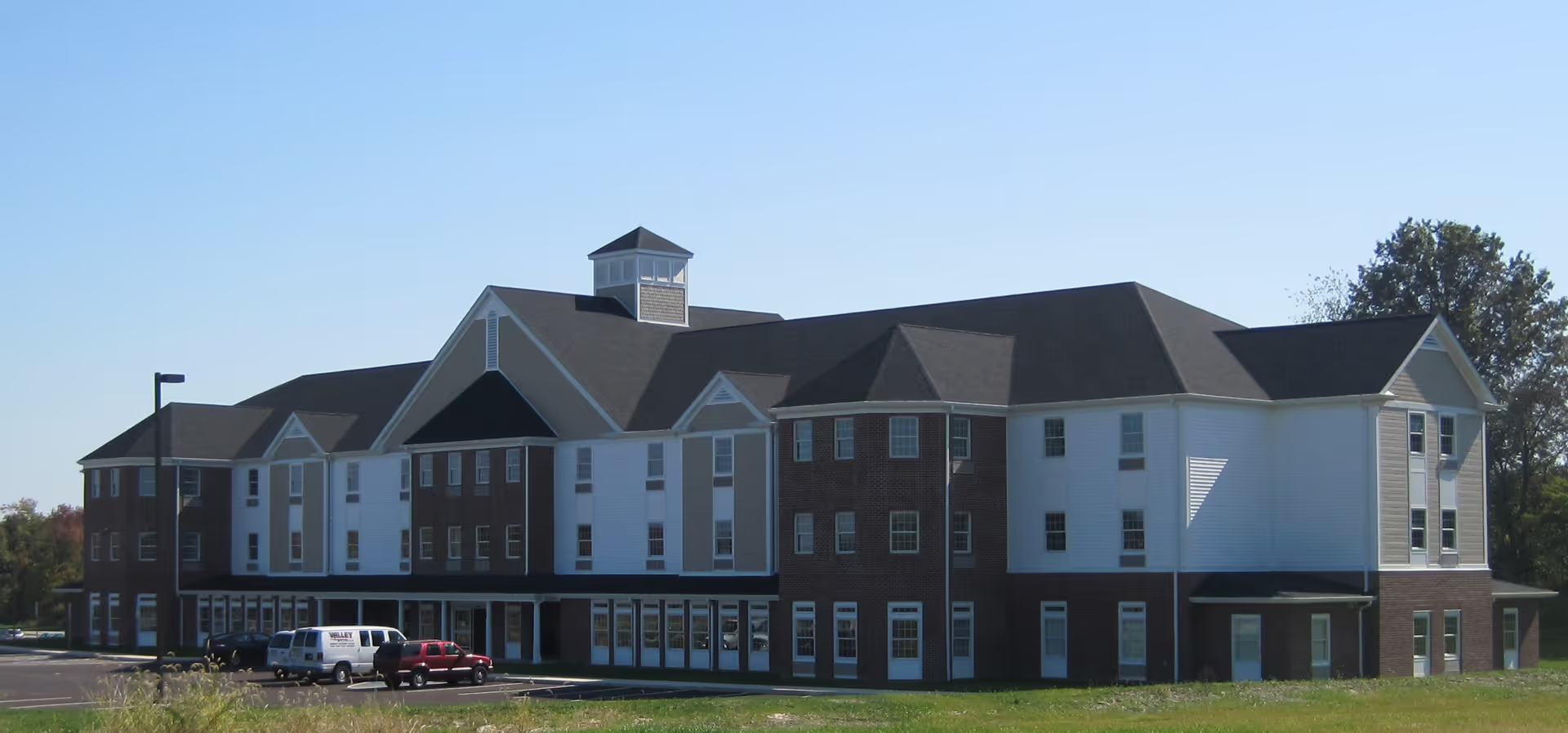
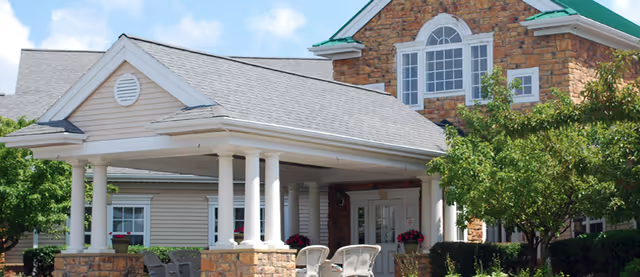
Facilities and operations: The physical plant draws mixed reactions. Positive notes include clean interiors, well-kept dining and common spaces, and useful in-apartment features (kitchenettes, on-site laundry). Negative themes include an older, darker building in places, limited or no outdoor common areas, and a crowded, sometimes confusing layout. Practical issues such as cramped parking and site circulation were also mentioned. Transportation services exist and are used for appointments and shopping, but reliability concerns were raised by some families. There are also accounts that imply weaknesses in infection-control and sanitation oversight in at least one instance, which prospective families should address directly with management.
Patterns and practical guidance: The overall pattern suggests a facility with strong relational care in many interactions and areas of the campus, paired with operational inconsistencies that affect clinical continuity, activity engagement, and facility experience depending on the unit and staffing at the time. Prospective residents and families should tour specific units, ask about current staffing ratios (especially in assisted-living versus memory care), request written protocols for medication continuity and infection-outbreak response, review activity schedules, confirm outdoor access options, and clarify transportation reliability and any additional care fees. Checking recent state inspection results and asking for references from current families in the same unit type can help determine whether the aspects important to your situation are reliably delivered.