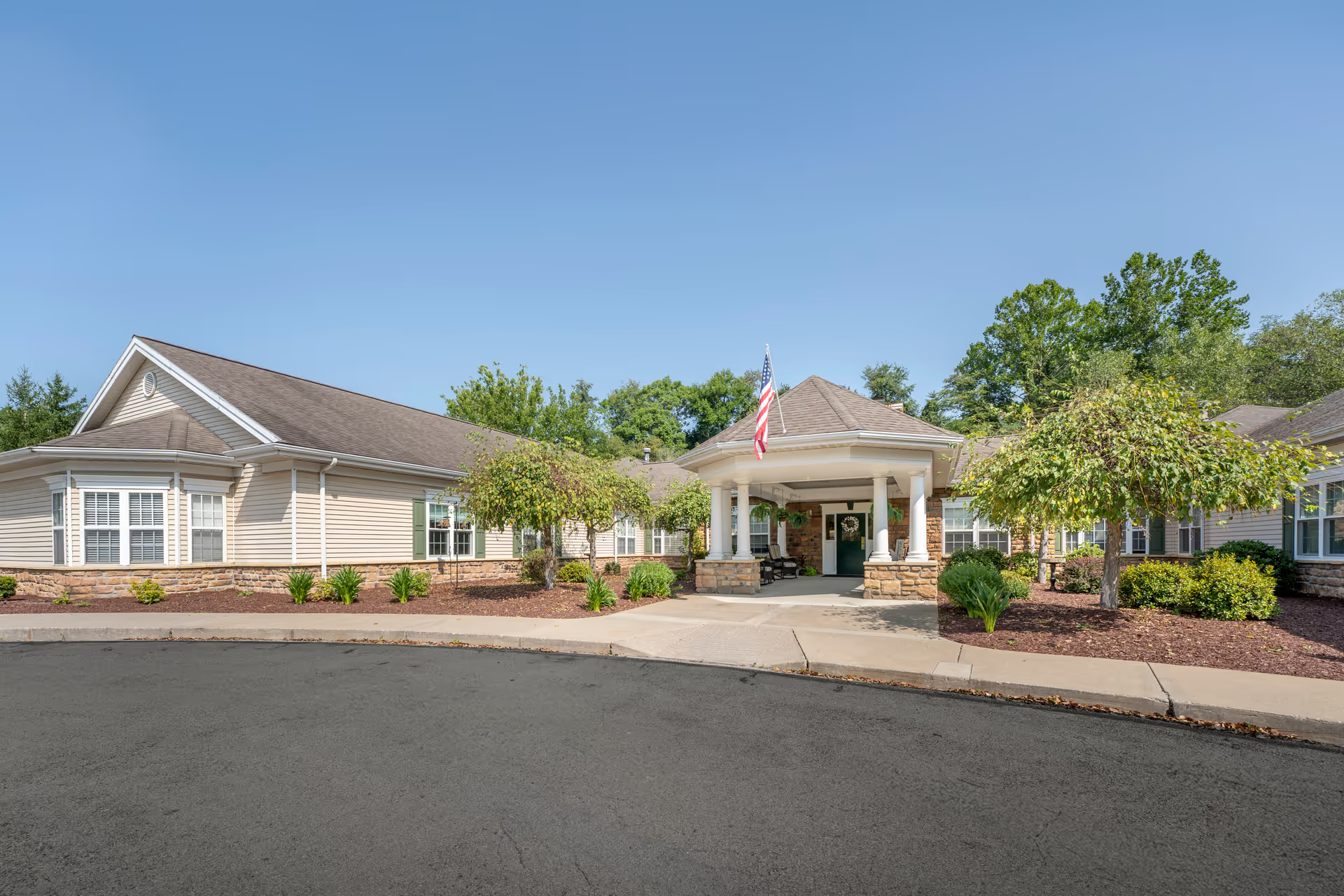
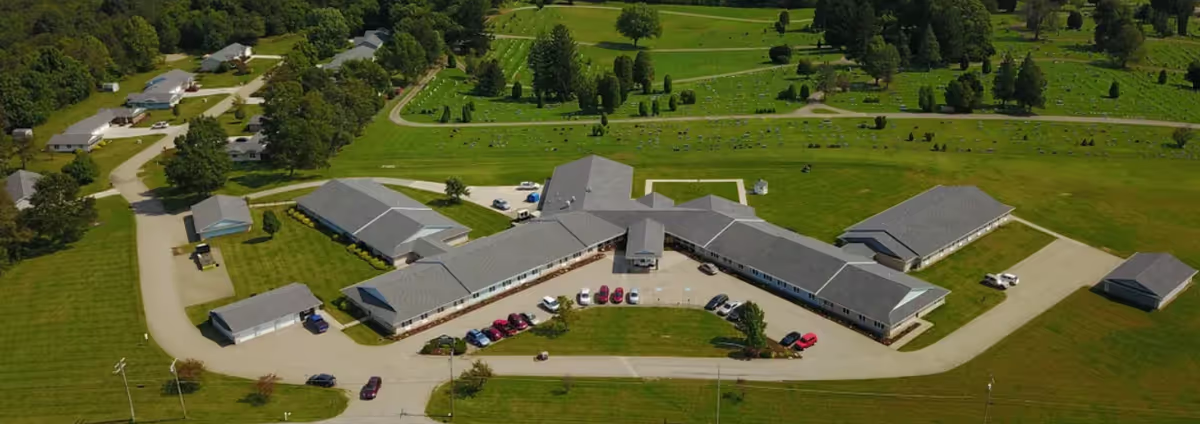
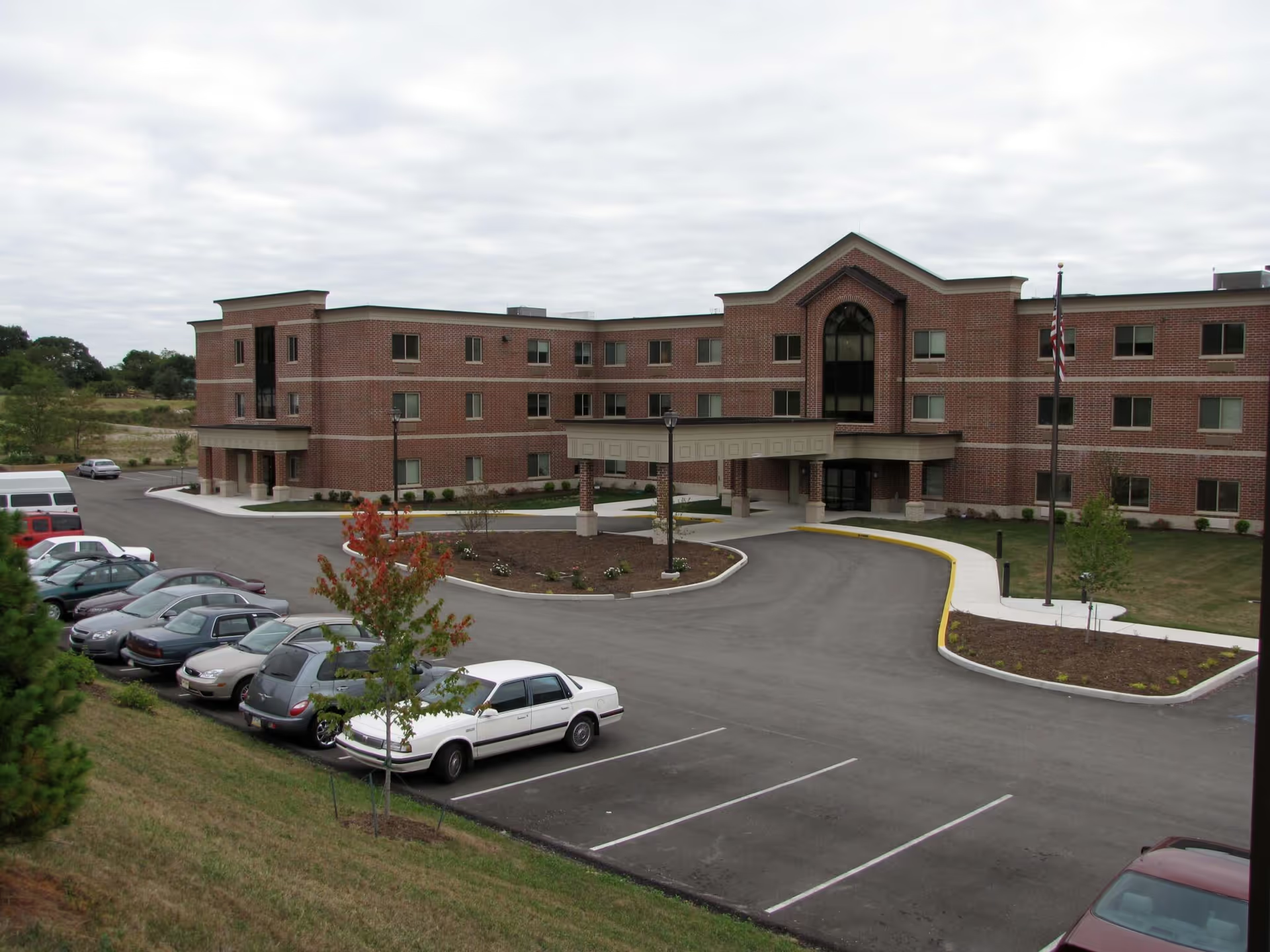
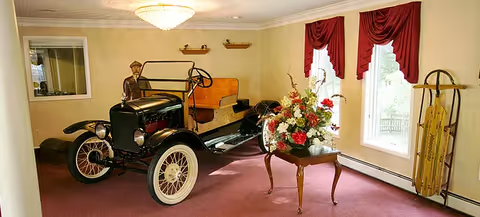
Westmoreland Manor elicits a mixture of strong positives and recurring operational concerns. Reviewers consistently cite compassionate, attentive nurses and aides and praise the facility's cleanliness, comfortable rooms, and on-site amenities (chapel, library, patio, large activity spaces). The dining program is frequently described as varied and of good quality, and many families report positive short-term rehabilitation outcomes and helpful placement/financial guidance. The secured memory-care unit is noted as respectful in some accounts, and several families emphasize clear, empathetic communication from staff who provide peace of mind.
At the same time, a pattern of staffing and operational weaknesses appears across reviews. Chronic understaffing — especially during nights and weekends — and high staff turnover are common themes. These conditions are linked to delays in responding to resident needs, uneven professionalism among staff, and perceptions that some front-line employees are overwhelmed. Several accounts raise concerns about the facility's ability to maintain consistent clinical processes, including medication administration, oxygen equipment reliability, and follow-through on assistive devices such as eyeglasses, dentures, and hearing aids.
Activity programming and social engagement are a mixed experience: the facility offers many scheduled events, church services, and social opportunities, but families report cancellations, limited transport for outings, and inconsistent execution of activities. Similarly, while the facility is often described as clean and well-maintained, reviewers describe intermittent maintenance failures — notably unreliable elevators and occasional odor or sanitation concerns in specific areas — that affect daily life and navigation within the large building.
Management and care coordination are another area of divergence. Positive comments note professional, helpful administrative staff and accommodating visiting policies, while critical comments point to limited accessibility of social workers, slow follow-up on family concerns, and a perception that administrative priorities may emphasize operational or financial metrics over direct resident support. Families commonly say they must advocate actively to get timely attention to issues.
For prospective residents and families: Westmoreland Manor shows clear strengths in clinical warmth, facility amenities, and meal quality, and it can provide effective short-term rehabilitation and a range of activities. However, the facility also demonstrates trait-level operational risks — uneven staffing coverage, variable professionalism, intermittent maintenance and equipment issues, and gaps in care coordination. Visitors evaluating the home should observe staffing levels at different times (including nights/weekends), ask about medication/device management protocols, clarify social-work and after-hours communication procedures, and tour the secured memory unit and activity calendar to determine fit for long-term needs.