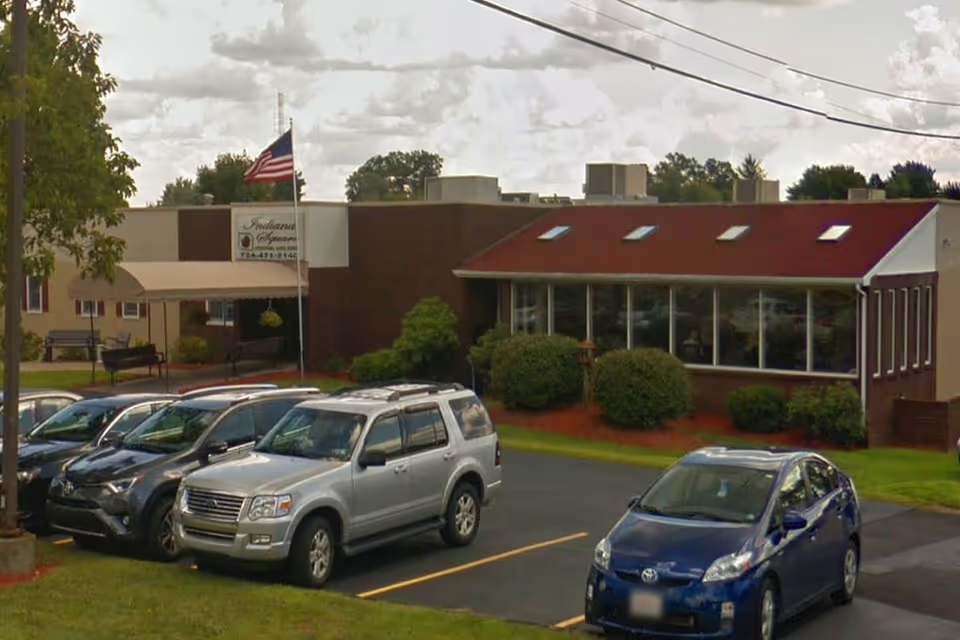
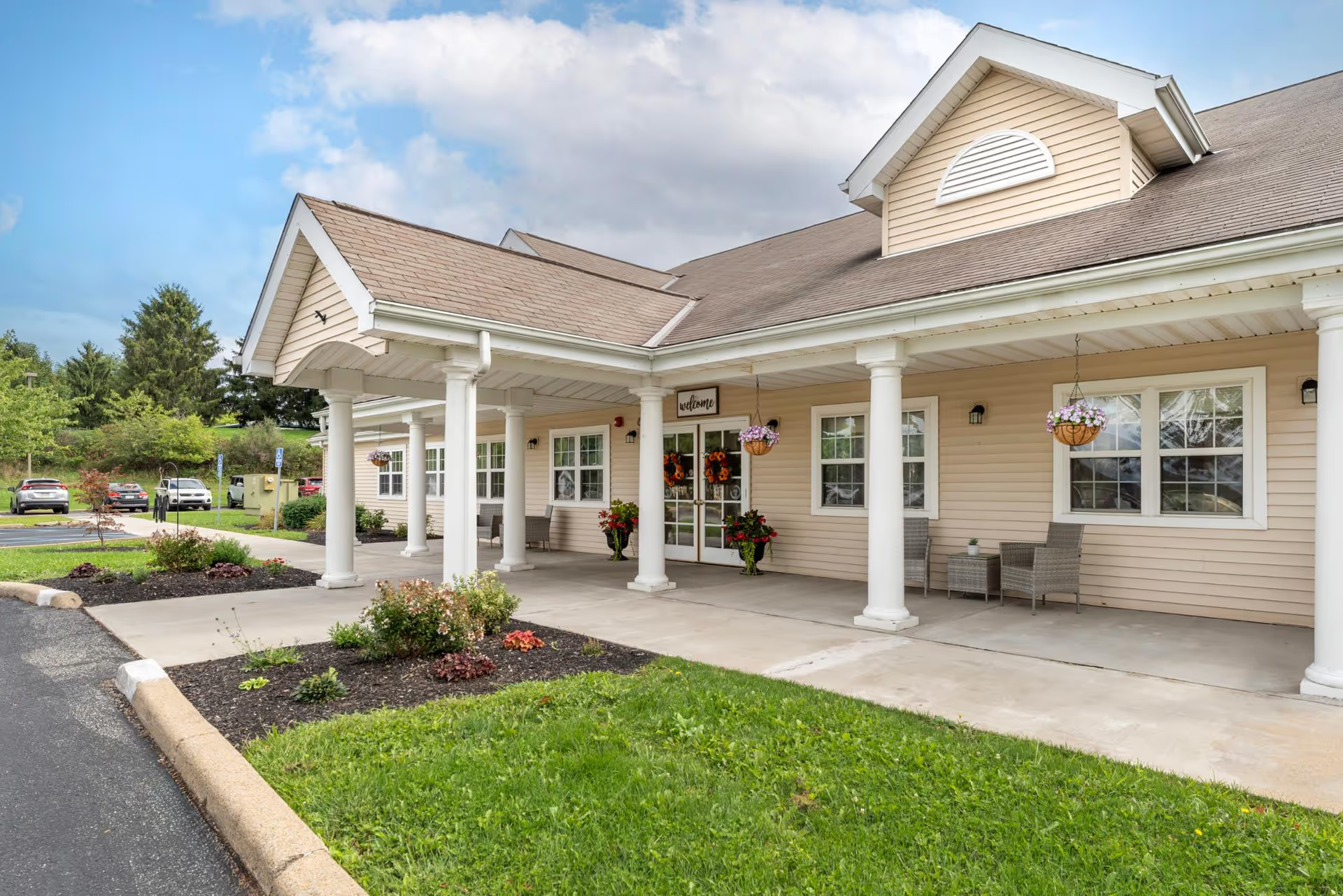
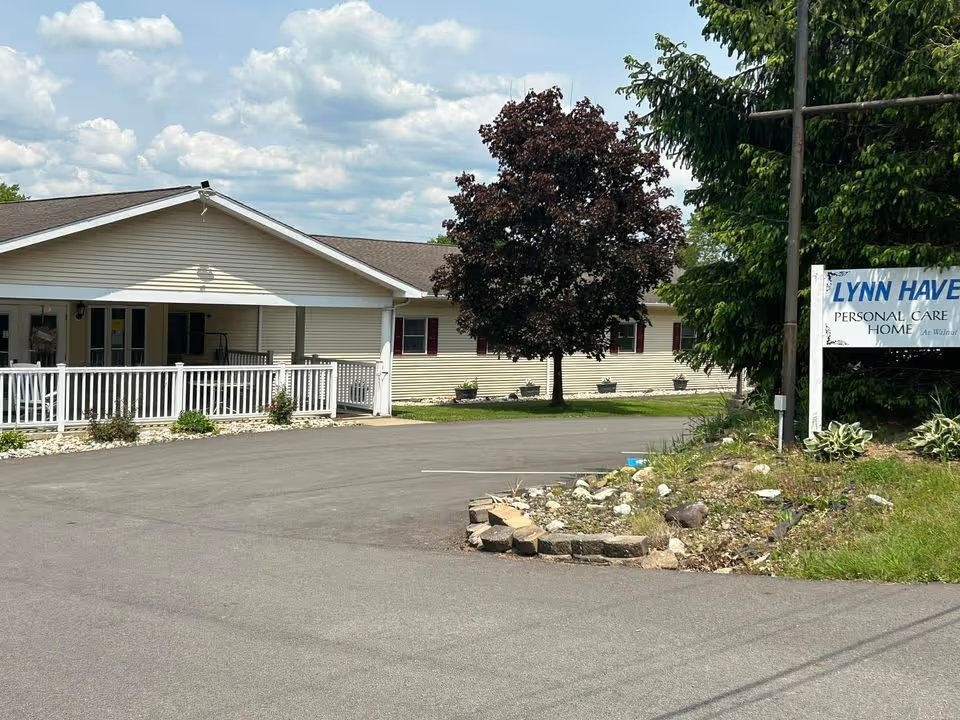
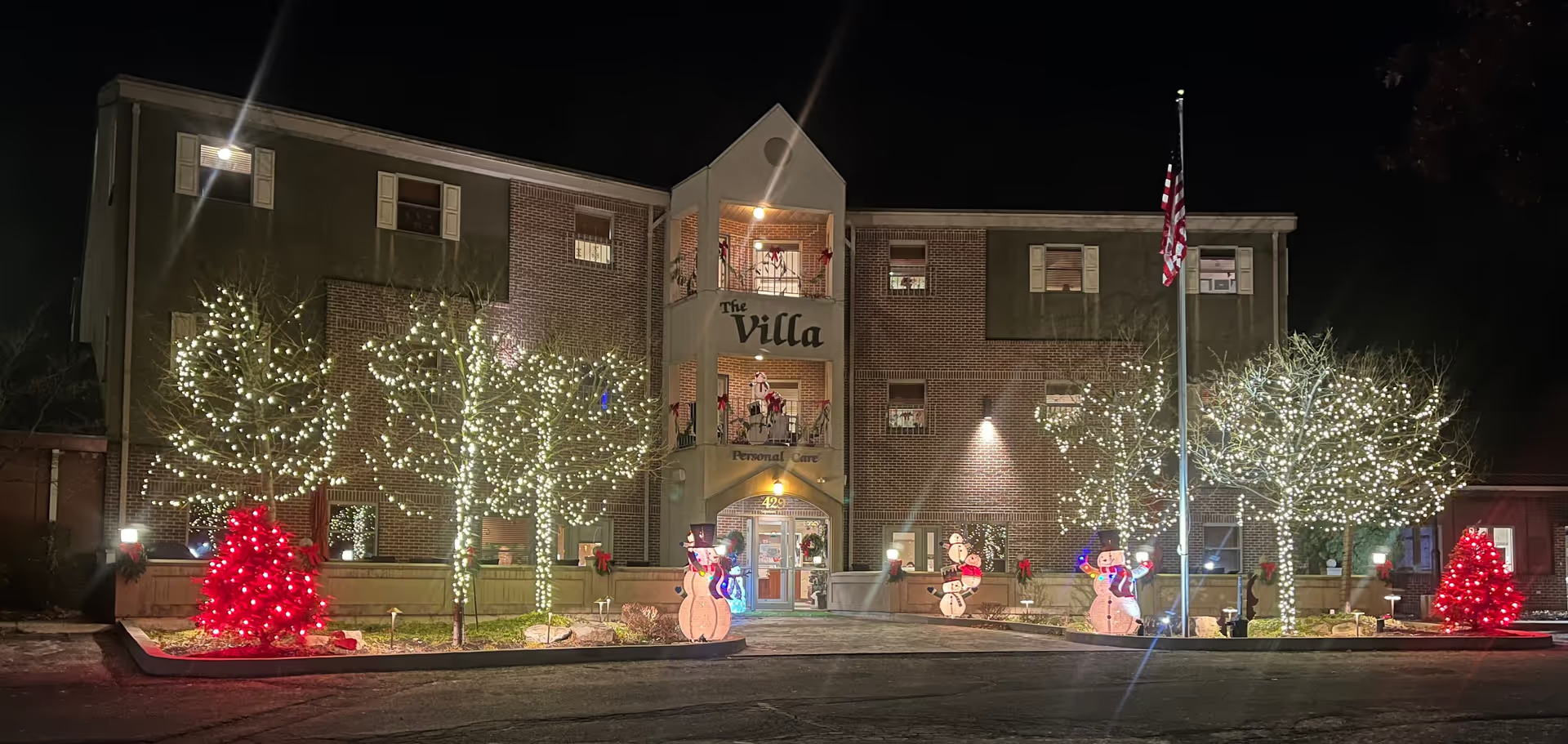
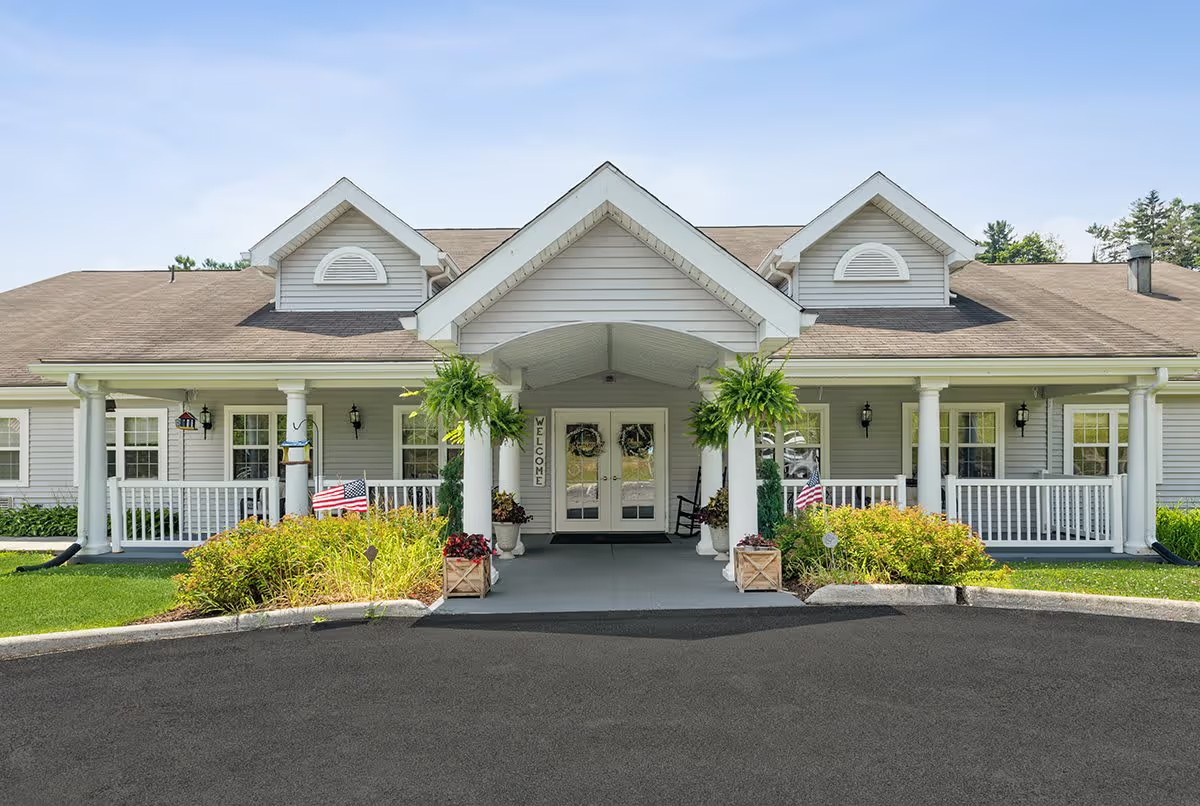
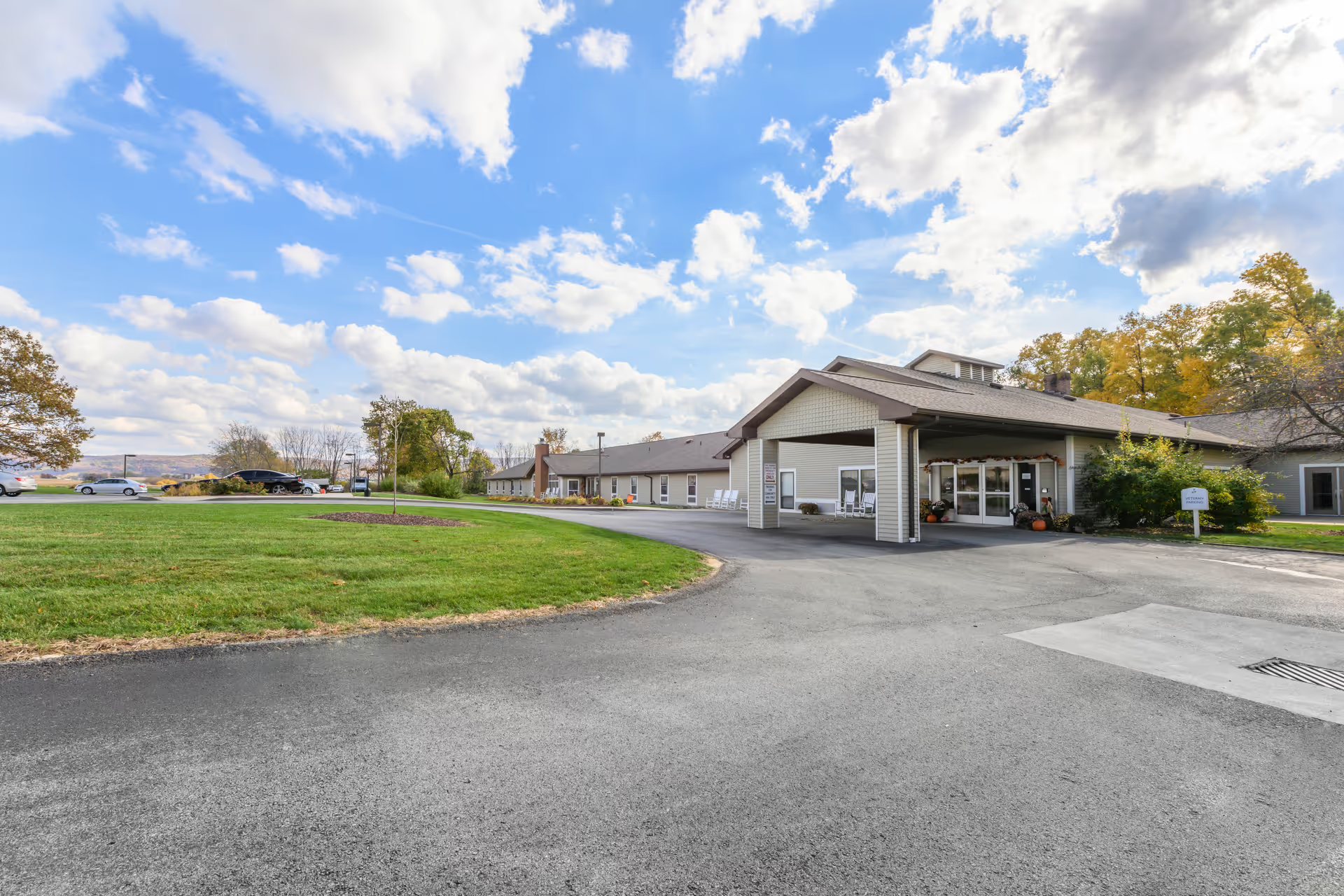
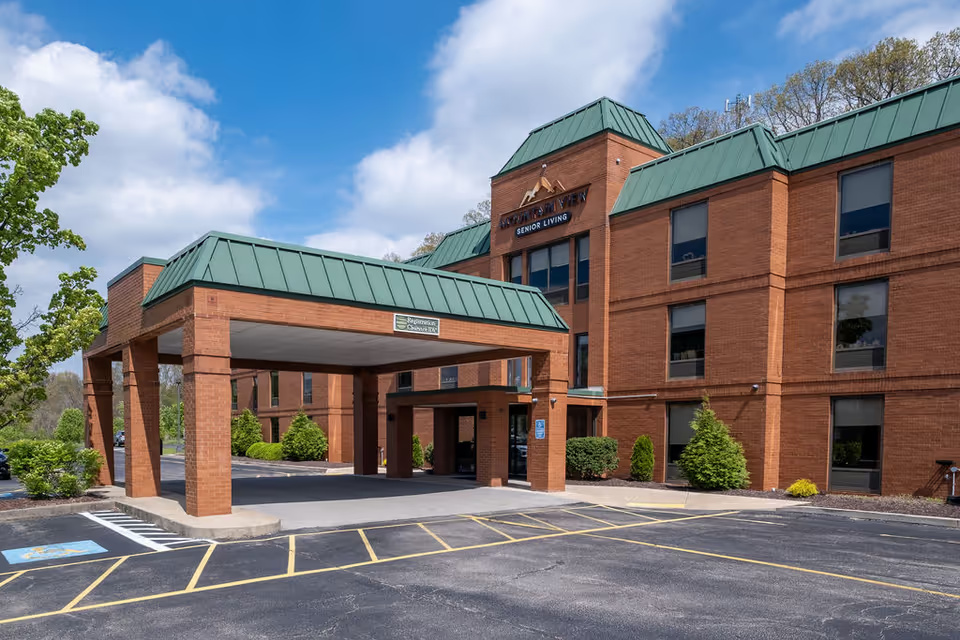
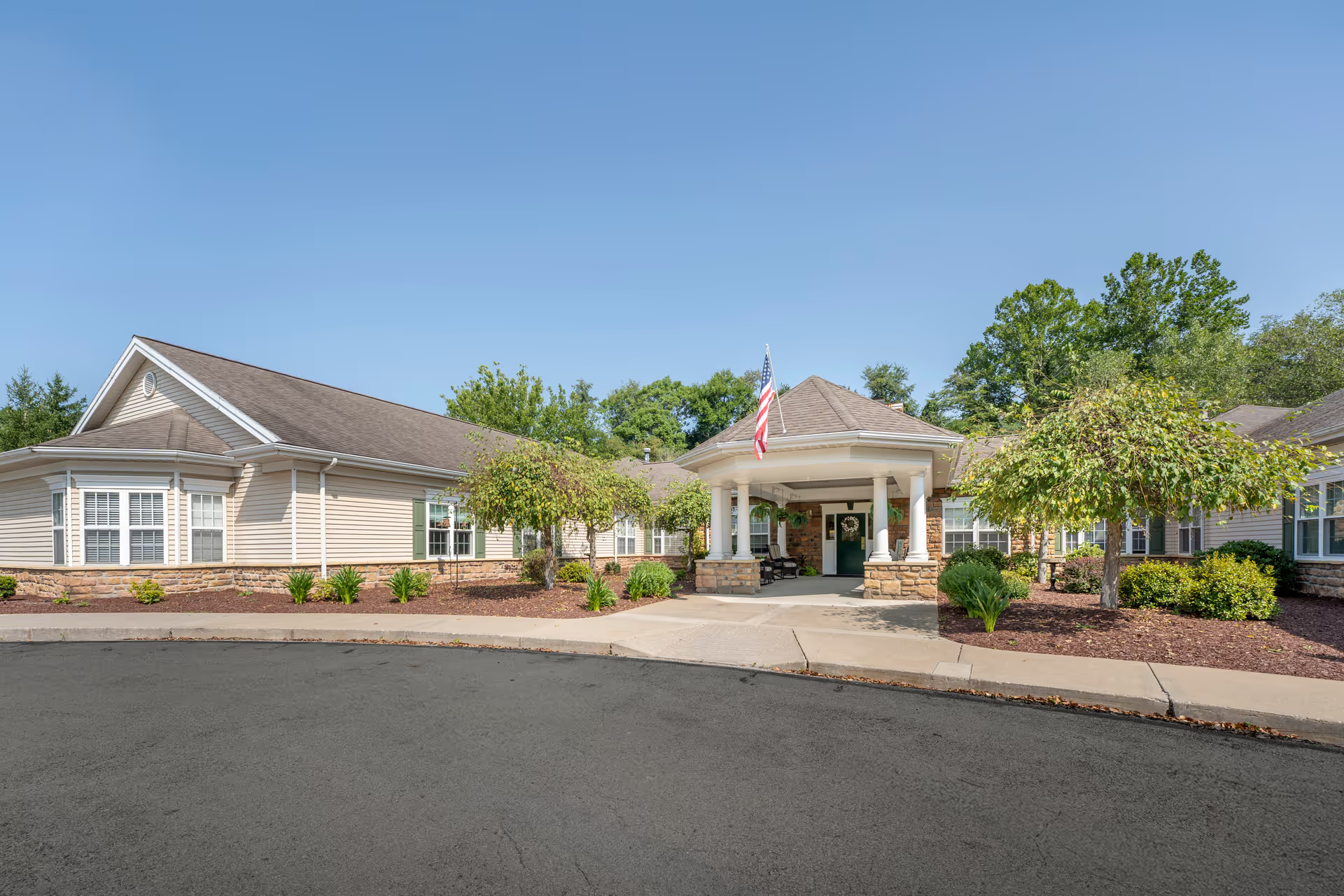
Overall impression: Communities at Indian Haven presents a largely well-kept, comfortable living environment that many residents and families describe as welcoming and calming. The physical plant and common areas are frequently described as spotless and well maintained, and several families praised on-site amenities such as massage services. At the same time, the reviews reflect a split in experience: while many express high overall satisfaction and strong recommendations, a subset of families raised operational and clinical concerns that merit attention.
Care and staff: Staff are commonly characterized as friendly, professional and genuinely caring; many families said staff interactions make residents feel comfortable. That positive interpersonal tone appears to be a consistent strength. However, multiple comments point to inconsistent responsiveness from caregiving and support staff — for example, requests that require repetition and delayed responses to needs. There are particular concerns noted about the quality and consistency of care in the dementia unit, indicating variability in how clinical and behavioral needs are being managed across different wings or shifts.
Facilities, dining and activities: The facility’s cleanliness and maintenance are clear strengths, and the calming atmosphere is complemented by at least some therapeutic or wellness offerings (massage was mentioned positively). Reviews do not provide a clear, consistent picture of dining quality or menu variety; prospective families should request current sample menus and speak with residents about meal service. Activity programming is not extensively described in the available feedback beyond references to a pleasant atmosphere and therapeutic services; further inquiry into scheduled activities and cognitive-support programming is advisable, particularly for memory-care residents.
Management and operational patterns: Several operational patterns emerge as recurrent concerns. The campus does not provide in-room phone lines, and telephone access is routed through the front office; families reported delays when a phone needed to be delivered or when staff were asked to place calls. More broadly, reviewers described delays in fulfilling service and administrative requests and needing to repeat requests to get action. These items suggest process and staffing or workflow constraints that affect timeliness of response. A number of families also conveyed a perception that services did not fully align with the cost, indicating potential gaps between expectations and what is included for the price.
Notable patterns and guidance: The feedback is polarized — many families are highly satisfied and highlight the facility’s cleanliness and caring staff, while others point to persistent responsiveness and dementia-care consistency issues. Prospective residents and their families should directly assess response protocols (how calls and service requests are handled, average response times), staffing levels on the dementia unit and across shifts, and a clear listing of what is included in fees to evaluate value. Arranging a visit during mealtime and an activity period, speaking with current residents and families, and requesting written policies on memory-care staffing and emergency response will help clarify whether the facility’s strengths align with an individual’s needs.