Reviews of Scenery Hill Healthcare and Rehabilitation Center describe a facility with clear strengths in therapy, compassionate caregivers, and a desirable physical setting, alongside operational inconsistencies that prospective residents and families should evaluate carefully.
Care: Many families praised the therapy team and described meaningful rehabilitation progress and positive outcomes. Several accounts highlight skilled, talented therapists and an effective rehab program that contributed to recovery and functional gains. At the same time, there are recurring concerns around medication administration and pain-management practices, including missed or delayed doses; these suggest inconsistent clinical handoffs and medication controls that merit direct clarification during facility visits.
Staff: Staff behavior is a prominent area of divergence. Numerous reviewers emphasize kindness, patience, compassion, and attentiveness from nursing and support staff, noting respectful interactions and dignity-preserving care. Contrasting reviews cite episodes of limited responsiveness, negative communication tone, and poor coordination among staff members. This variability indicates that day-to-day staff performance may depend on unit-level staffing, shift, or individual personnel; families should ask about staffing patterns and supervision during assessment.
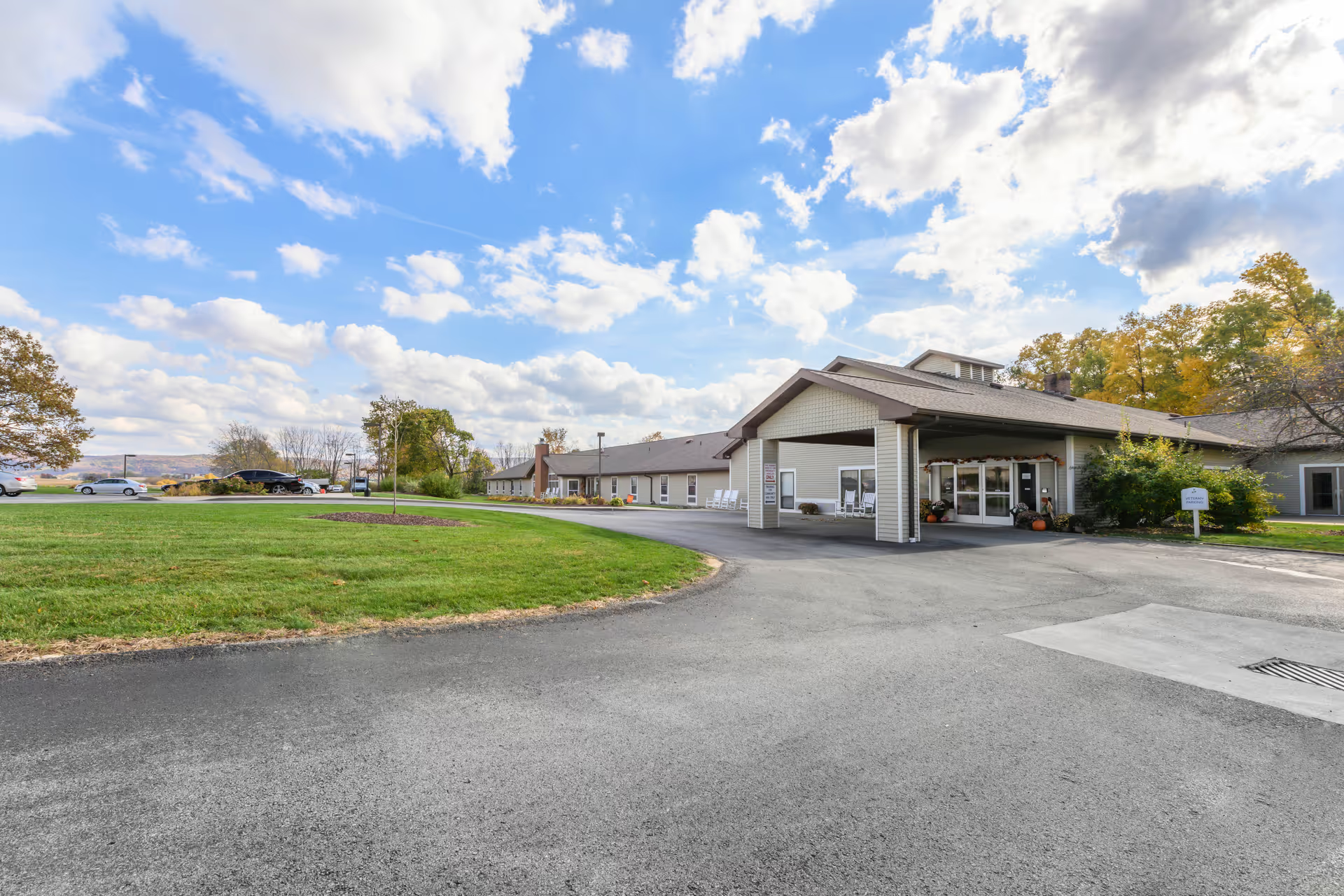
Dining and activities: Comments on dining are mixed, ranging from “decent/okay” to unfavorable descriptions of food quality. This inconsistency suggests fluctuating meal preparation or menu satisfaction across resident populations. Activity offerings include faith-based programming (Bible study) and access to pleasant outdoor spaces and views; the scenic location and wildlife are consistently noted as a positive influence on resident quality of life.
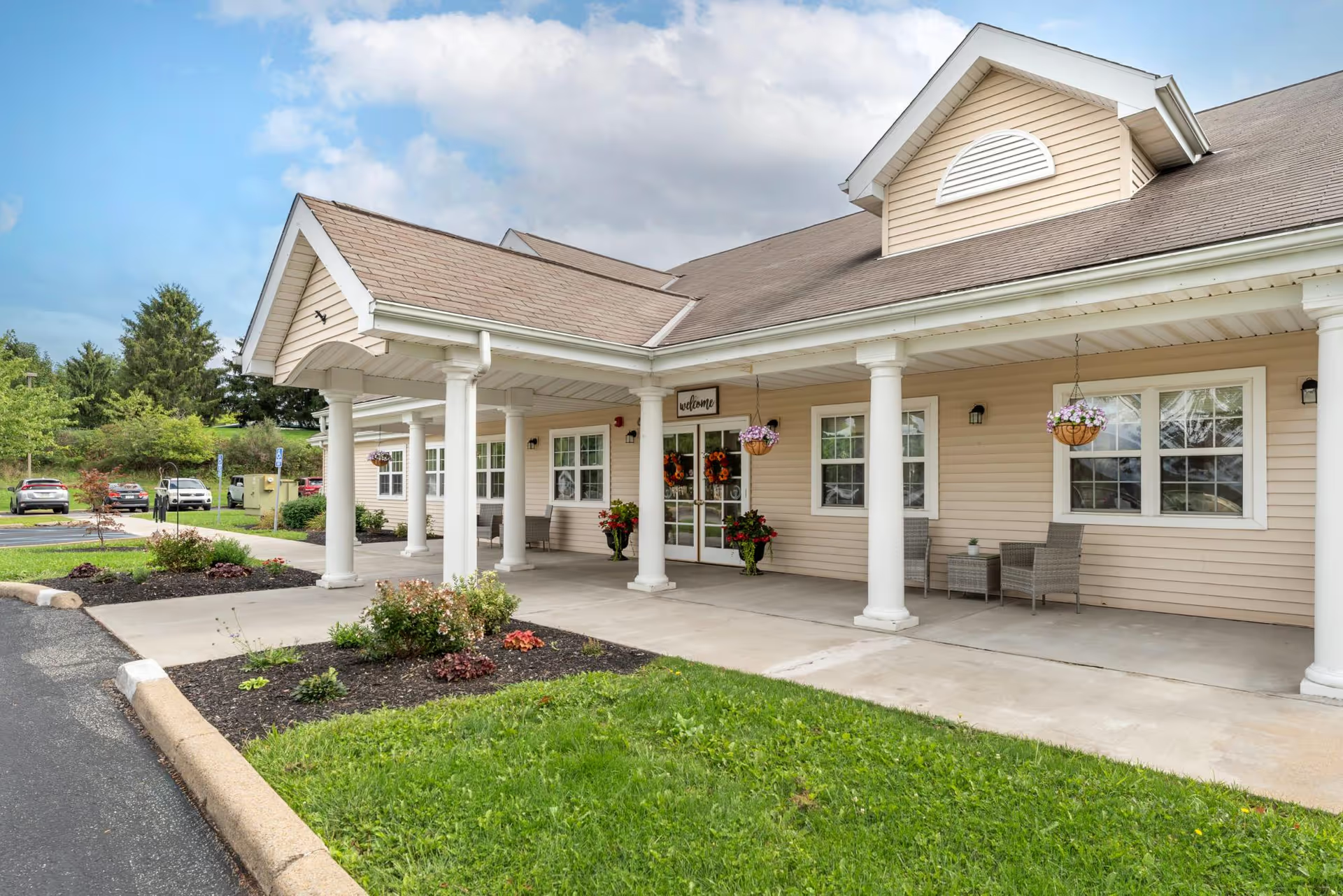
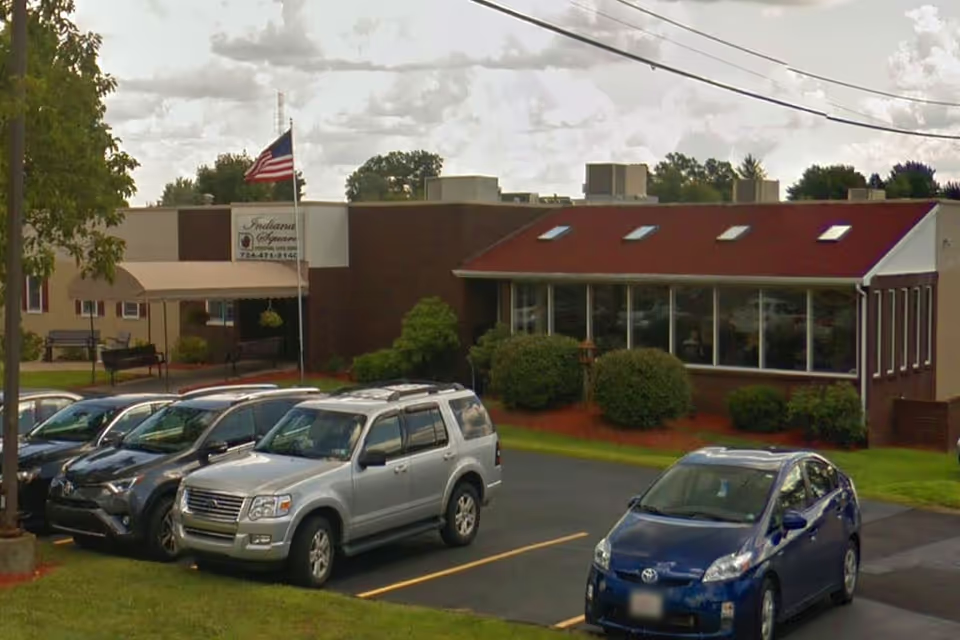
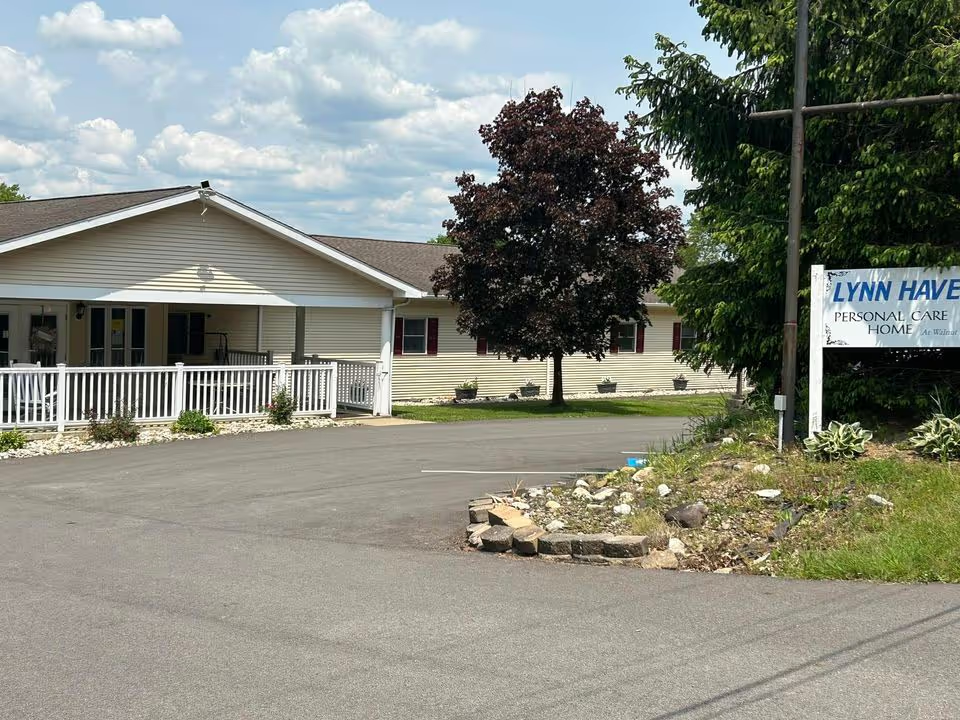
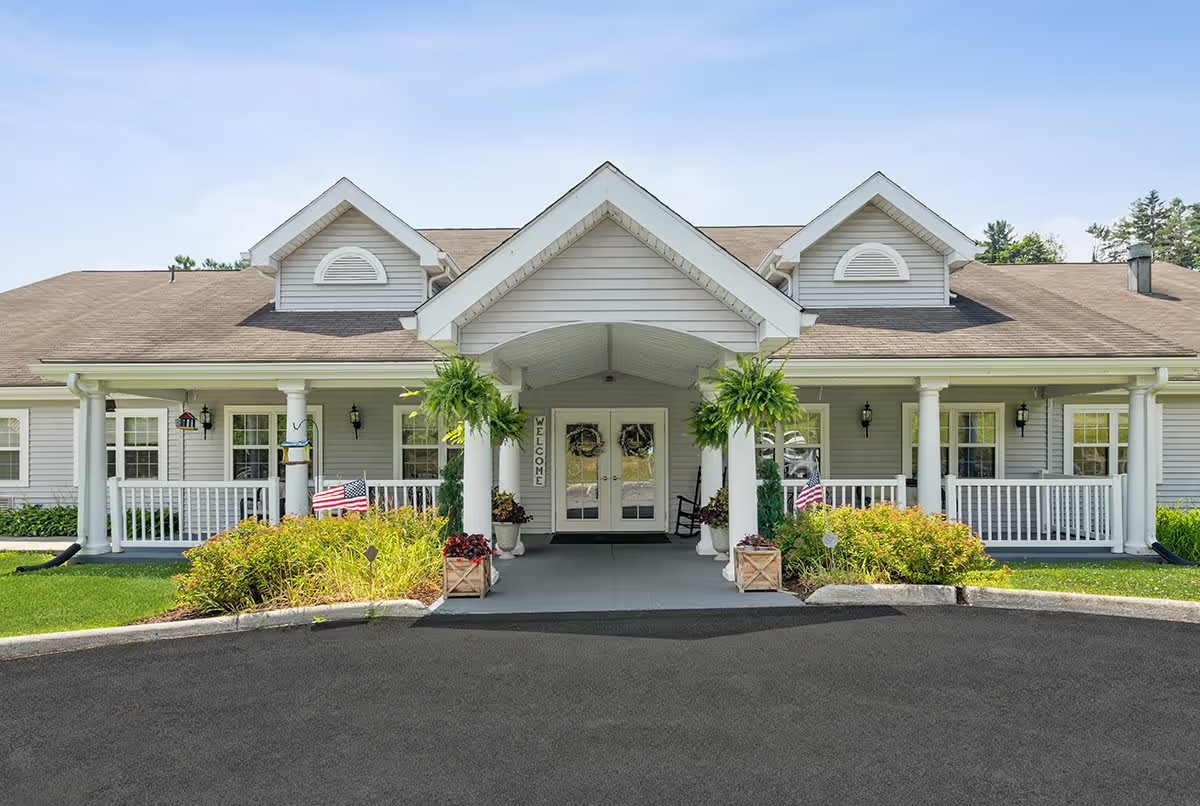
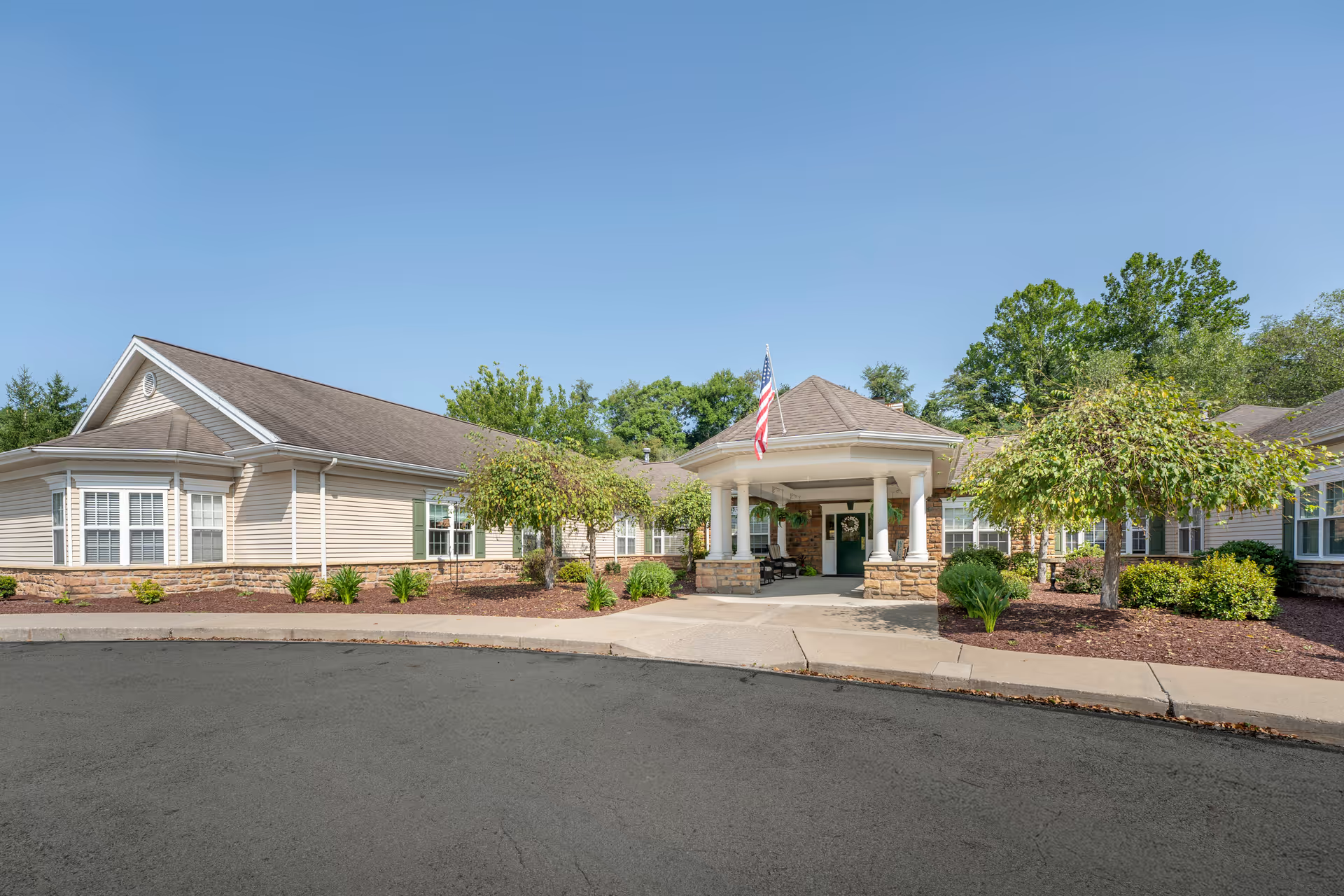
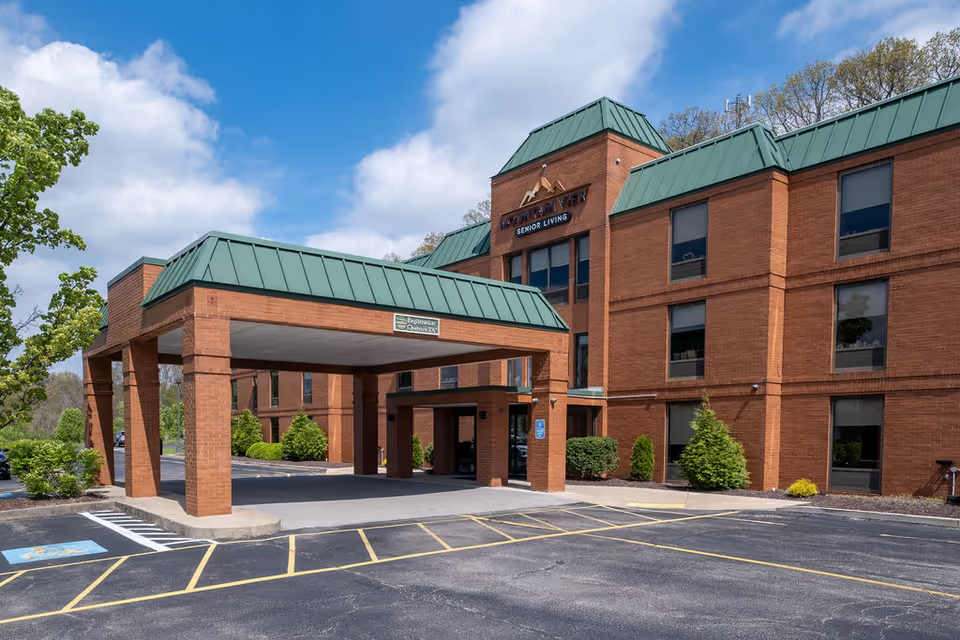
Facilities and environment: The campus and some interior areas are described as clean and well-maintained, and the location is frequently cited as an asset. However, other reviewers report sanitation and odor concerns in parts of the building and point to outdated elements in facilities. Practical issues such as hard-to-see room numbers and inconsistent temperature control in rooms were also raised; these are operational items to verify on a tour.
Management and processes: Several reviews raise concerns about communication, follow-up, and dispute resolution. Examples include poor telephone follow-up, adversarial conversations during discharge, difficulty retrieving personal items, and perceived shortcomings in leadership responsiveness. There are also indications of inconsistent admission/assignment practices (roommate matching, therapy availability), which can affect resident comfort and safety. Prospective families should ask for written policies on property handling, discharge processes, and leadership contact procedures.
Notable patterns: The overall impression is polarized—many families report high-quality therapy, compassionate caregivers, and a pleasant setting, while others experienced significant operational problems related to medication management, property handling, staff coordination, and facility upkeep. When evaluating this facility, visitors should tour multiple units, speak with therapy and nursing leadership about medication and mobility-transfer protocols, review dining menus and staffing ratios, and request documentation of property and discharge procedures to reconcile these divergent experiences.