Overall impression: Family and resident experiences at Golden Heights Personal Care are mixed, with many accounts of attentive, kind caregiving and other accounts describing operational and clinical inconsistency. Positive descriptions emphasize a warm, clean environment with staff who provide emotional support, timely assistance, and helpful coordination with families and hospice. Negative descriptions point to recurrent operational weaknesses that affect safety, communication, and meal service reliability.
Care quality and clinical oversight: Several families praised aides and nurses who were patient, prompt, and comforting, noting effective hospice coordination and a team that enabled peace of mind. At the same time, other reviewers described medication‑administration errors and problems operating medical devices, as well as instances that led to hospital transfers. These divergent accounts suggest variability in clinical competency and supervision across shifts. The pattern indicates that while knowledgeable nursing presence exists, clinical controls and staff training are inconsistent.
Staff, communication, and supervision: Staff are frequently characterized as kind and respectful, and specific employees were singled out for reliable performance. However, language barriers with some staff members were repeatedly noted and have impacted communication with residents and families. Reviewers also described inconsistent staff supervision, unprofessional conduct during shifts (for example, behaviors occurring during mealtimes), and difficulty reaching staff by phone or getting timely responses. Concerns about how complaints are handled — including a perception of dismissive responses and fear of retaliation — point to weaknesses in grievance handling and family communication protocols.
Dining and activities: Activity programming (bingo, music, themed socials like root‑beer floats) and an on‑site salon contribute to a positive everyday environment for many residents. Laundry and maintenance services received favorable comments, and some families found the dining atmosphere pleasant with attentive dining staff. Conversely, meal quality and reliability appear uneven: some residents enjoyed the food while others experienced poorly prepared items and missed specialty dietary commitments. This suggests variability in kitchen execution and menu consistency rather than a uniformly poor or excellent dining program.
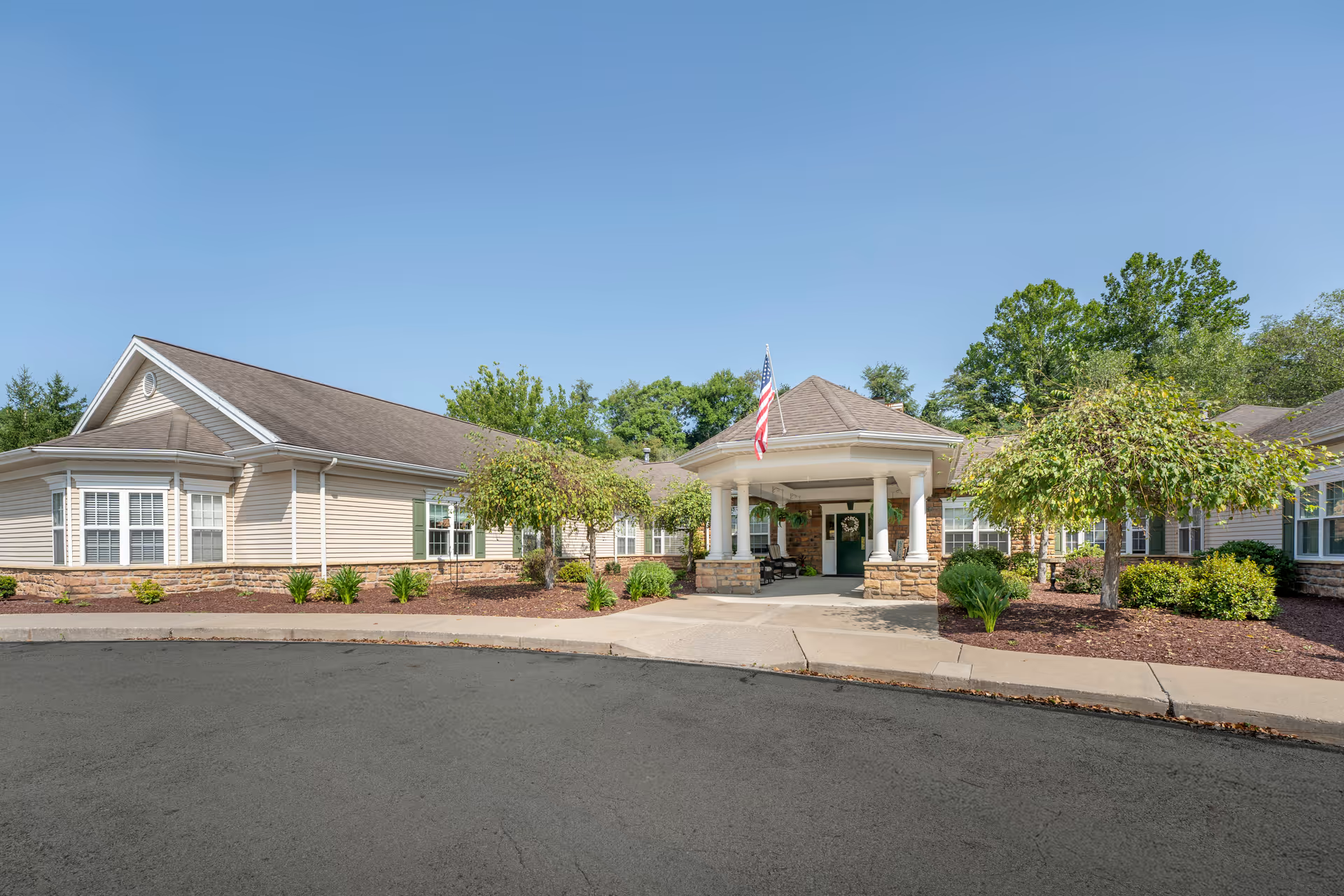
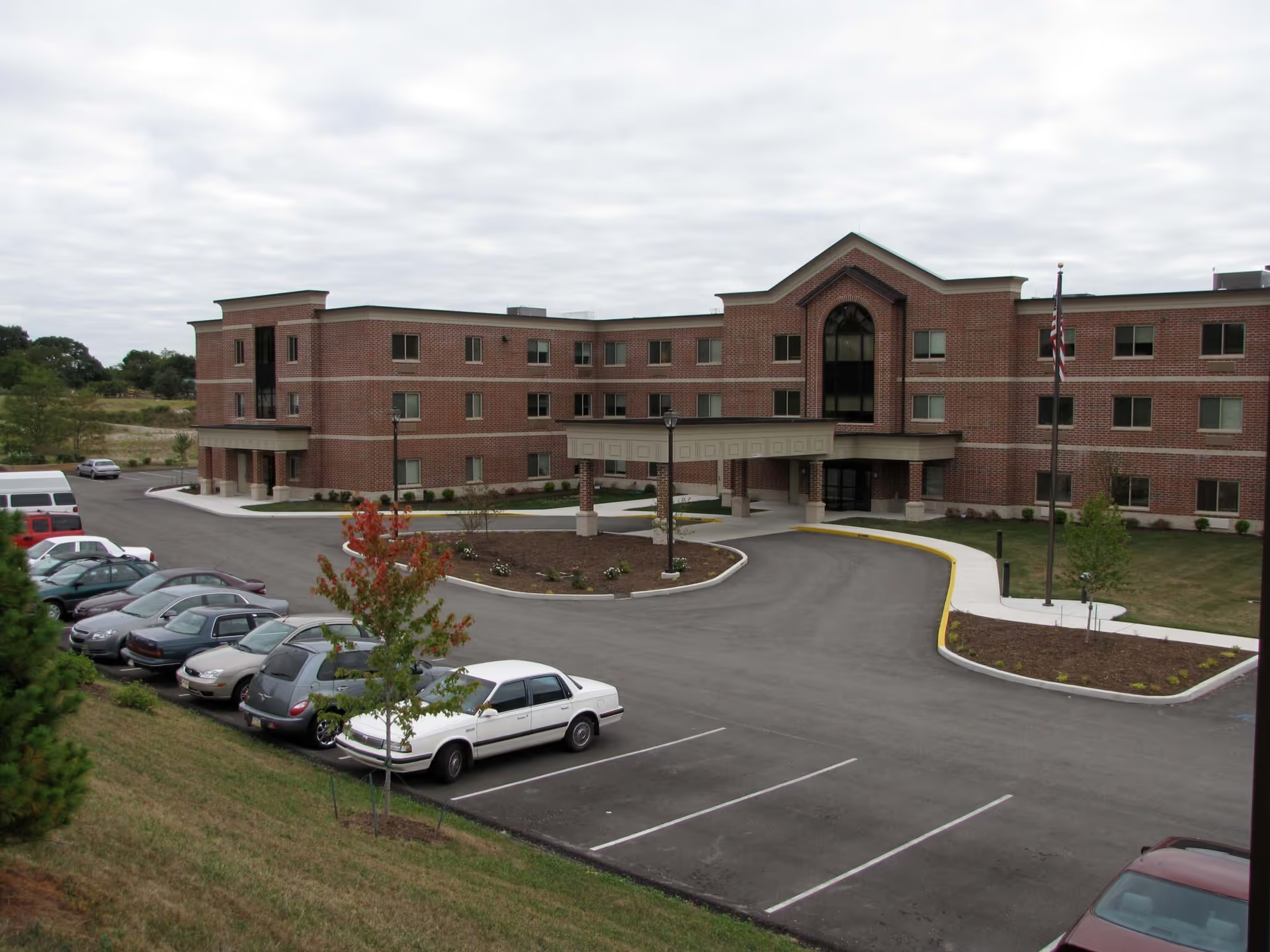
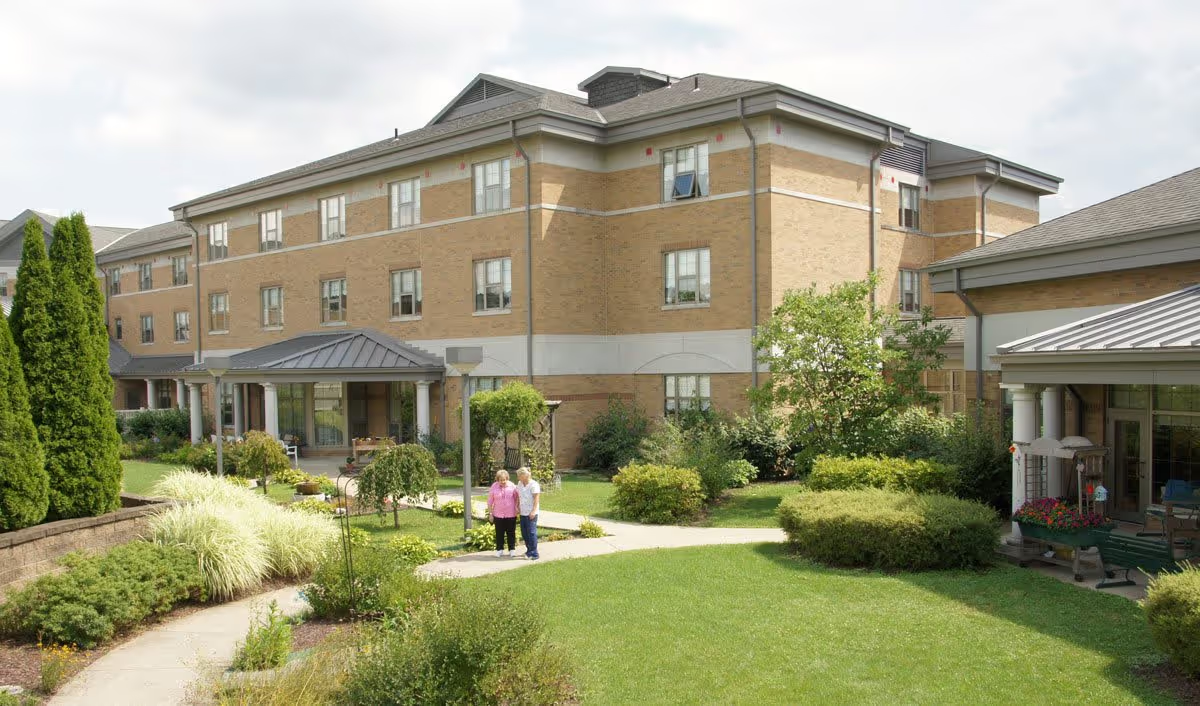
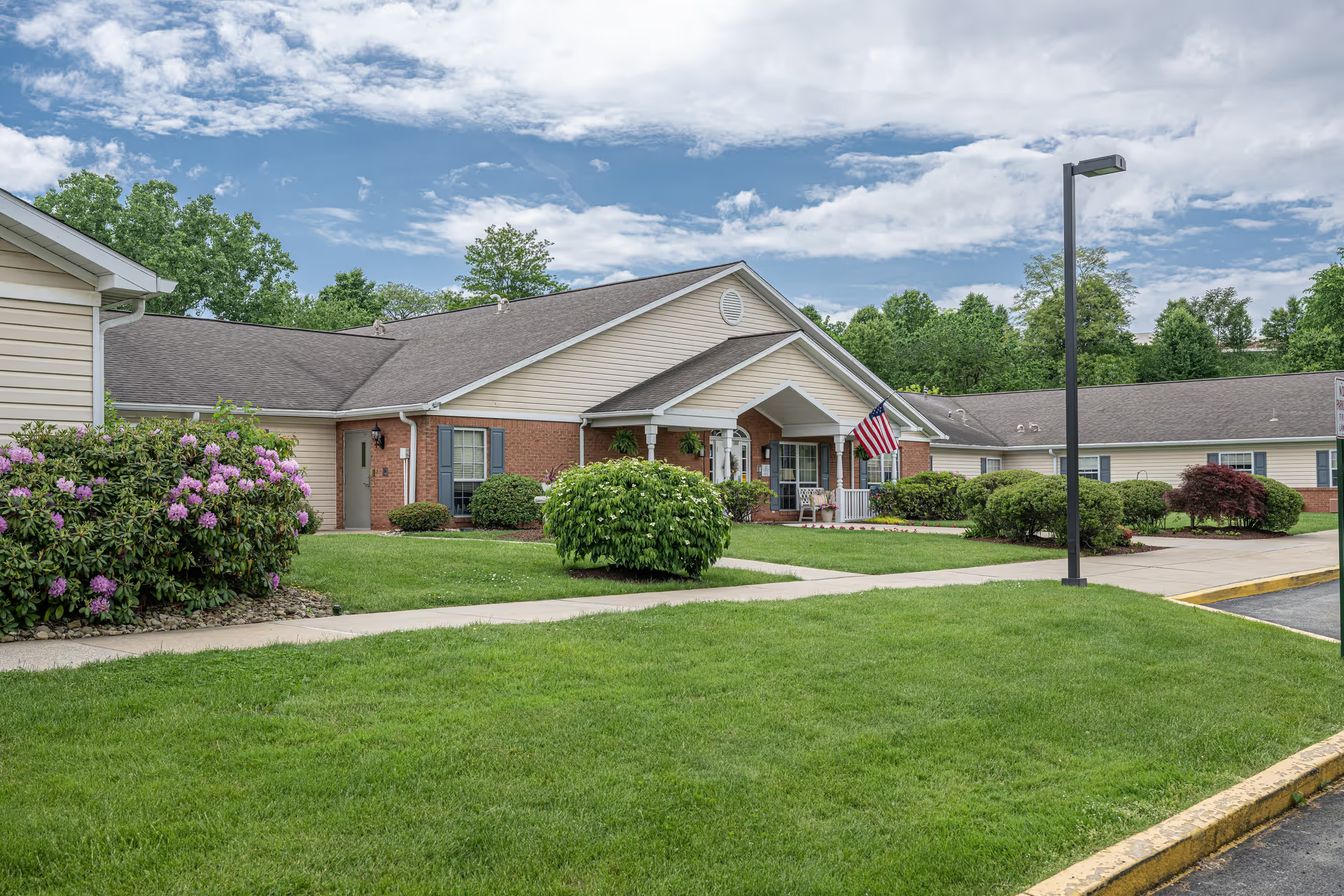
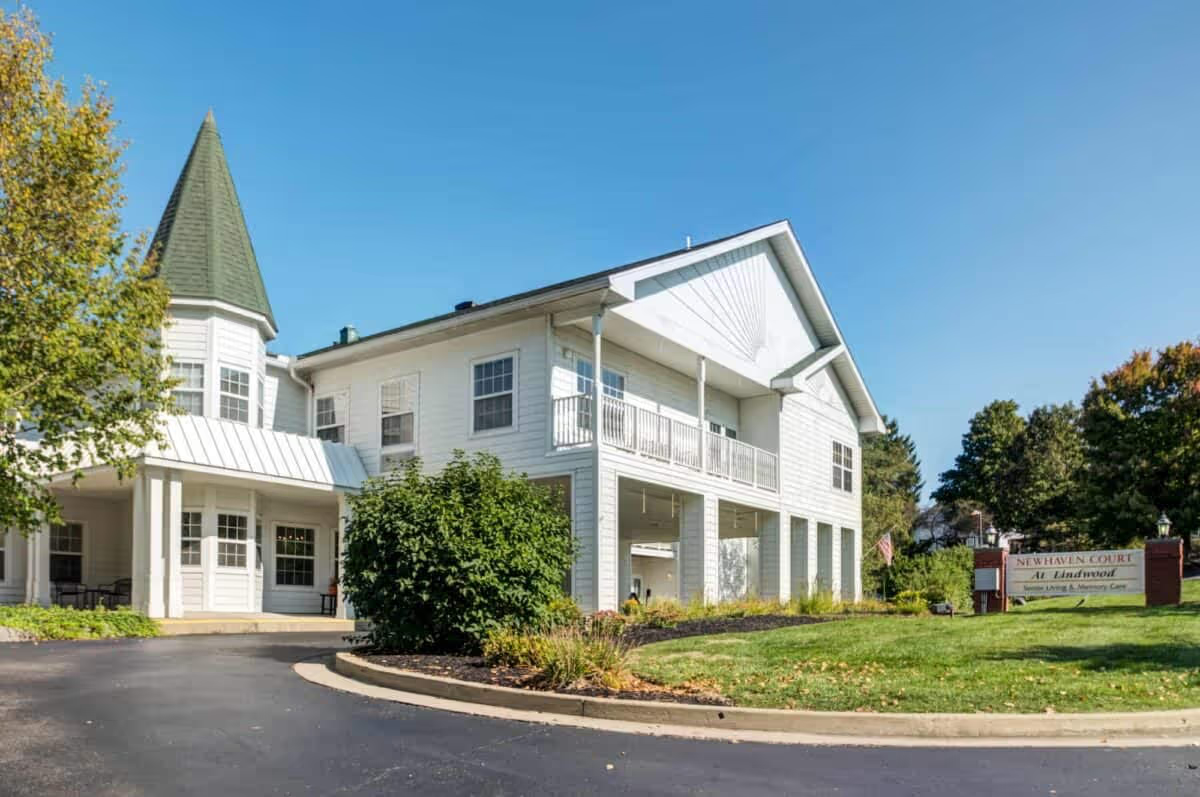
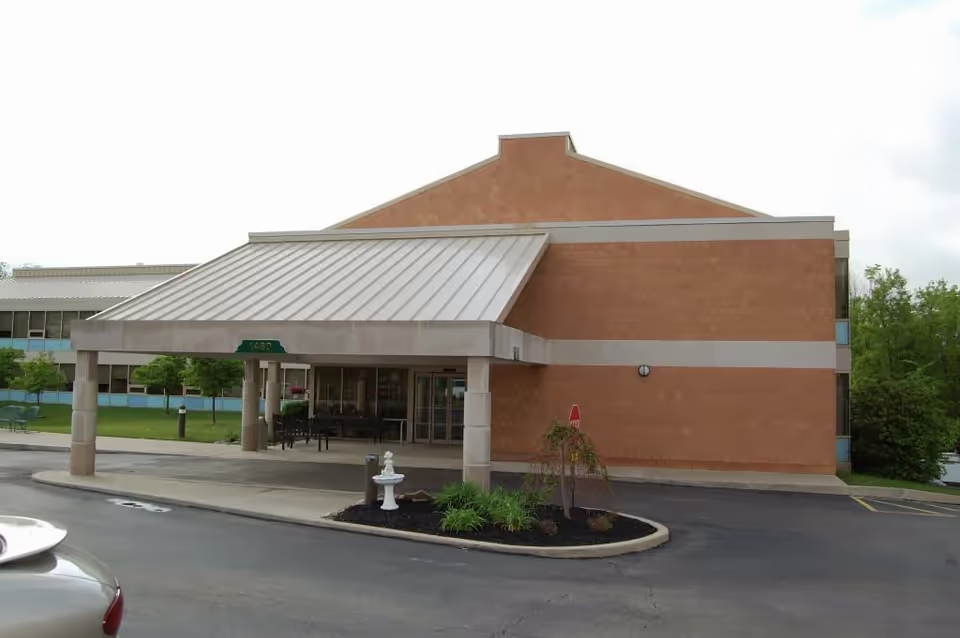
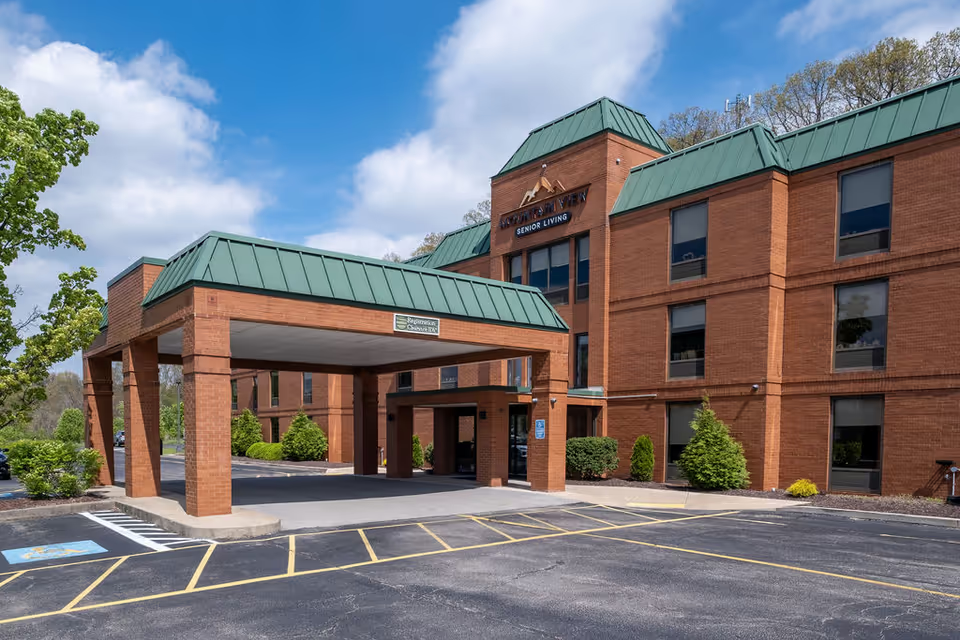
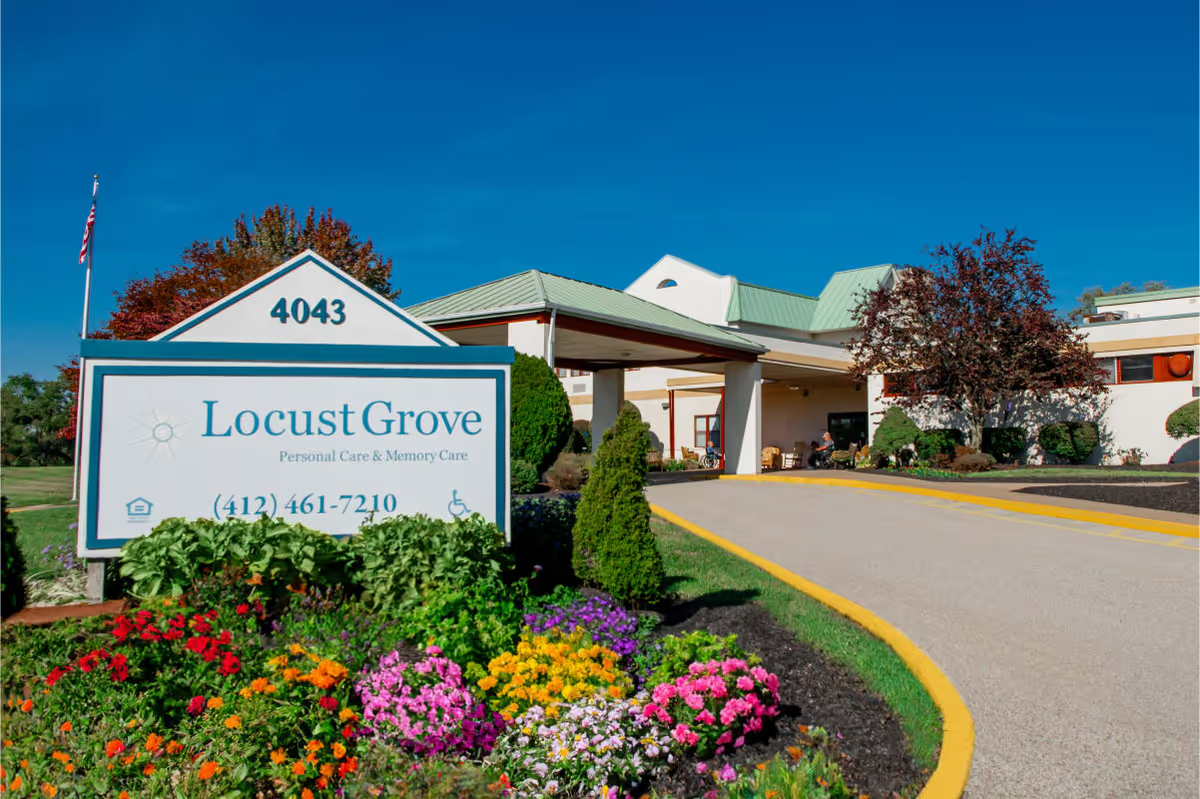
Facilities and management: The physical environment and housekeeping were generally described as clean and well maintained, with private sunny rooms and responsive maintenance. Groundskeeping and specific staff were highlighted for accountability. At the management level, experiences diverge: some families reported helpful office staff and supportive administrators, while others felt their concerns were minimized by leadership. Additionally, reviewers expressed that the unit may not be optimally configured for residents with dementia due to limited security or specialized programming.
Notable patterns and decision factors: Prospective families should weigh the facility's strengths in compassionate direct care, social programming, and facility upkeep against recurring operational issues: staffing variability, gaps in clinical and medication management, inconsistent meal service, language barriers, and communication/complaint handling deficiencies. Those considering Golden Heights may benefit from targeted questions during touring and contracting — for example, asking about staff‑to‑resident ratios on specific shifts, clinical training and device‑use protocols, dementia‑care safeguards, language resources, and formal grievance procedures — to assess how current operations align with an individual resident’s needs.