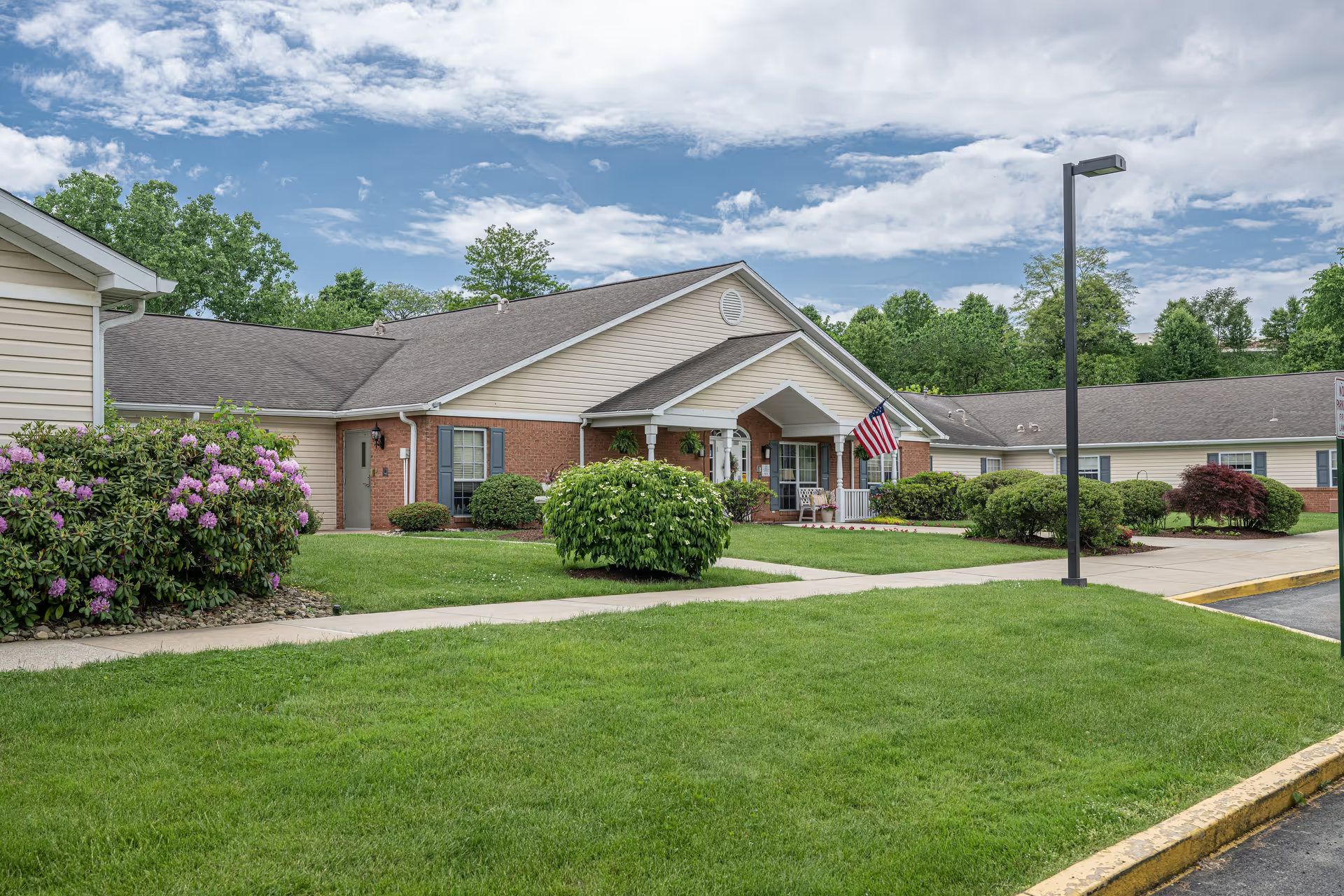
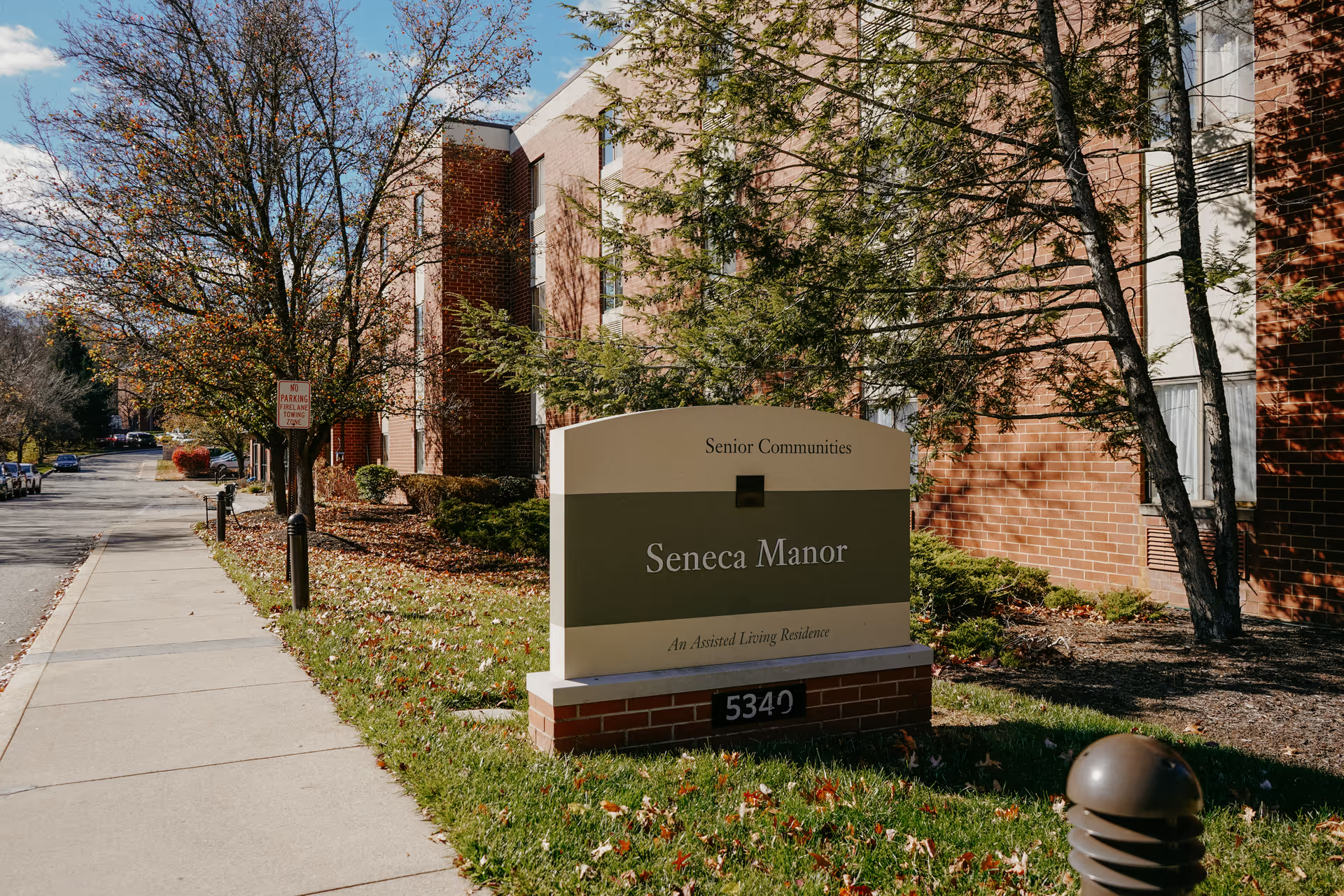
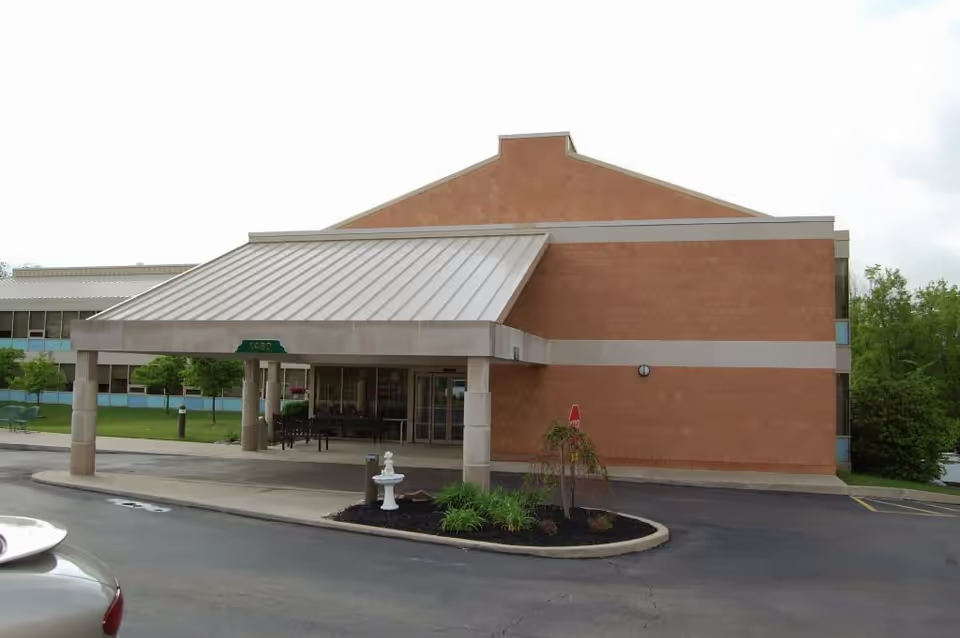
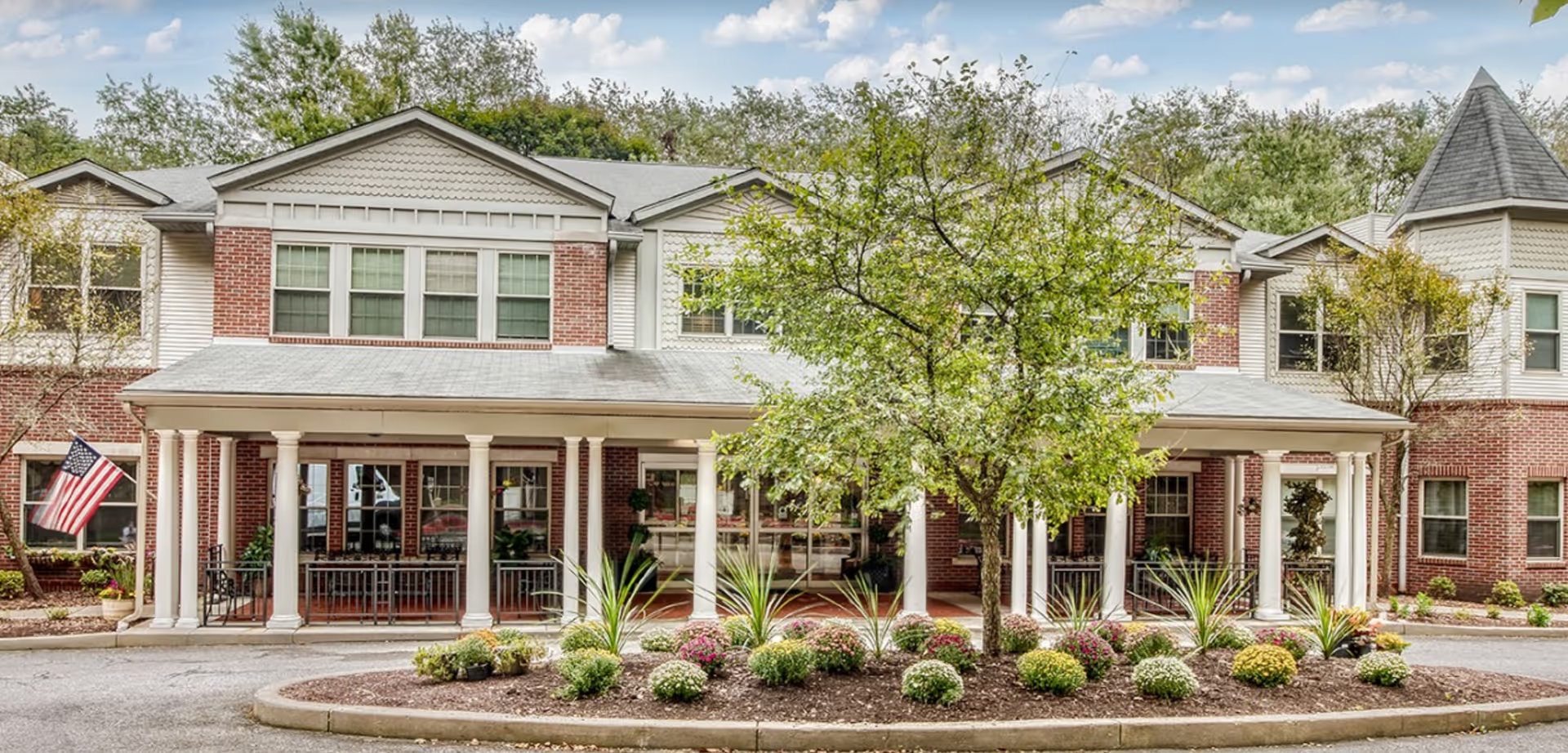
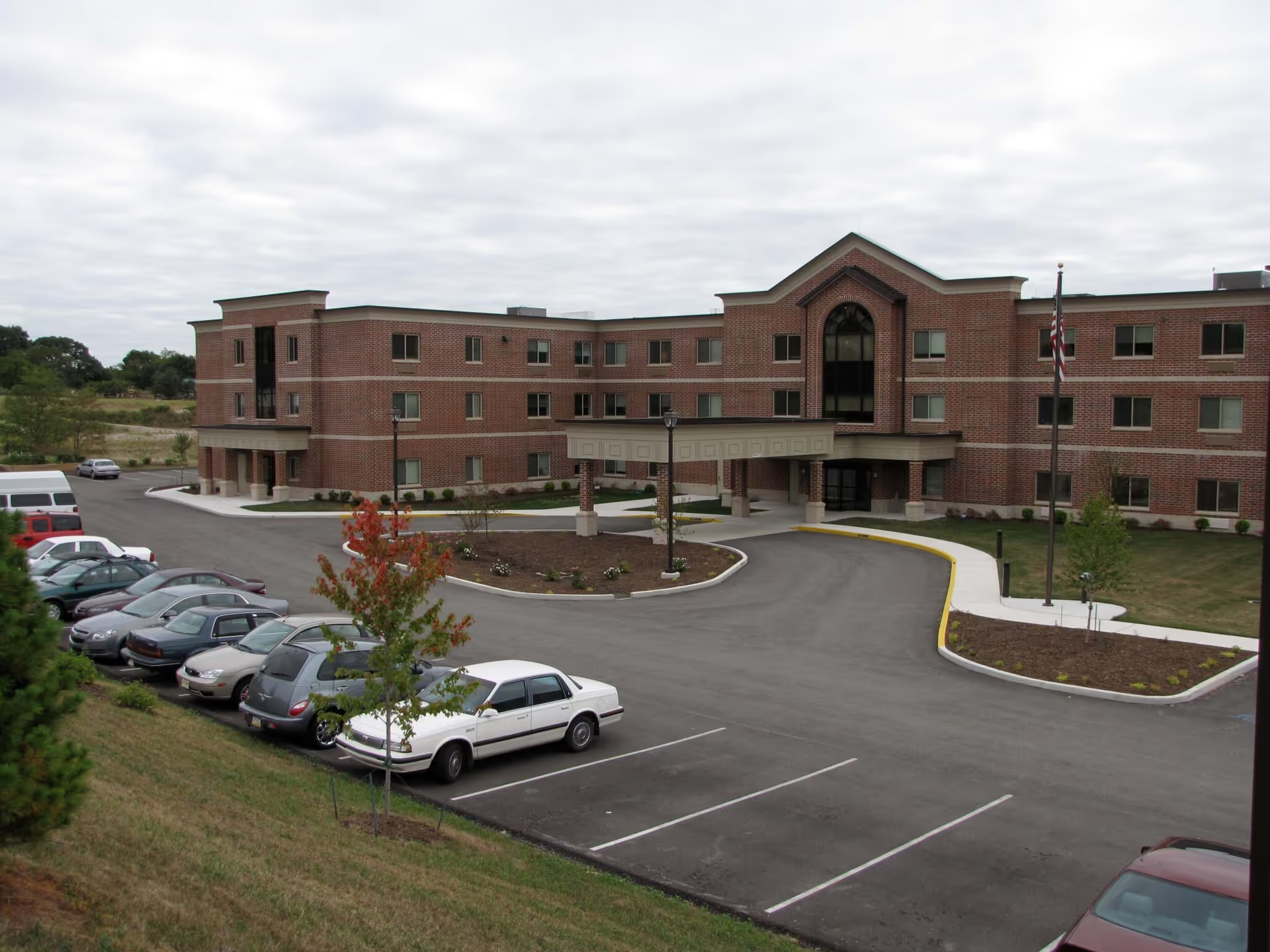
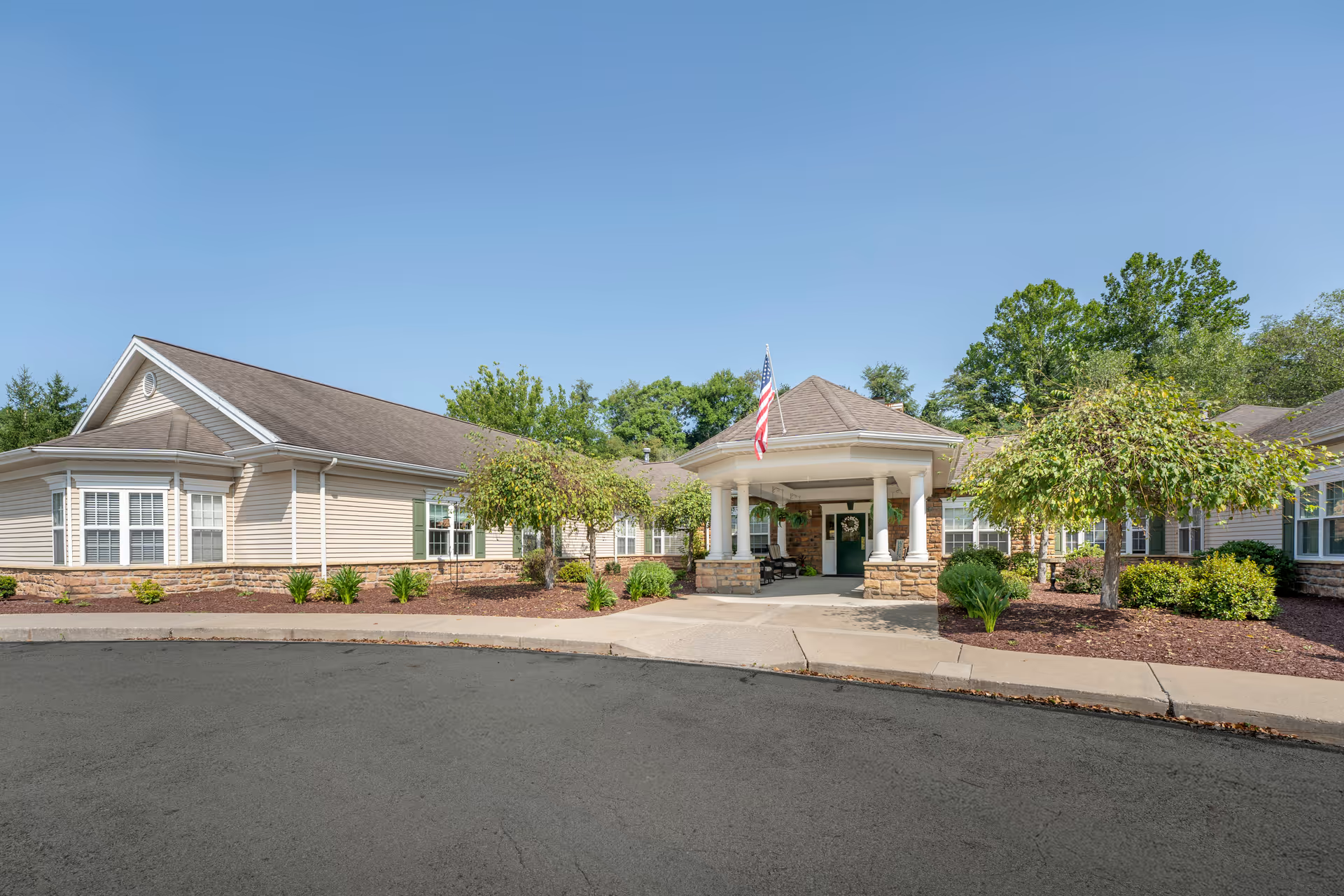
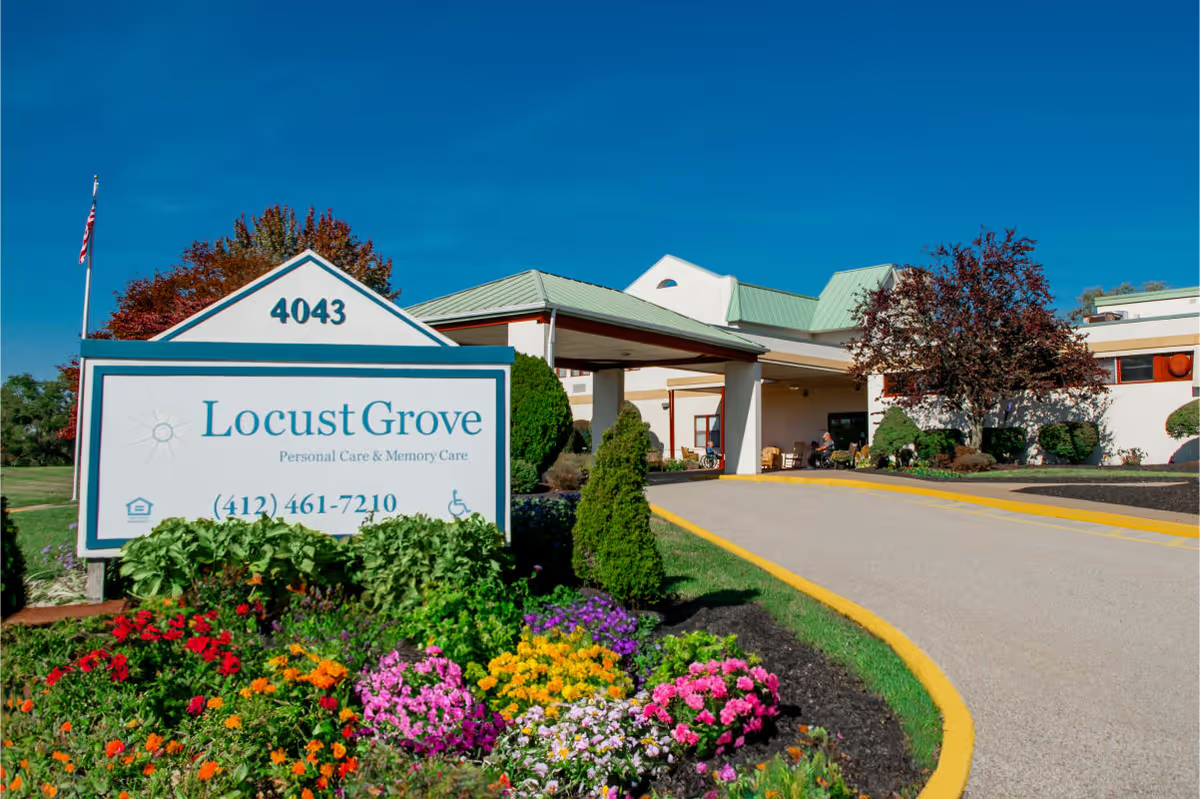
Overall impression: Reviewers communicated a generally positive view of daily life at the community while also describing consistent operational challenges to verify during a tour. Strengths repeatedly noted include a strong dining program and culinary creativity, a wide and engaging activities calendar, and long-tenured clinical staff—features that many families said contributed to resident happiness and social engagement. The building and common areas are frequently described as bright, renovated, and well maintained, with spacious rooms and enclosed outdoor courtyards that support resident comfort.
Care and staffing: Clinical capacity is a clear asset in several accounts: the community maintains on-site registered nursing coverage around the clock and many families praised compassionate nurses, med-techs, and coordinators who supported smooth transitions. At the same time, reviewers described variability in staffing levels (notably on weekends and evenings) and periodic turnover that affected continuity of care. Families should ask about current staffing ratios, weekend coverage, and procedures for handoffs. Several comments described lapses in medication administration or pharmacy coordination; prospective families may wish to review medication-management protocols and pharmacy billing practices directly with leadership.
Dining and activities: The dining program is a standout element for many—long-tenured dietary personnel, creative menu offerings, and special programming (including culinary demonstrations) were highlighted. Activities are described as robust and diverse, including daily exercise, Wii bowling, crafts, outings, and social events that many residents enjoy. However, activity access appears to vary by resident acuity and unit; residents with high care needs or those in secured units may experience more limited participation. Staffing levels also influence activity delivery on occasion.
Facilities and daily living: Common areas and the interior are generally well kept, and multiple reviewers noted an odor-free environment and attentive housekeeping in public spaces. Conversely, there are recurring mentions of inconsistent room-level housekeeping, laundry, and personal-care scheduling—issues described as intermittent rather than systemic in every case. Prospective families should clarify cleaning schedules, linen/wardrobe procedures, and in-room maintenance expectations. A few reviewers also raised concerns about amenity access for secured units and some exterior maintenance items.
Management, communication, and cost: Experiences with administrative responsiveness are mixed. Several families praised helpful admissions staff and effective transition support, while others described inconsistent follow-up, limited weekend administrative availability, and difficulty obtaining clear answers about fees and billing. Reports of significant price increases and additional service charges underline the importance of reviewing the fee schedule and asking about refund and deposit policies. In some narratives, new leadership or recent staff changes were cited as improving care; in others, management communication was cited as an area needing improvement.
Recommendations for prospective families: The community demonstrates clear strengths in dining, social programming, and core clinical coverage, and many families reported positive resident experiences. At the same time, recurring themes—staffing variability, medication and pharmacy coordination gaps, room-cleaning inconsistencies, and pricing transparency—warrant direct inquiry. Recommended questions include current staffing ratios by shift, medication-safety protocols, housekeeping schedules, weekend administrative availability, amenity access for memory-care residents, and a detailed breakdown of fees. Scheduling a tour that includes unit visits during activity periods and speaking with nursing leadership can help clarify whether the community’s strengths align with a prospective resident’s needs.