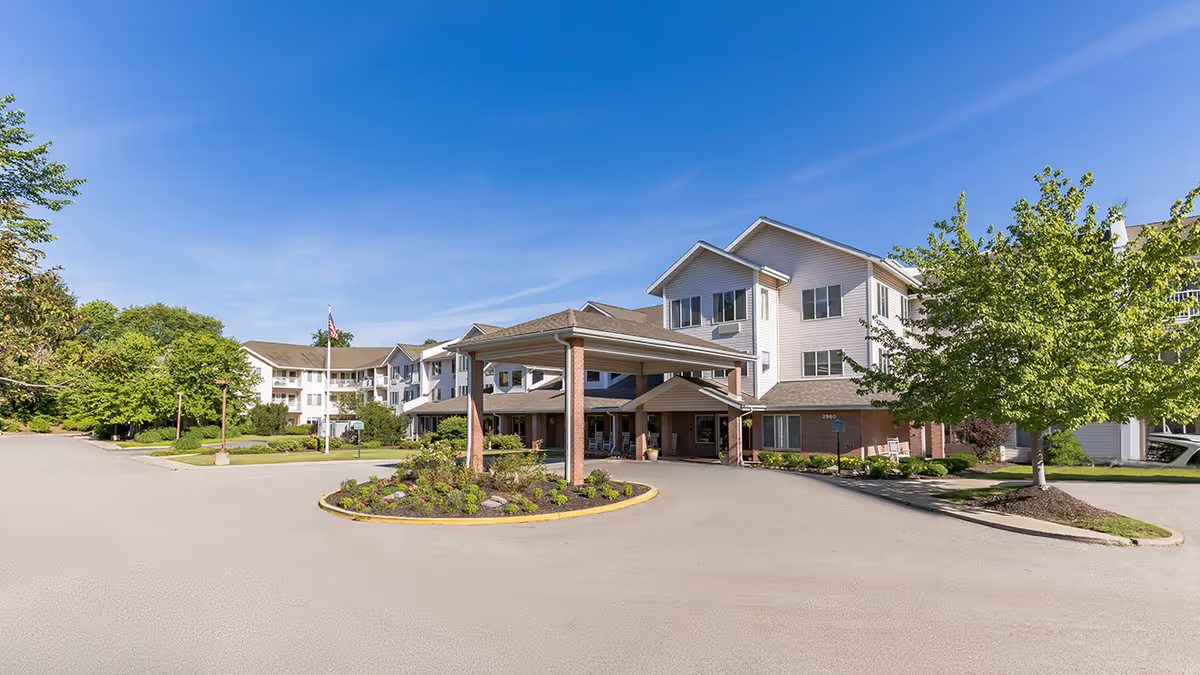
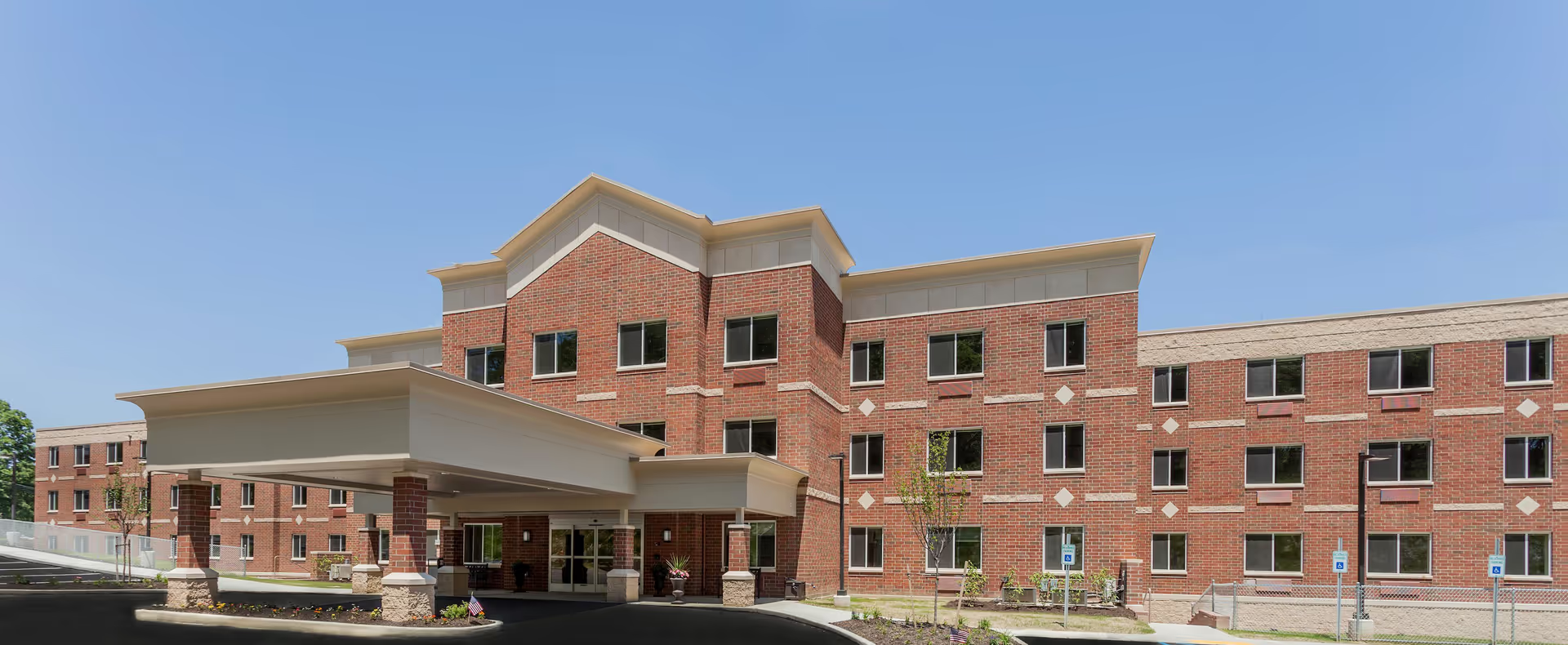
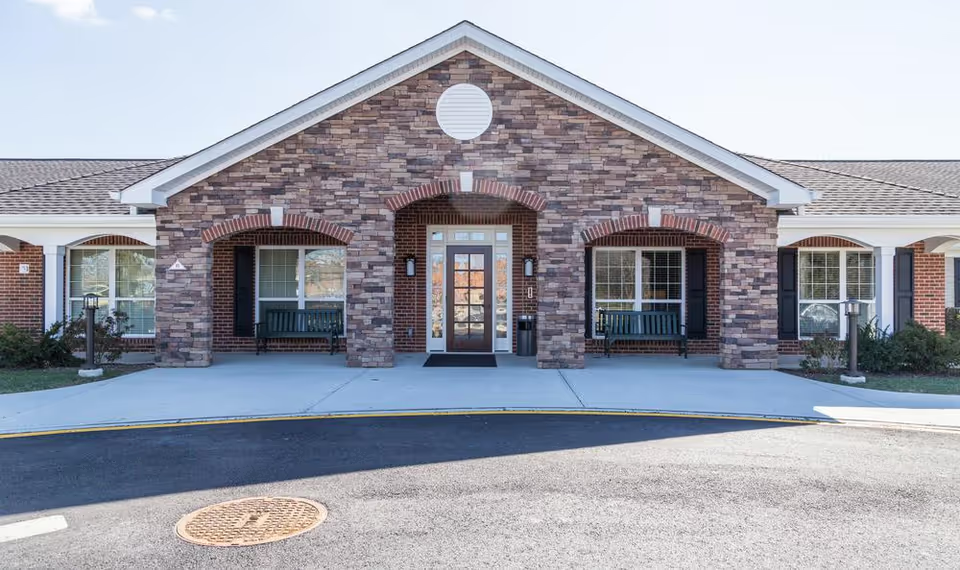
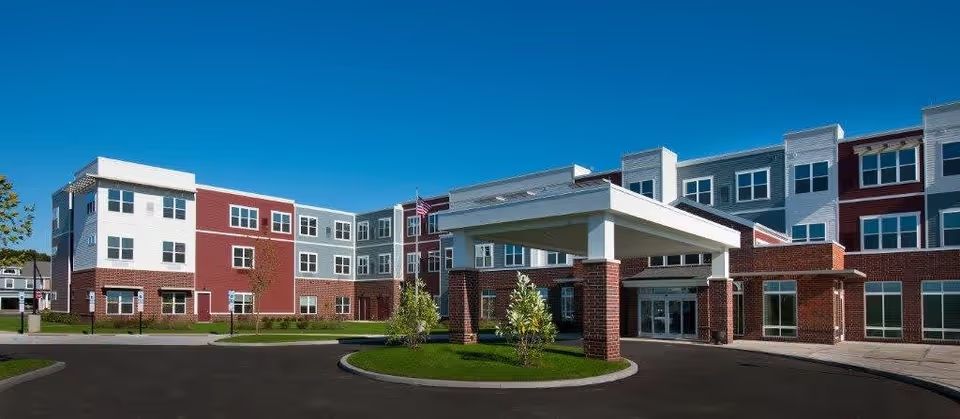
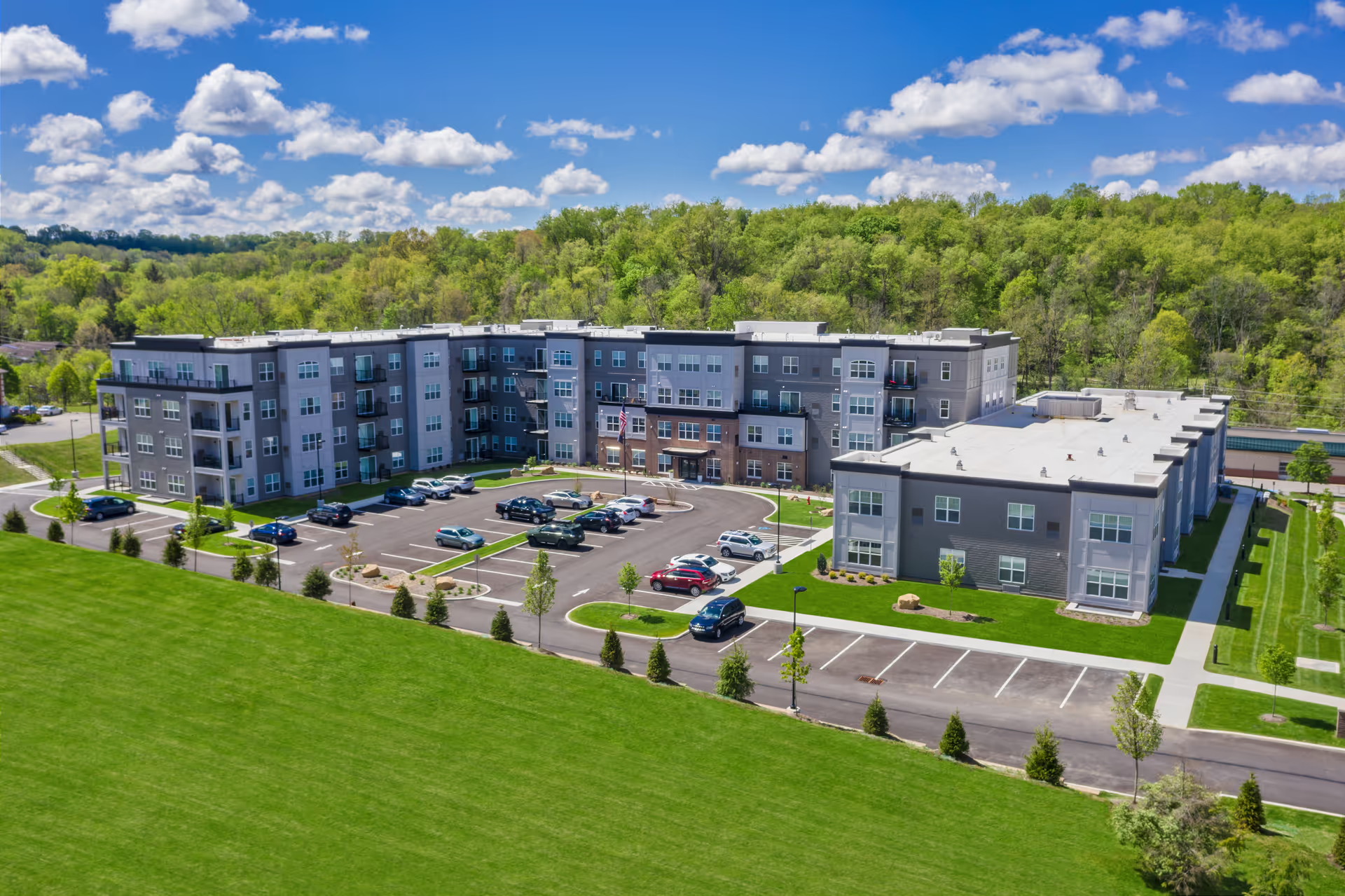
Overall impression: The Grand Residence at Upper St. Clair is frequently described as a warm, restaurant-style assisted living community with strong aesthetic and lifestyle qualities. Reviewers consistently highlight an attractive, well-kept building and grounds, spacious apartments with kitchenettes and private baths, and multiple pleasant outdoor spaces such as a patio, garden and creek view. The community model emphasizes social engagement and aging-in-place, and many families cite peace of mind and a home-like atmosphere as major positives.
Care and staff: Many families praise the nursing staff, aides and front-line caregivers as kind, patient and attentive, and several comments reference long-tenured employees and an owner who is accessible and responsive. The community offers hospice support and on-site clinical resources (nurses, therapists and an on-site physician), which families found important for continuity of care. However, there are notable operational concerns to be aware of: reviewers describe inconsistent responsiveness to resident needs, instances of delayed attention, and isolated allegations of serious staff conduct. There are also mentions of gaps in medication management and variable direct-care training—issues that suggest families should ask detailed questions about staffing levels, supervision, incident-response protocols and medication oversight during a tour.
Dining and activities: Dining is a clear strength for many residents — reviewers frequently describe restaurant-quality meals, daily specials, homemade soups, desserts and gelato, and attentive dining staff. The facility runs a robust activities calendar with arts and crafts, games, movie nights, sightseeing outings, themed events, family nights and community celebrations. Salon services, outings, and opportunities for social integration are emphasized repeatedly, contributing to residents’ quality of life.
Facilities and services: The physical plant and amenities receive strong praise: clean interiors, seasonal décor, common spaces (library, activity room, dining room, café), weekly room services, laundry and accessible bathrooms. Safety features such as WanderGuard-type devices and wheelchair-accessible design elements are noted. Management is commonly described as family-owned and hands-on, with many families reporting good communication and accommodation. Pricing is mentioned as higher than some alternatives, so affordability and contract details should be clarified.
Notable patterns and recommendations: Positive patterns include engaging programming, quality dining, an attractive environment and many accounts of compassionate care. Counterbalancing this are recurring operational themes: inconsistent responsiveness at times, concerns about staff conduct and communication tone, variable clinical oversight and training for some direct-care aides, and isolated but serious allegations that families should investigate further. Prospective residents and families should perform due diligence: review inspection and complaint histories, ask about nurse-to-resident ratios, staff training and turnover, medication-administration protocols, incident-response procedures, sanitation and incontinence-care processes, fall-prevention measures, and specific rehabilitation offerings. An in-person tour and conversations with both management and current resident families will help assess whether the facility’s strengths align with an individual’s care needs and safety requirements.