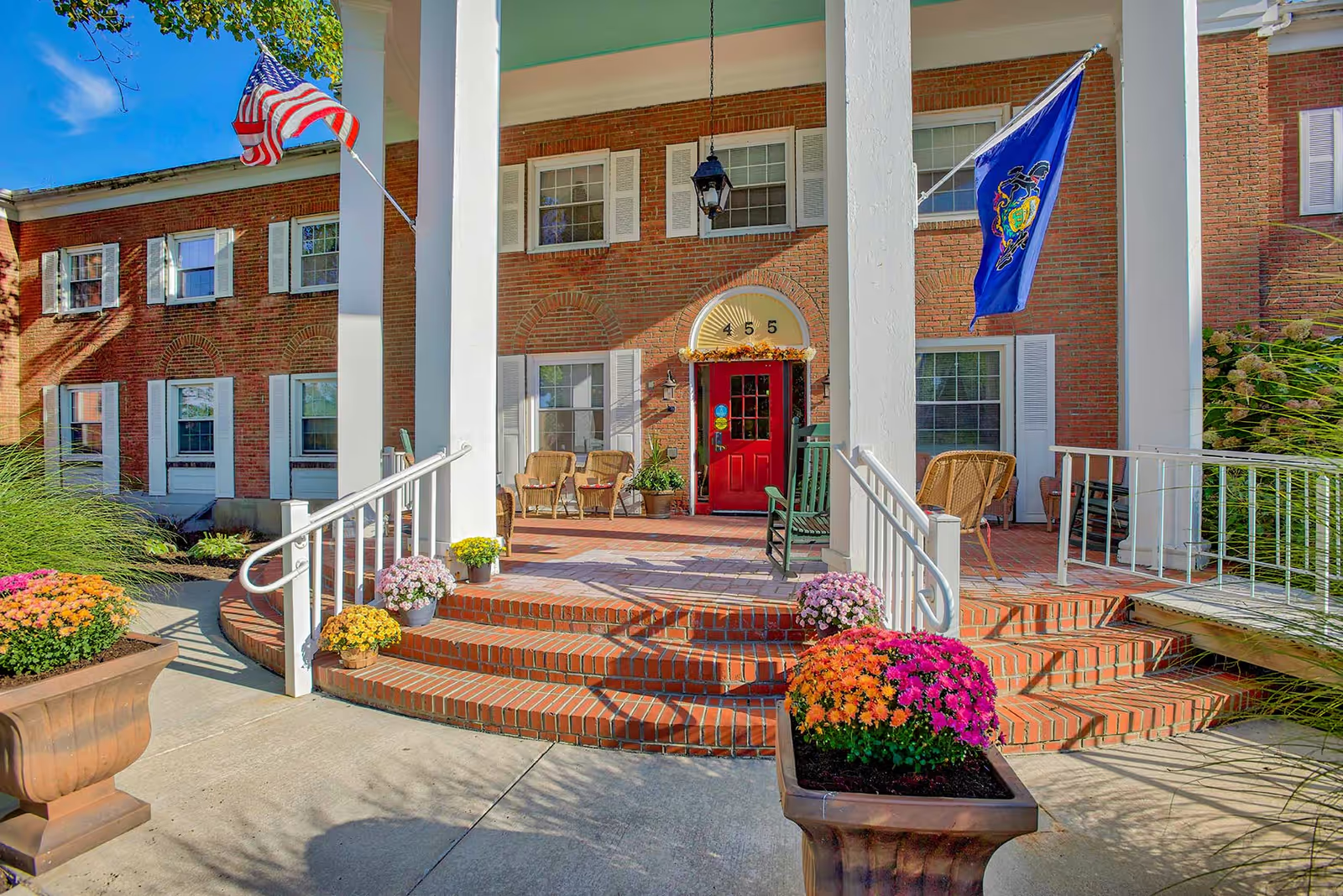
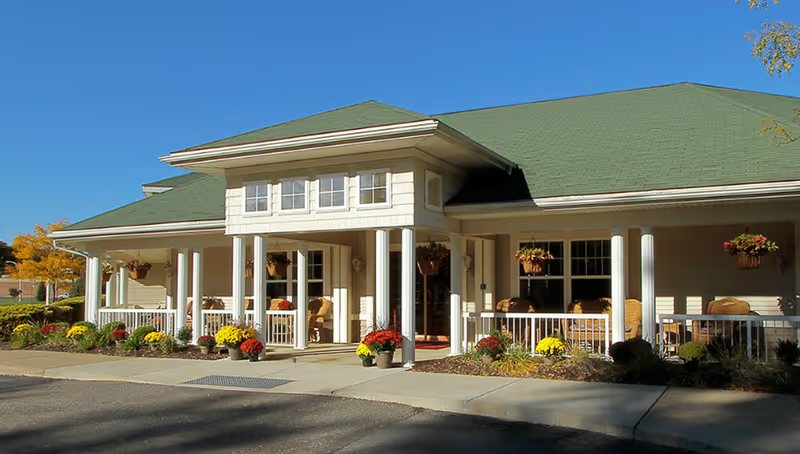
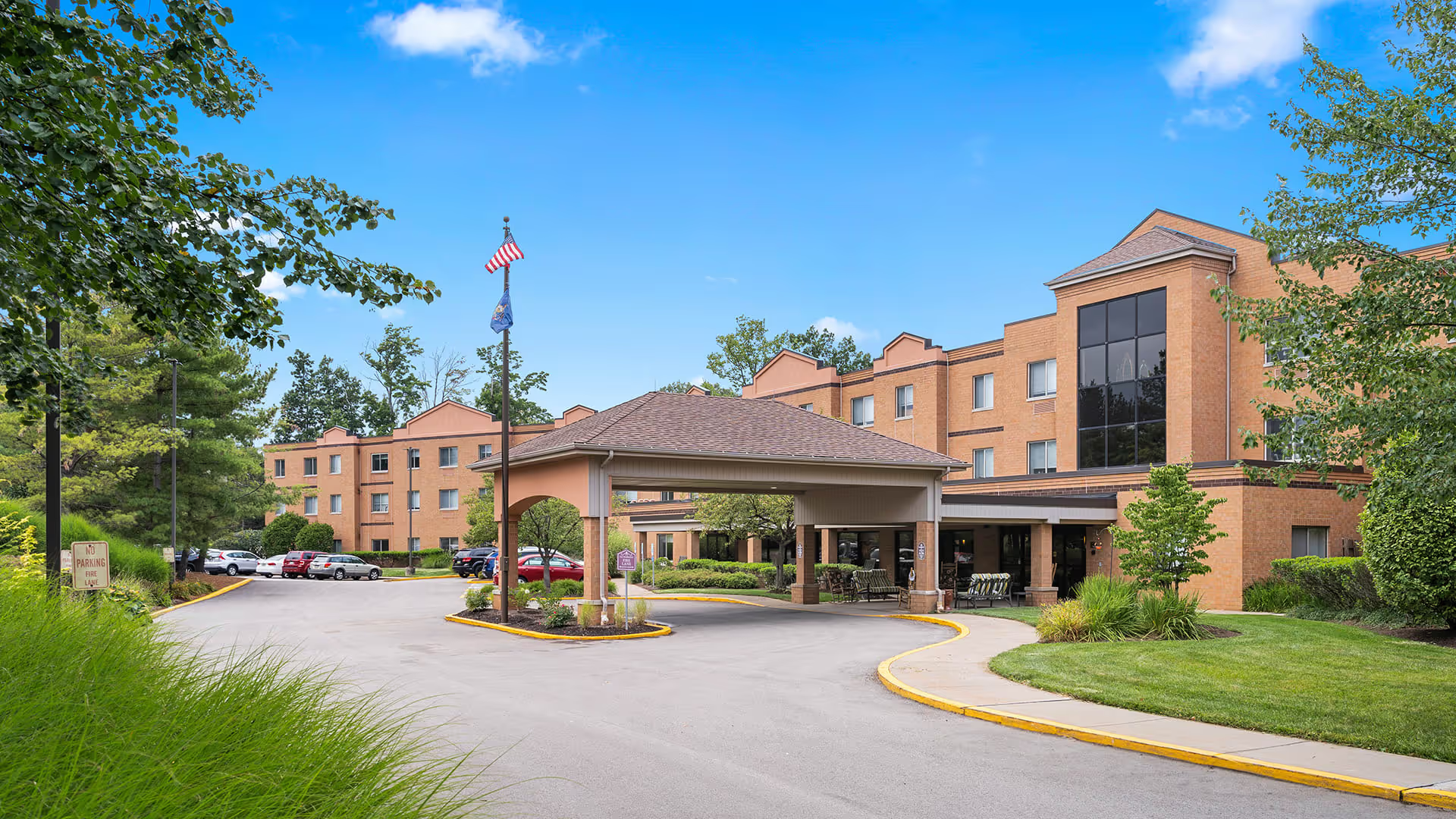
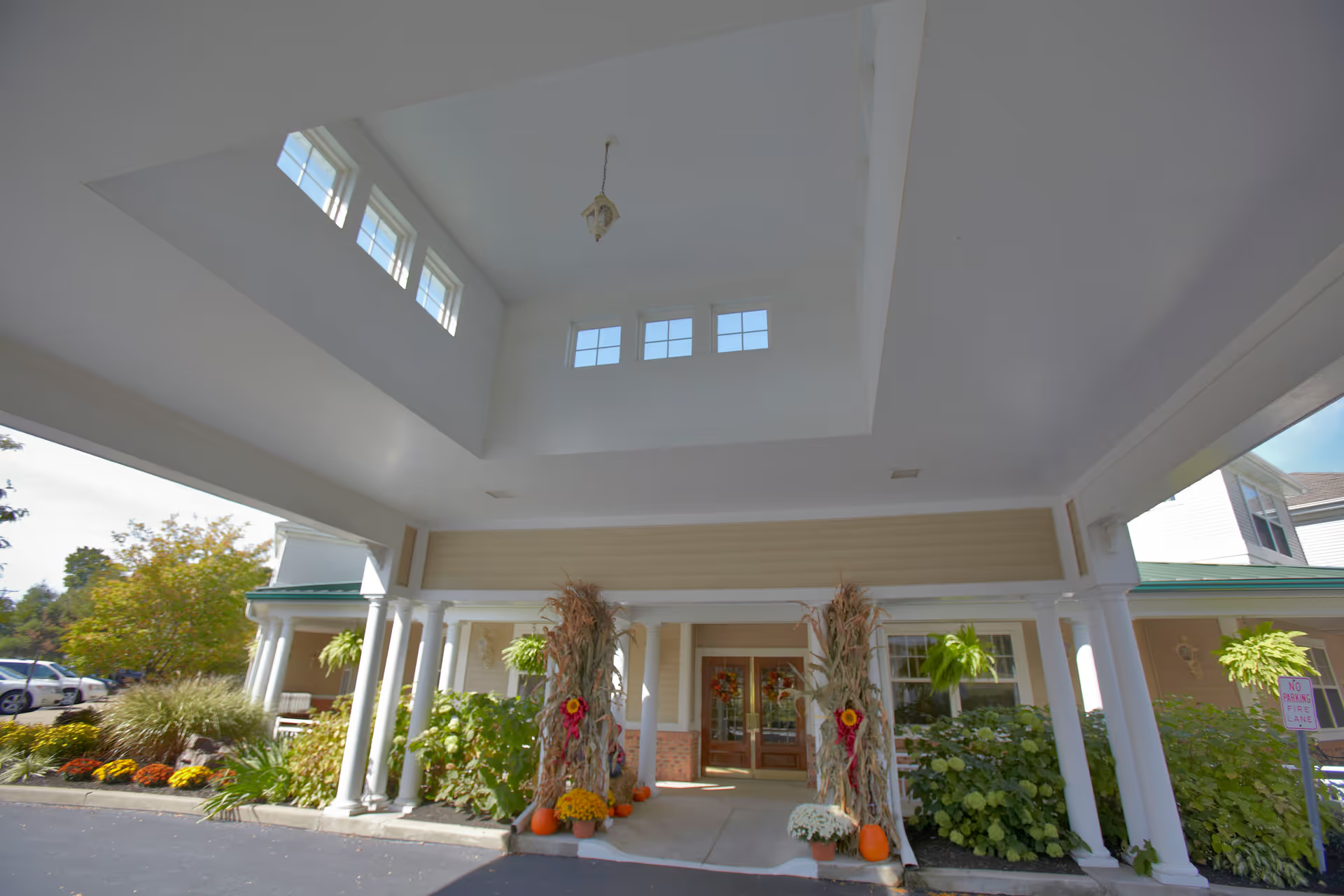
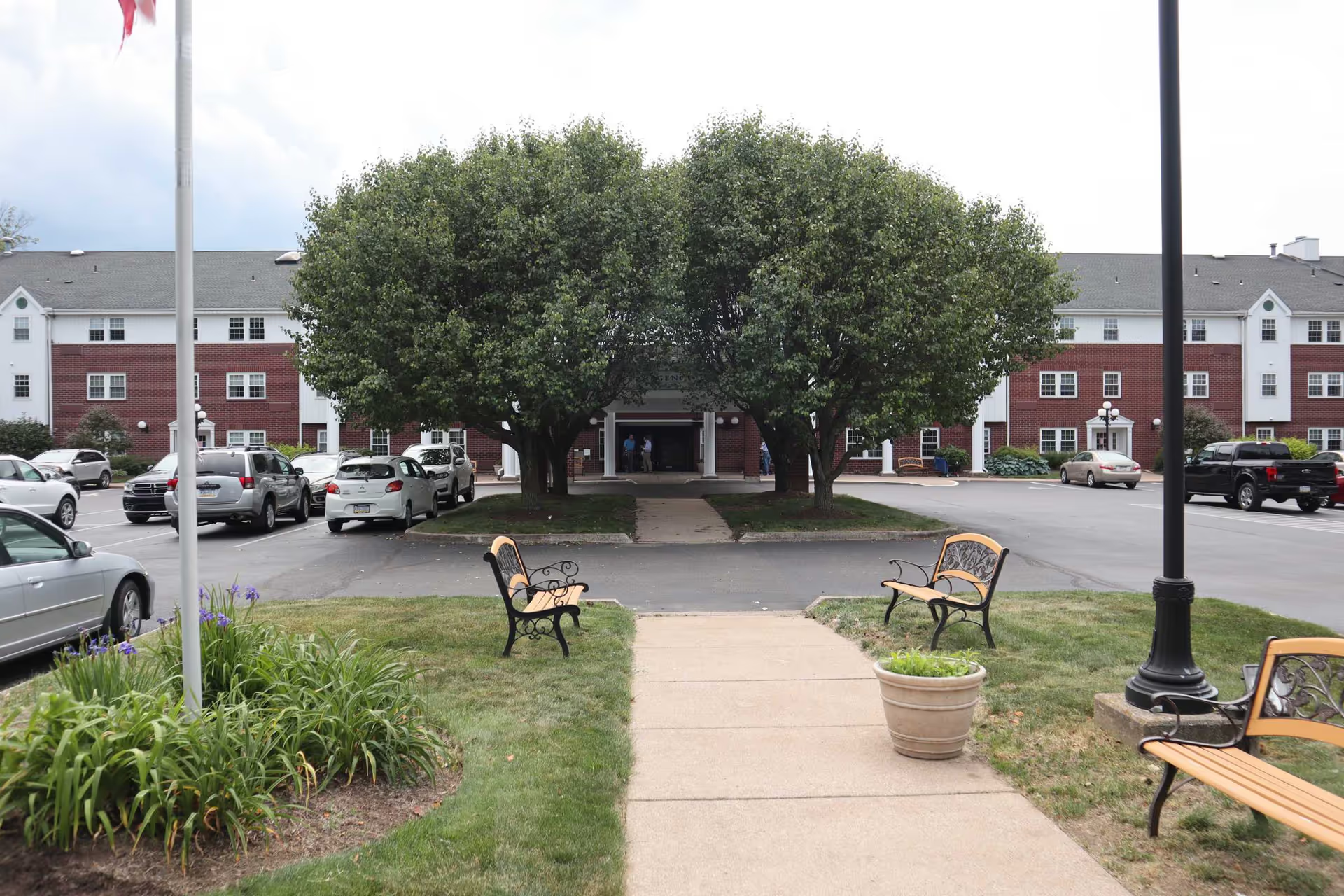
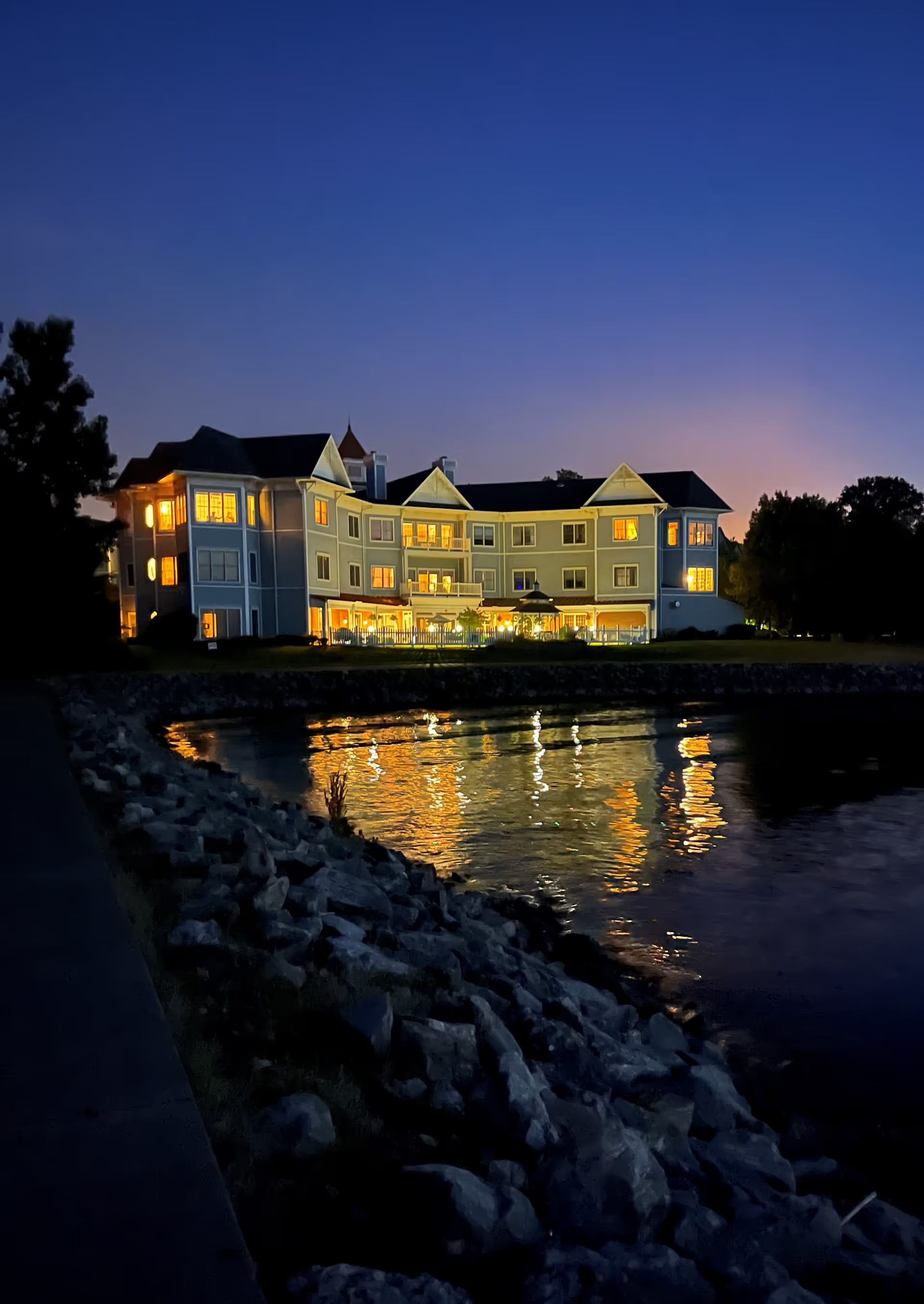
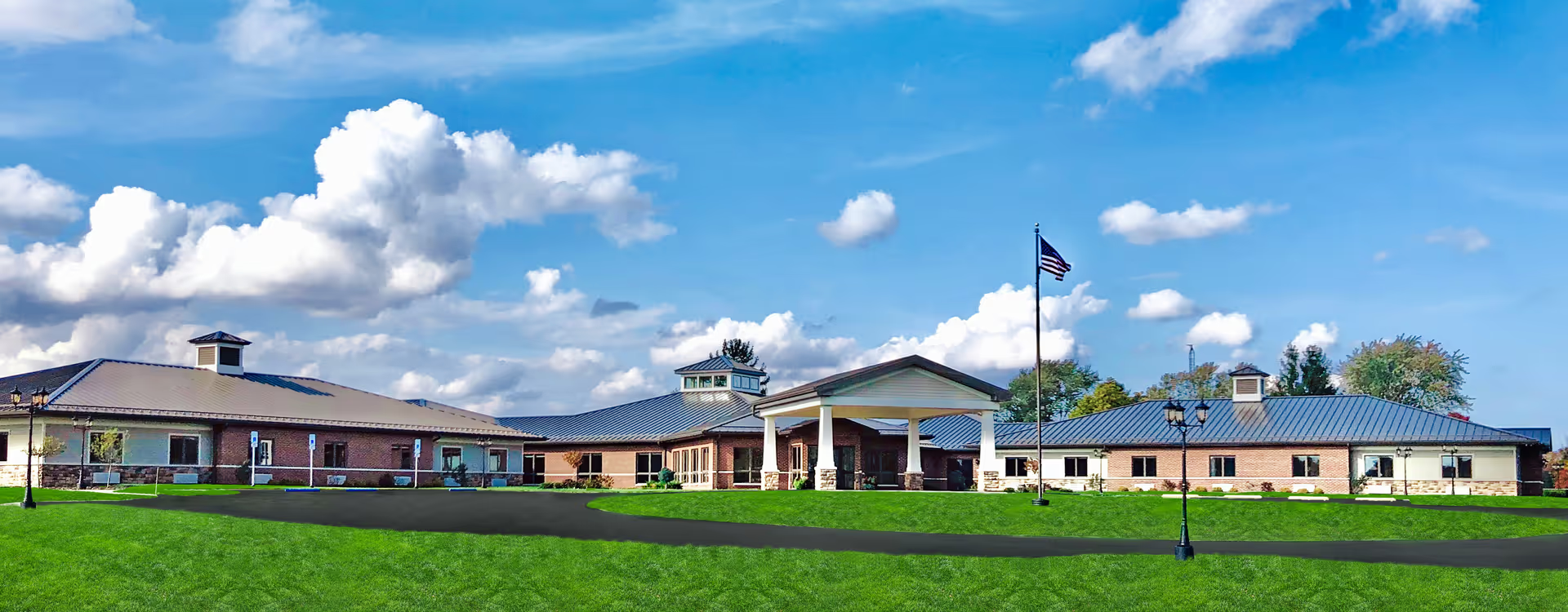
Crawford County Care Center presents as a well-maintained, homelike facility in a rural setting with pleasant walking areas and outdoor seating. Many reviewers describe a clean environment, thoughtfully arranged common spaces (library, on-site store), and a calm, peaceful atmosphere. The facility is noted for its volunteer engagement, frequent activities including live music, and visible efforts to involve families in events such as birthday and holiday celebrations.
Clinical and rehabilitative services receive strong praise in several accounts: attentive nursing staff, a capable therapy department, and an especially positive short-term rehab experience. Memory-care programming is repeatedly described as high-quality and resident-focused. Families also cite compassionate end-of-life support and individualized approaches to dining, with family-style meals and the ability to accommodate special diets. The presence of pets and a generally welcoming culture are commonly mentioned as contributors to a homelike feel.
Despite these strengths, a number of operational concerns recur. Staffing inconsistency is the most prominent, with accounts indicating that shortages can affect routine care tasks and meal assistance. Communication gaps—unanswered calls, limited weekend access, and uneven family outreach—are described by multiple sources and can exacerbate families' worries during staffing transitions. There is also a pattern of variability tied to management changes: some reviewers note a clear decline in oversight after leadership transitions, while others describe more recent stabilization and improvements under new management.
Other practical considerations noted include the absence of continuous on-site physician coverage (physicians typically visit), perceived pricing that some families find high for the level of service, and property-safeguarding issues highlighted by a few allegations of missing personal items. The facility's infection-control visitation policies during COVID-era restrictions were a source of frustration for some, though accounts suggest access has been easing.
In sum, the facility offers many positive elements—clean, pleasant grounds, active programming, strong therapy and memory-care services, and a generally compassionate staff culture. However, prospective residents and families should assess current staffing stability, communication practices, property-security measures, and physician coverage during a tour or meeting with leadership to understand how the center is addressing the operational weaknesses that have been noted and to confirm consistency of care across units and shifts.