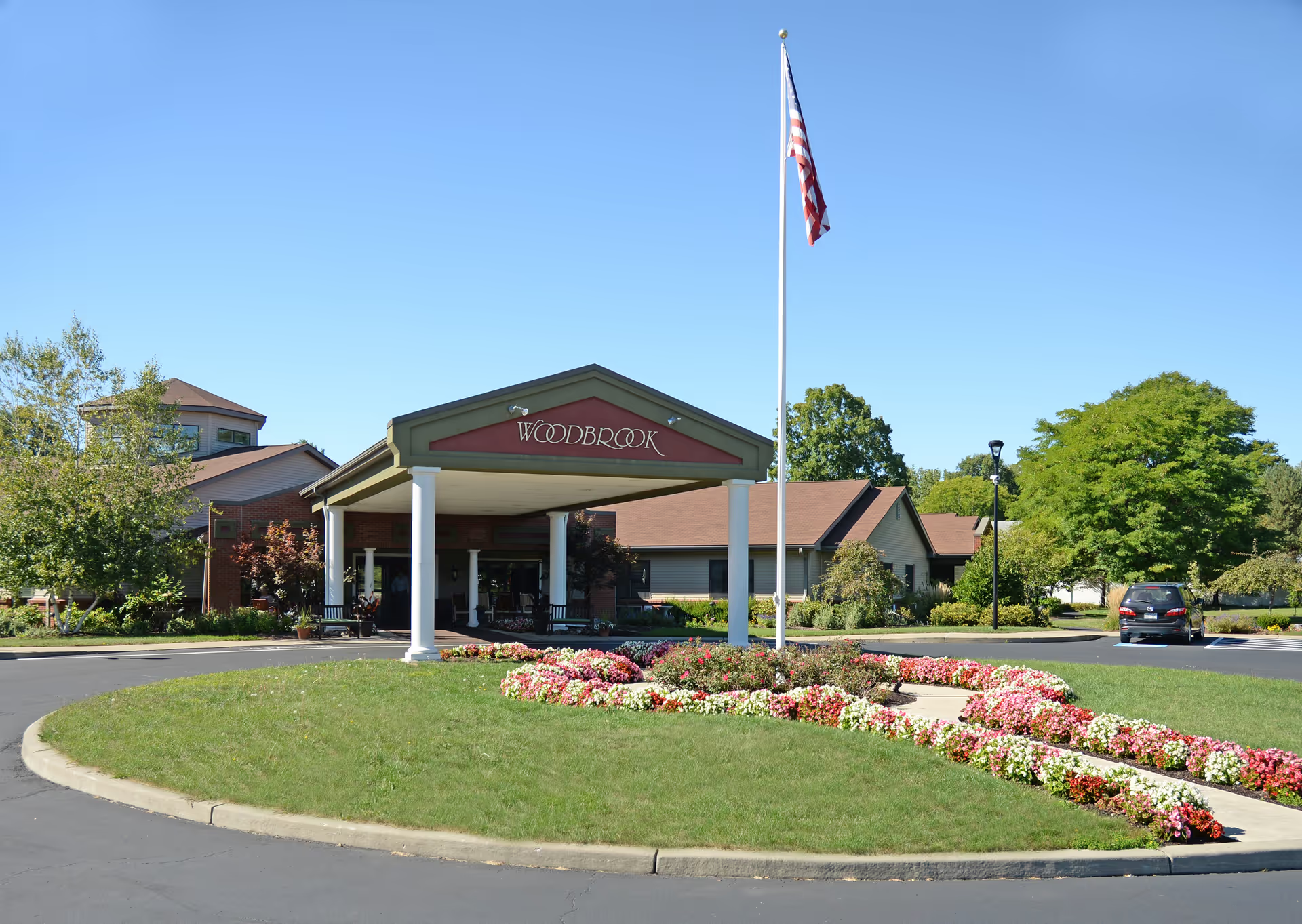
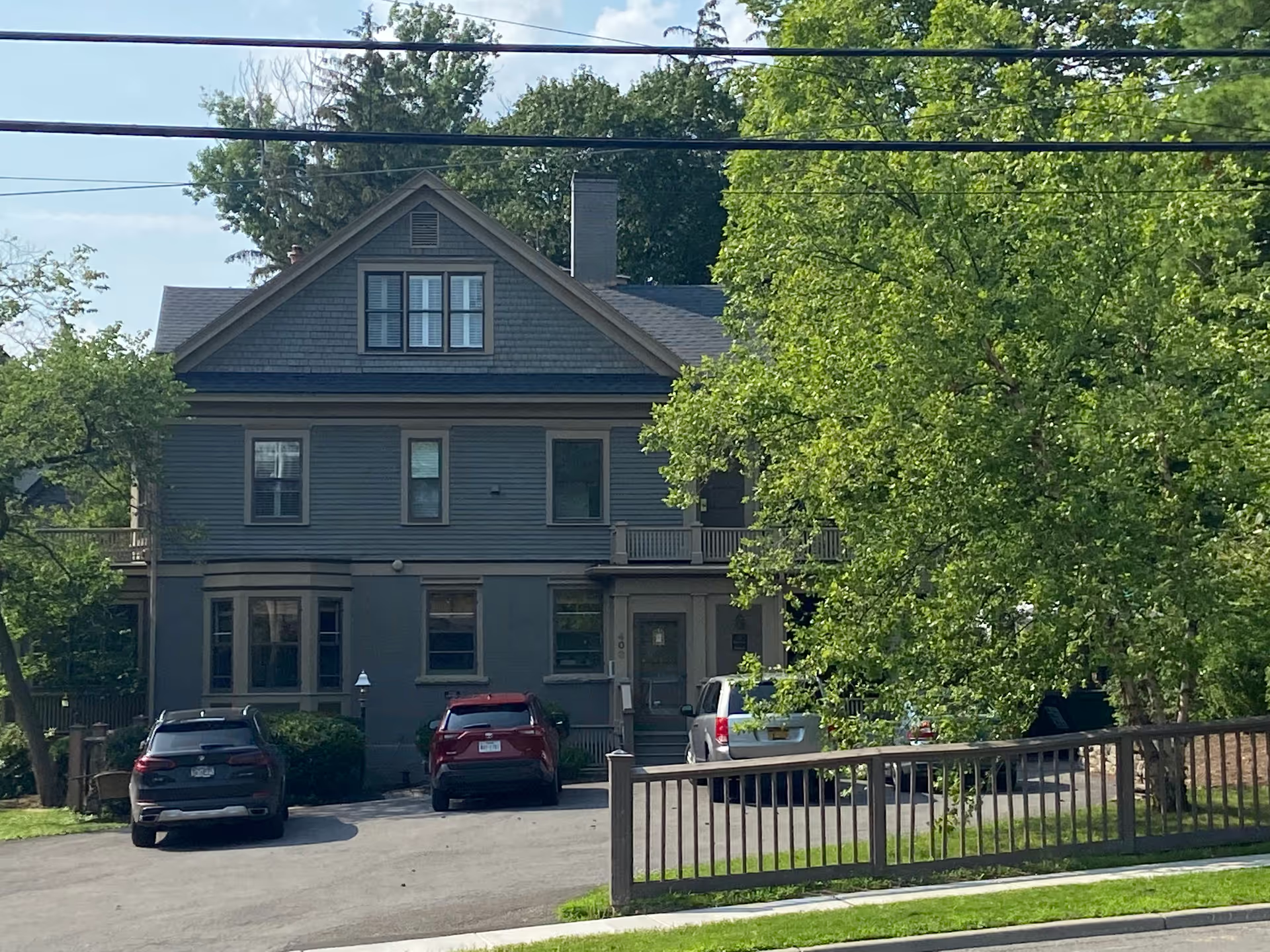
Overall impression: Reviews convey a predominantly negative experience with isolated references to the facility being "okay." The dominant themes are operational and managerial: sanitation and safety concerns, privacy and access issues, inconsistent building systems, and dissatisfaction with leadership and billing practices. These patterns suggest systemic weaknesses rather than isolated, one-off incidents.
Care quality: Reviewers did not provide detailed clinical-evaluation data, but several raised issues that bear on perceived care quality and resident safety. Sanitation concerns in common areas and security gaps (including allegations of theft) undermine confidence in the facility's ability to provide a consistently safe living environment. Additionally, references to eviction threats and inconsistent policy enforcement create uncertainty about tenancy stability and the facility’s processes for addressing resident concerns.
Staff and resident interactions: Comments indicate problems with staff conduct and communication tone. Examples include staff entering apartments without sufficient privacy protocols and confrontational interactions during maintenance or policy disputes. These concerns point to shortcomings in staff training, resident–staff boundaries, and conflict-deescalation processes. While responsiveness or caregiving skill was not described in depth, the reported communication and privacy issues are likely to affect resident experience and family trust.
Facilities, dining, and activities: Facility-level complaints center on cleanliness (notably insufficient cleaning of handrails and common spaces), inconsistent heating/air control in apartments, and insecure door-access procedures. Reviewers provided little or no substantive information about dining quality or programmatic activities; the absence of positive detail in those areas may indicate they are not strong differentiators for this location or that reviewers focused on more pressing operational concerns.
Management and billing: Management and leadership are recurrent concerns. Reviewers described a perceived decline in management effectiveness, increased charges for services or items that were previously included, and unclear billing practices. There are also indications of inconsistent application of residency policies, including threats of eviction, which points to a need for clearer, more transparent processes and better communication with residents and families.
Notable patterns and implications for prospective residents: The reviews form a pattern around safety, privacy, sanitation, and management transparency. Prospective residents and families should prioritize direct inquiries and on-site observations related to security measures (theft-prevention and door-access protocols), cleanliness routines, unit climate-control, staff training on resident interaction and privacy, and detailed explanations of fees and eviction/disciplinary policies. Requesting documentation of policies, a tour of common areas and a unit during different times of day, and references from current residents may help in assessing whether the facility has addressed these operational concerns.