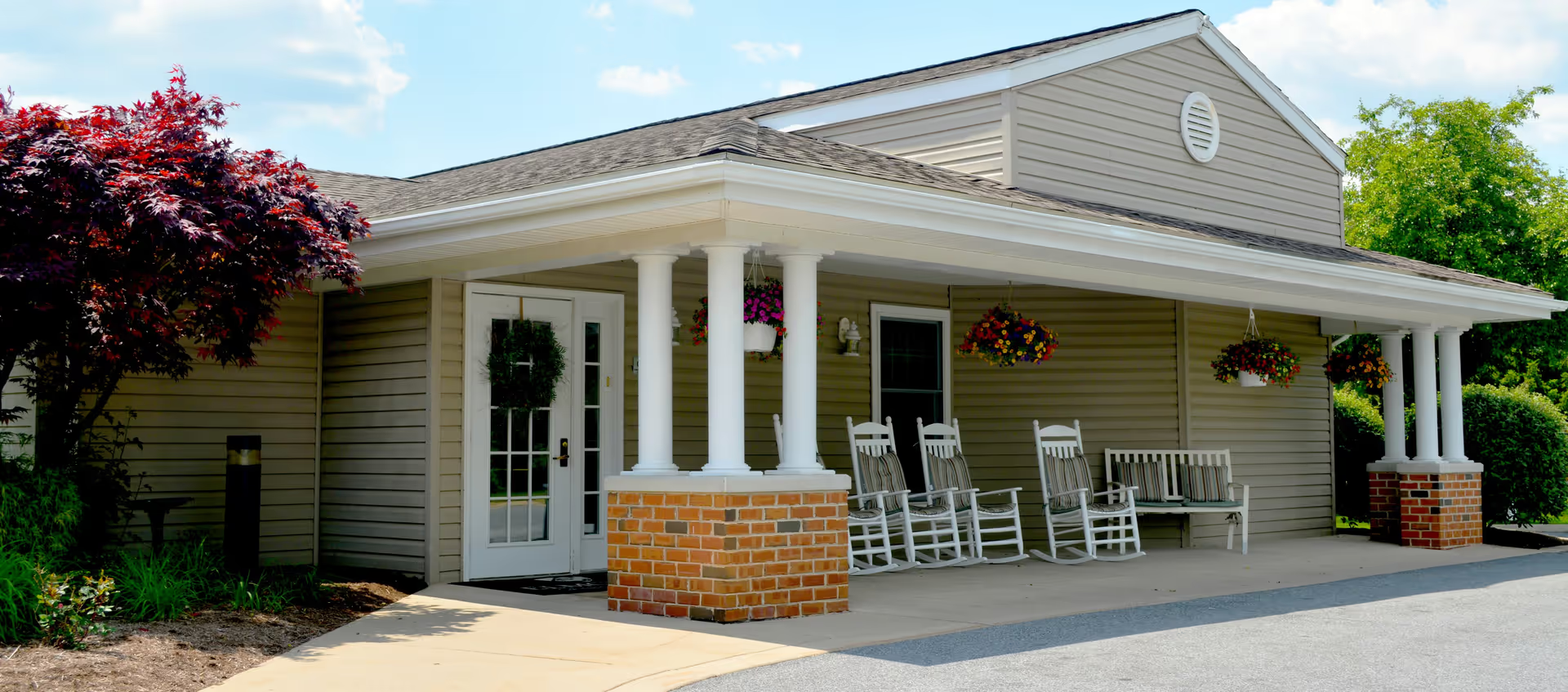
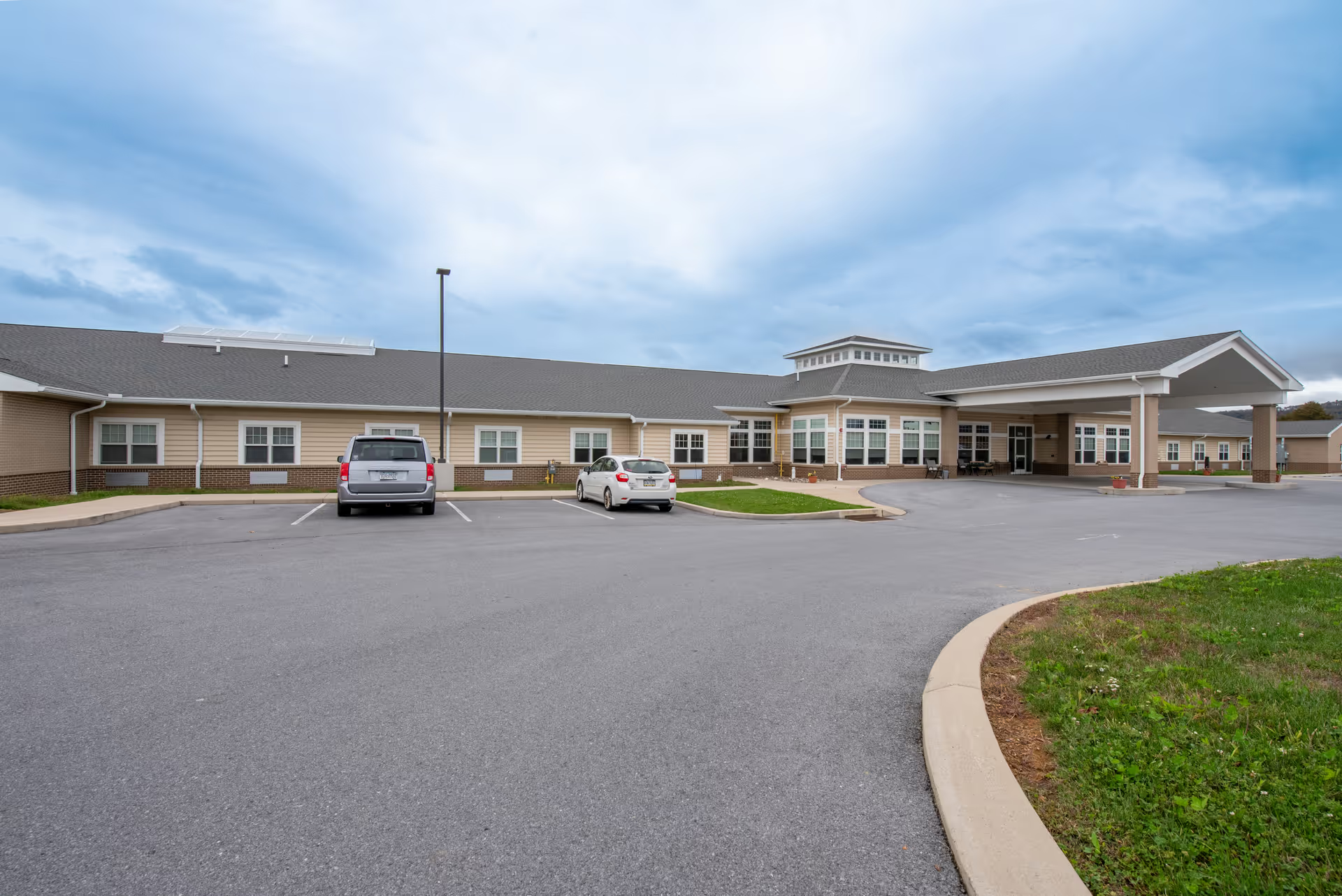
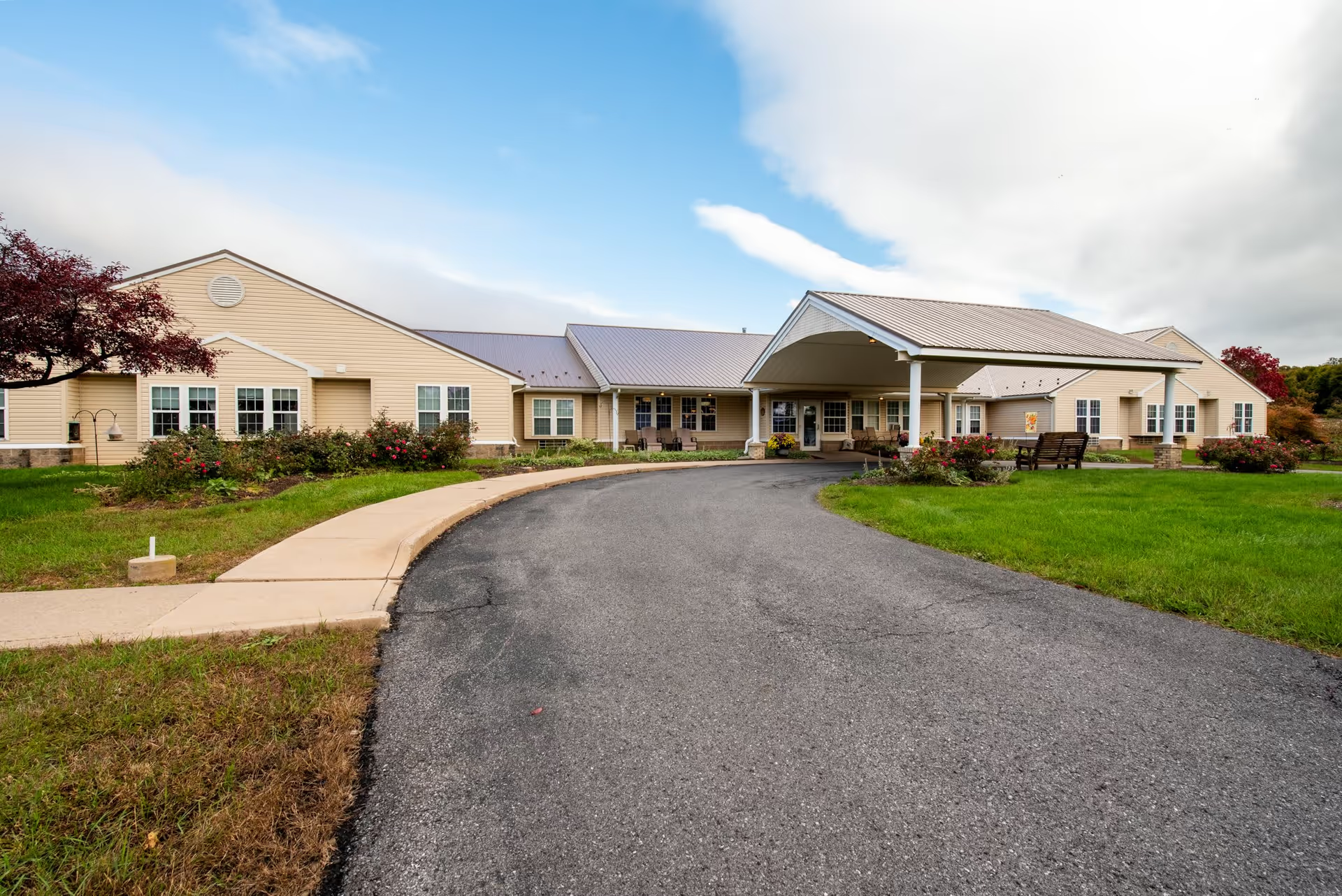
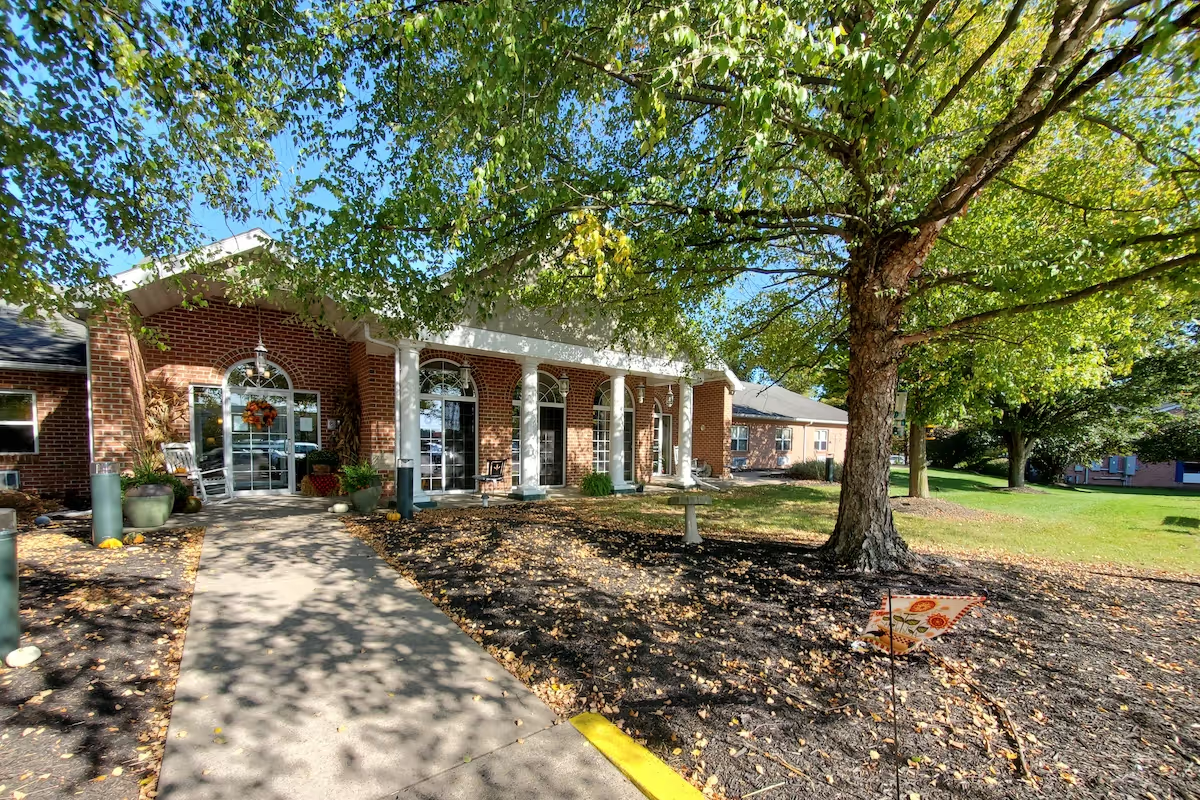
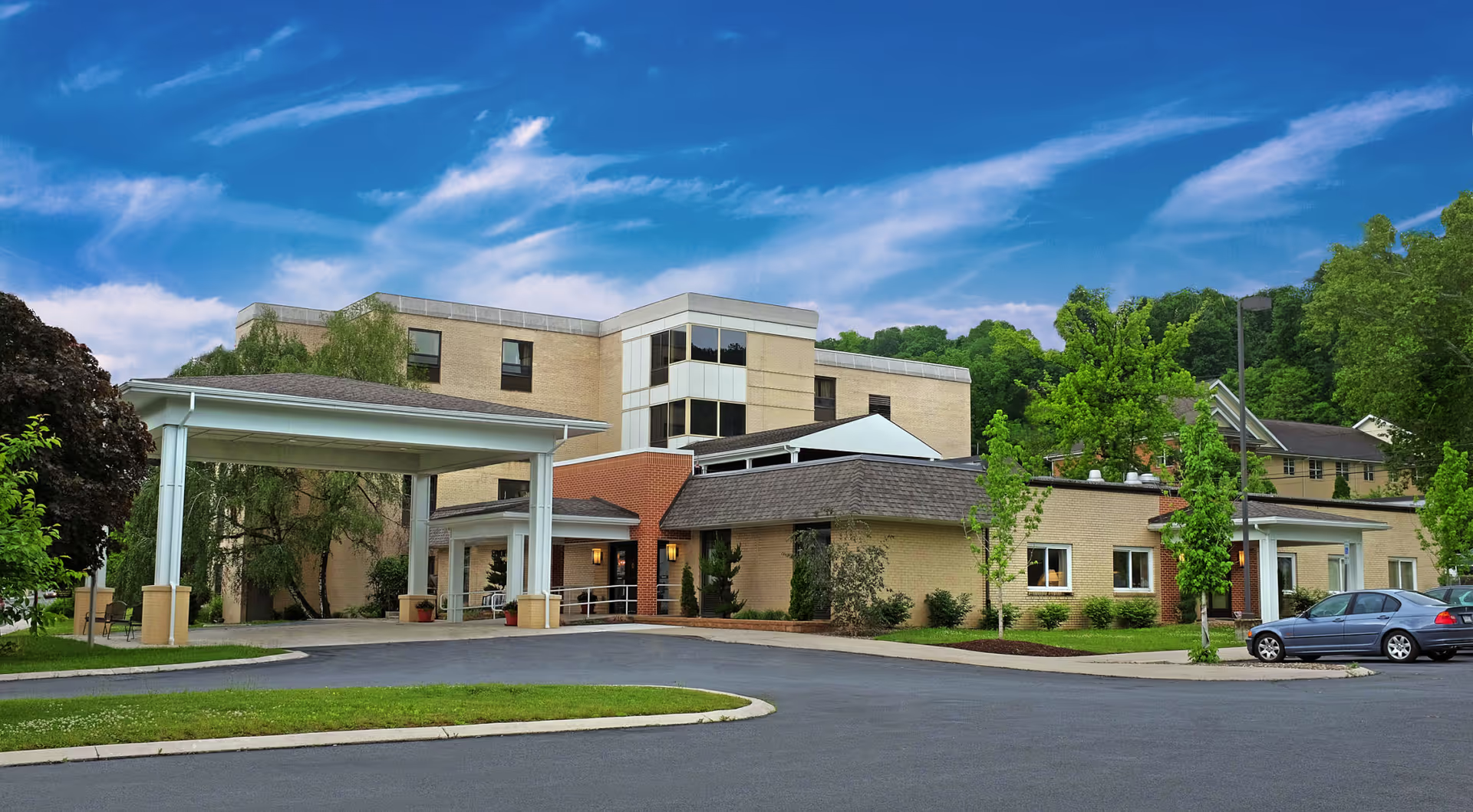
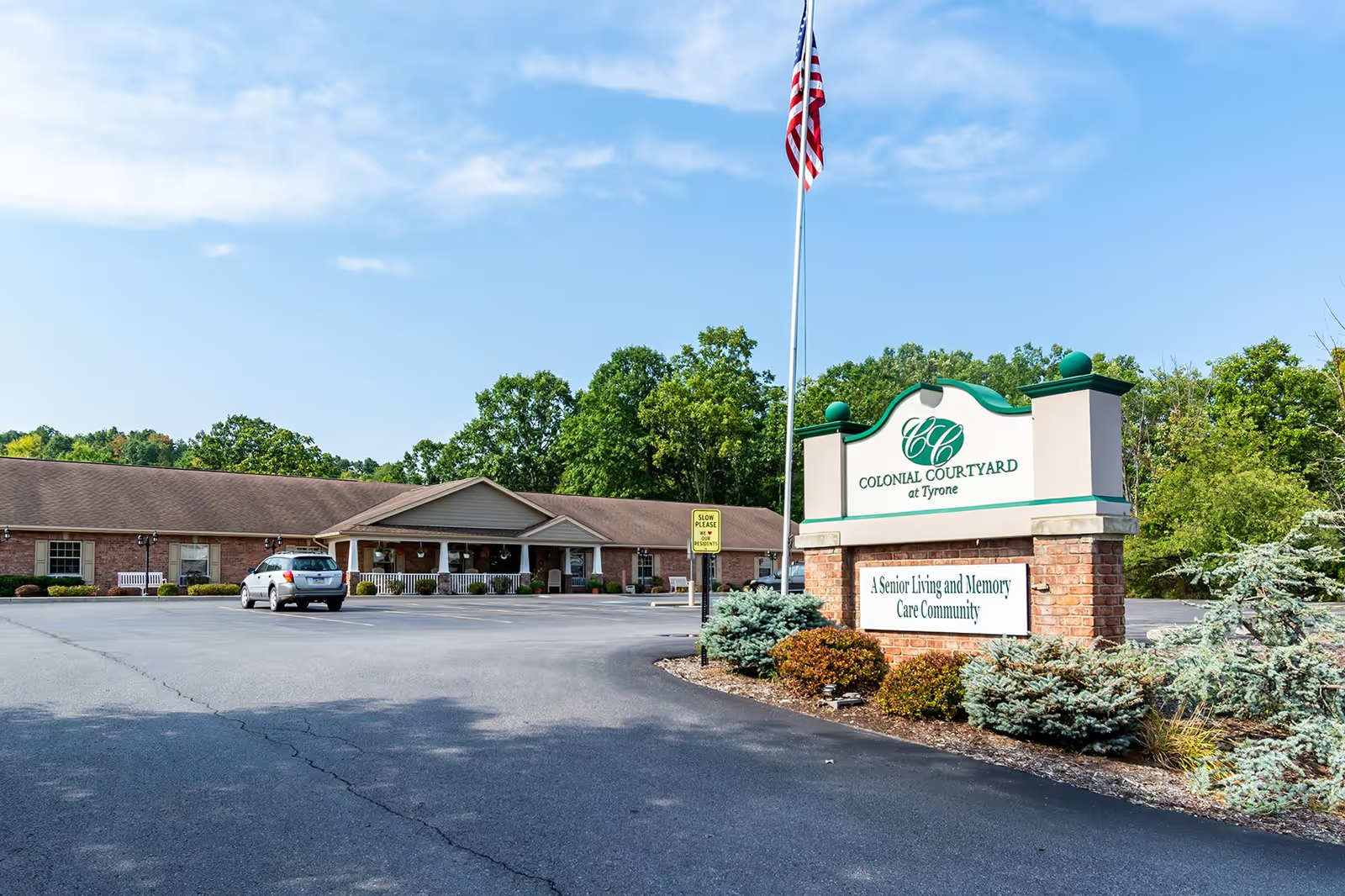
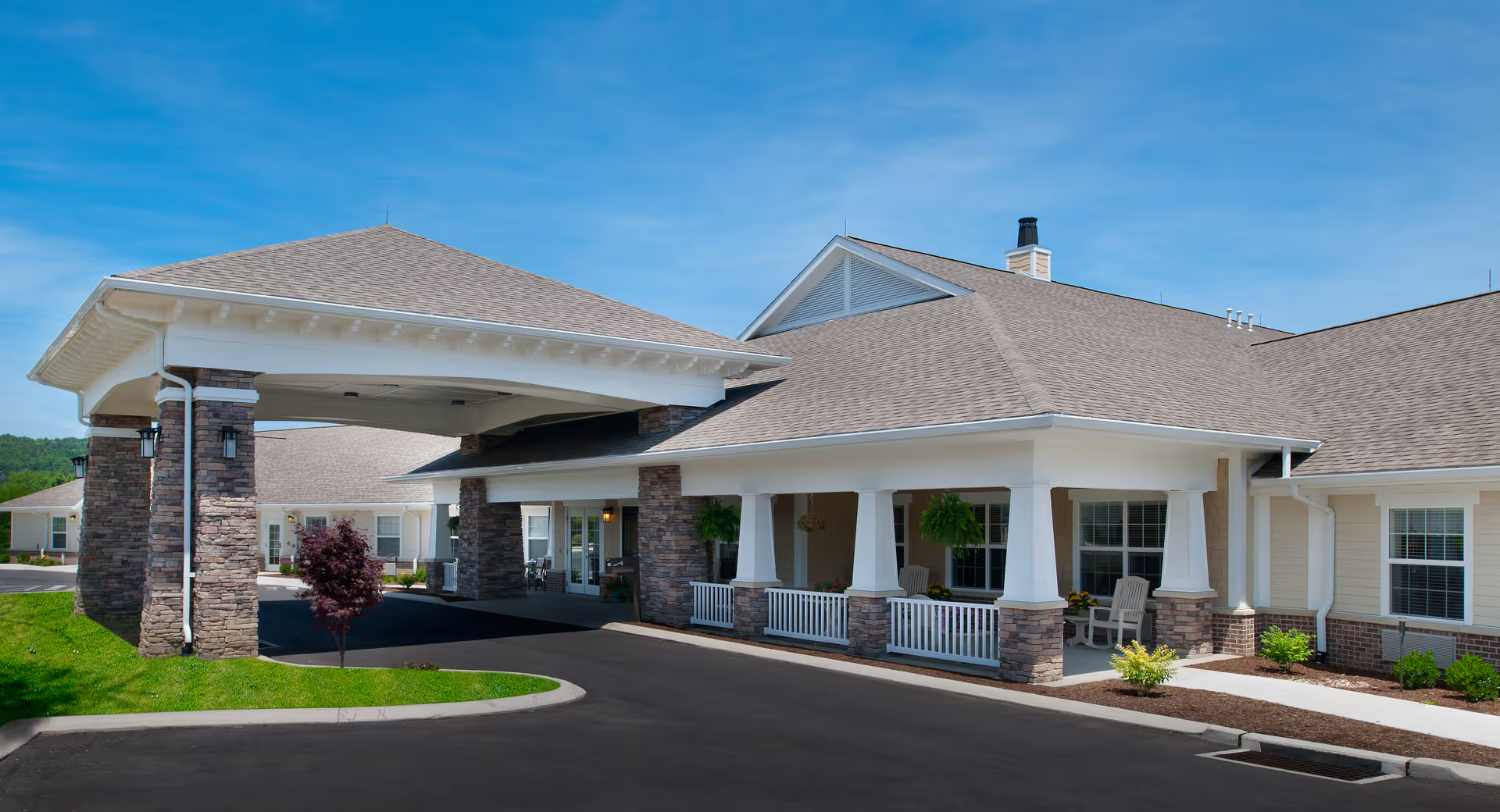
Overall impression: Harmony at State College presents as a modern, well-maintained senior living community with a strong emphasis on social engagement and a residential apartment-style environment. Many families praised the facility’s physical environment — clean, cheerful common spaces, nearly new apartments with well-considered layouts, and on-site amenities such as a gym, movie theater, and enclosed outdoor areas. The community’s admissions and move-in processes are often described as smooth and reassuring, and the facility emphasizes family communication, including photo updates and transparent pricing.
Care and staff: The staffing culture receives generally positive remarks for compassion and individualized attention; numerous comments highlight staff who learn residents’ names, help with transitions, and provide dignified day-to-day support. However, reviewers also described inconsistency in clinical reliability and continuity of care. Concerns clustered around medication-management issues (including critical medications such as insulin), variability in the skill level of particular staff members, and turnover that can disrupt continuity. Several families described delays or lapses in responsiveness; these suggest operational weaknesses in staffing stability and clinical oversight rather than uniformly poor caregiving.
Dining and activities: Activity programming is a clear strength. The community offers a broad calendar of in-house groups, outings, and special services (nail services, trips, weekly excursions) that contribute to an engaged resident life. Dining impressions are mixed: many appreciate restaurant-style menus, variety, and presentation, but there are also comments about short-staffed meal service and inconsistent meal delivery. Prospective residents should expect a lively activity schedule and generally positive menus but verify current meal-service staffing and typical dining-hour experience during a visit.
Facilities and safety: The physical plant and apartments earn consistent praise for cleanliness and modern appearance. At the same time, there are operational concerns around resident supervision and behavior management for higher-acuity or aggressive residents; reviewers indicated instances that imply gaps in room-security practices and behavioural-support capability. These are facility-level traits to evaluate if a prospective resident has advanced clinical or behavioral needs.
Management and administration: Feedback about administration is mixed. Some families found staff to be responsive and professional, while others described disorganization, inconsistent communication, and aggressive admissions/marketing tactics that created mismatched expectations. Administrative issues also extended to billing — several accounts referenced disputes or errors that required follow-up to resolve. Prospective families should ask specific, documented questions about staffing ratios, medication protocols, billing procedures, and the process for escalating clinical or behavioral concerns.
Notable patterns and recommendations: The dominant pattern is a community that excels at social programming, hospitality, and creating a home-like atmosphere but that shows variability in clinical consistency and administrative processes. For people whose primary priorities are social engagement, modern apartments, and an active lifestyle, Harmony at State College appears to be a strong option. For residents with higher-acuity medical needs or behavioral-health challenges, families should verify 24/7 clinical coverage, medication-administration controls, staffing continuity, and documented behavior-management protocols. During a visit, request recent staffing schedules, ask about turnover and nurse staffing levels, review medication-management policies, sample a meal during service hours, and talk with families of current residents about both daily living and clinical reliability.