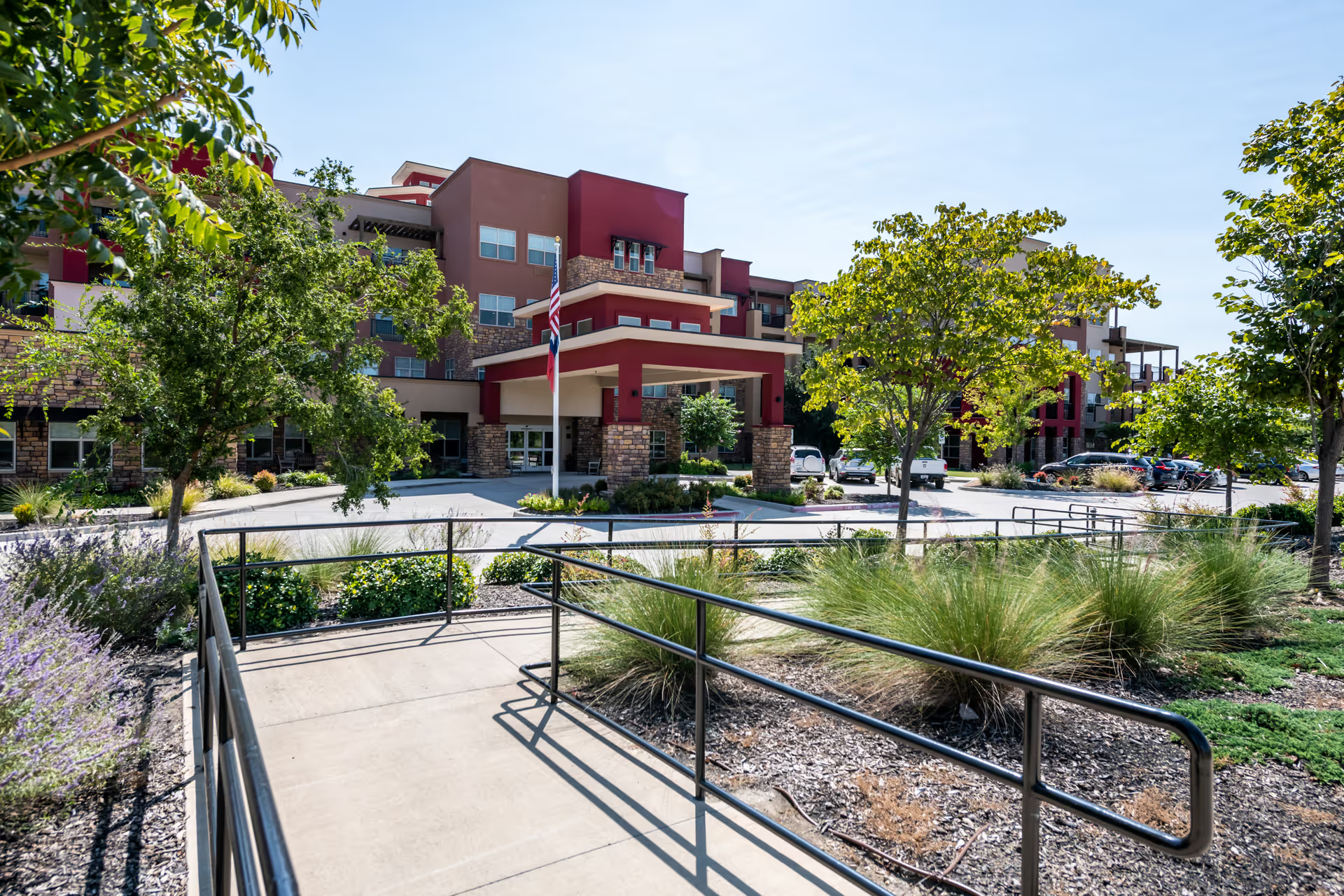
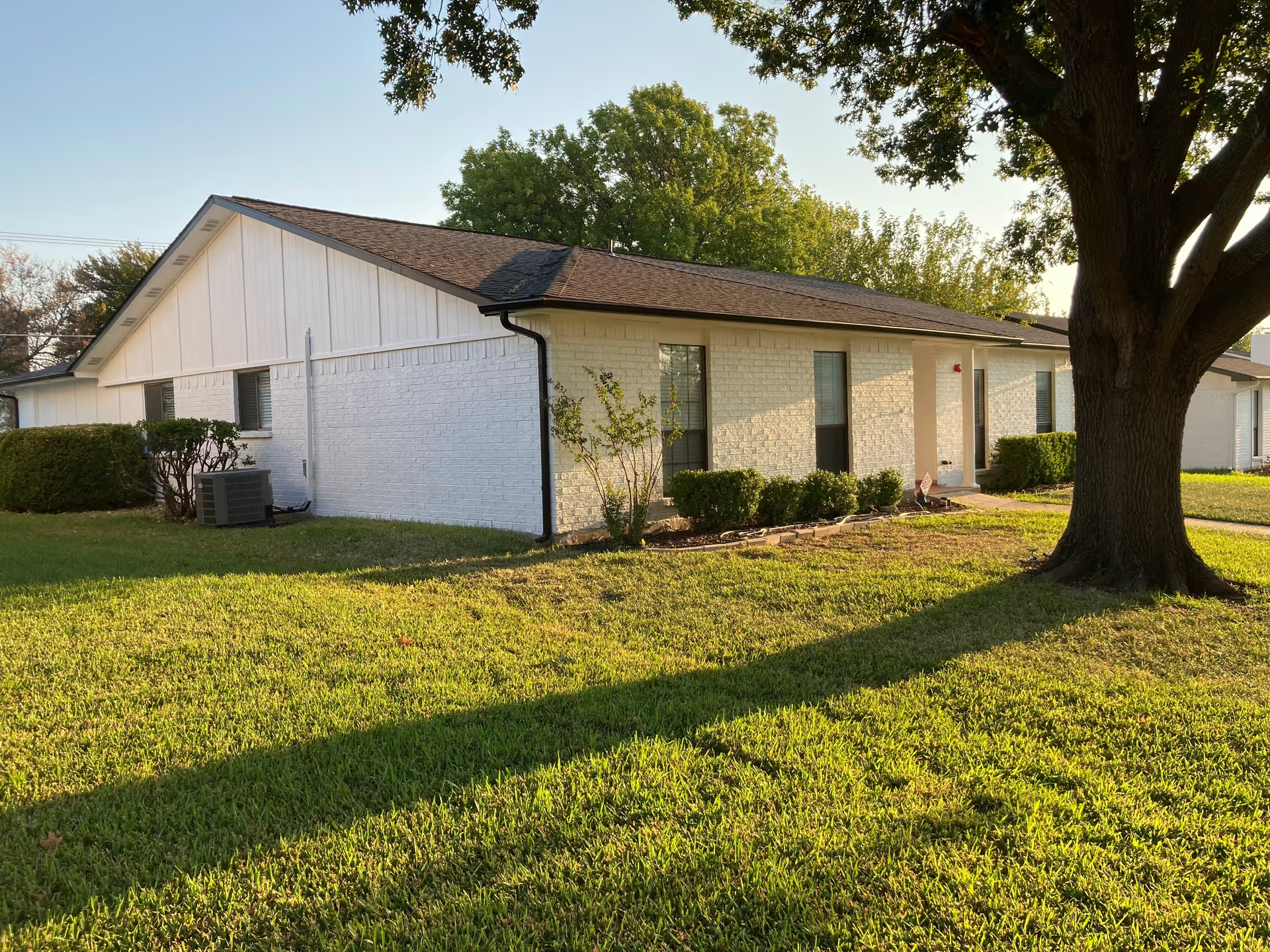
Victoria Gardens of Allen elicits markedly divergent experiences. Many reviewers emphasize strong, compassionate direct-care staff, a skilled rehabilitation team, and an active activities program that supports social engagement and recovery. Several accounts highlight friendly front-desk interactions, clean rooms, well-kept grounds, helpful transportation, and supportive end-of-life communication. Therapy services (physical, occupational, and speech) receive repeated praise for clinical competence and positive outcomes, and a number of families report that clinical leadership participates actively in medication review and care planning.
Counterbalancing the positive reports are recurring operational concerns that affect care consistency. Staffing instability, frequent turnover, and apparent understaffing—particularly overnight and on weekends—are linked to delays in assistance, slow call-light responses, and inconsistent attention to hygiene and incontinence care. Multiple reviewers describe problems with medication administration timing and care coordination across providers, as well as inconsistent catheter and wound management. There are also repeated accounts of delayed clinical escalation after falls or changes in condition, which families identify as a safety risk.
Communication and management are prominent themes. Families describe uneven responsiveness from administration and social work, billing confusion, and challenges with discharge planning. Several reviews reference ownership changes, cutbacks, and financial stress including bankruptcy-related issues; these factors are described as contributing to workforce stress and uneven service delivery. Maintenance items (air conditioning, sprinkler/ceiling leaks, and delayed repairs) and periodic sanitation concerns are also noted, indicating variability in facility upkeep.
Dining and activities present mixed results. The activities program is widely viewed as a strength, with regular structured offerings and engaged staff. Meal quality appears inconsistent across stays—some residents praise the food and kitchen staff while others describe processed or bland offerings and lapses in meal-service continuity. Notably, experiences often appear polarized: many families describe excellent care and smooth stays, while others report serious care and safety concerns, including involvement of adult-protective and state health authorities in a subset of cases.
For prospective residents and families, the key considerations are consistency and oversight. The facility demonstrates clear strengths in therapy, resident engagement, and compassionate individual staff members. However, the pattern of staffing variability, communication lapses, and management/financial instability indicates that outcomes can differ substantially between units, shifts, and payer types. Families who prioritize reliable staffing, timely clinical response, and proactive management should seek specific assurances about staffing ratios, weekend and overnight coverage, medication-administration protocols, and recent regulatory or financial changes before placement.