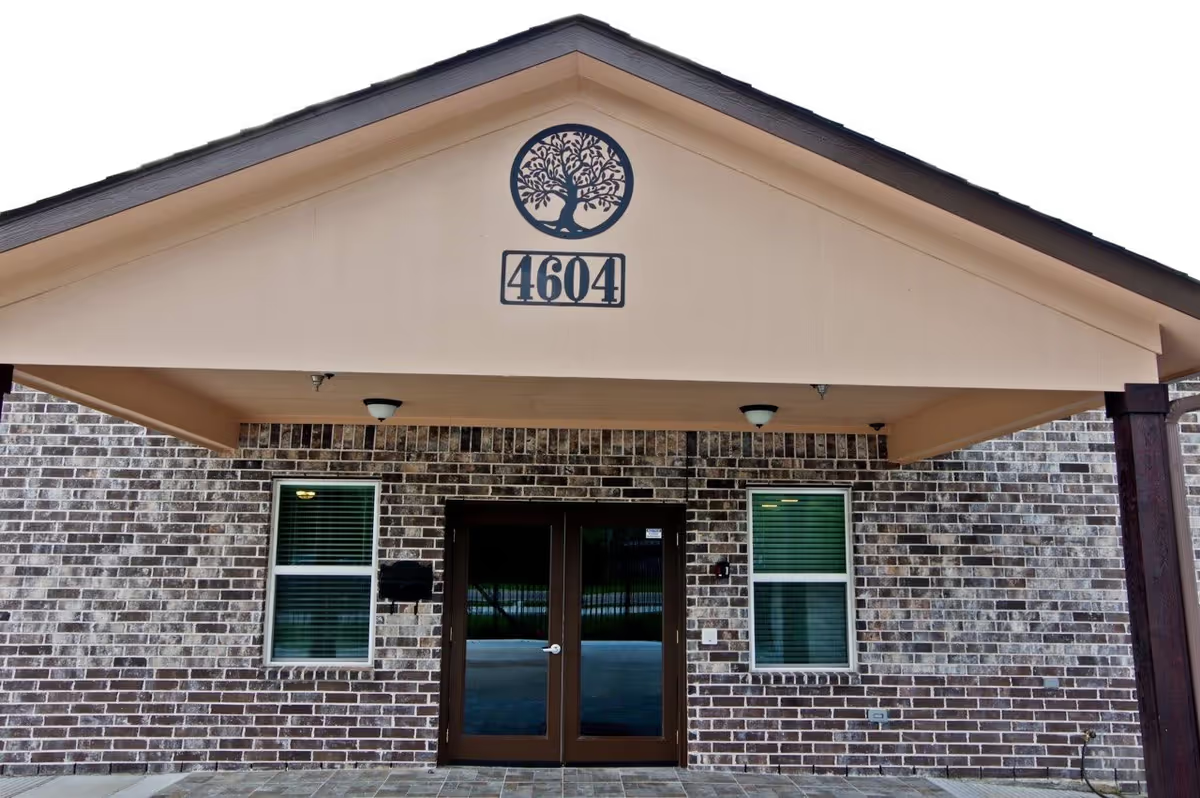
Accounts of this facility are mixed and highly polarized: several families describe strong, individualized clinical expertise and deeply compassionate caregivers, while other accounts raise operational and environmental concerns that could affect day-to-day resident experience. The facility receives consistent praise for clinical skill in caring for people with complex or specialized needs, including hospice-level services with private rooms and around-the-clock nursing. Reviewers noted experienced nursing staff and opportunities for in-room personalization (recliners, blankets, small refrigerators) and family participation during care and activities.
Activity and social programming appear inconsistent. Positive accounts highlight well-organized outings — theater visits, restaurant trips, and short vacations — and meaningful engagement for residents who enjoy gardening and animal interaction. Contrasting accounts describe limited or irregular activity schedules and a lack of meaningful programs, suggesting variability in how recreational services are delivered across time or by unit.
Facility and daily-living observations are similarly mixed. On the positive side, private hospice rooms and in-room comforts were singled out as supportive for end-of-life care. However, other accounts point to sanitation and hygiene-control shortcomings, including laundry and linen maintenance gaps and concerns about infection-control resources such as PPE availability. These operational gaps can undermine perceptions of cleanliness and safety even when clinical care is competent.
Staff behavior and workforce stability emerged as a prominent theme. Many reviewers characterize staff as compassionate, community-minded, and helpful, whereas other accounts describe problematic conduct and abrupt interactions during admissions or departures. There are also indications of staff compensation and payroll problems that can contribute to turnover or inconsistent staffing levels. Financial-handling concerns and at least one financial dispute were described, which suggests the need for clear policies and transparent documentation around resident funds and property.
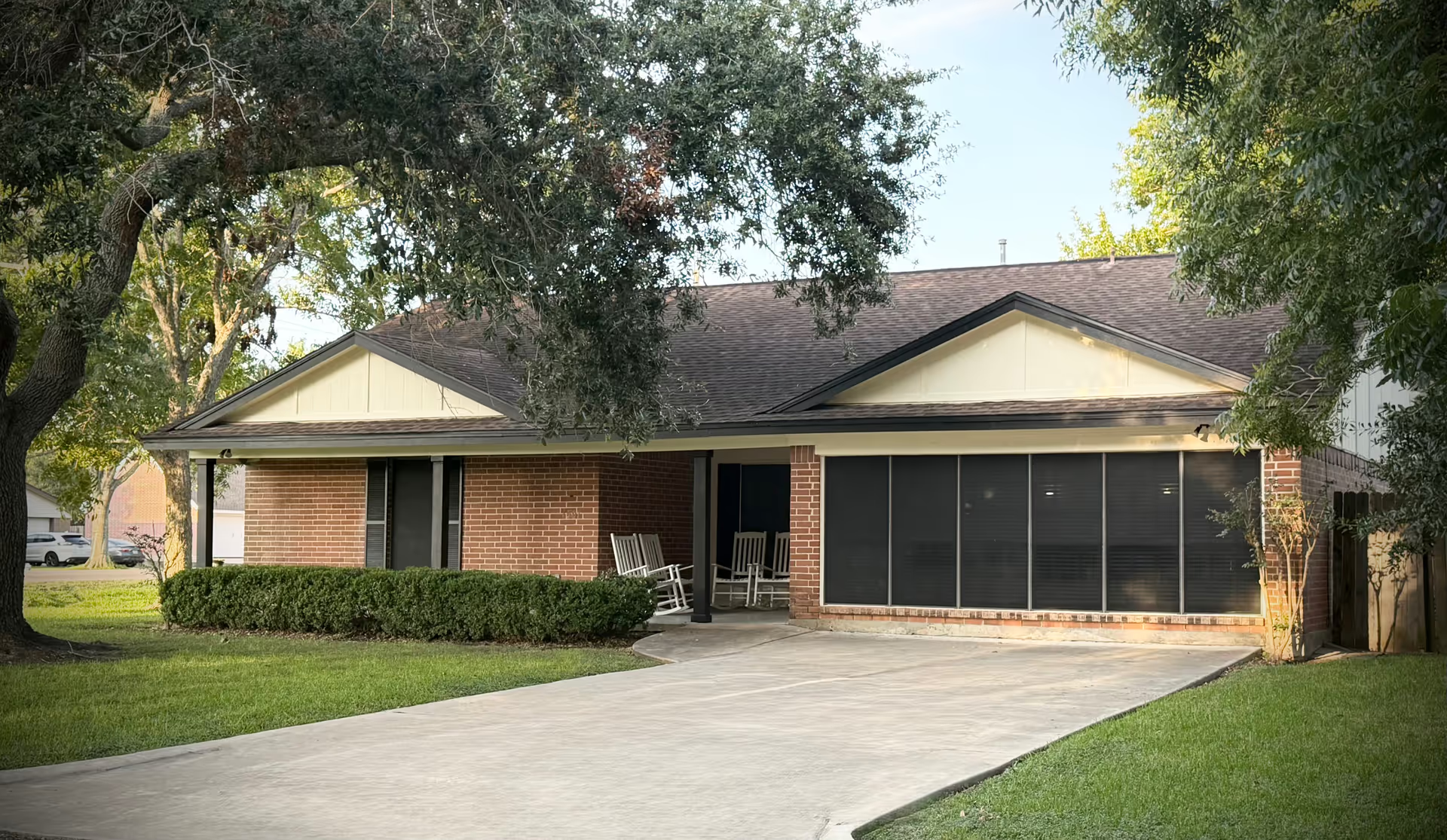
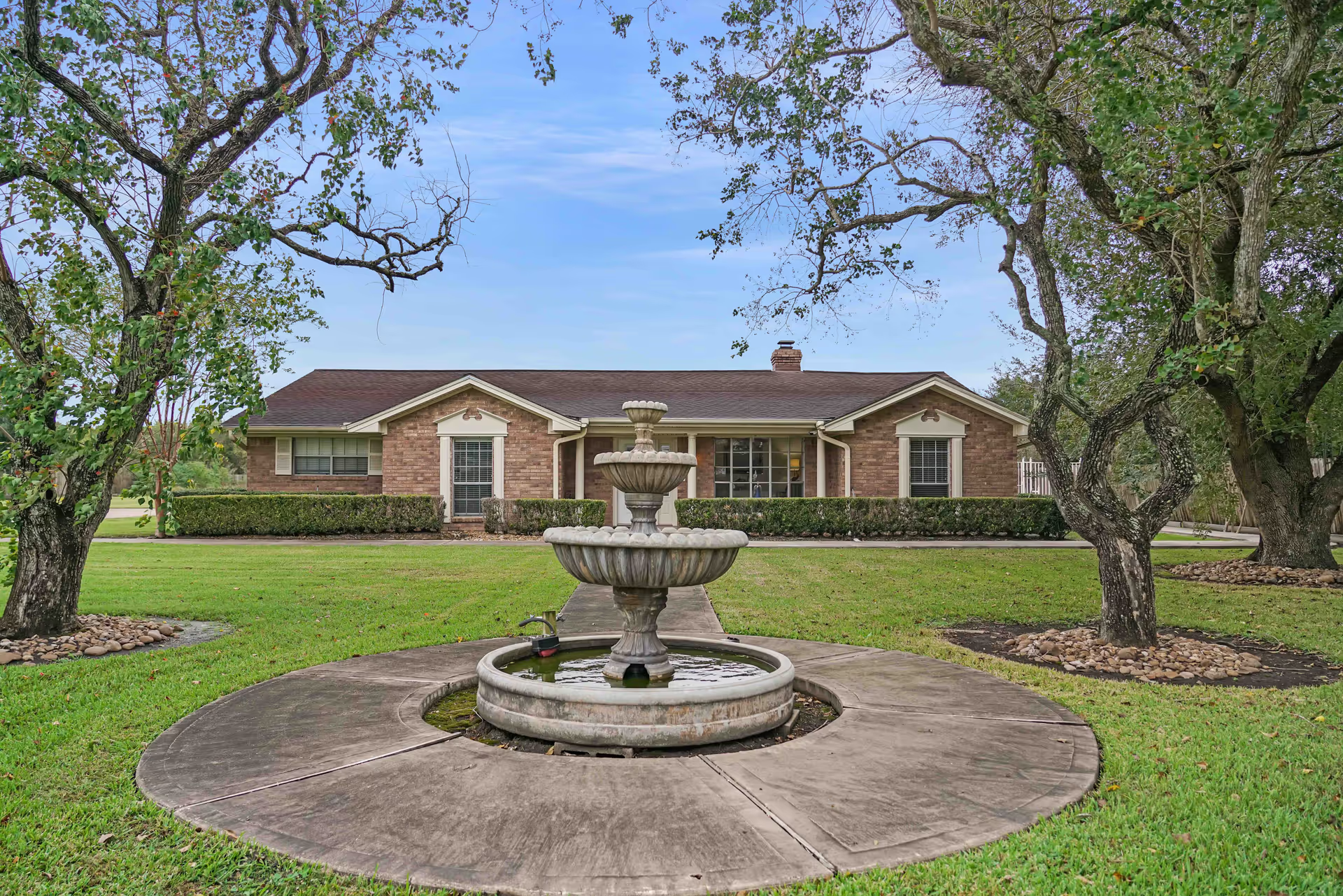
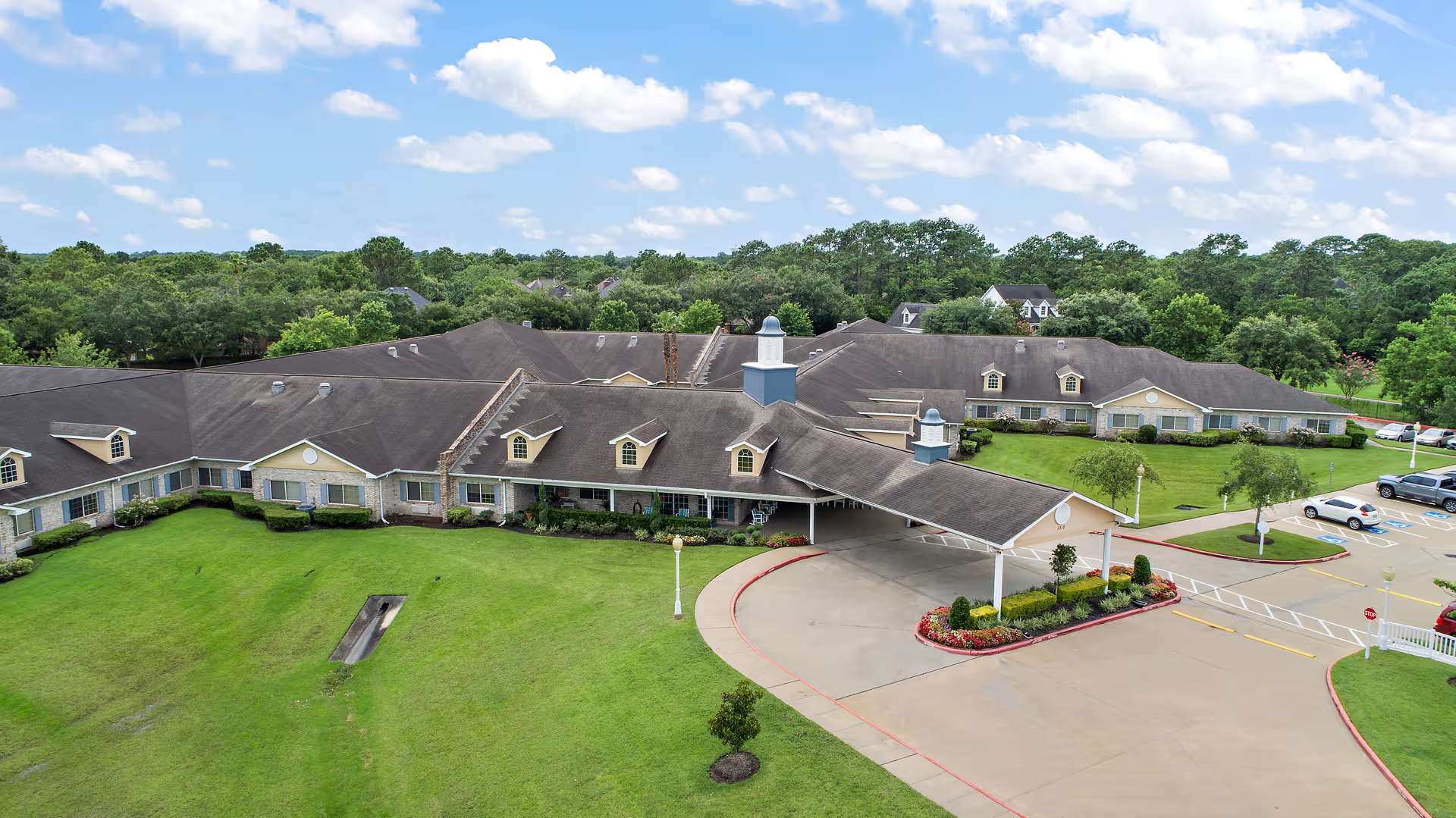
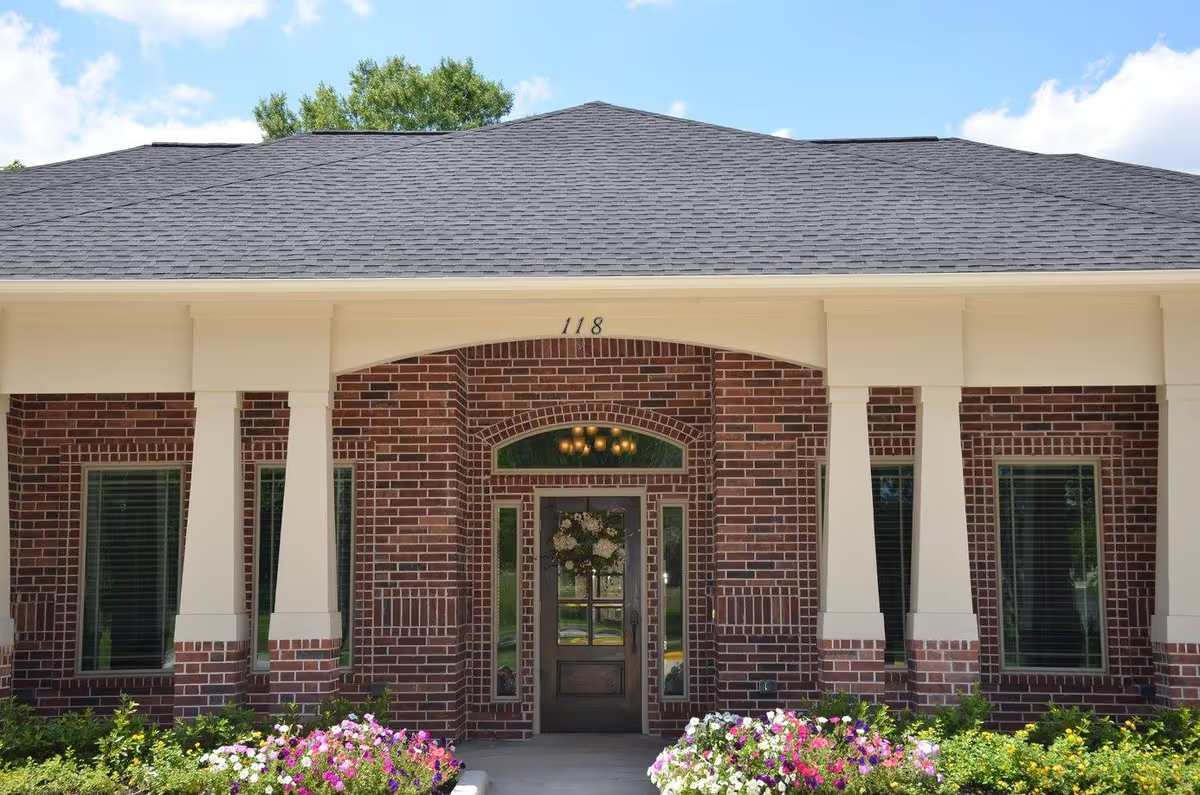
Management and admissions practices warrant attention. Several descriptions point to communication and transparency issues during the admission and dismissal process, and some reviewers questioned the accuracy of facility marketing materials and photos. Prospective families should expect variable experiences and consider asking targeted questions during a visit: inquire about current activity schedules, staffing ratios and turnover, linen- and housekeeping protocols, infection-control measures (including PPE), financial-controls for resident funds, and examples of the facility’s recent hospice and special-needs cases.
In sum, this facility demonstrates notable strengths in specialized clinical care and family-inclusive approaches, with examples of meaningful programming for some residents. At the same time, operational inconsistencies — particularly around housekeeping, infection control, staff stability, and management transparency — appear in multiple accounts and should be evaluated directly during a tour and through references, licensure records, and recent inspection reports before making a placement decision.