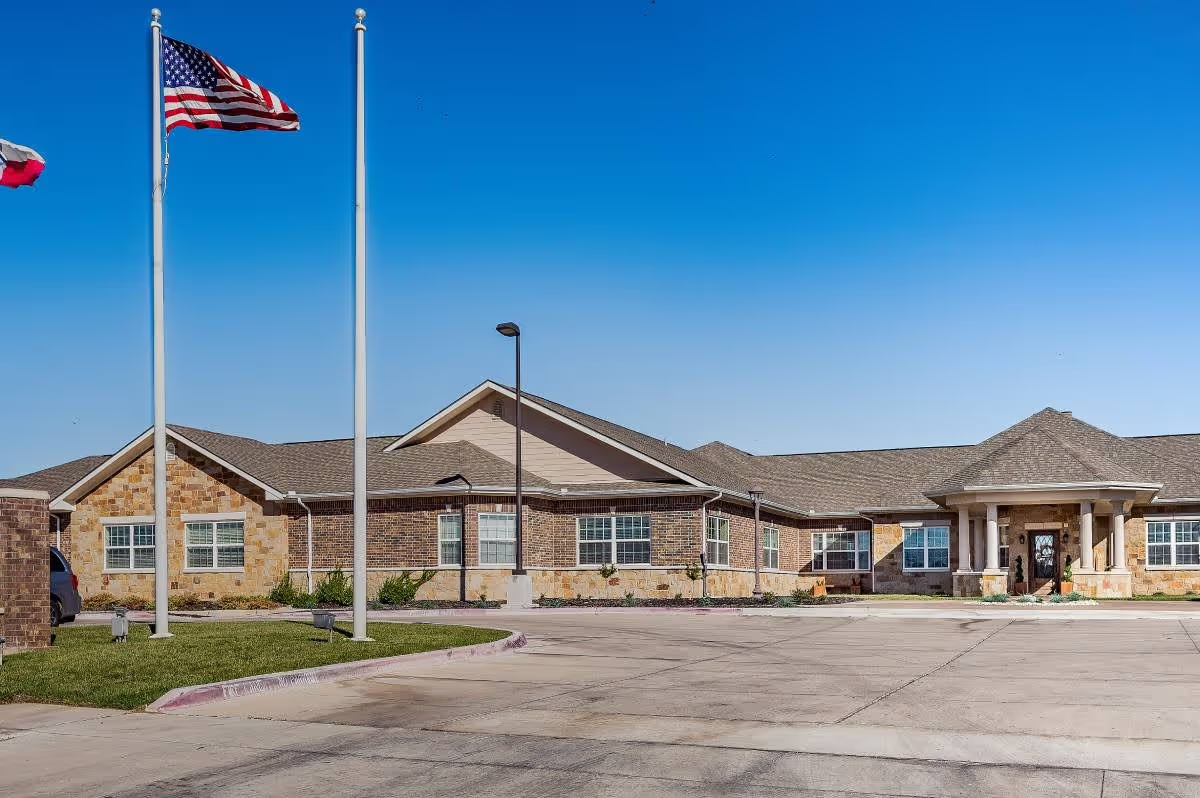
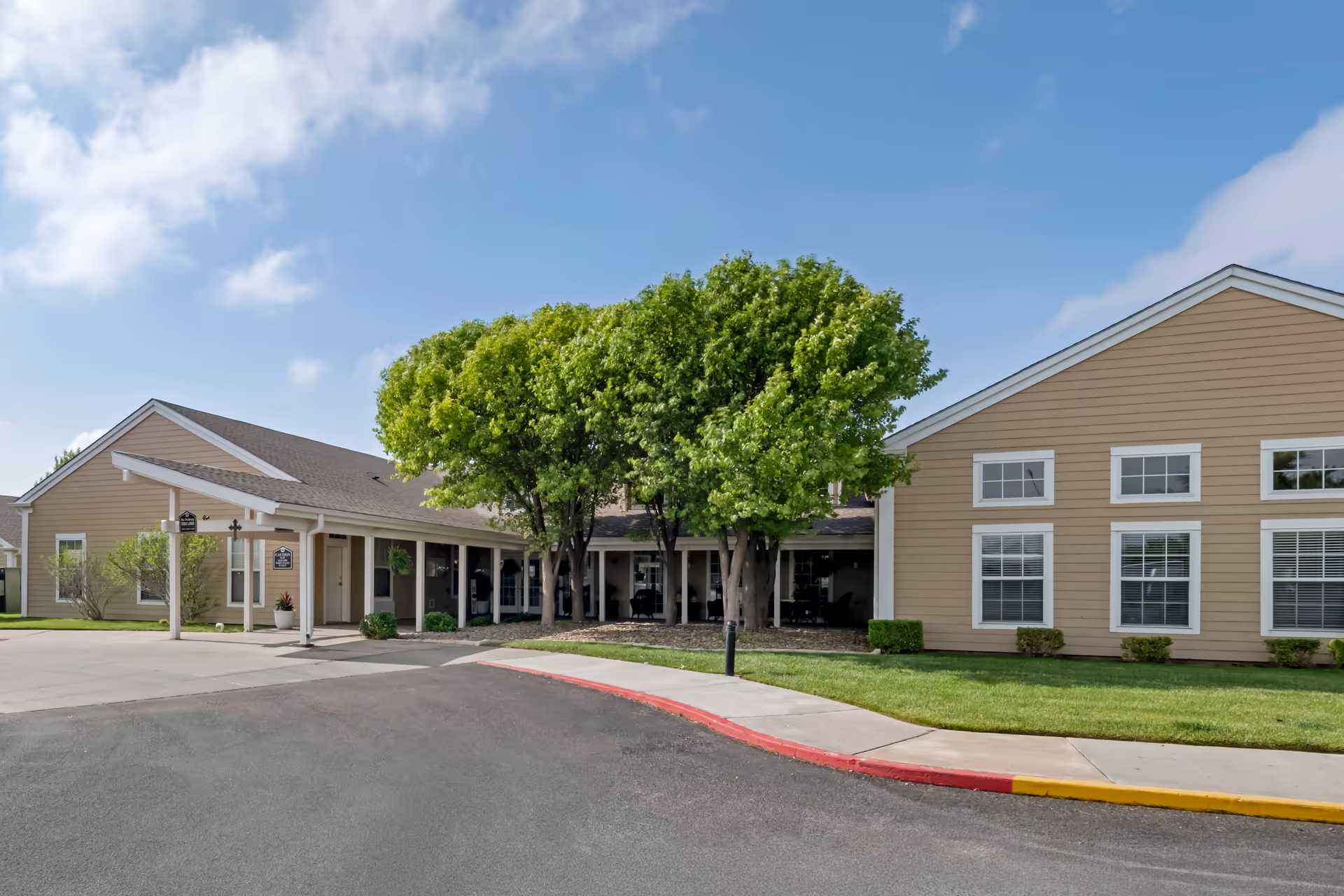
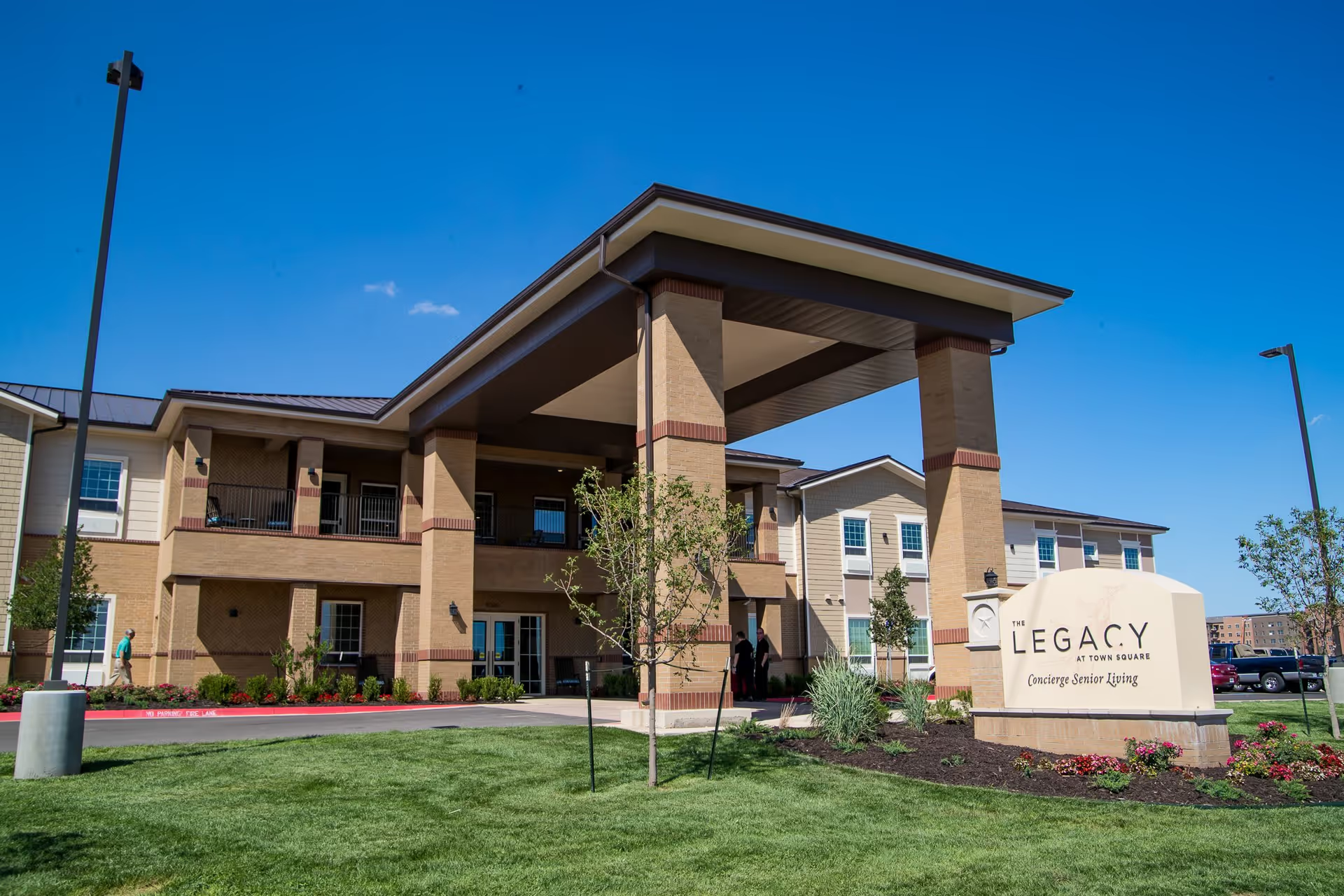
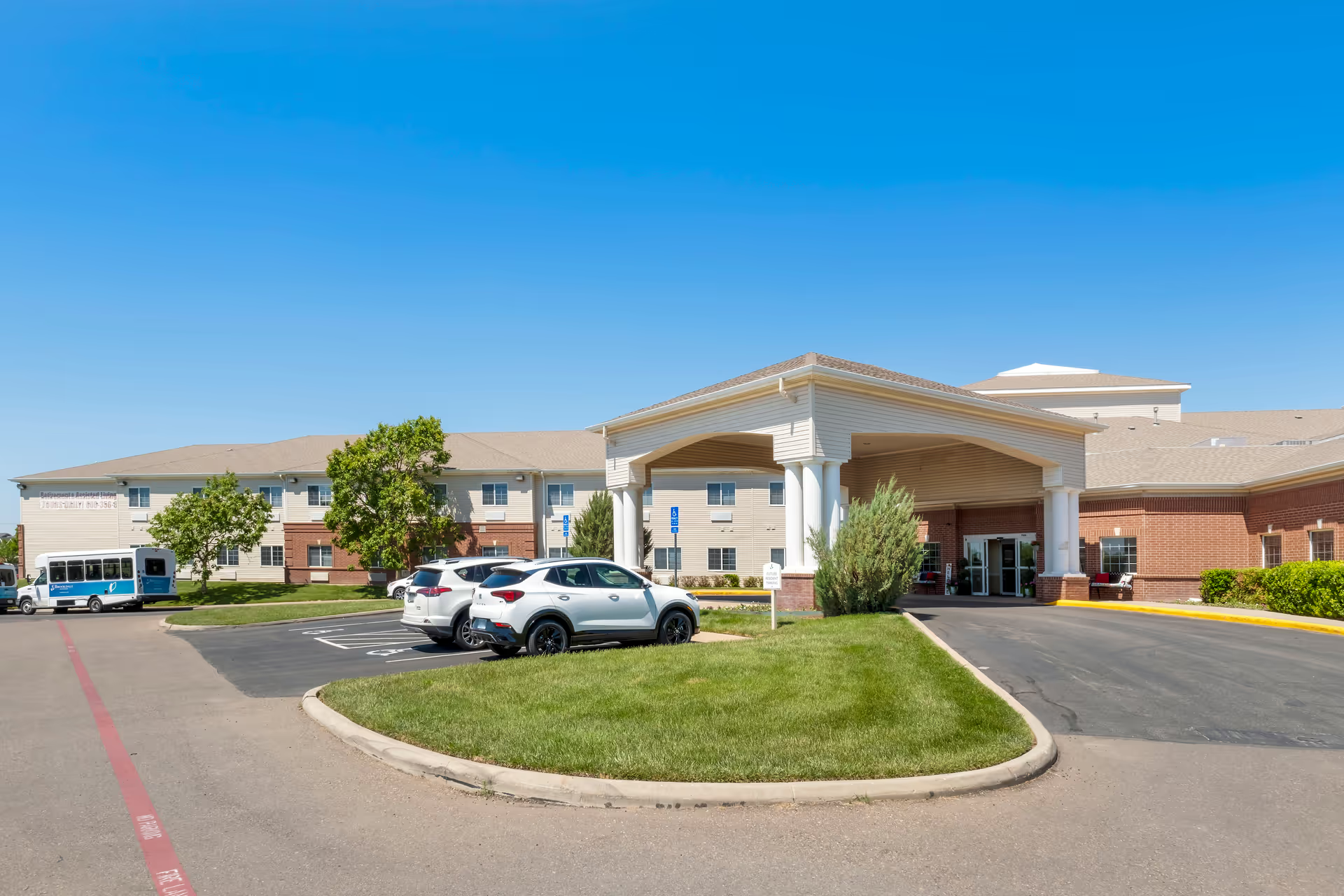
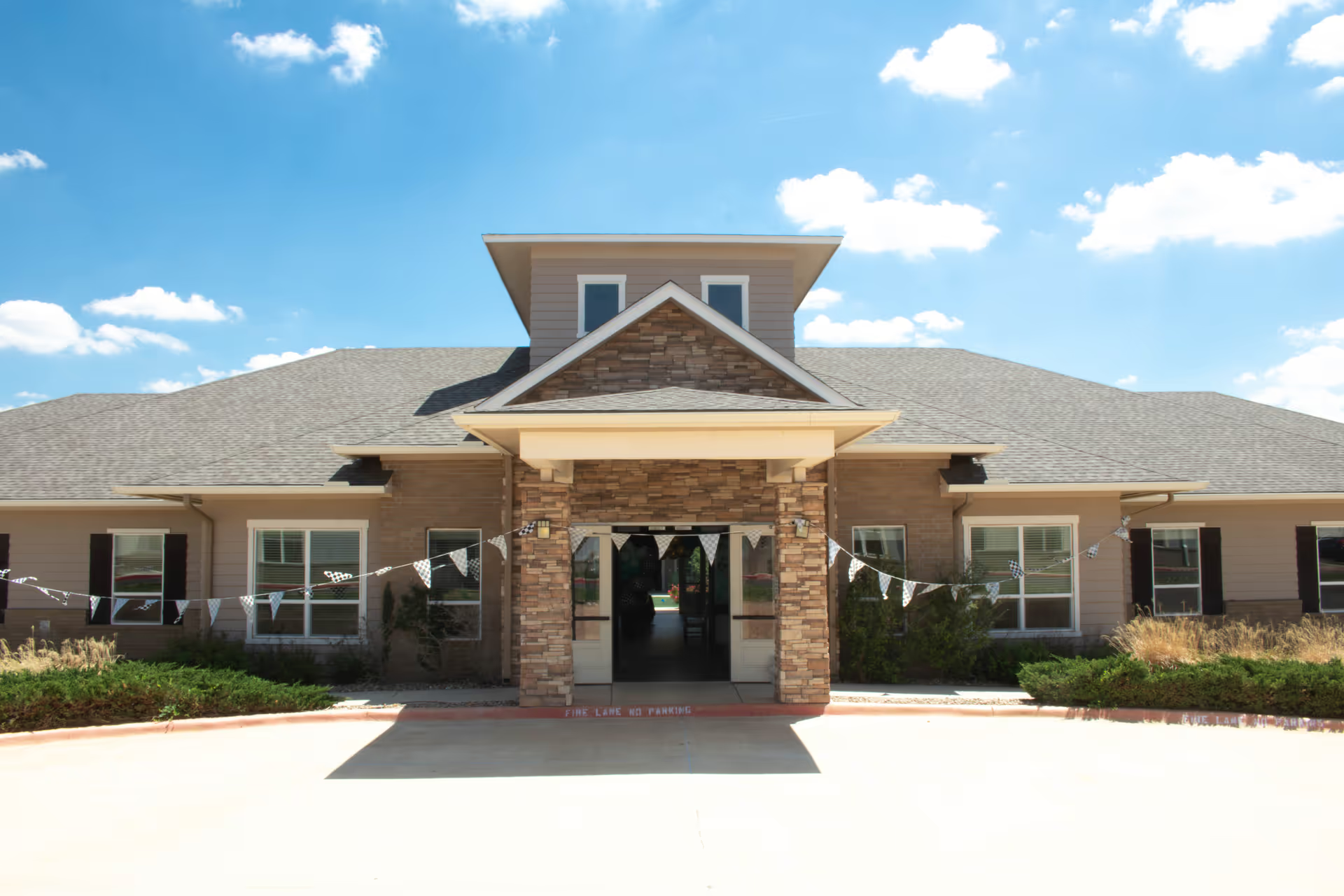
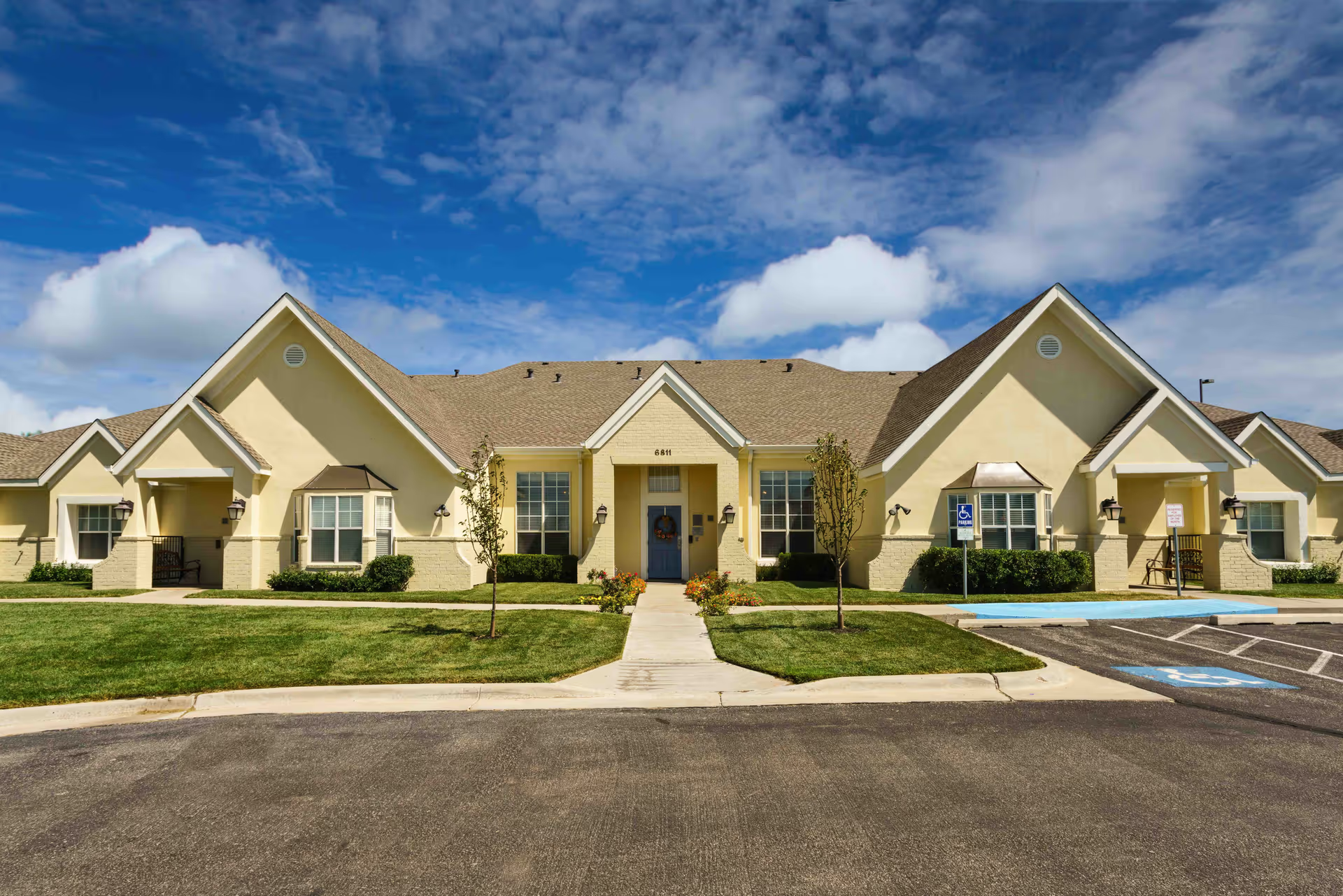
The reviews for BeeHive Homes of Amarillo are strongly polarized, producing a mix of clear strengths and recurring operational concerns. Positive accounts emphasize a caregiving culture that can be warm and attentive — families describe staff as compassionate and invested, and several reviewers singled out facility leaders (by name) for visible, hands-on management that improved atmosphere and responsiveness. The setting itself is frequently noted as renovated and well maintained in many areas: private rooms with kitchenettes, an open dining layout, and common spaces that feel small and home-like. Social programming such as movie nights, music and dancing, outdoor barbecues, and games are in evidence and contribute to a family-like environment when available.
Dining and daily living impressions are similarly mixed. Many reviewers praise hot, nutritionally balanced meals and an appetizing presentation that differs positively from institutional food. At the same time, other reviewers describe inconsistent meal quality and the need for dietary adjustment to match residents’ home-style preferences. Housekeeping and sanitation receive positive mention from several families — specifically an odor-free environment — but a contrasting set of reviews raises concerns about inconsistent upkeep in some areas. This produces an overall impression that cleanliness and appearance may vary by unit or shift.
Staffing and clinical oversight are the most prominent areas of concern. Multiple reviews indicate high turnover, small staffing rosters, and staff who are stretched across tasks; those operational constraints are linked in reviews to slower response times, limited activity engagement, and worries about care continuity. Several reviews specifically raise concerns about medication management and the timeliness of clinical incident response, along with gaps in family communication following events. Memory-care and night-shift coverage are repeatedly identified as understaffed, and reviewers advise caution when assessing residents who need higher-acuity support.
Management and administrative practice present a mixed picture. Some reviewers praise administrators for leadership, accessibility, and demonstrable improvements; others describe slow or inadequate responses to complaints, concerns about staff conduct standards, and occasional opacity around billing or fee changes. Those contrasting accounts suggest variability in how issues are handled and in the consistency of resident/family communication.
For prospective residents and families: the facility shows clear strengths in creating a small-house, home-like setting with personalized caregiving, active programming, and attractive living spaces. At the same time, repeated operational themes — staffing instability, variable housekeeping and meal consistency, concerns about medication oversight, and uneven complaint resolution — warrant careful inquiry. When touring, consider observing different shifts (including evenings), reviewing staffing ratios for the intended level of care, asking about memory-care and night coverage, requesting recent clinical and incident communication protocols, sampling menus, and obtaining written billing/fee policies. A focused tour and direct conversations with staff, current residents, and families are advisable to determine whether the facility’s strengths are consistently delivered for the specific needs of your loved one.