Brookdale MediPark West elicits a clear pattern: interpersonal care and social programs are widely praised, while certain operational and clinical systems are inconsistent. Families and residents commonly describe the staff as warm, personable, and attentive — employees frequently learn residents' names, help with transitions, and go beyond basic expectations. The community offers a broad activity calendar (bingo, brain fitness, outings, theater, choir and more) and a dense set of on-site amenities including a beauty salon, theater, library, exercise room, café, and private dining space. Apartment stock is generally described as spacious and well-appointed, with full kitchens, accessibility upgrades, and pleasant grounds close to medical resources and shopping.
Care quality shows a mixed picture. The facility’s caregiving staff receive strong positive remarks for compassion and resident rapport, but reviewers also describe variability in hands-on care consistency. Short staffing and shift-coverage gaps have been associated with delays in assistance, and several comments identify weaknesses in medication-administration processes and limited overnight clinical coverage. The community is positioned toward independent and lower-acuity assisted-living residents; families needing continuous skilled nursing care or reliable overnight clinical presence should clarify staffing patterns and clinical scope before committing.
Dining receives polarized feedback. Many reviewers enjoy the social dining environment, private-family dining options, and themed meals, while others cite monotony, declining quality, salty preparation, and occasions when kitchen supply issues affected service. There are also multiple references to limited accommodation for special therapeutic diets on the independent-living side and to add-on billing practices for services such as medication management. Prospective residents should verify menu variety, special-diet capabilities, and how dining-related concerns are tracked and resolved by management.
The activities and social life are a distinct strength: the community supports a lively atmosphere, frequent outings, and opportunities for resident engagement that many describe as improving quality of life. That said, some reviewers noted fewer activity options after mid-afternoon and limited programming adapted for low-vision residents. Excursion capacity limits were also mentioned; families should ask about transportation availability, group-size limits, and adaptive programming if mobility or vision limitations are relevant.
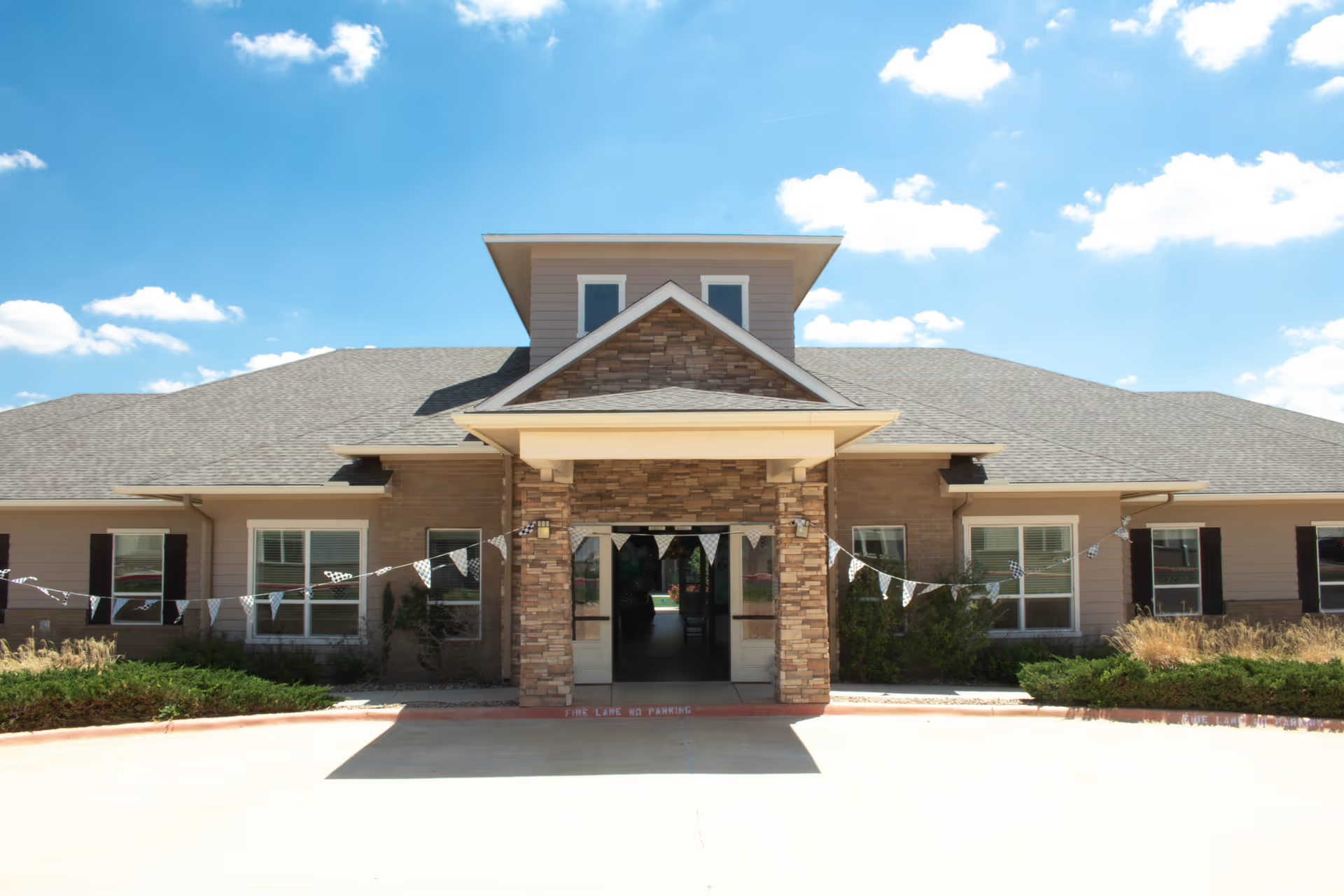
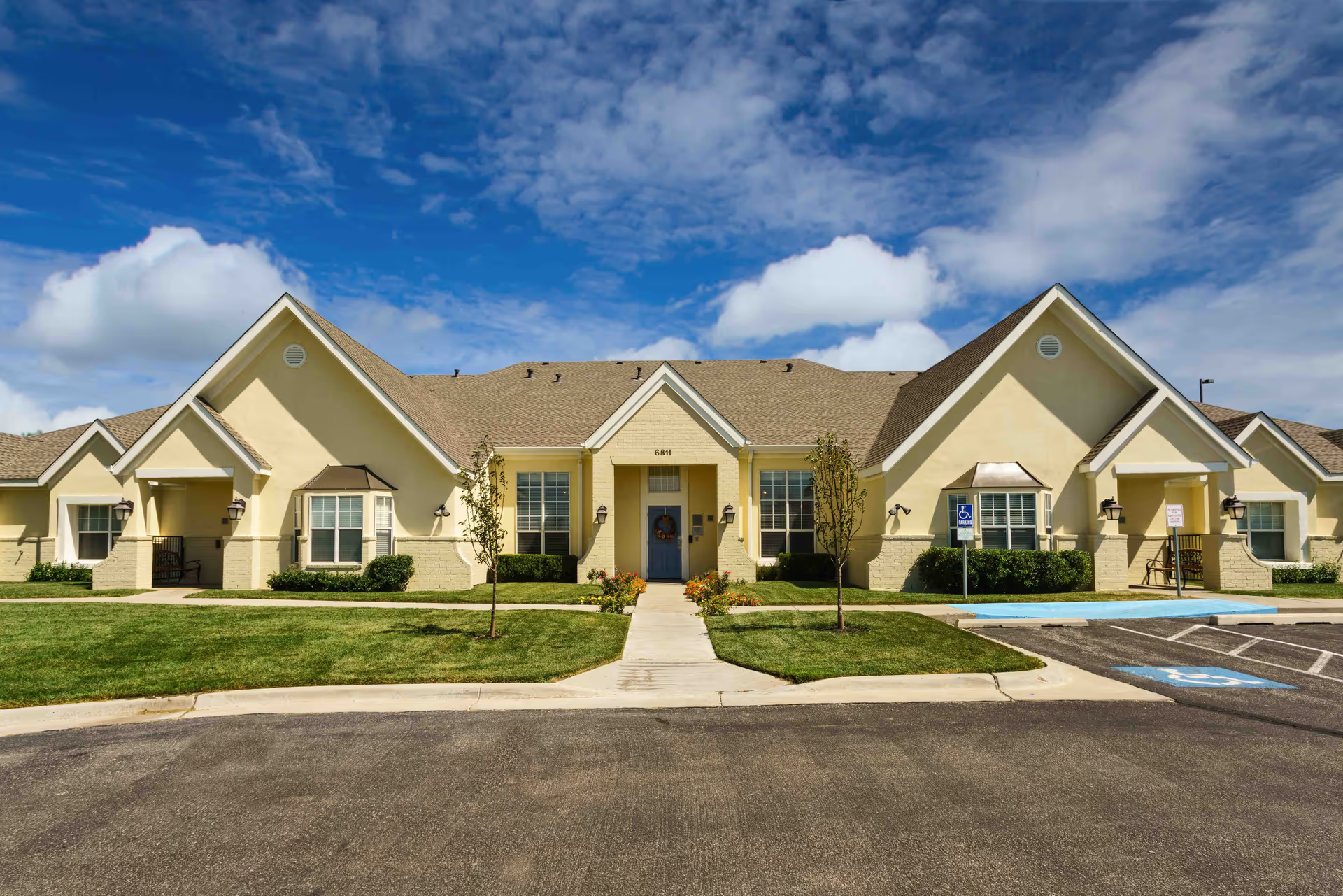
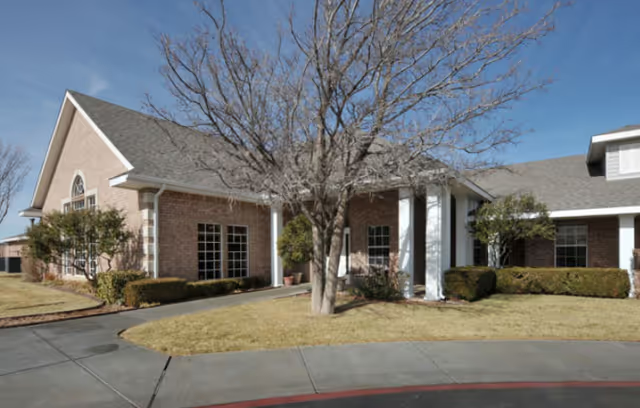
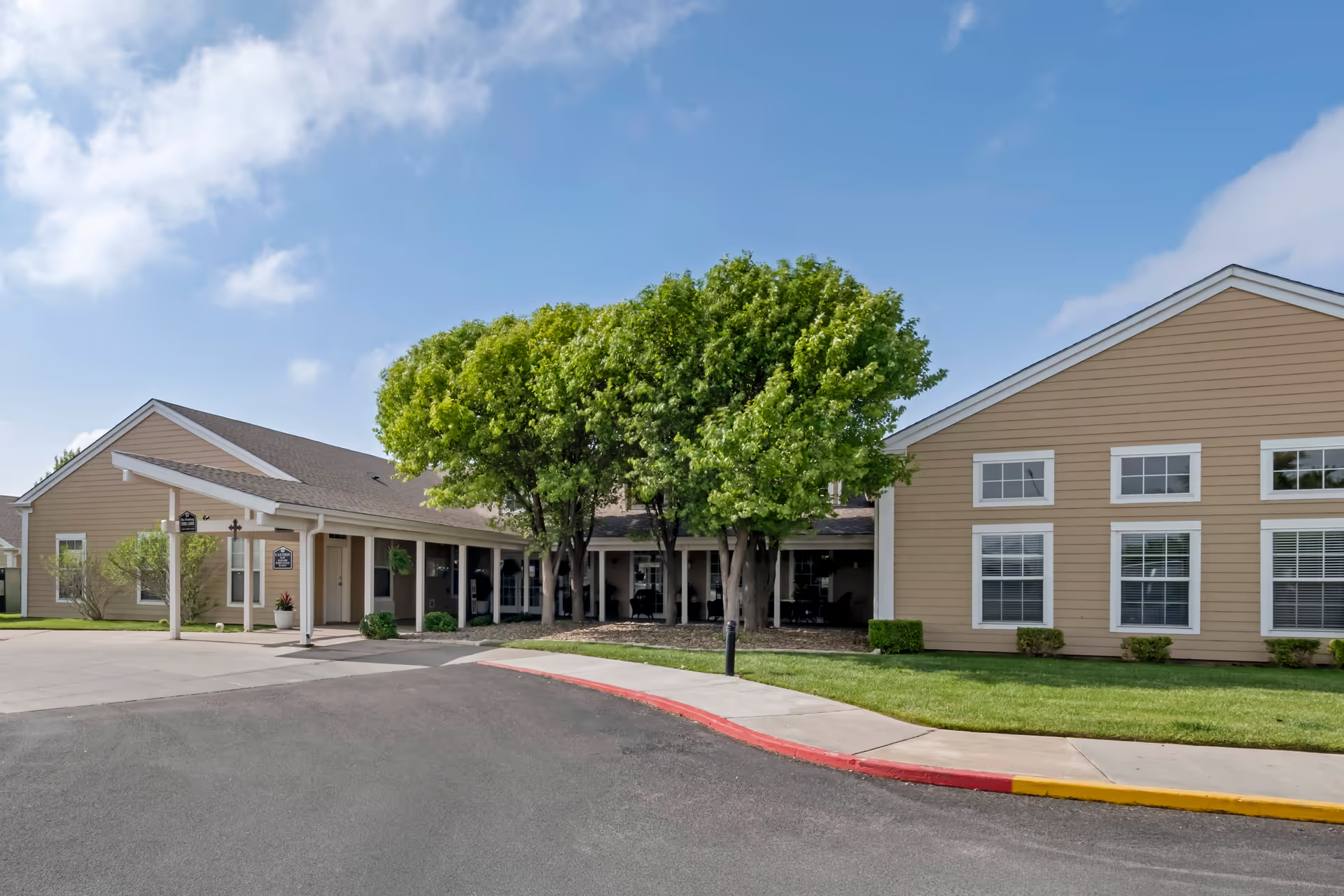
Facility condition and amenities are generally viewed positively. Multiple accounts describe clean, remodeled interiors, accessible bathrooms, and functional communal spaces. A subset of comments point to ongoing maintenance work, intermittent housekeeping shortfalls in hallways or common areas, and smaller-than-expected unit sizes for the price in some floor plans. The property’s proximity to medical centers and the availability of on-site guest lodging and covered parking are practical advantages cited by families.
Management and administration present the most mixed signals. Reviewers reported instances of miscommunication, contract-pricing confusion, billing errors, and a perception of inconsistent policy enforcement following ownership or leadership changes. There are also mentions of policies that families consider overly restrictive or punitive — for example, concerns about end-of-life tenancy terms and unclear emergency-evacuation procedures. Because these items affect contracts, billing, and resident rights, prospective residents should obtain written explanations of fees, medication-service charges, termination and evacuation policies, and confirm escalation/contact procedures for clinical issues.
Overall recommendation guidance: Brookdale MediPark West appears well suited to active, social seniors seeking a full suite of amenities, a busy activity program, and a community-oriented living environment. Families requiring dependable overnight clinical coverage, consistent medication administration, specialized memory care, or extensive therapeutic-diet services should evaluate those specific capabilities in person. Recommended due diligence items include asking for current staffing ratios and night-coverage details, written medication-administration protocols and fees, sample weekly menus and diet-accommodation practices, memory-care availability and admissions criteria, documentation of emergency-evacuation plans, and a clear copy of contract terms relating to move-out/termination and prorating. This approach will help align expectations with the community’s operational strengths and limitations.