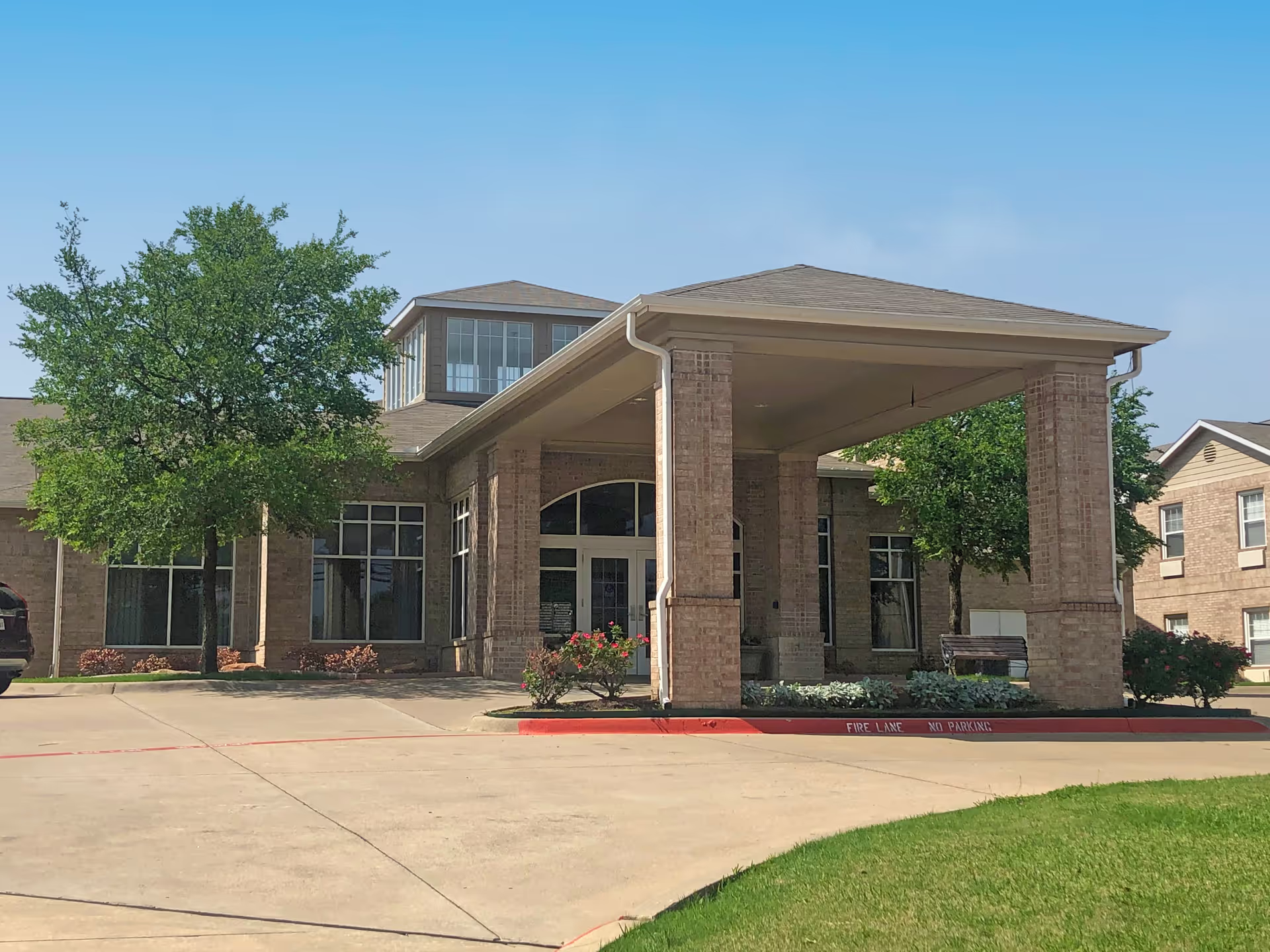
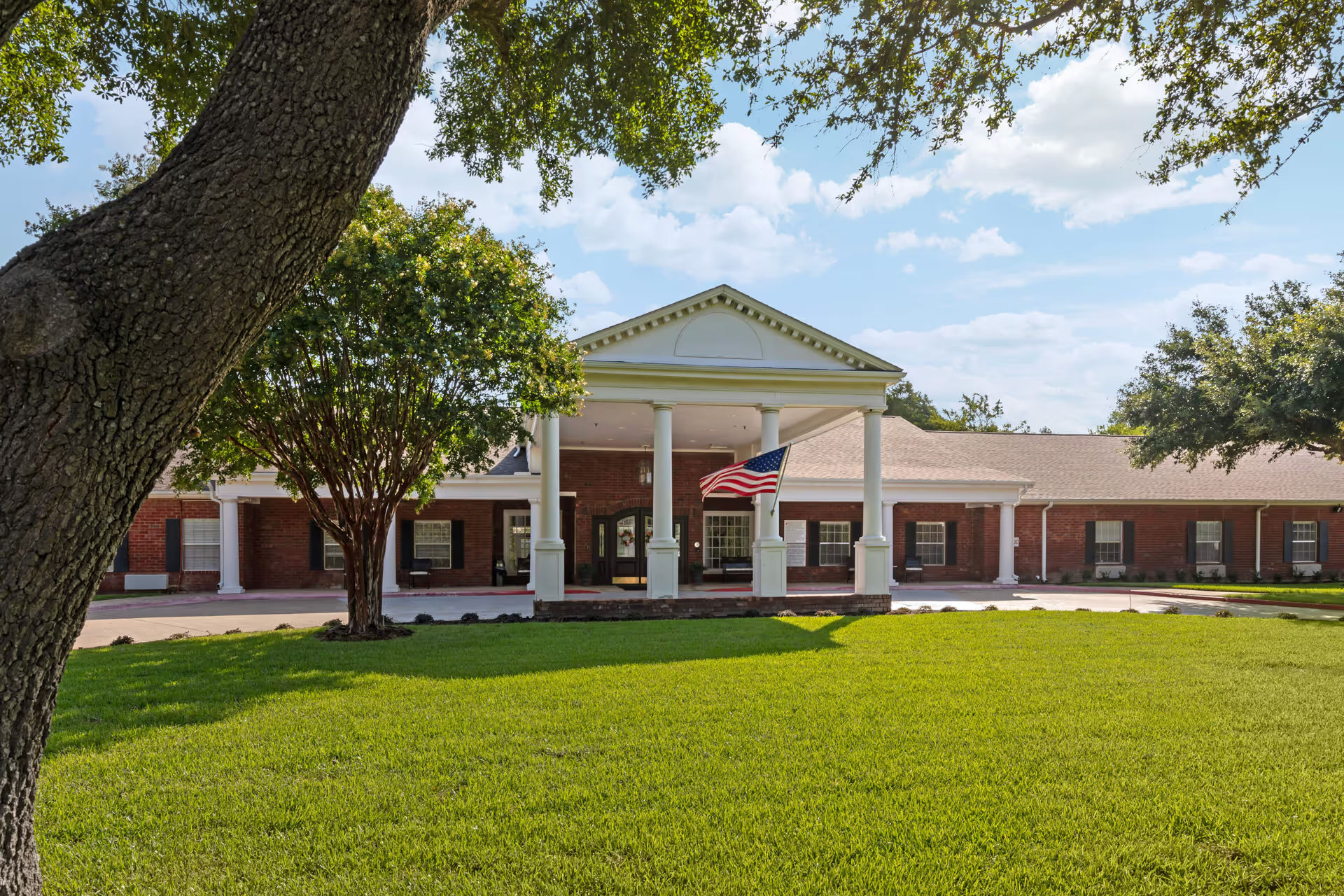
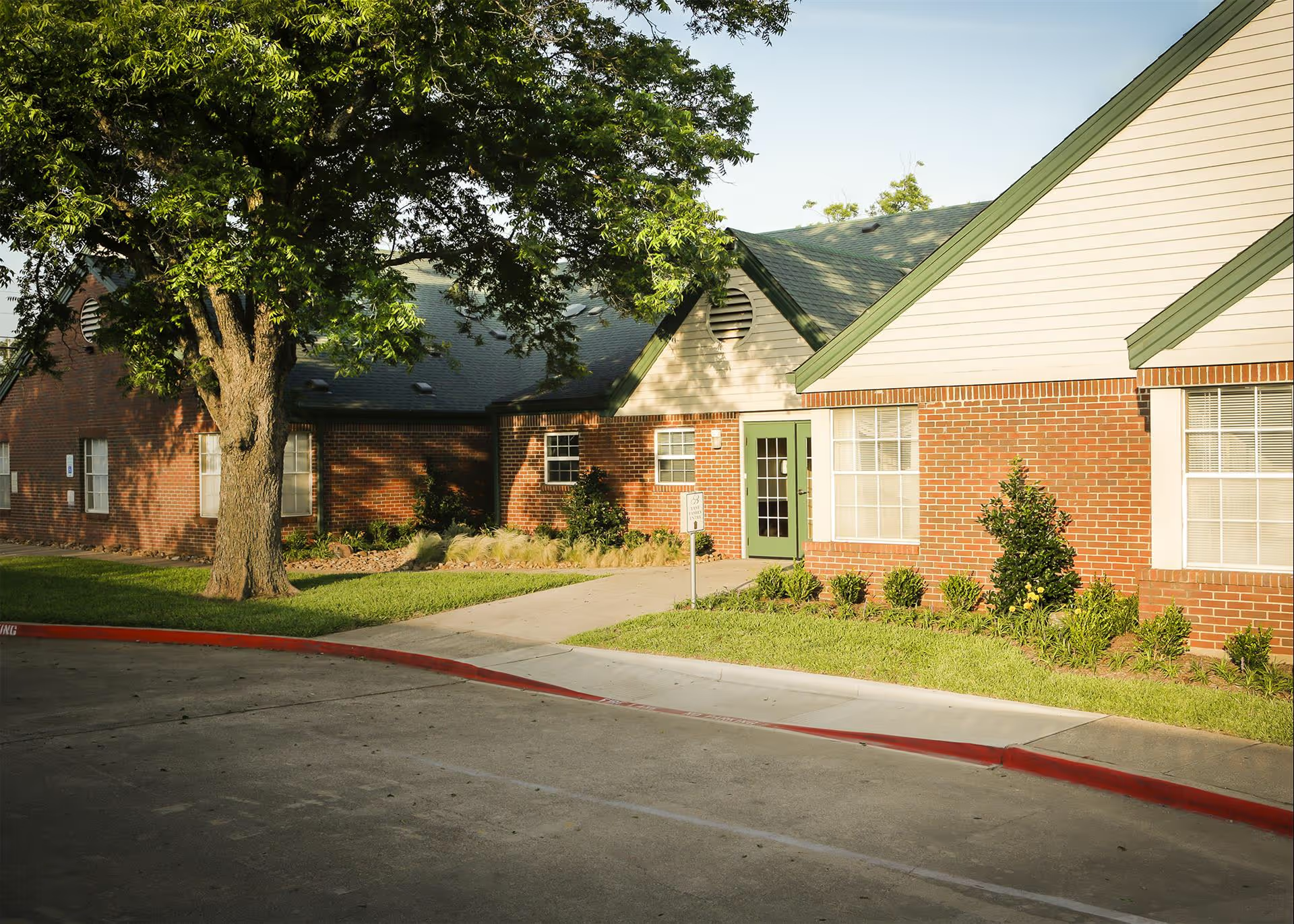
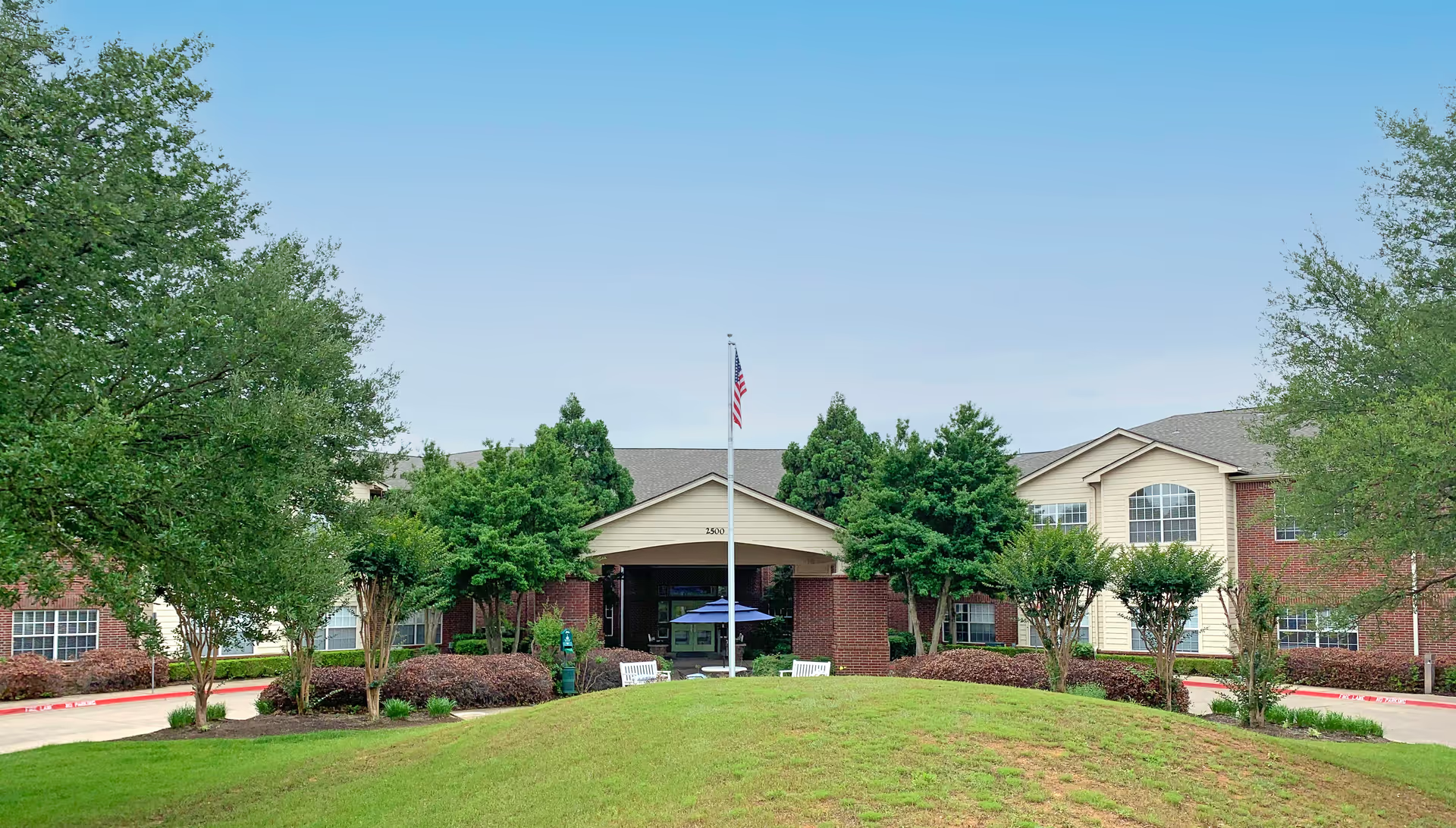
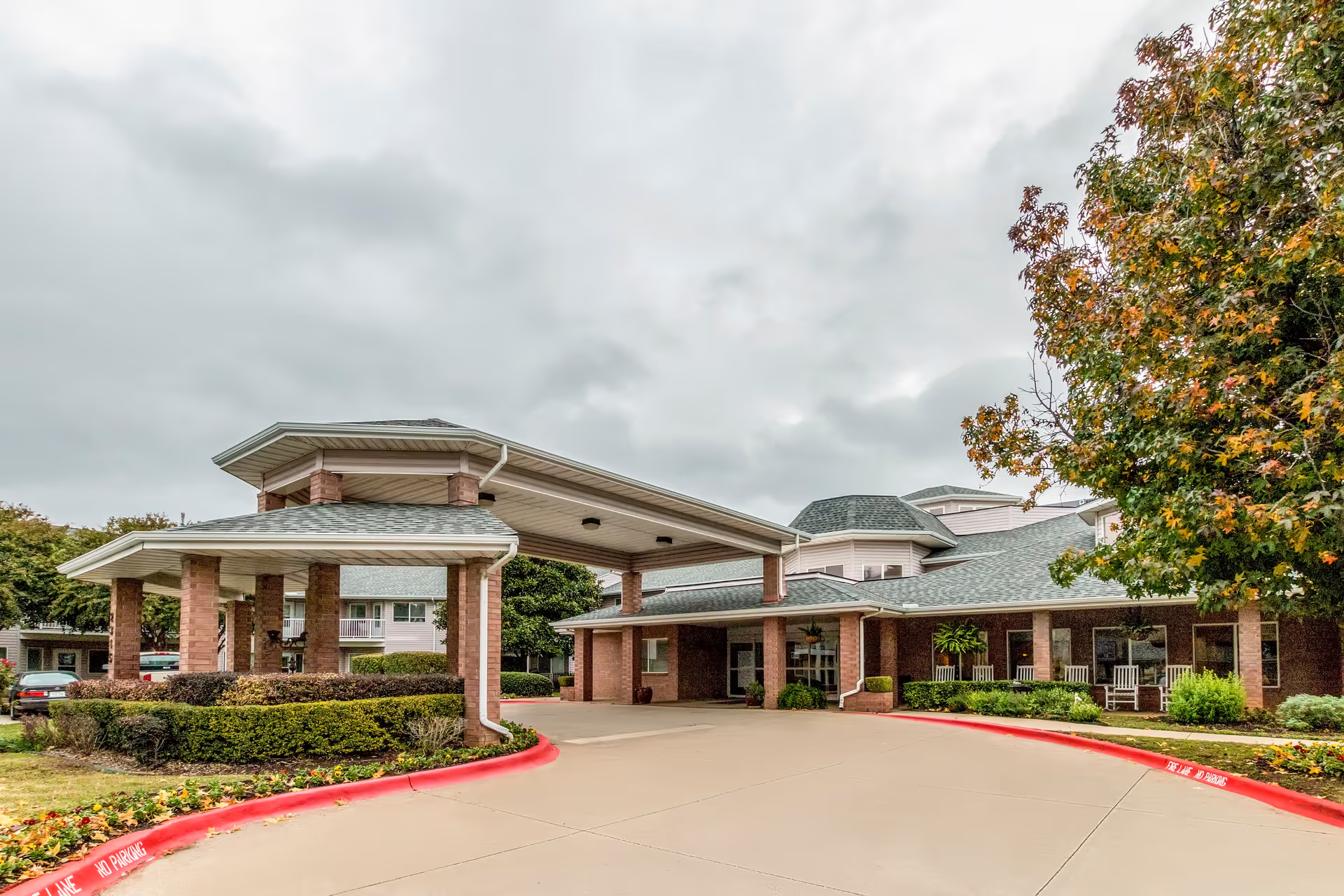
Seasons Assisted Living is frequently described as a small, home-style facility that emphasizes individualized, family-like care. Reviewers consistently highlight strong personal attention: caregivers and the owner are described as hands-on and compassionate, with an emphasis on one-on-one support and daily personal-care assistance such as bathing and grooming. The facility’s small size and resident count support personalized routines and longer-term placements for families seeking a close-knit setting.
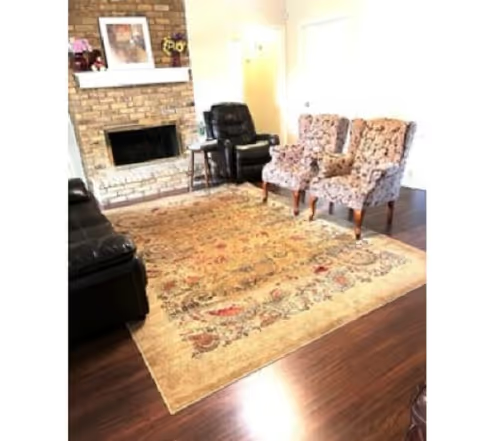
Dining and daily life are commonly cited strengths. Multiple accounts reference home-cooked meals, appealing dining aromas, and snacks available throughout the day, along with regular weekly outings that provide opportunities for engagement outside the home. The physical environment is regularly described as clean and well maintained, with comfortable seating and an overall warm atmosphere that contributes to a residential rather than institutional feel. Laundry practices (clothes washed separately) and attention to household details are noted as operational positives.
Areas for prospective residents and families to evaluate further include access policies, communications, and program breadth. Several accounts point to restrictive entry procedures (appointments, signage requiring masks/vaccination/sign-in) and inconsistency between published hours and actual access; this suggests the facility operates with tightly controlled visitation and variable enforcement of infection-control or access rules. Management availability and communication also appear inconsistent at times, which may affect scheduling, admissions, or responses to family inquiries. While some residents benefit from the intimate, personalized model, the small scale can limit the scope of onsite clinical services and formal activity programming; families seeking a broader activity calendar or higher-acuity clinical coverage may find the model less suitable.
Overall, Seasons presents as a clean, attentive, small-scale alternative to larger assisted living communities, with particular strengths in individualized care, owner involvement, and a home-like dining experience. Prospective families should confirm current visitation and infection-control policies, clarify published hours and admission procedures, ask about staff scheduling and clinical coverage, and review the activity calendar and staff–resident fit to ensure the facility matches the prospective resident’s social and clinical needs.