Overall impression Brookdale Beckett Meadows elicits a mixed but distinct pattern: many families describe strong, compassionate day-to-day caregiving and an active, home-like set of amenities, while operational and oversight weaknesses are also frequently cited. The facility's strengths are most apparent in person-centered interactions, memory-care attention, and social programming; the patterns of concern relate primarily to staffing stability, clinical oversight, housekeeping consistency, facility upkeep, and billing transparency.
Care and staff A consistent positive theme is the quality of individual caregivers and memory-care staff. Multiple accounts describe staff who form personal connections, provide one-on-one attention, and support residents’ dignity and daily needs. The memory-care unit is repeatedly noted for patient, respectful staff who know residents’ names and personalize activities. At the same time, reviewers identify recurring operational challenges: staffing shortages and turnover that can lengthen response times, uneven competency among newly hired aides, and occasional delays or inconsistencies in medication administration. Several families expressed concern about clinical escalation and family notification when residents’ conditions change. These issues point to variability in training, supervision, and shift coverage rather than the absence of caring personnel.
Dining and activities Dining and social programming are important strengths and sources of resident satisfaction. Reviews reference a chef who engages with residents, appetizing presentation, bright dining areas, and a varied activities calendar (arts, music, outings, and on-site therapy). However, meal quality appears inconsistent across time and meals: positive descriptions of well-presented, flavorful dining coexist with reports of over-salted or poorly prepared items. There are also concerns about extra charges for room-delivered trays and questions about menu variety and dietitian oversight. Activity offerings are generally robust, but some families find activity levels could be expanded or more consistently promoted.
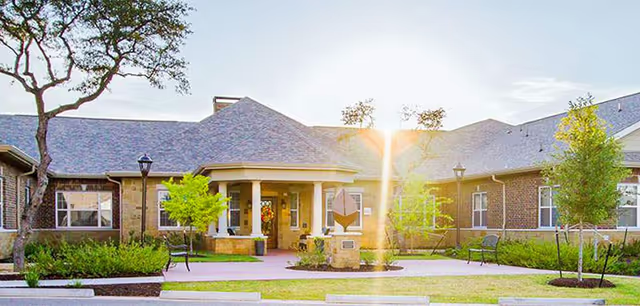
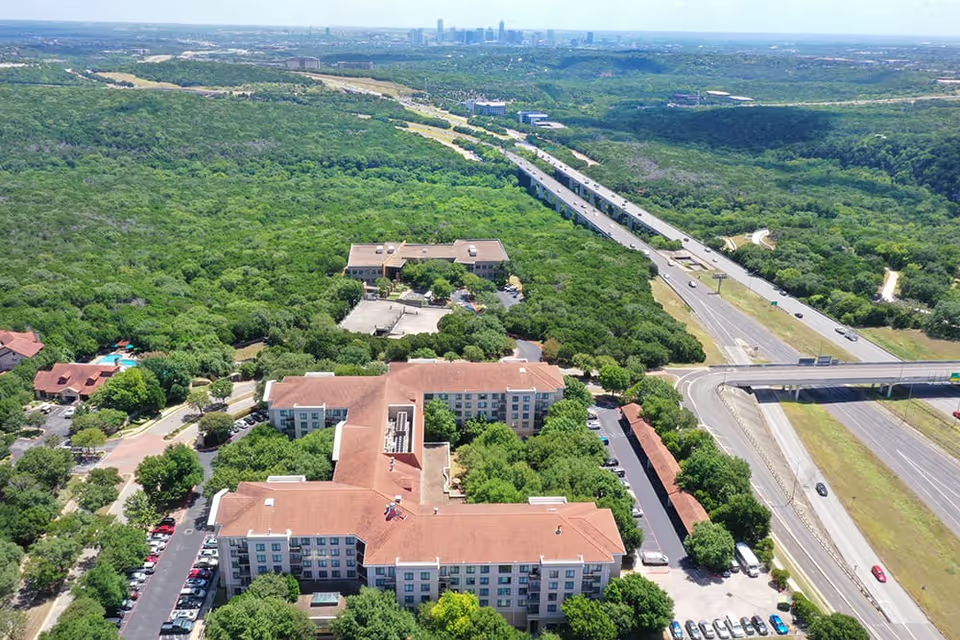
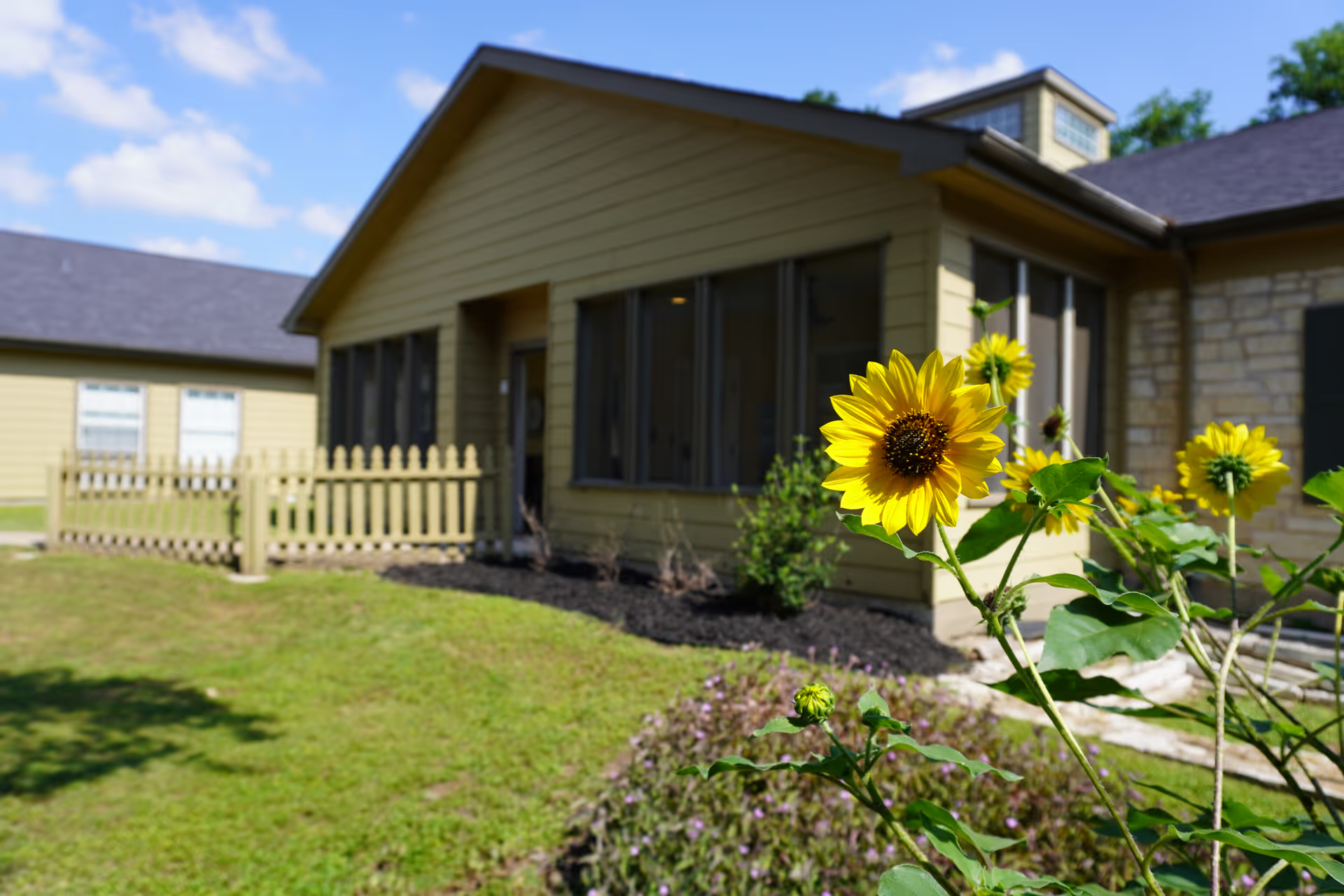
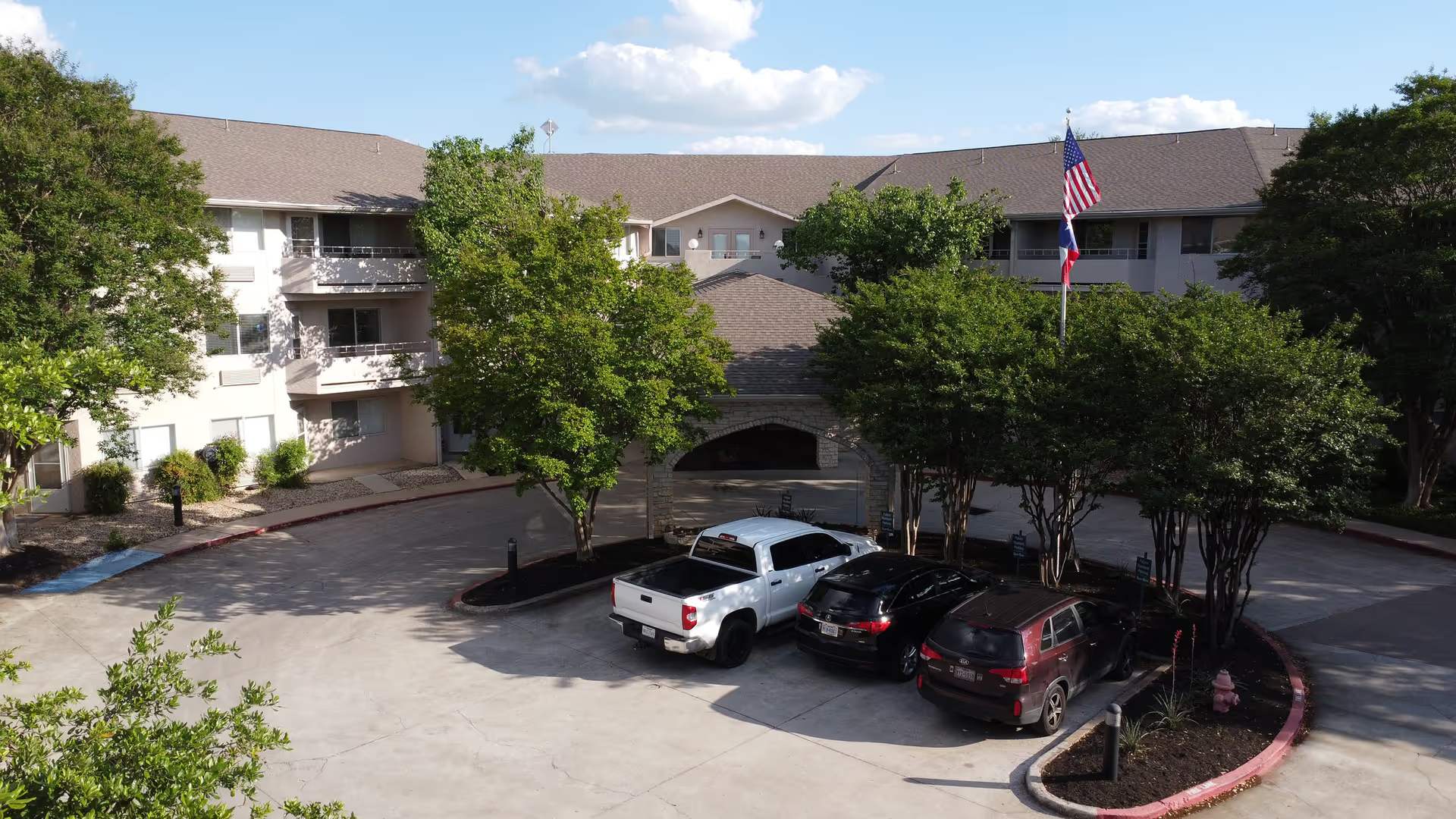
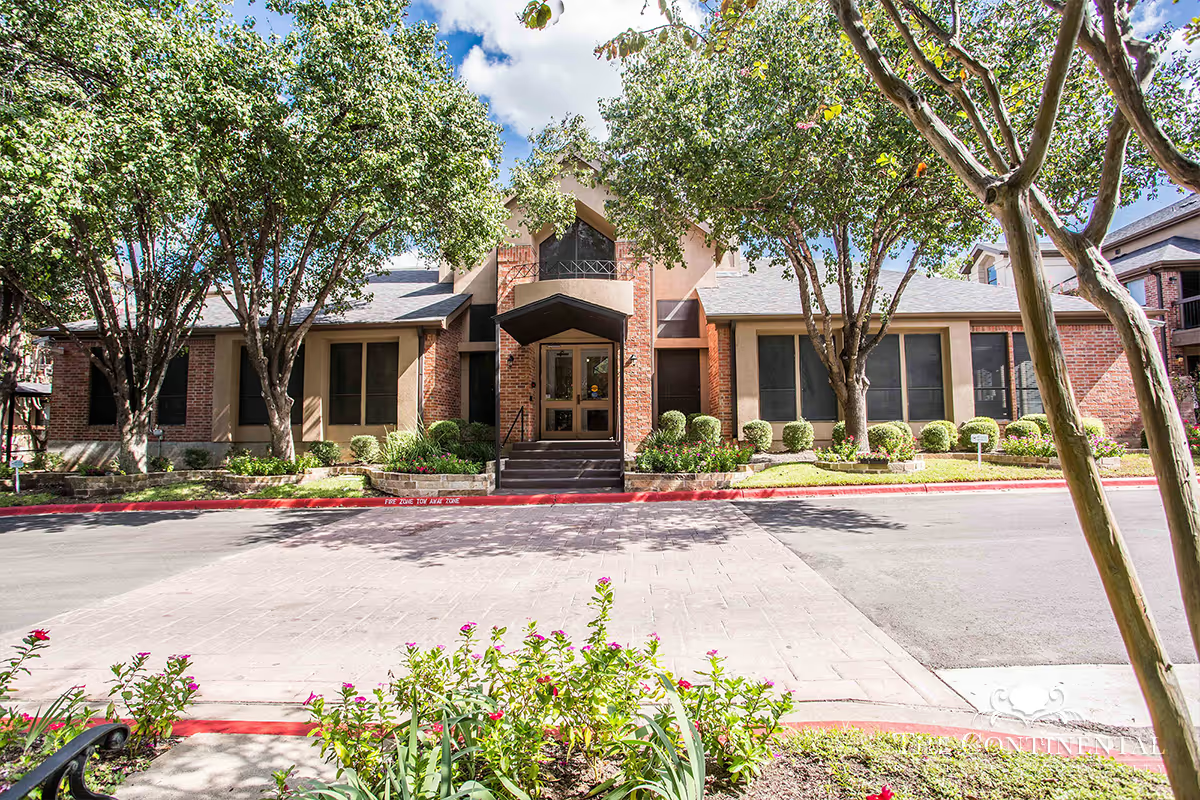
Facilities and housekeeping Public spaces such as the courtyard, media room, and library receive favorable mentions for comfort and design. Conversely, apartment-unit conditions and housekeeping are uneven: reviewers describe aging carpet, faded paint, shabby upholstery in some units, and missed or irregular room cleanings, laundry delivery, and linen changes. Maintenance response is praised when issues are handled promptly, but deferred maintenance and patchy cleanliness in private rooms are persistent themes. Privacy and space limitations — including small rooms and some shared arrangements — are also cited as drawbacks for families seeking larger private accommodations.
Management, billing and safety Families praise particular leaders and frontline staff by name and note helpful admissions processes and responsive individuals. At the same time, management changes and perceived inconsistencies in leadership have been associated with declines in communication and care continuity in some accounts. Billing transparency is a recurring concern: complaints include frequent rate increases, extra service charges, deposit and refund policies, and difficulty resolving disputed charges. Reports also raise infection-control and sanitation procedure concerns and indicate gaps in communication around contagious illness events. There are isolated but serious claims about theft and payroll irregularities; these have been presented as allegations and would merit direct inquiry and documentation during a visit.
What to ask and observe Prospective residents and families should verify current staffing ratios and turnover rates, ask for specifics on medication administration protocols and incident escalation, and request a sample housekeeping and laundry schedule. Review the written fee schedule and policies for extra charges, deposits, and annual increases. Observe apartment units for maintenance needs and privacy features, and ask about infection-control policies, outbreak communication procedures, and availability of higher-acuity skilled nursing if needs change. Finally, meet caregivers in the memory unit and activity staff to assess engagement and programming suitability.
Bottom line Brookdale Beckett Meadows combines evident strengths — compassionate caregivers, engaged memory-care programming, on-site therapy, and welcoming public spaces — with operational inconsistencies that can affect daily reliability and family confidence. For families prioritizing warm personal care and active programming, the community can be a strong fit; for those requiring consistently stable staffing, rigorous clinical oversight, or newly renovated private apartments, the facility warrants careful, specific questioning and monitored follow-up before committing.