Windsor Nursing and Rehabilitation Center of Duval presents a mixed but clear profile: many families and residents describe compassionate, professional direct-care staff and a therapy program that produces measurable mobility and functional improvements. Reviewers frequently praise nursing and therapy teams for individualized plans, successful rehabilitation outcomes, and timely emergency interventions. Admissions and administrative personnel receive recurring commendation for being responsive, personally involved, and helpful with Medicaid or insurance navigation. The facility also offers a broad activities schedule — including adaptive programs for non-ambulatory residents, holiday and birthday gatherings, an on-site country store, garden and sunroom social spaces — which several families cited as contributing to residents' quality of life.
At the same time, substantive operational concerns appear across reviews and warrant attention. There are recurring comments pointing to inconsistent medication administration and documentation, gaps in clinical oversight during transfers and discharges, and variability in follow-through on care-plan goals. Communication issues with families emerge as a theme, particularly around critical incidents and end-of-life processes; some families described difficulty obtaining timely information. Additionally, reviewers noted uneven responsiveness to call lights and personal-care needs, and uneven professionalism or training among staff on certain shifts.
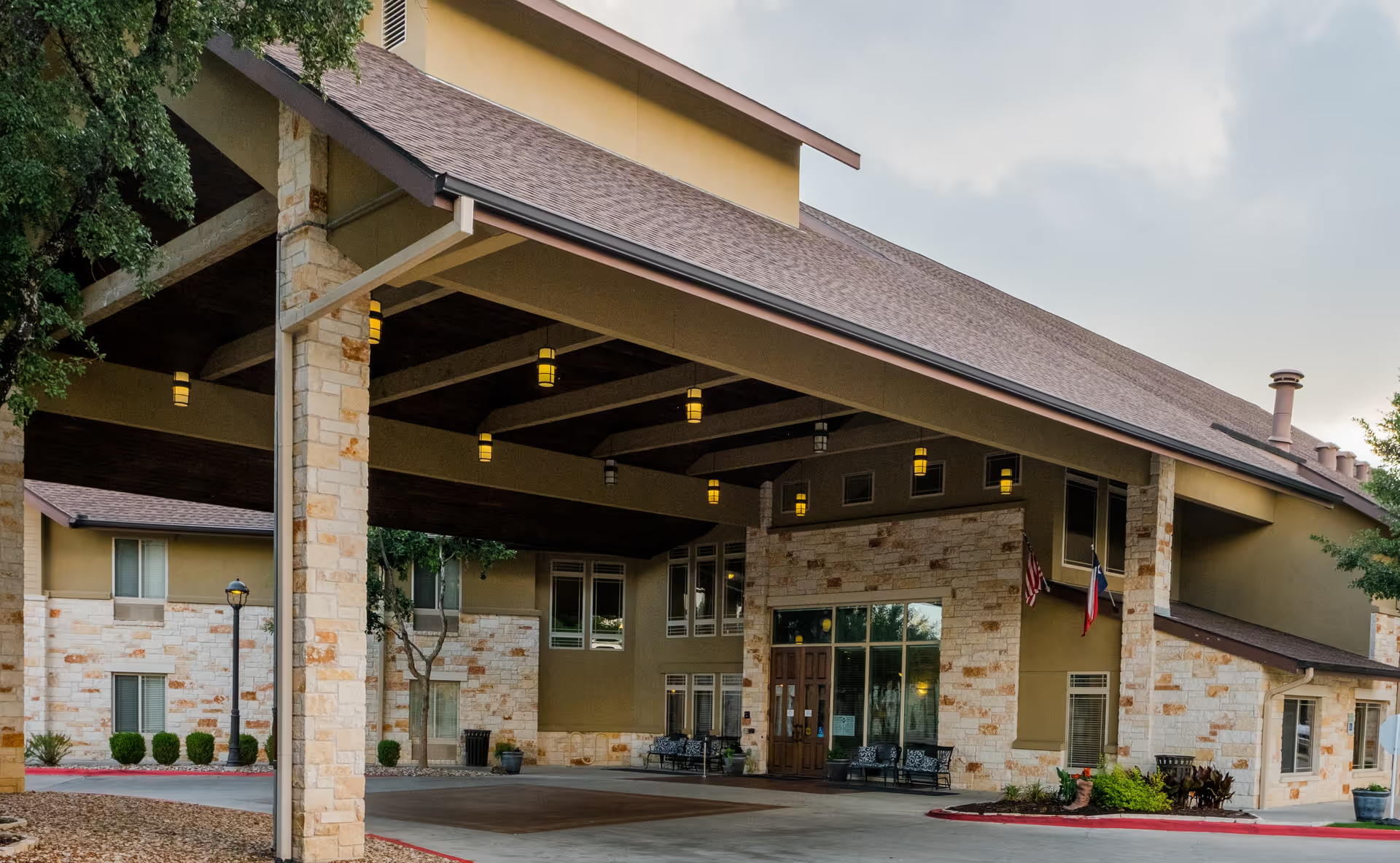
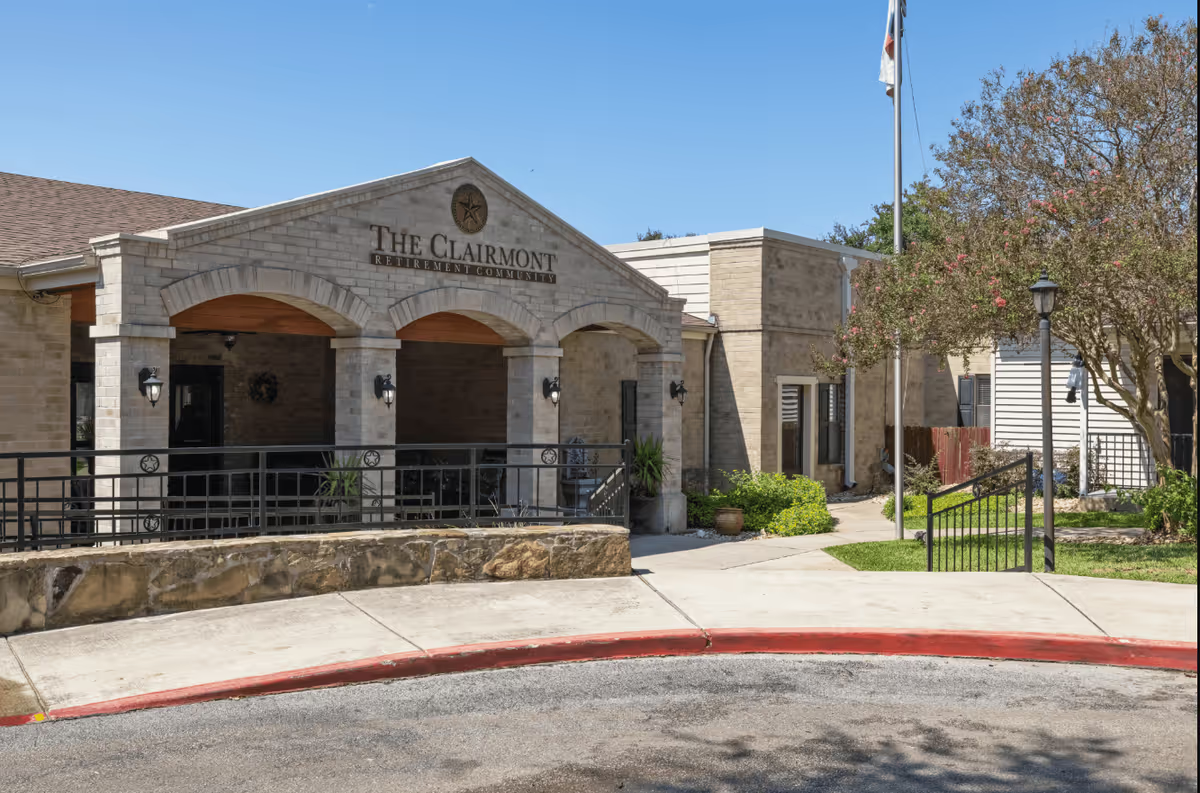
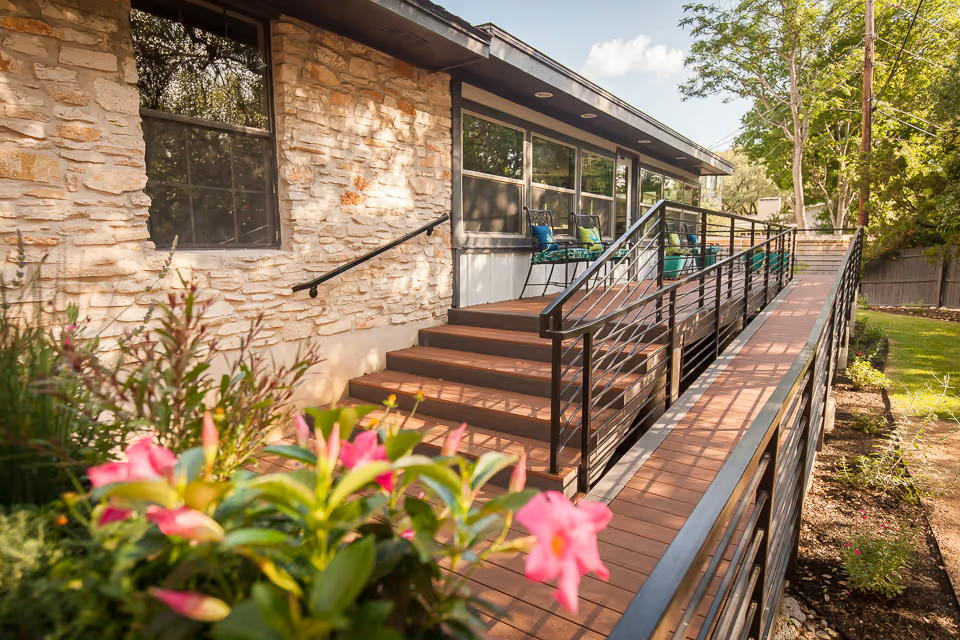
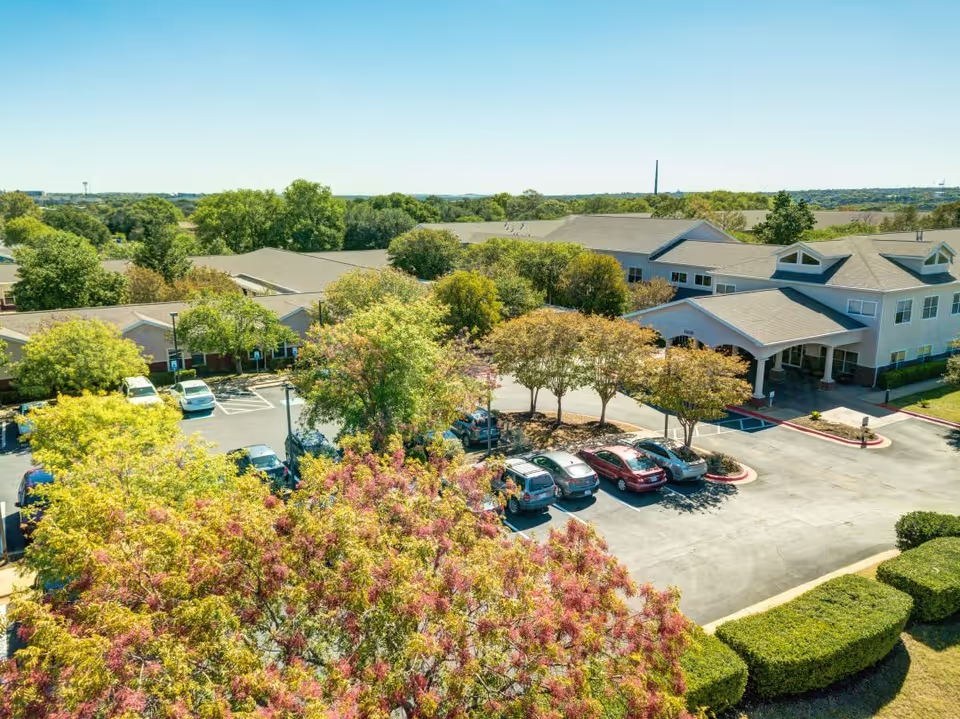
Dining and environmental observations are also mixed. Many reviewers described meals as good for an institutional setting with reasonable variety, while others noted late meal delivery or variable food quality. Housekeeping and laundry are frequently praised for promptness and cleanliness of rooms and common areas, yet odor concerns and maintenance needs in parts of the building were also reported. The physical plant shows strengths in social spaces and outdoor access, but some areas appear aged and could benefit from ongoing maintenance or accessibility improvements.
Safety and property issues arise as a significant pattern: several comments indicate weaknesses in safeguarding residents' personal belongings and in discharge/transfer procedures. These operational gaps overlap with concerns about medication management and communication, amplifying family anxiety when adverse events occur. Conversely, the facility's strengths — notably committed front-line staff, reputable therapy services, proactive admissions support, and an active activities program — suggest that outcomes for prospective residents will depend substantially on unit-level staffing, shift consistency, and the effectiveness of management oversight.
For prospective residents and families: an on-site visit is advisable, with specific questions about medication-administration protocols, property-safeguarding processes, staffing ratios and training, the facility's incident-notification policies, and examples of recent successful discharges or rehab milestones. Asking to speak with the therapy director, admissions liaison, and a recent family of a resident who completed rehabilitation can help clarify whether the facility’s strong clinical and social offerings align with consistent operational practices that meet your needs.