Reviews present a mixed picture. A subset of commentators emphasize a family‑like atmosphere and a smaller, traditional facility layout that some perceive as preferable to newer, larger nursing homes. However, these positives are accompanied by multiple operational concerns that bear directly on resident safety and comfort.
Care quality is a primary area of concern. Several reviews raise issues consistent with inadequate pressure‑injury prevention and with inconsistent turning or repositioning schedules. There are also repeated mentions of lapses in routine personal‑care tasks and hygiene maintenance. Some comments link care shortfalls to subsequent transfers to acute care, indicating potential gaps in clinical monitoring and timely intervention.
Staffing and staff conduct are frequently criticized for poor responsiveness and apparent low engagement. Reviewers describe delays in attending to residents and difficulty getting timely updates. Family‑communication processes are highlighted as weak: relatives describe not being notified promptly about changes in condition or significant events. These patterns suggest deficiencies in both frontline staffing sufficiency and in administrative communication protocols.
There is limited direct commentary on dining and activities in the available summaries. Because staffing and routine‑care issues are prominent, prospective families should clarify meal quality, therapeutic diets, and recreational programming during a visit and ask how staffing supports those services.
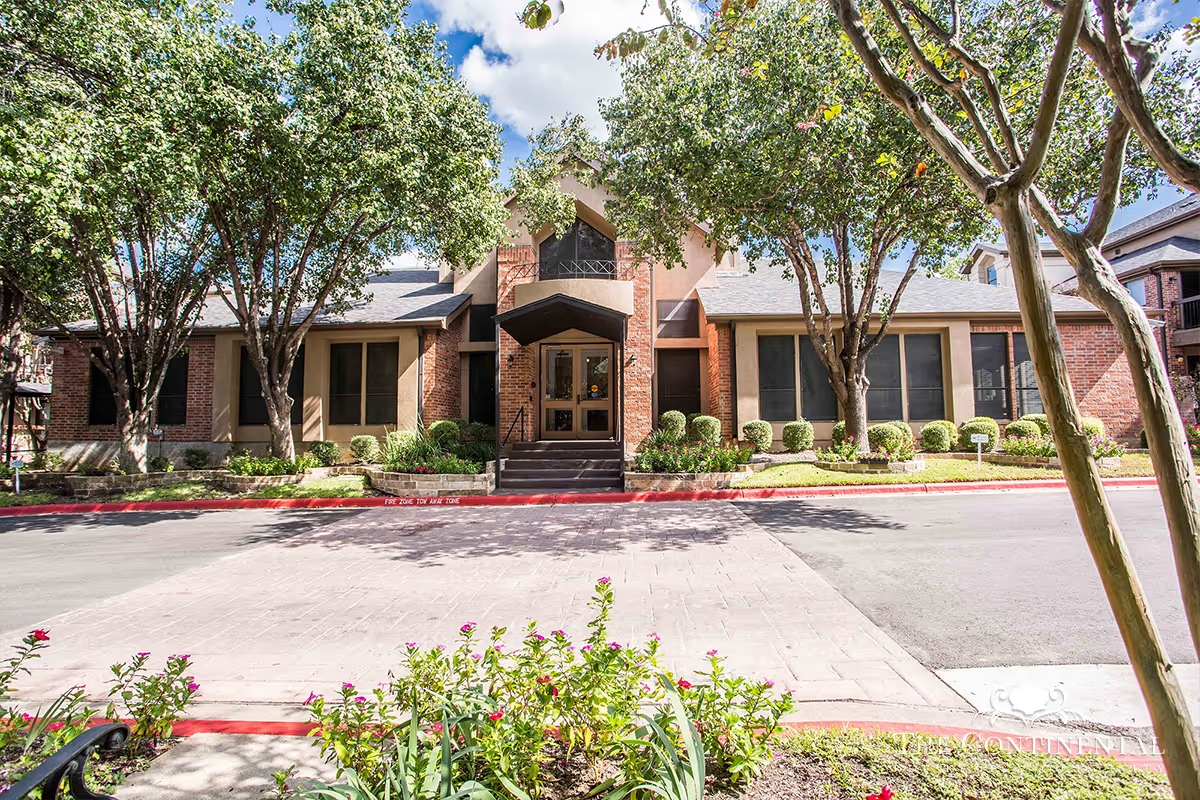
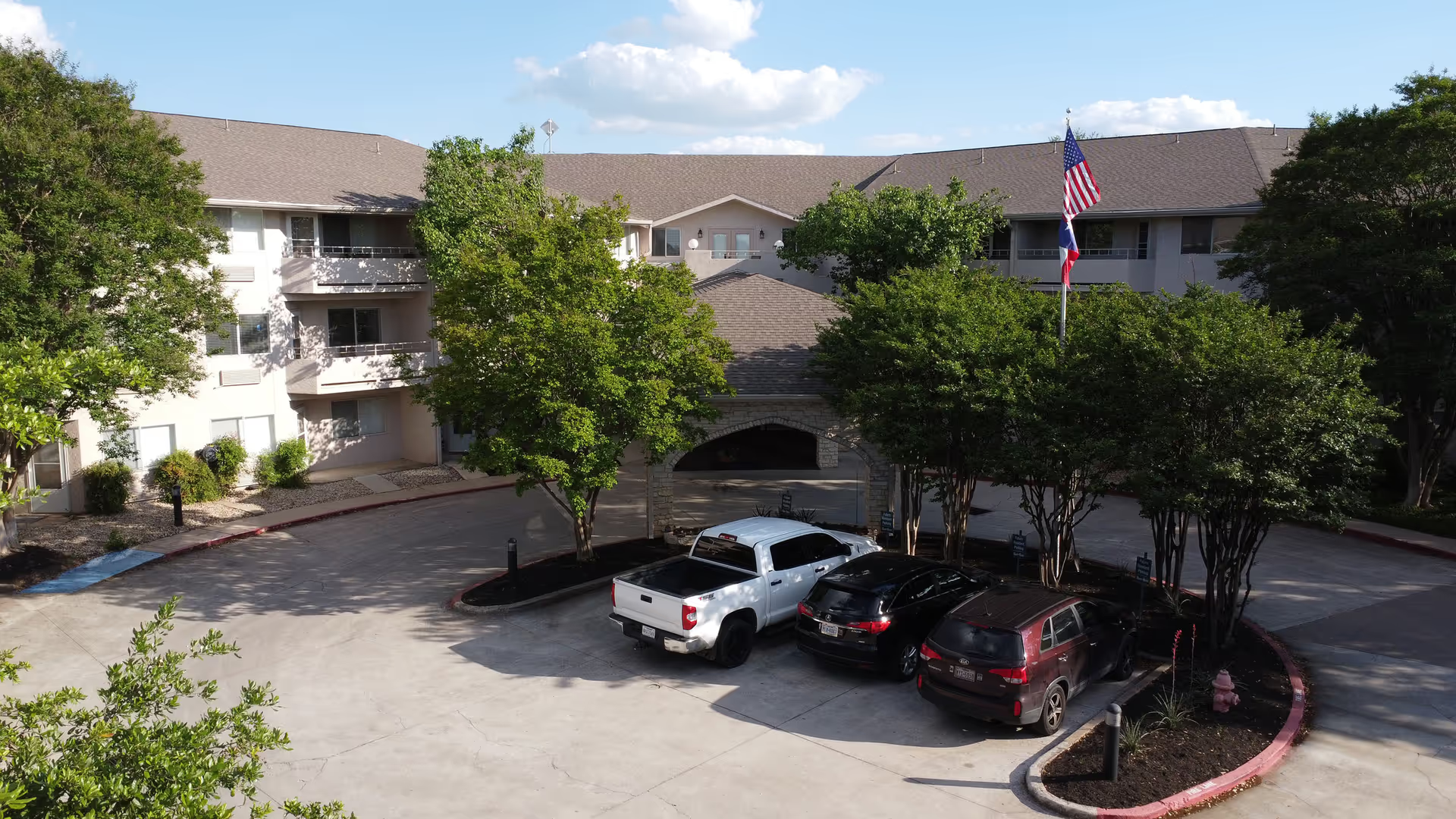
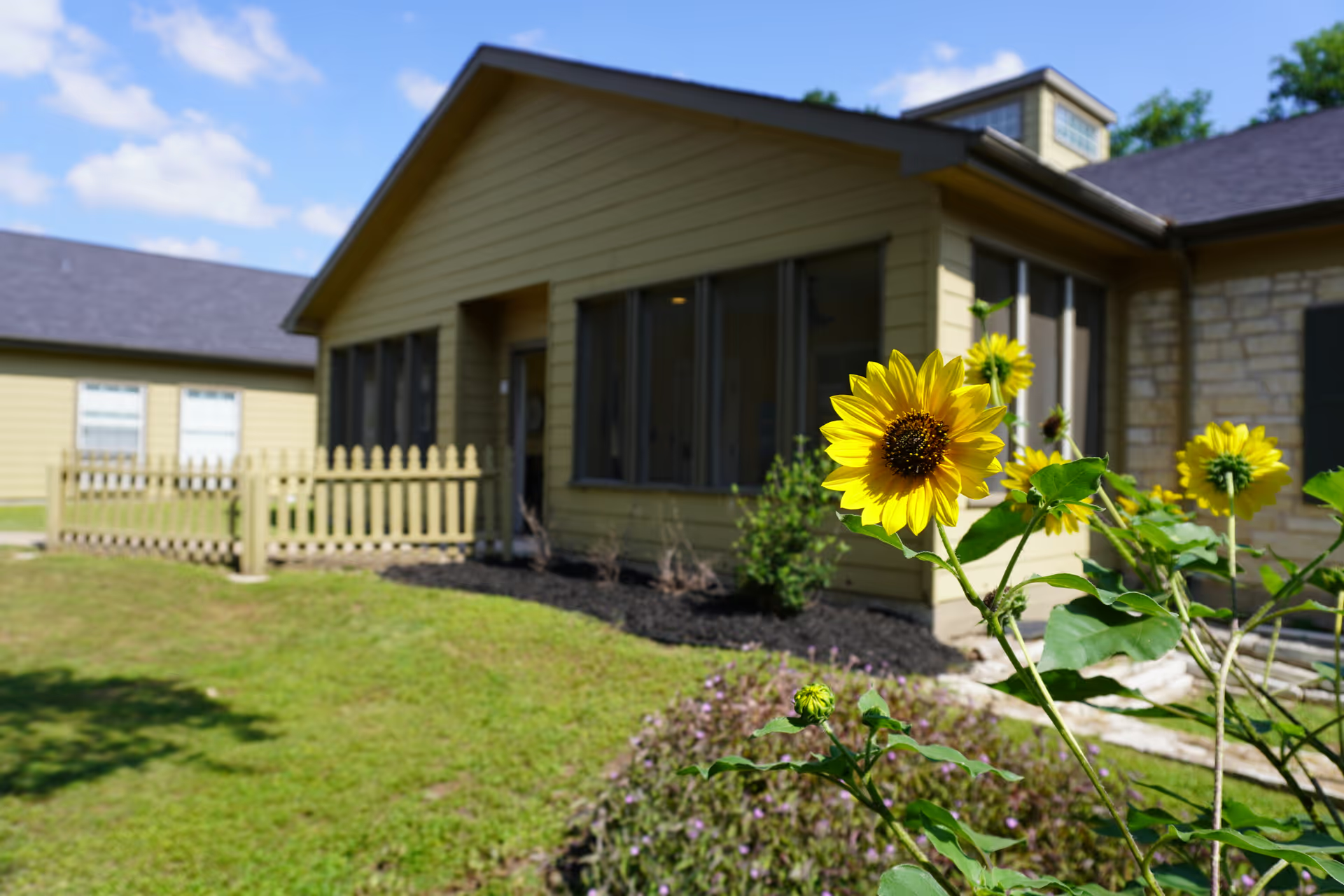
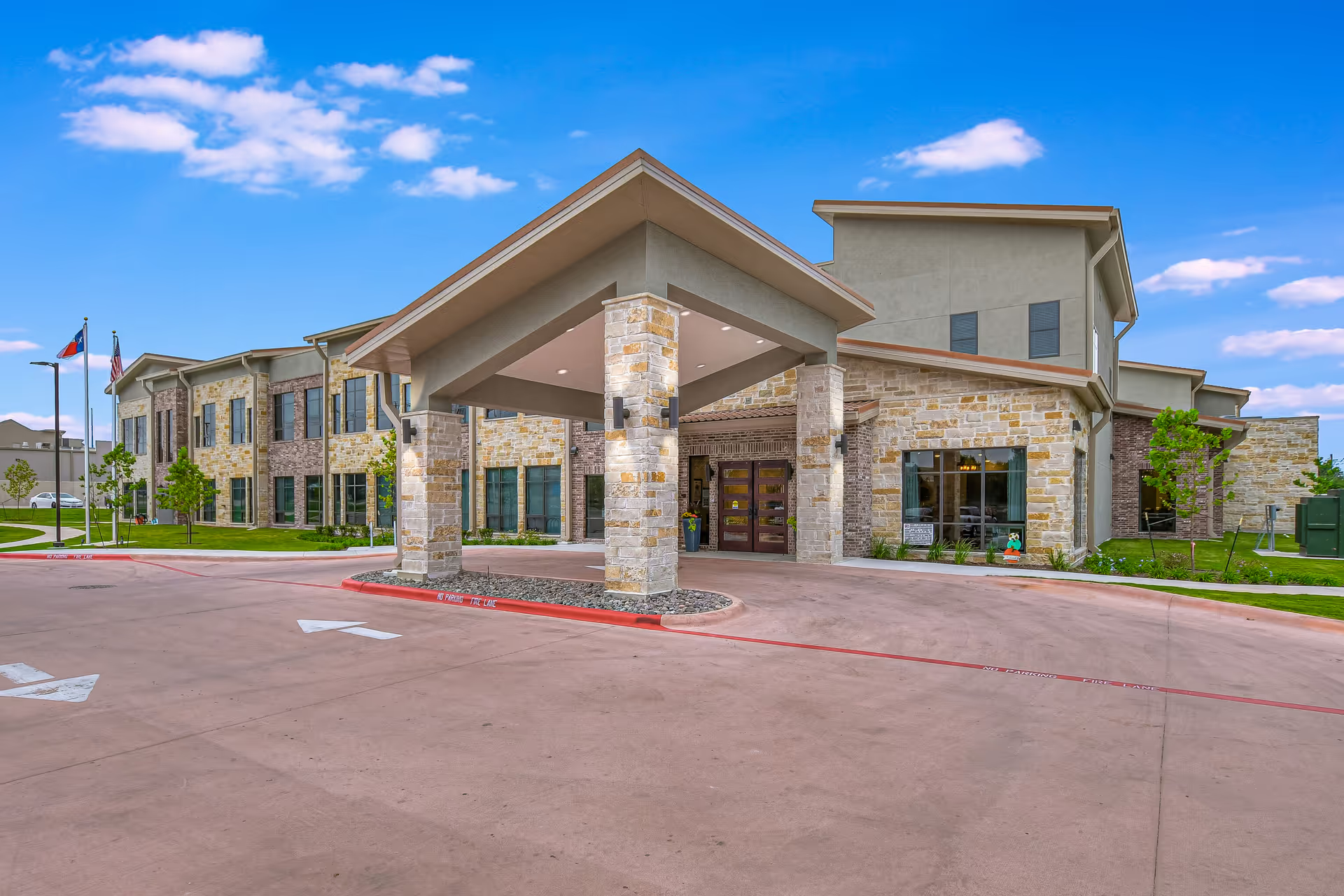
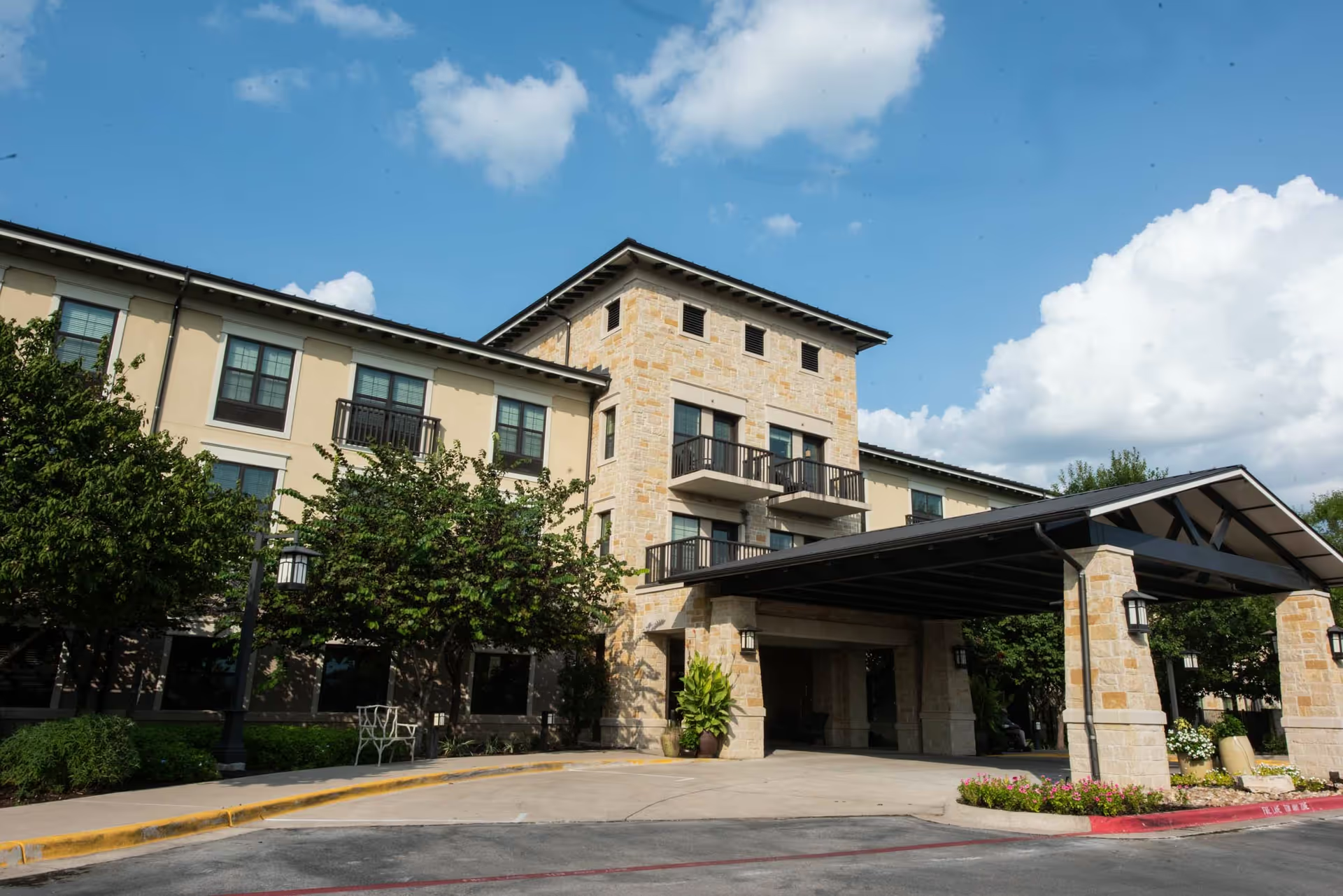
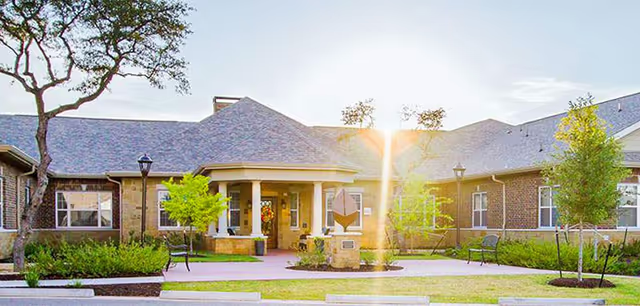
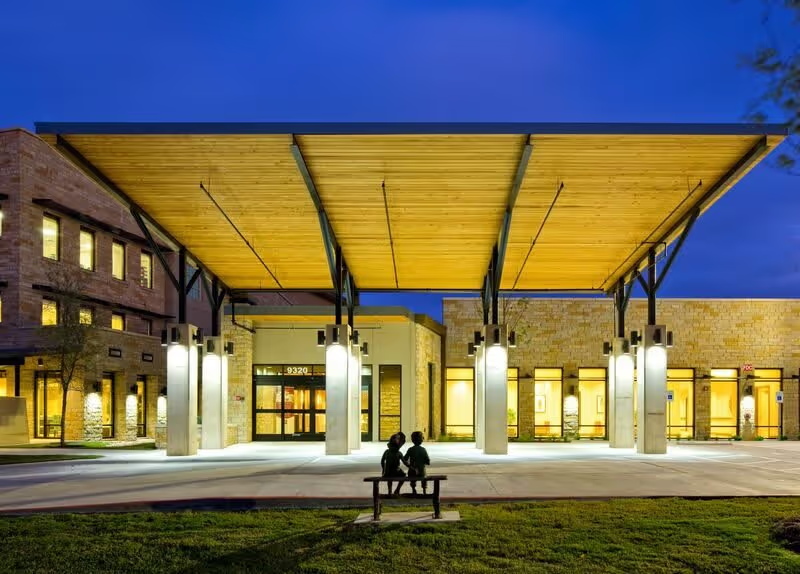
The facility’s physical plant is described as older and institutional in character; reviewers note an institutional or “jail‑like” appearance and cleanliness concerns in some common areas. Odor management and general sanitation are recurring themes, indicating a need to evaluate housekeeping and environmental‑services practices. Together with the clinical items above, these observations point to both maintenance and operational‑quality challenges.
Notable patterns for prospective residents and families: verify the facility’s pressure‑injury prevention protocols, ask for specifics about repositioning and bathing schedules, review recent health‑inspection history and any corrective actions, and inquire about staffing levels, shift turnover, and family‑notification procedures. A focused tour that inspects resident rooms, common areas, and housekeeping practices — combined with direct conversations about clinical oversight and emergency transfer processes — will help determine whether the facility’s strengths align with your expectations and care needs.