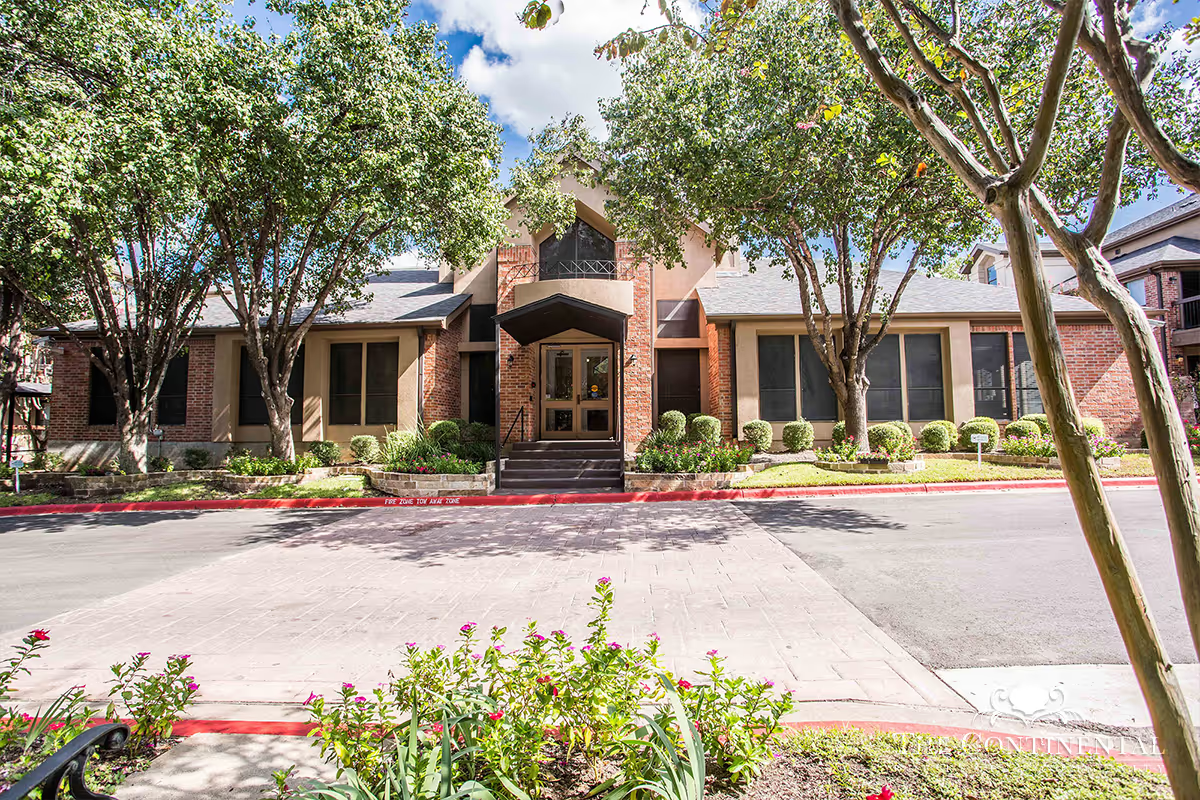
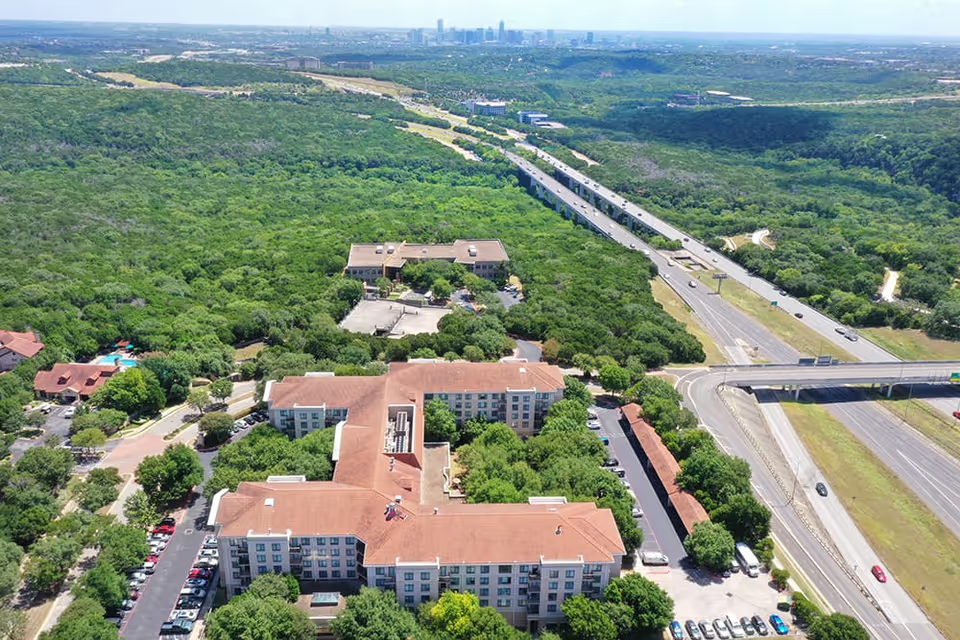
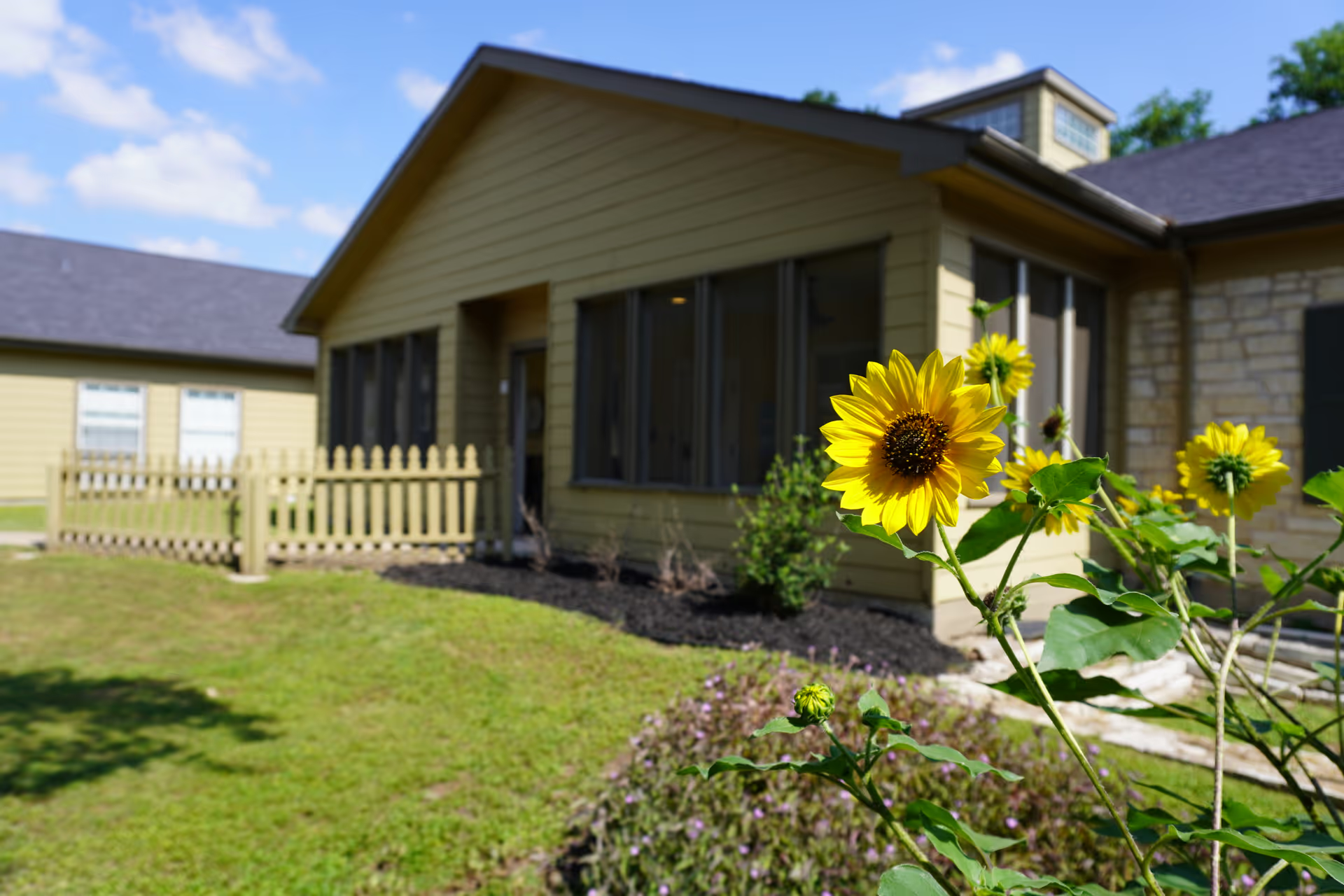
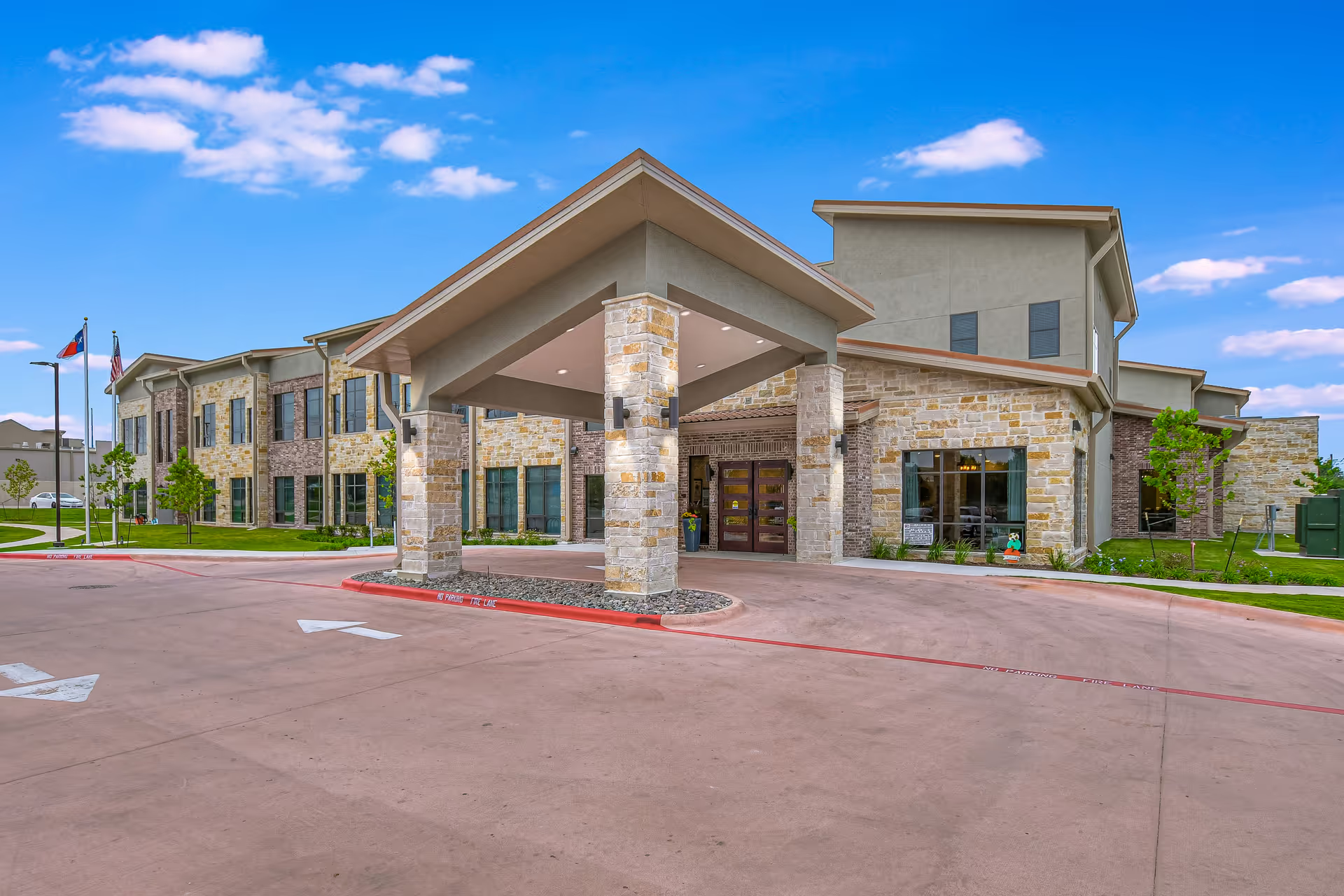
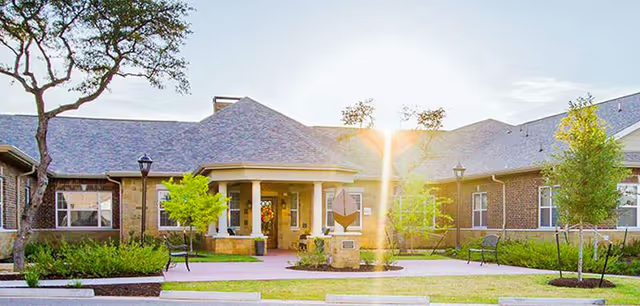
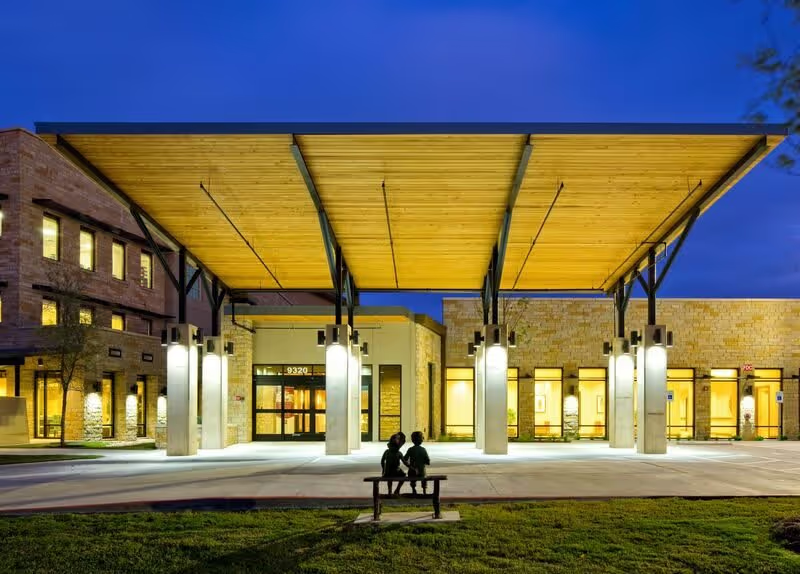
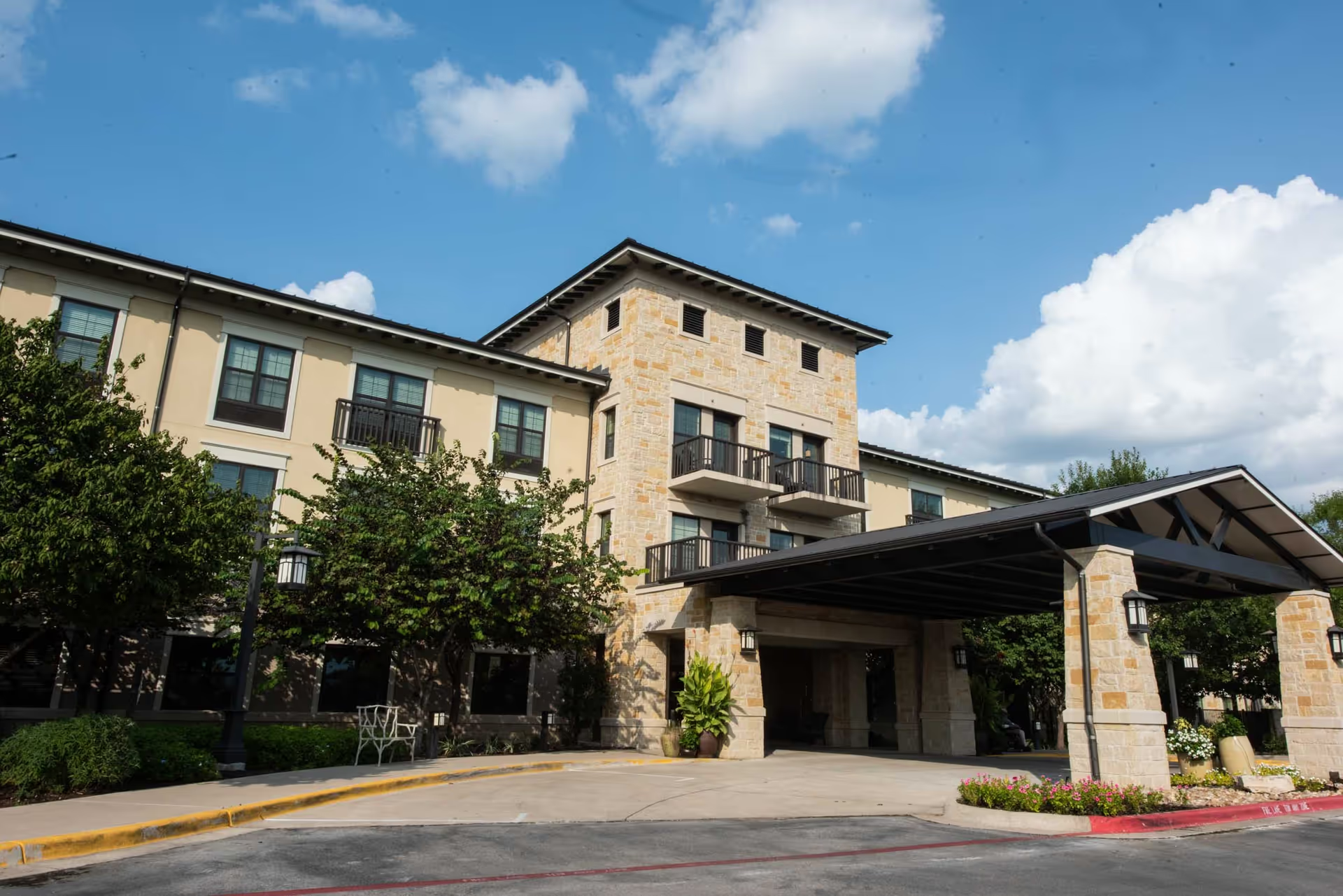
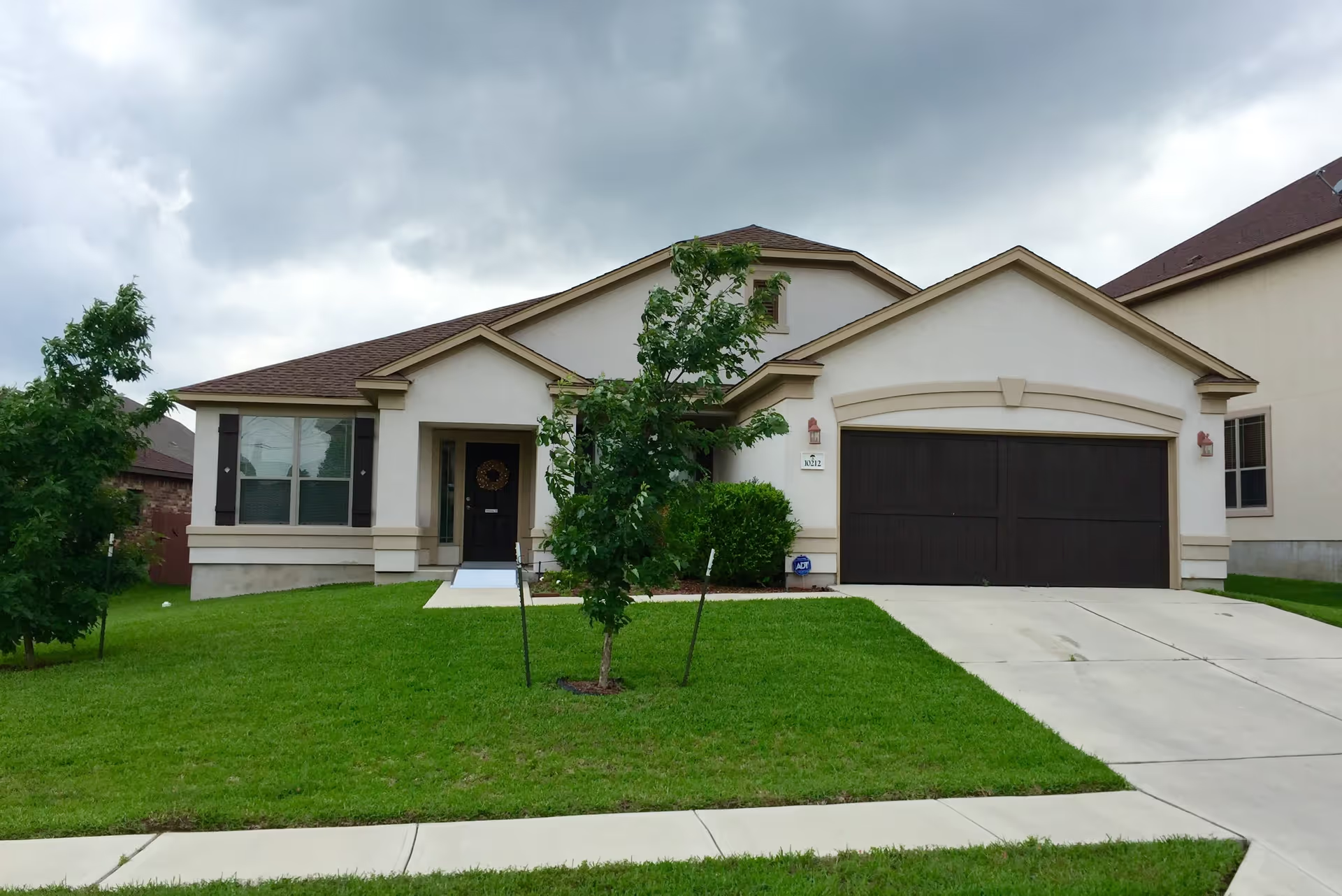
Solstice Senior Living at Austin is consistently described as a community with a strong, socially engaged resident population and a staff culture that many families and residents find compassionate and attentive. The property’s greatest assets are its human resources and site: long‑tenured caregivers and activity staff, a varied programming slate (arts, fitness, ASL, line dancing, outings), and expansive 40‑acre grounds with walking trails, green space, and pet‑friendly areas. The community model—multiple housing types (cottages and apartments), all‑inclusive pricing (meals, utilities, internet, cable, maintenance), regular transportation, and weekly housekeeping—appeals to families seeking a bundled, independent‑living option with active social life.
Care and staffing receive generally positive comments for warmth, responsiveness, and efforts to keep families informed; several reviewers cited individualized attention, helpful communication from directors, and staff who engage residents as friends. At the same time, reviewers describe operational instability tied to staff turnover and occasional understaffing. These staffing fluctuations have been tied to reduced activity offerings at times, slower response to maintenance or housekeeping requests, and variability in front‑line service consistency.
Dining is a prominent feature of life at Solstice and elicits mixed feedback. Many residents praise the taste, portion sizes, and restaurant‑style dining environment, and the presence of an engaged culinary team is frequently noted. However, others report inconsistent meal quality, occasional service execution problems (delays, missed items, dining‑room replenishment), and menu limitations for specific dietary preferences. Dining reliability and consistency appear to be an operational area that would benefit from focused management attention.
Facility condition and physical plant present a clear pattern: the site and grounds are well regarded, but the built environment includes older units and uneven upkeep. Reviews reference dated finishes, odd floor plans, small or poorly configured kitchenettes in some apartments, window air conditioning units in cottages, rough sidewalks and exterior areas, and units that vary widely in renovation status. Accessibility concerns arise from long walks to the main building for cottage residents, elevator reliability, and bathroom fixtures or grab‑bar placement that may not meet all mobility needs. Ongoing refurbishments and renovated common areas indicate management is addressing some of these gaps, but the overall infrastructure remains a notable limitation for prospective residents with higher mobility or clinical needs.
Operational weaknesses extend to safety, maintenance, and administrative processes. Reviewers raise concerns about exterior gate/security practices, uneven sidewalk surfaces, and occasional lapses in housekeeping or maintenance continuity. Communication and onboarding processes—clear schedules, emergency‑alert setup, phone/internet provisioning, and guidance for less technology‑savvy residents—are areas where families report needing simpler, more consistent instructions. There are also mentions of billing or fee inconsistencies that undermine the advertised all‑inclusive model. Separately, there are serious individual claims, including allegations of theft and medication‑management breaches; these are not presented as communitywide policies but are significant and warrant due diligence by prospective families and follow‑up with management and regulators.
In sum, Solstice Senior Living at Austin offers a strong, community‑oriented independent‑living experience with notable positives: engaged staff, active programming, attractive grounds, and an all‑in model that many find good value. Prospective residents should weigh those strengths against an aging physical plant, variable unit conditions, occasional dining and service inconsistency, and operational gaps tied to staffing and communication. Families who prioritize social life, outdoor space, and compassionate staff will often find the community a good fit; those who need consistently updated units, robust on‑site clinical support, or guaranteed service continuity should confirm current staffing levels, renovation status, security measures, and billing practices during a detailed tour and in writing before committing.