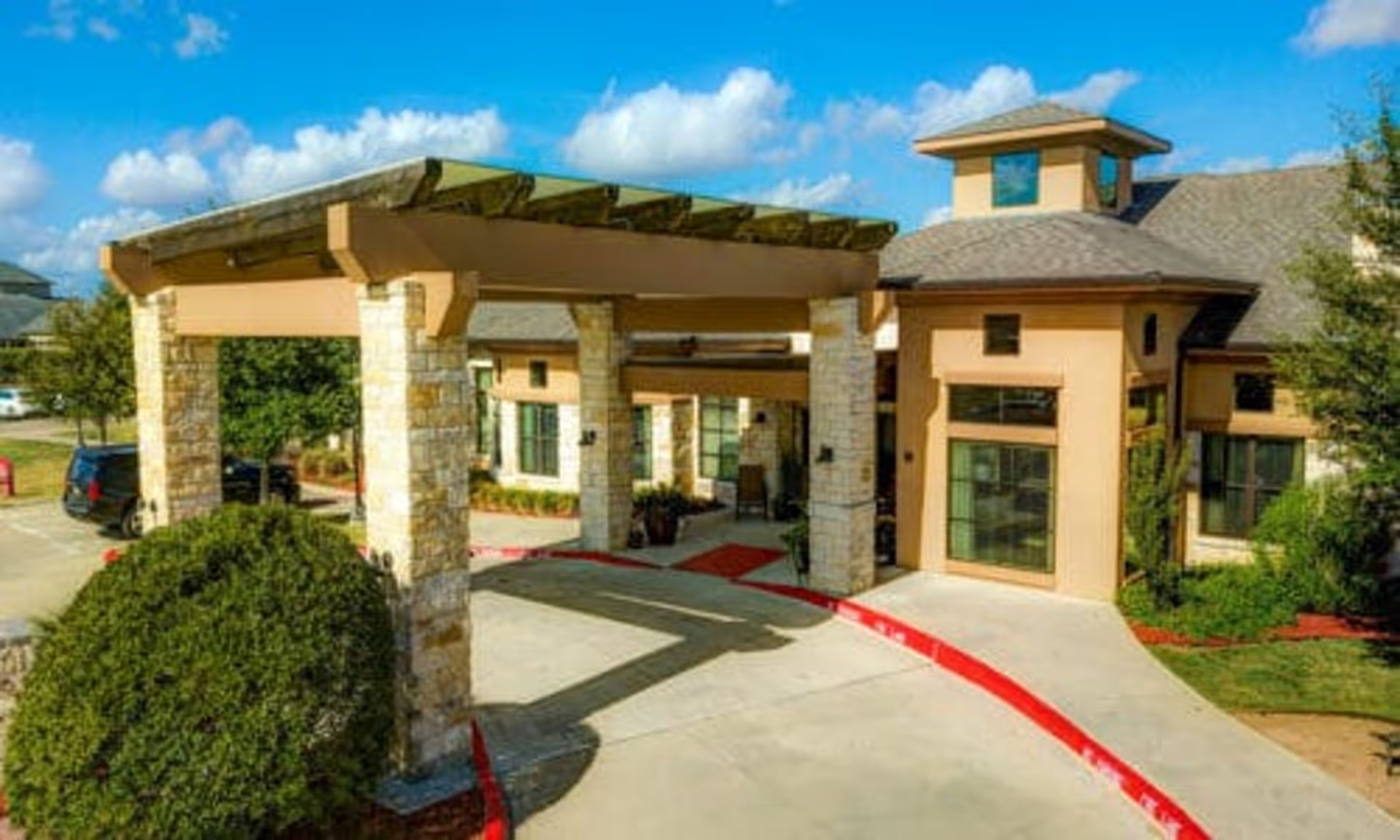
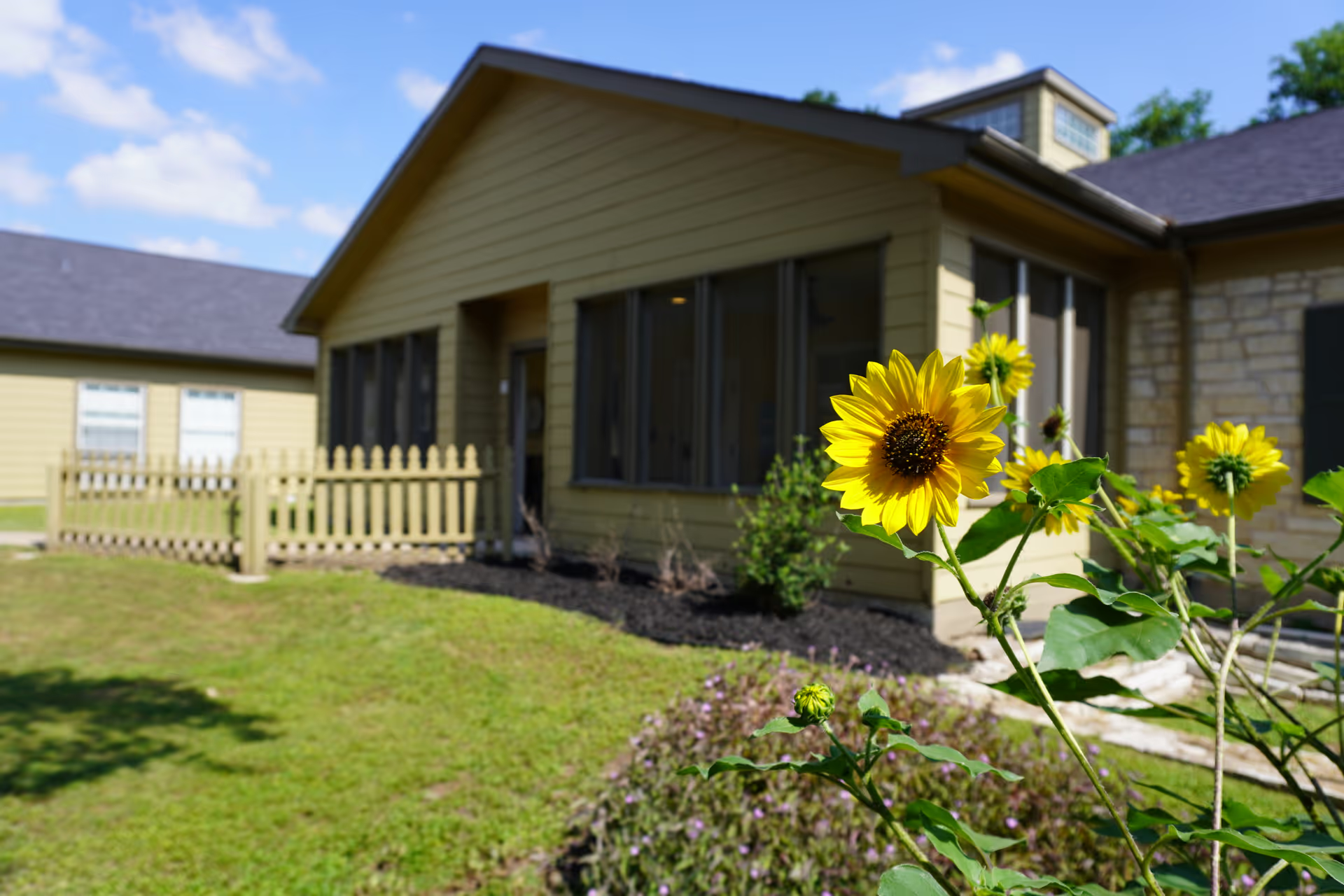
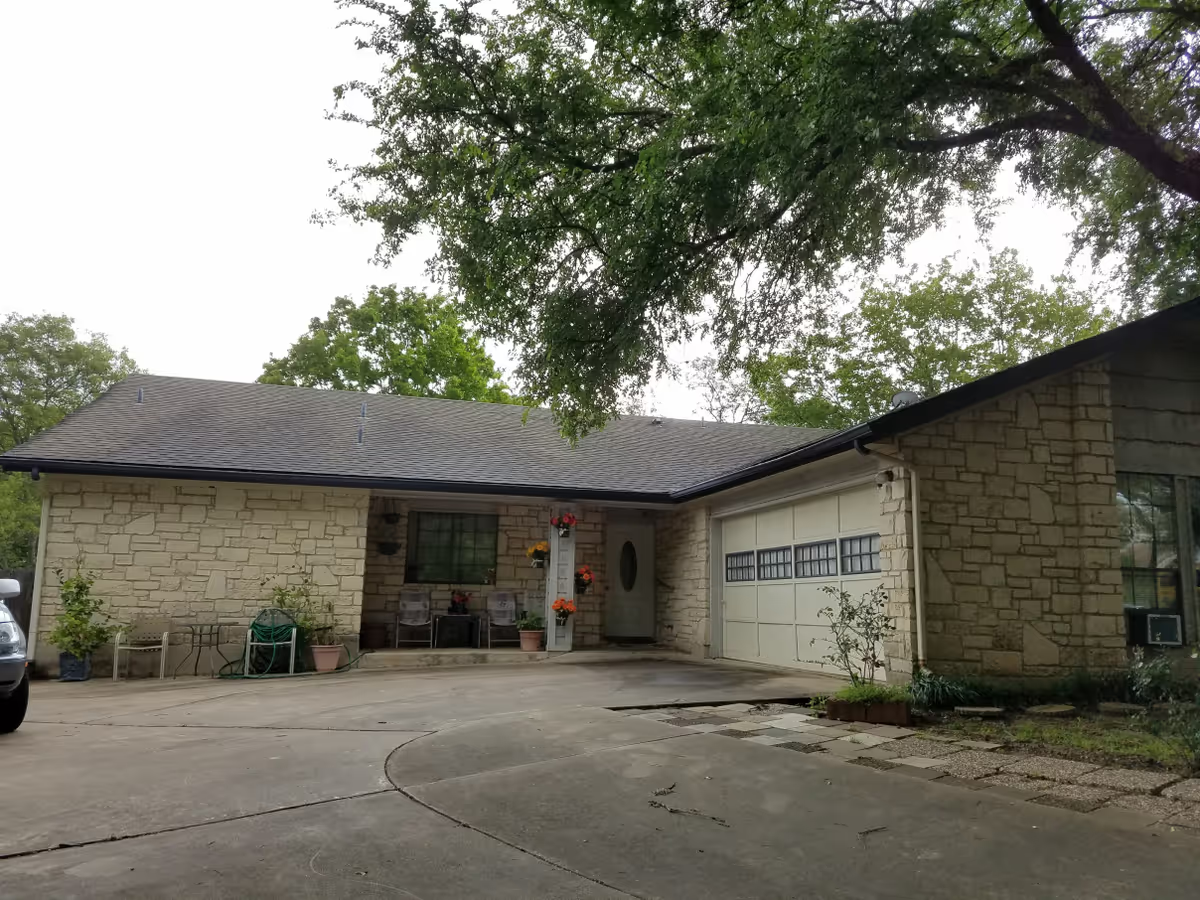
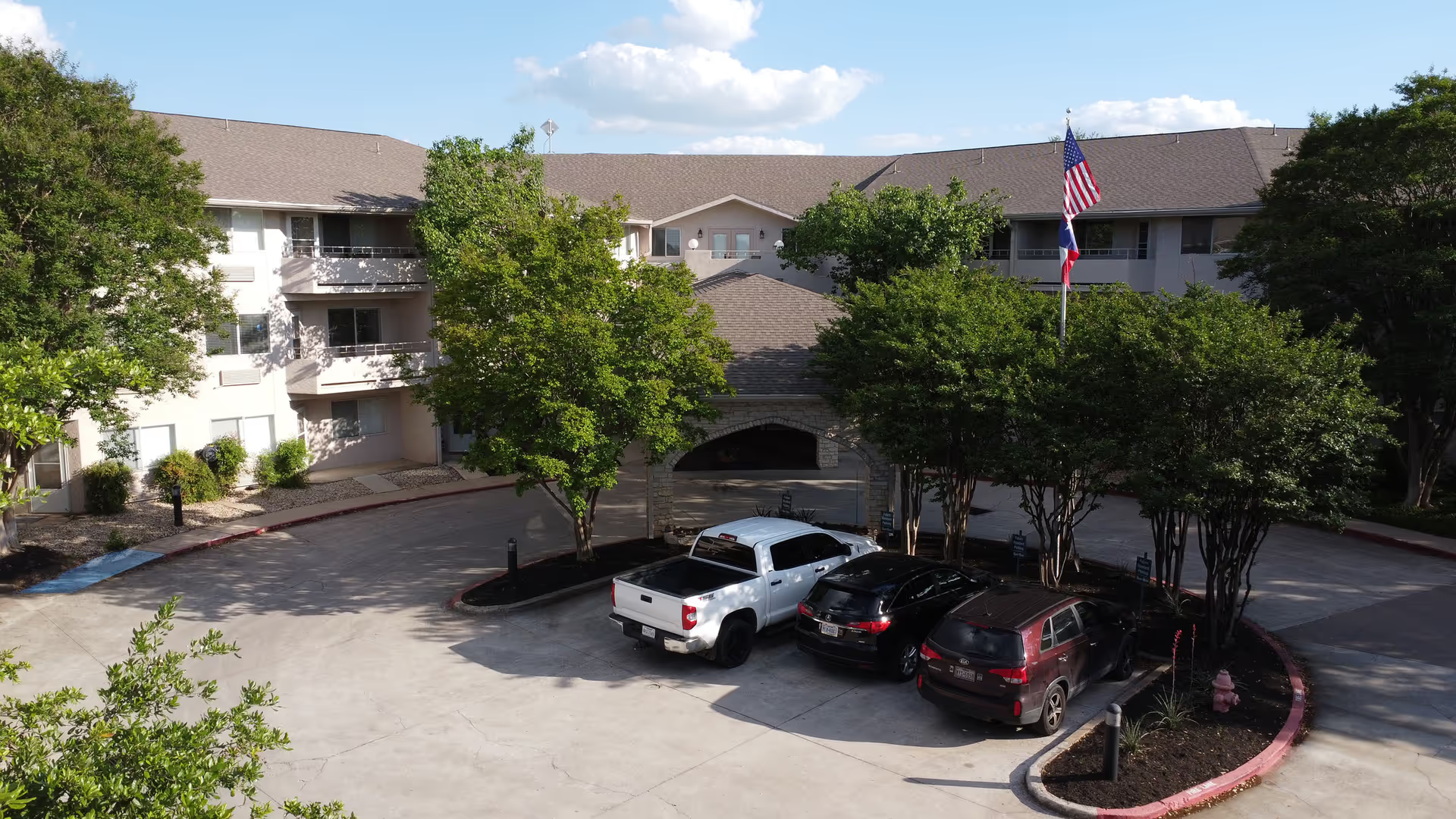
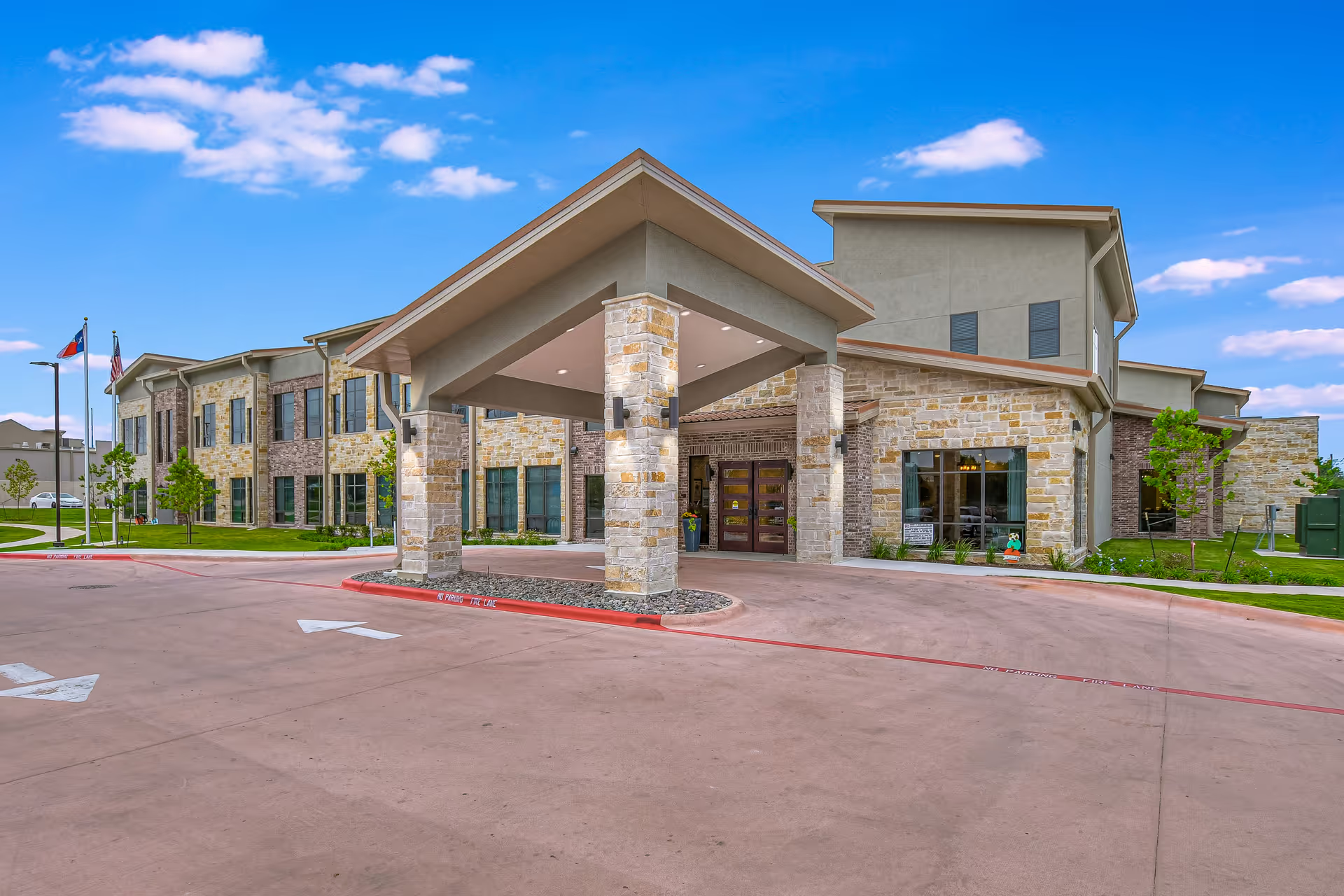
Overall impression: The Watermark at Southpark Meadows presents as a modern, well-equipped assisted living and memory-care community with strong life-enrichment programming and a generally warm, social atmosphere. Many descriptions emphasize a clean, well-appointed environment with resort-style touches, bright public spaces, and a wide array of amenities (theatre, salon, fitness area, courtyard). The location near retail and dining and the availability of a la carte services add practical convenience for residents and families.
Care and staff: Review content consistently highlights compassionate, attentive front-line staff and life-enrichment teams who create an engaging day-to-day environment for residents. Families and visitors frequently describe staff as friendly, patient, and personally engaged with residents; several named team members and move-in specialists received individual praise. Clinical coordination and hospice collaboration are noted positively in multiple accounts, and memory-care programs are described as dignified and respectful when placement is appropriate. However, there are recurring operational concerns: staffing levels appear inconsistent at times, which reviewers link to slower responses to call lights and care requests. There are also mentions of medication-management lapses and occasional concerns about the tone or responsiveness of specific staff or on-call management, suggesting variability in care consistency.
Dining and activities: Dining is often portrayed as a strength — restaurant-style presentation, nourishing menus, rotating choices, and accommodations for dietary needs — and many residents and families describe meals as tasty and well planned. A smaller number of accounts describe variable food quality or dissatisfaction, suggesting occasional inconsistency in meal execution. The activity program is a clear asset: robust daily programming, live music, outings, games, exercise, and frequent social events contribute to visible resident engagement and high morale.
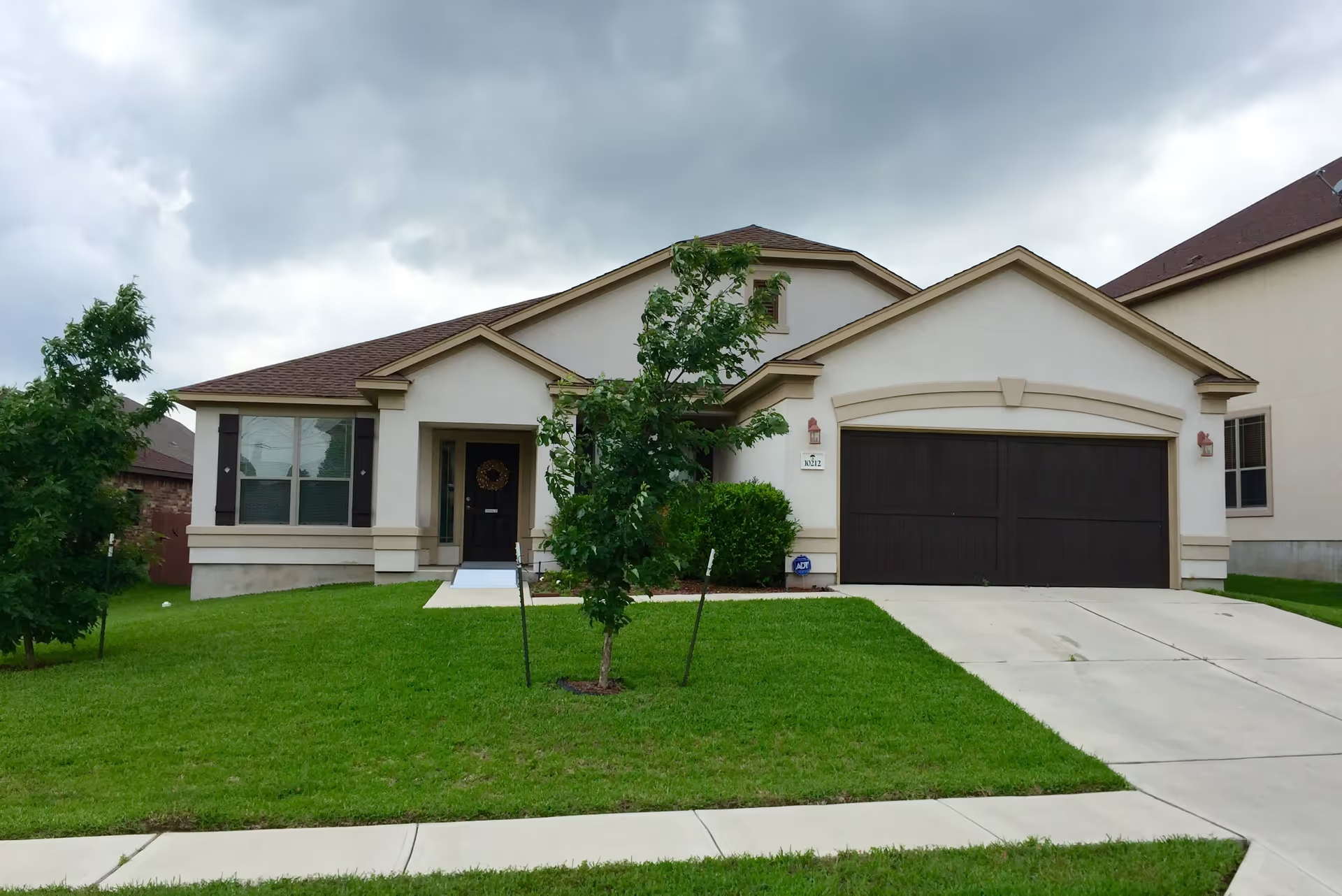
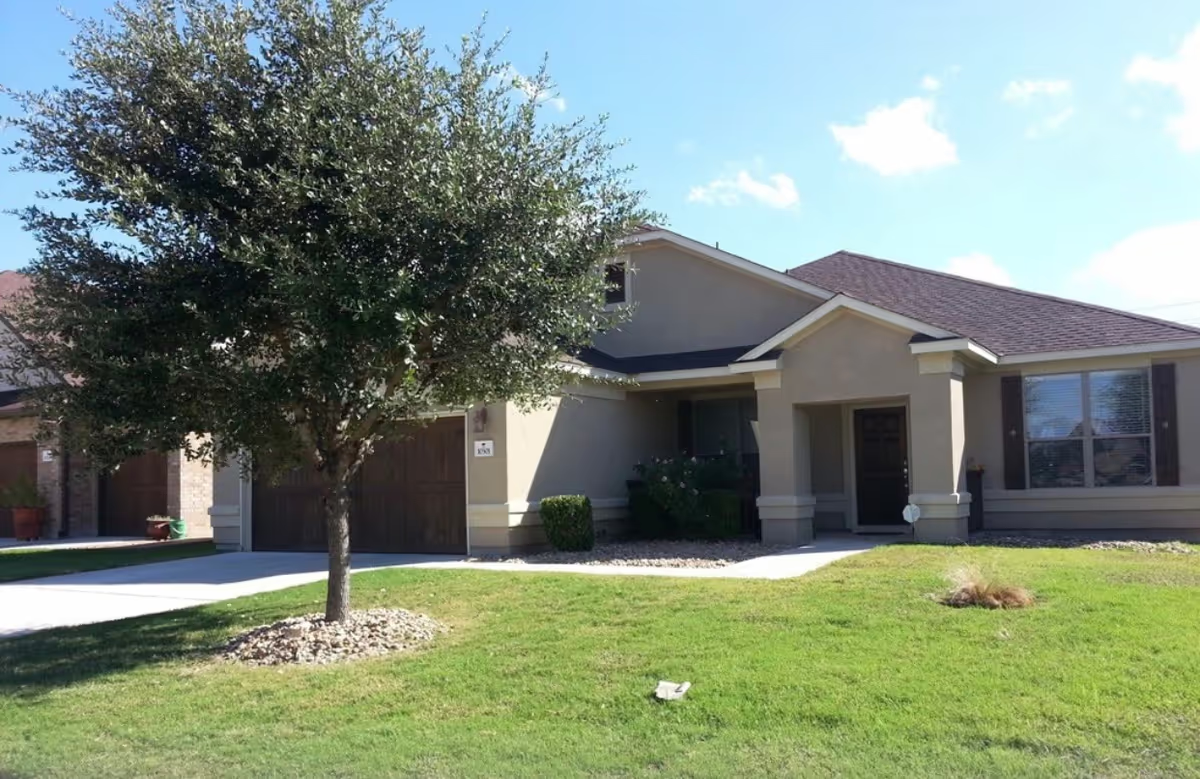
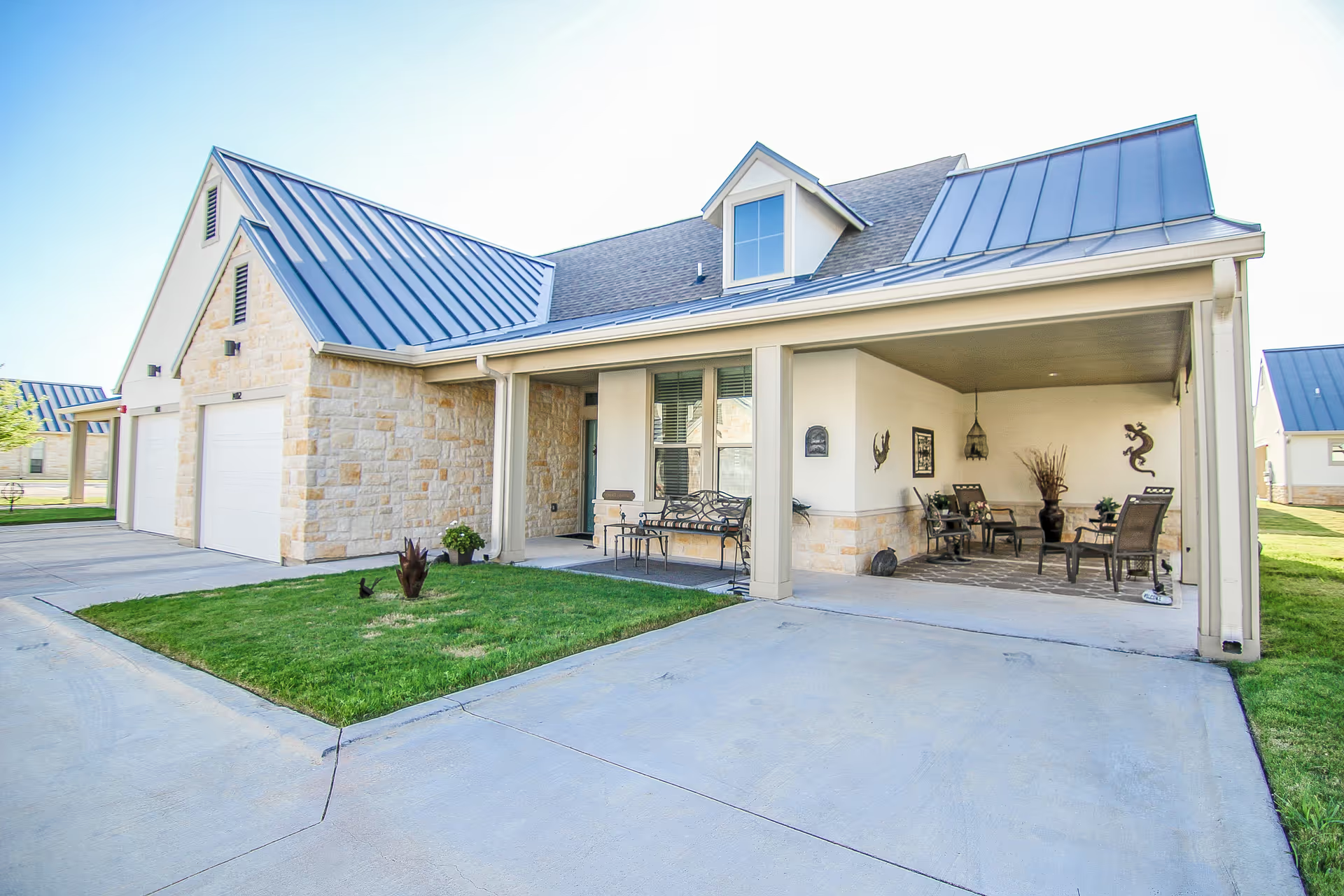
Facilities and operations: The building design, accessibility features, and maintenance receive strong positive comments: spacious hallways, wheelchair-accessible bathrooms, well-maintained grounds, and a luxury ambiance are repeated themes. Maintenance responsiveness and cleanliness of common areas are often praised, though there are isolated sanitation and housekeeping concerns noted (for example, inconsistent linen changes and housekeeping frequency in some units). A serious operational theme is management continuity: review content references leadership turnover and differences between prior and newer management approaches. Some critiques also point to lapses in security procedures and emergency response readiness, and there are mentions of temperature-control issues in individual rooms.
Management and notable patterns: The dominant pattern is a facility with strong frontline staff and programming complemented by high-quality amenities, but with periodic operational weaknesses linked to staffing, management continuity, and procedural consistency. Positive experiences tend to cluster around engaged staff, proactive sales/move-in support, and the activity/dining experience. Negative experiences tend to focus on inconsistent staffing coverage, delays in response, occasional clinical-process issues (medication and care-response timing), and variability in housekeeping and security practices.
Recommendation for prospective families: In-person visits are recommended to observe staff–resident interactions and daily programming. Ask specific questions about current staffing ratios by shift, turnover rates for leadership and clinical staff, medication-administration safeguards, emergency and perimeter-security protocols, housekeeping frequency and incontinence-care processes, and historical trends in dining quality. Clarify contract terms related to fee increases and what clinical acuity the community is equipped to manage long term, especially for memory-care placements. Those priorities will help assess whether the facility’s strong programming and environment align with an individual resident’s clinical and safety needs.