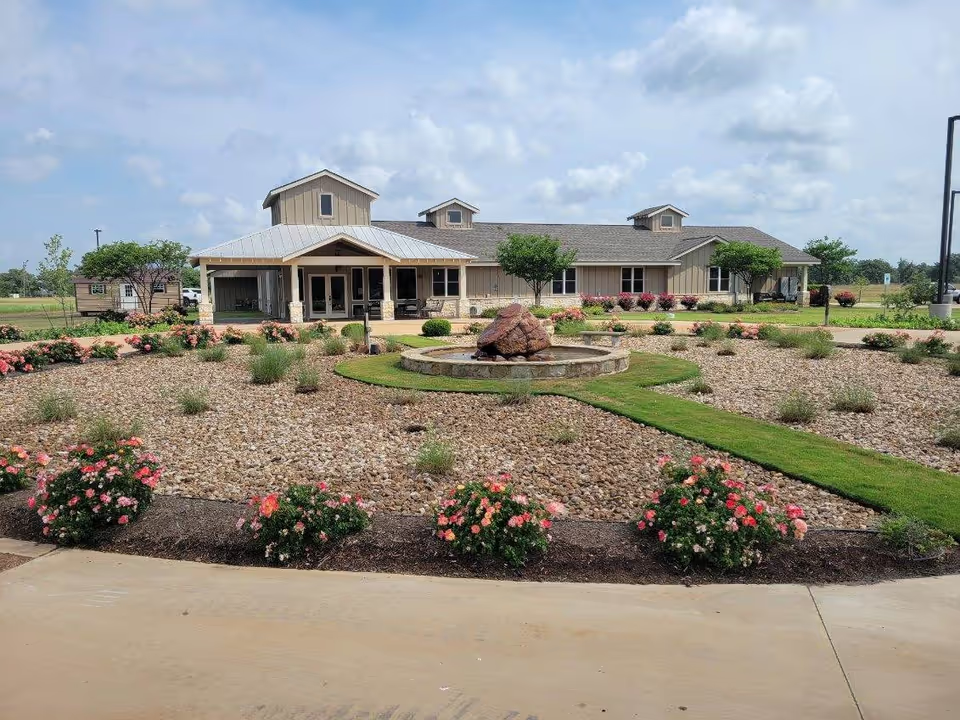
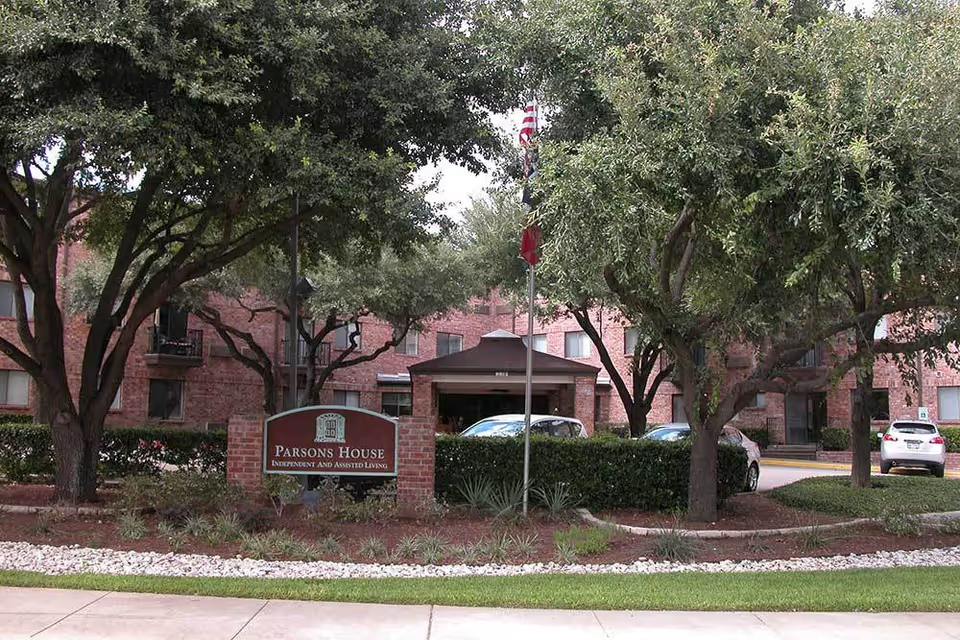
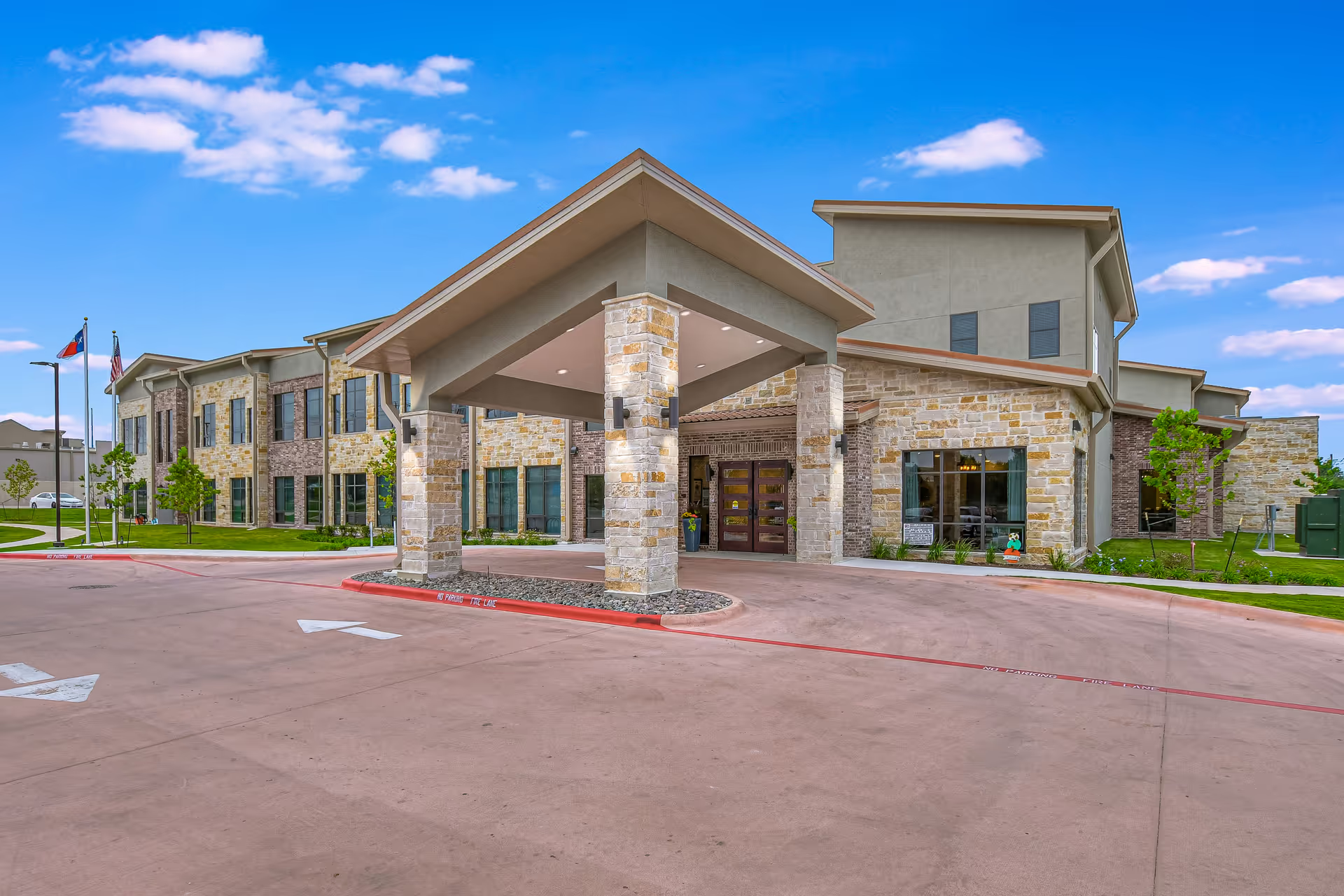
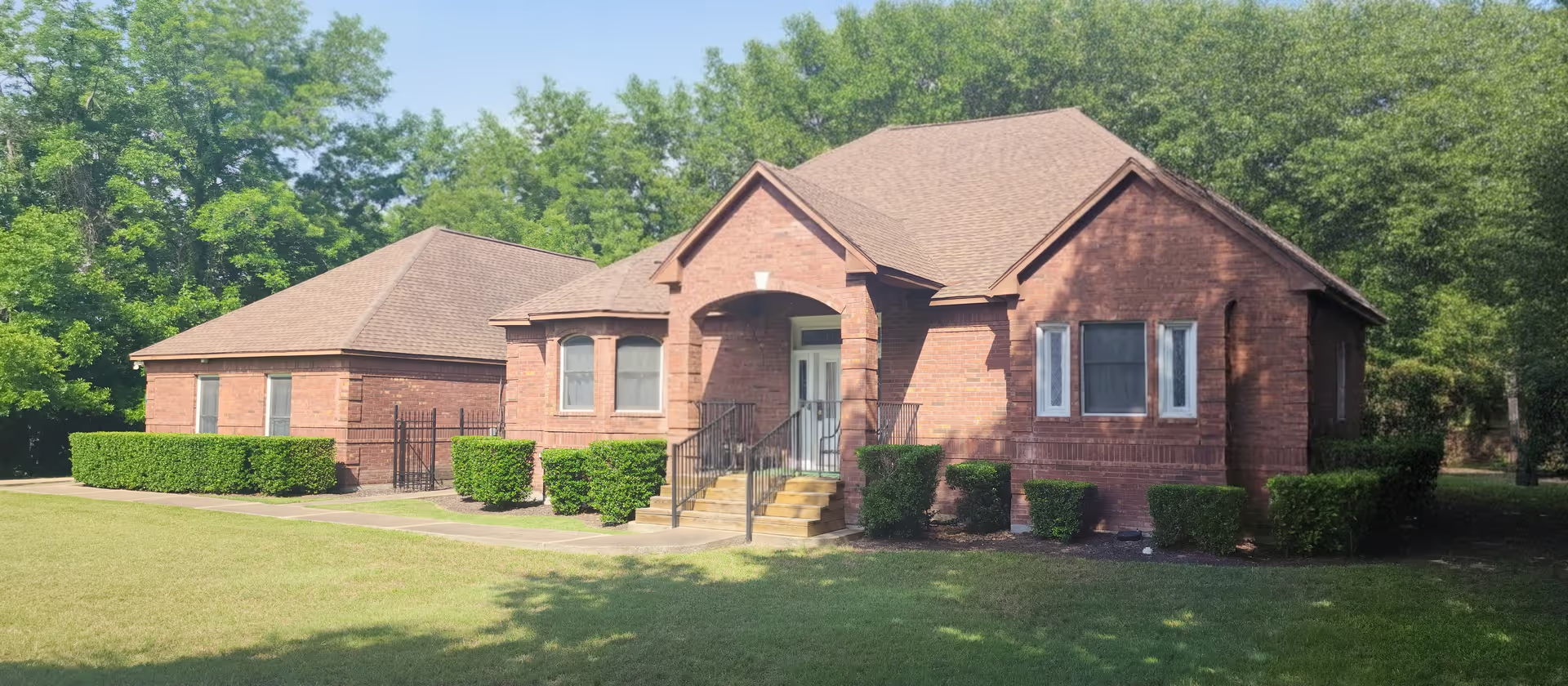
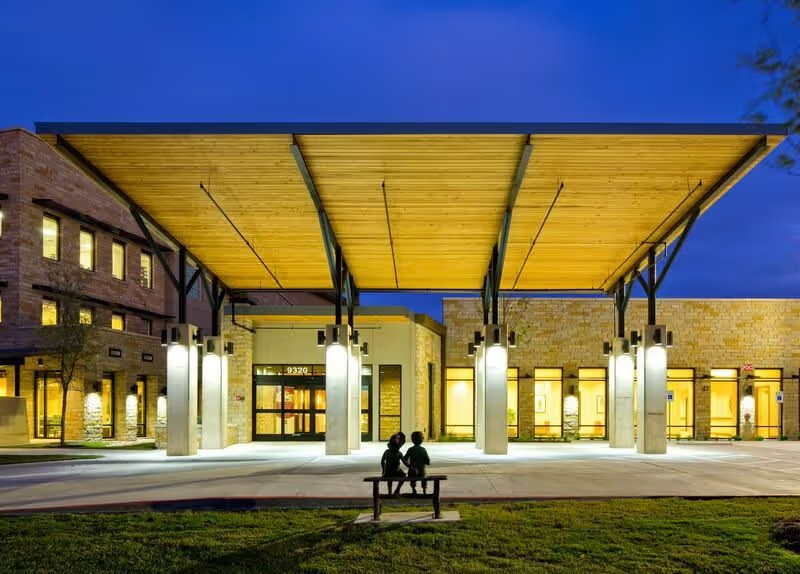
Silver Pines Nursing and Rehabilitation Center elicits strong, polarized impressions. Many caregivers, CNAs, therapists and administrators receive high praise for compassionate day-to-day care, personalized attention, and a home-like environment. Reviewers frequently cite administrators who are involved and communicative, creative and active activity leadership, and therapy/rehabilitation services that support good functional outcomes. The facility is also noted for fall-prevention practices, predictable nighttime medication timing for sleep, respite-care availability and a VA option, all of which contribute to family confidence for a large number of residents.
Care quality and staff interaction are the most consistently positive elements. Multiple comments emphasize staff familiarity with residents (names, preferences), respectful interpersonal treatment, and activities that promote social engagement and routine. Several accounts identify specific CNAs and admins by name for going beyond routine duties, and long-term residents describe the environment as comfortable and stable. Rehabilitation and therapy services receive favorable mentions for restoring or maintaining function.
At the same time, the facility shows recurring operational weaknesses. Communication with families and internal notification processes are uneven — examples include difficulty reaching nursing staff, failures in timely family updates, and concerns about notification after critical events. Medication administration and clinical follow-up are described as inconsistent in some shifts; reviewers contrast strong morning coverage with weaker afternoon/evening responsiveness. Logistics issues appear as recurring themes as well: lost or mishandled personal belongings, room moves without clear advance notice, and roommate-management gaps.
Facility-level infrastructure and environment are mostly described as clean and homelike, but intermittent sanitation and localized odor concerns are noted on some wings. In-room communication capacity (phone access, reliable direct contact with the nursing station) is identified as limited, complicating family outreach. Infection-control periods have at times produced restrictive visitation that families found difficult to navigate. Finally, while many reviews are very positive about staff conduct, there are serious and specific allegations concerning staff behavior and discriminatory treatment; there are also concerns following a resident's death about notification and family communication.
For prospective residents and families: strengths to expect include a caring frontline staff, engaged activity programming, and capable rehabilitation services. Areas to probe during a tour or intake conversation include the facility's protocols for family communication and end-of-life notification, shift staffing patterns and clinical oversight, medication-administration checks, belongings/laundry safeguards, room-assignment policies, and availability of in-room communication. Asking for recent survey or grievance summaries, and for specifics about how the facility addresses allegations of staff misconduct, will help create a more complete picture of operational performance alongside the consistently praised elements of care.