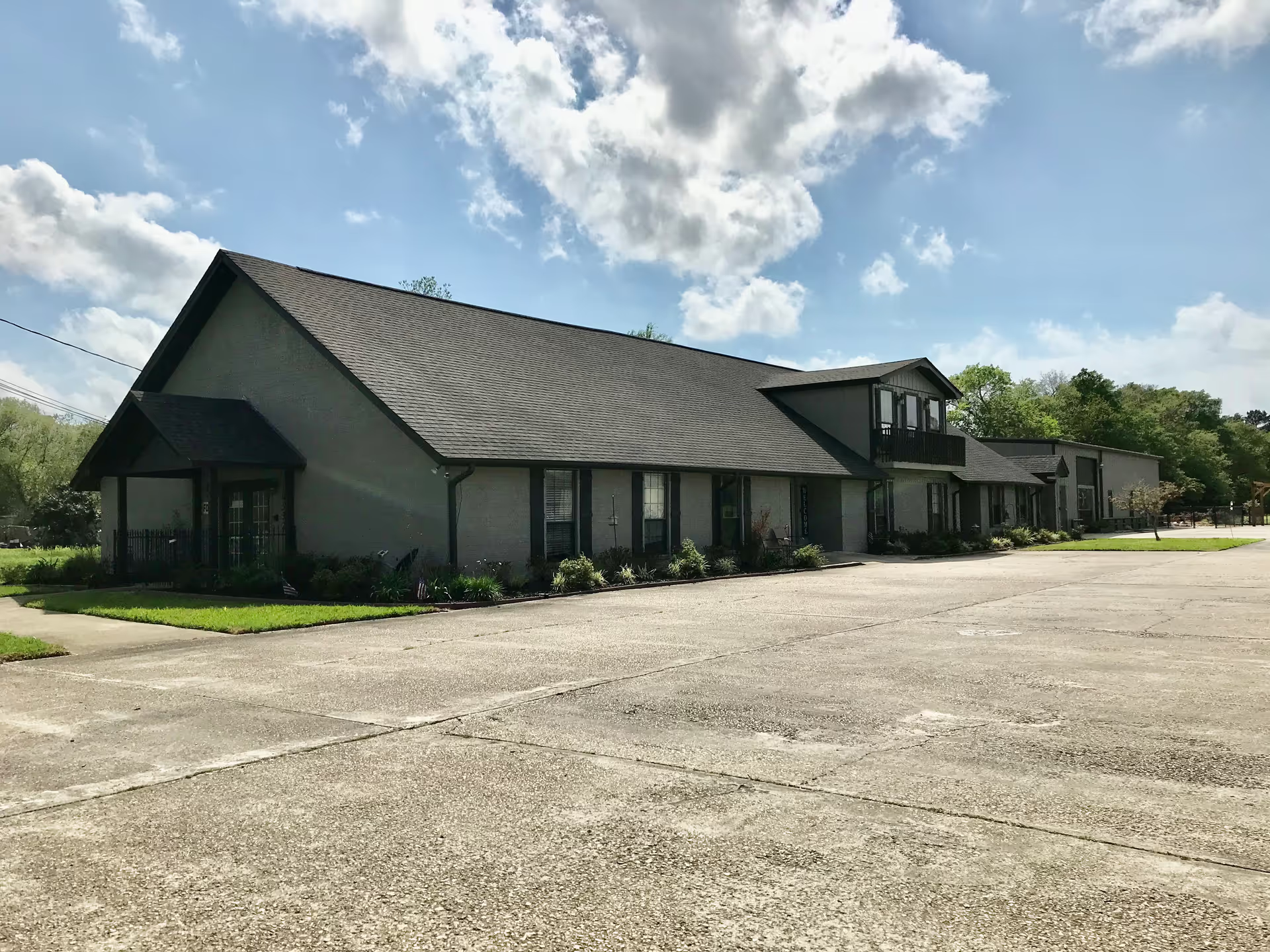
The reviews depict Oakridge Assisted Living Home as a small, family-oriented facility that emphasizes personalized attention and a home-like environment. Reviewers consistently highlight warm interpersonal interactions, a clean and well-maintained interior, and ready accommodation for family visits and outings. The setting is described as intimate and non-institutional, which appears to support close staff–resident relationships and routine, day-to-day comfort for residents.
Care quality and staffing come across as strengths in these summaries. Caregivers are characterized as attentive, kind, and personable; management — identified by name in some comments — is described as responsive and proactive in communicating about medical care and prescriptions. Clinical practices cited include medication management and periodic provider (NP) checks, suggesting routine clinical oversight appropriate for an assisted-living level of care. Companionship among residents and staff is noted repeatedly, which supports social and emotional well-being.
Dining and activities are described positively. Meals are portrayed as home-cooked and non-institutional, with a daily dessert noted as a distinctive detail. Activities emphasize social engagement through games, crafts, television, and facilitated outings; these appear to be casual and resident-focused rather than highly structured therapeutic programs. Family-visit arrangements (a fenced patio or a private room) are mentioned as comfortable options for visitors.
Facility features and management practices align with the small, family-like character: a focus on cleanliness, personalized attention, and responsive communication. That same small scale, however, is a double-edged pattern in the reviews — it supports individualized care but implies operational limits. There is limited commentary about on-site specialized medical services, formal rehabilitation programs, or structured clinical programming; prospective residents with higher-acuity clinical needs should confirm available services and transfer plans. Additionally, smaller staffing models typical of family-style homes can pose coverage constraints during high-acuity periods, so families should ask about contingency staffing and after-hours clinical access during touring and intake.
Overall, Oakridge projects a consistently positive reputation for compassionate, home-like assisted living with strong day-to-day caregiving, pleasant meals, and an active, social atmosphere. The primary considerations for prospective residents are the facility’s small scale and the associated limits on specialized clinical services and intensive rehabilitation programming; these operational traits should be clarified relative to an individual’s care needs before admission.