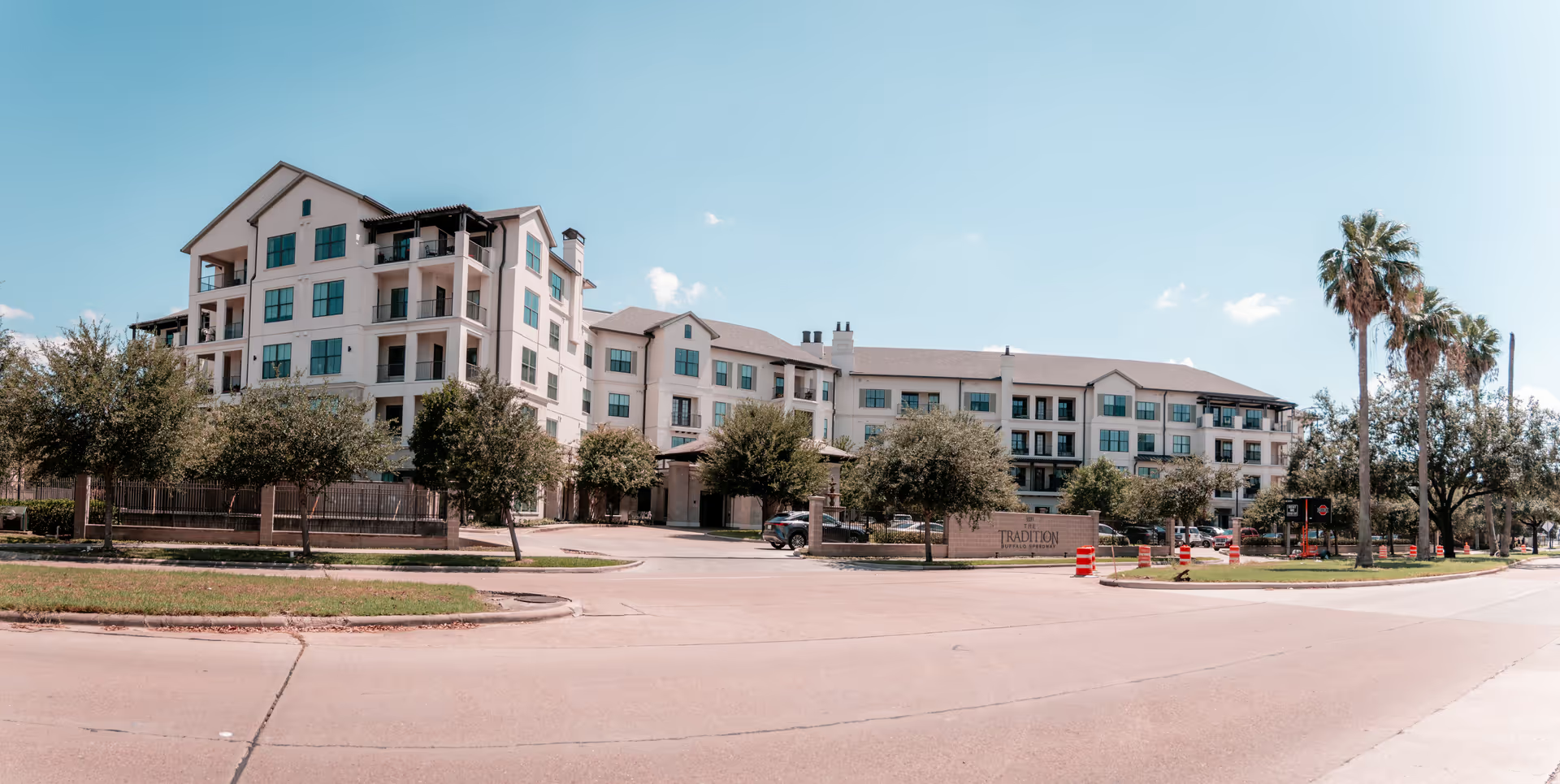
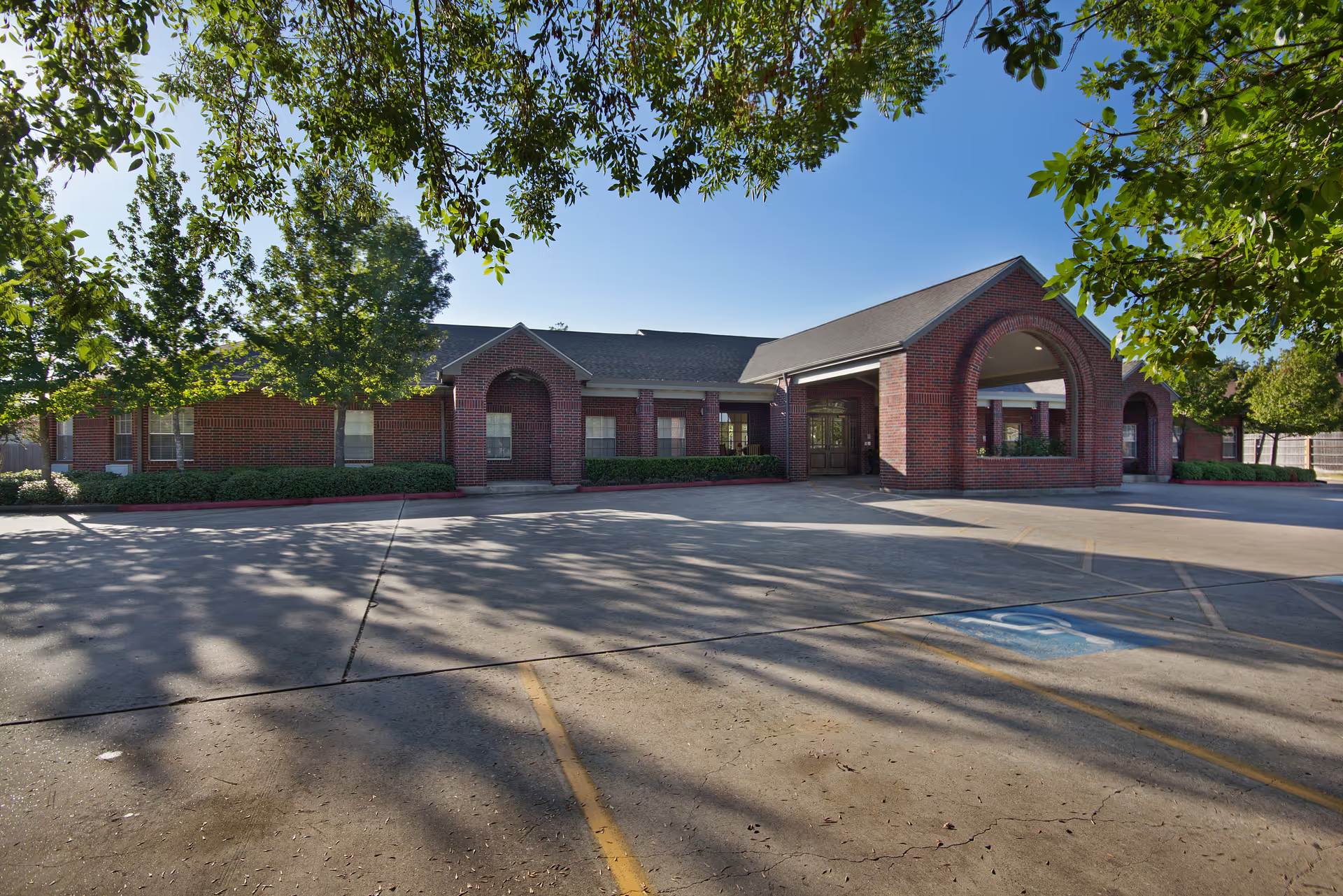
Overall impression The Gardens of Bellaire presents as a community with a strong caregiving culture and a visible emphasis on resident quality of life. Many families and residents describe compassionate, long‑tenured clinical and caregiving staff, proactive communication, and a coordinated approach to medical issues and transitions. The campus offers a full continuum of care—independent living through skilled nursing—with on‑site therapy services, a secured memory‑care unit, and a range of social and rehabilitation programming that several reviewers credited with improving mobility and day‑to‑day engagement.
Care and staff Care strengths center on individualized, empathetic interactions and clinical competence. Reviewers repeatedly highlighted specific staff who went beyond routine duties to support residents and families, and several accounts describe effective handling of medical events and successful therapy outcomes. At the same time, there is clear variability in operational consistency: families reported delayed responses to requests, occasional lapses in follow‑through, and staffing churn that affected continuity for some residents. Serious concerns were raised about medication‑administration processes in isolated instances; prospective families should ask about current medication‑safety protocols, staffing ratios, and emergency response times during a tour.
Dining, laundry and environmental services Dining experiences are mixed. Some residents and families praise the food quality and menu customization for special diets, while others describe bland or canned meals and an overall inconsistency in meal preparation and presentation. Several comments also point to a fast pace in the dining room that can feel rushed for some diners. Domestic services show similar variability: positive notes about cleanliness and well‑kept public areas coexist with sanitation and kitchen‑area concerns, worn dining ware, laundry issues (musty or shrunken clothing), and pest‑control concerns in certain areas. Those operational areas—kitchen cleanliness, laundry handling, and housekeeping follow‑up—are tangible operational levers the community needs to address to align experience with higher‑end pricing.
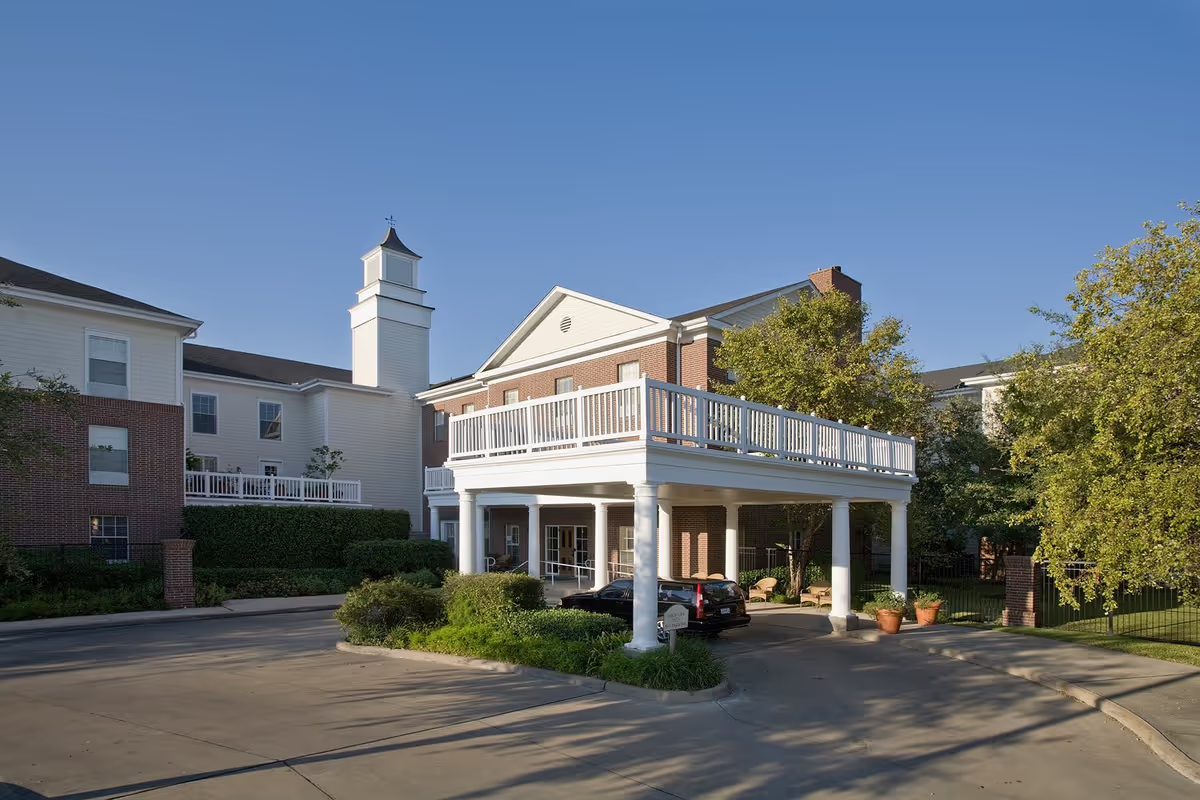
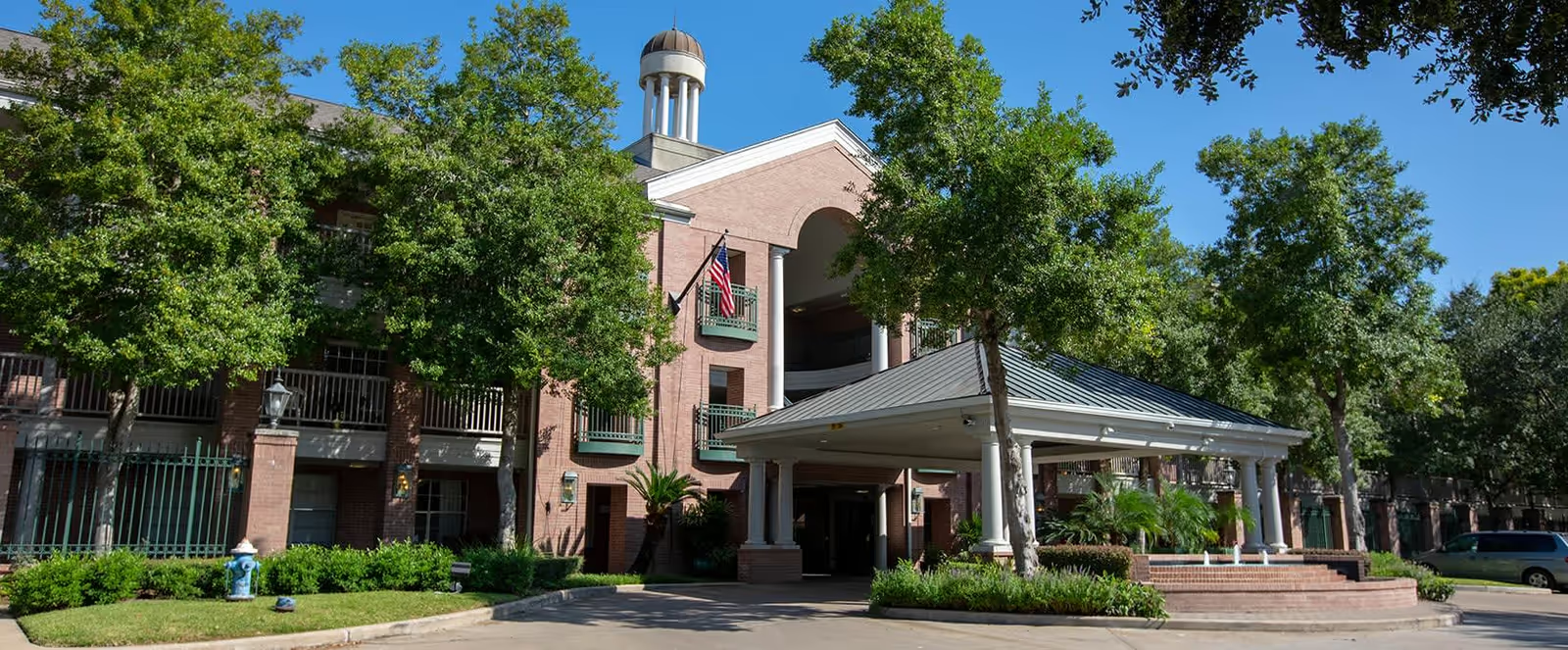
Activities and facility features Physical spaces and programming are frequently praised. Apartments are described as updated, light‑filled, and modern in design; outdoor patios, gardens, and walking paths receive consistent positive mention. The memory‑care common areas and secured access are appreciated by families seeking safety alongside engagement. Activity offerings—from bingo and chair exercise to outings and holiday programming—are broadly available, although entertainment quality and frequency are occasionally described as uneven. Unit sizes tend to be modest, and many units lack in‑room kitchen facilities beyond a small fridge and microwave, which is important for prospective residents to note.
Management, communication and cost Management impressions are mixed. Numerous reviewers commend managers and social staff for empathetic, timely communication and assistance with transitions; particular staff members received repeated commendations for responsiveness and support. Conversely, other families described inconsistent administrative follow‑up, difficulty reaching social or administrative staff, and concerns about transparency around pricing and what services are included in base fees. The community positions itself at an upper‑end price point, and several reviewers questioned value alignment given the operational inconsistencies they experienced.
Notable patterns and guidance for prospective families The dominant strength of The Gardens of Bellaire is its caregiving culture and community atmosphere—many residents appear socially engaged and well cared for, and clinical and therapy services are robust. The recurrent operational weaknesses to probe during a tour are: dining consistency and kitchen sanitation practices, medication‑administration safeguards, laundry handling and pest‑control measures, staffing stability and response times, and clear documentation of costs and what levels of care are included. Ask to sample a meal, review medication‑safety policies, inspect kitchen and laundry procedures, confirm staffing levels for the unit of interest, and request recent inspection or quality reports. Doing so will help families weigh the community’s evident strengths in person‑centered care against the operational areas that have produced mixed experiences.