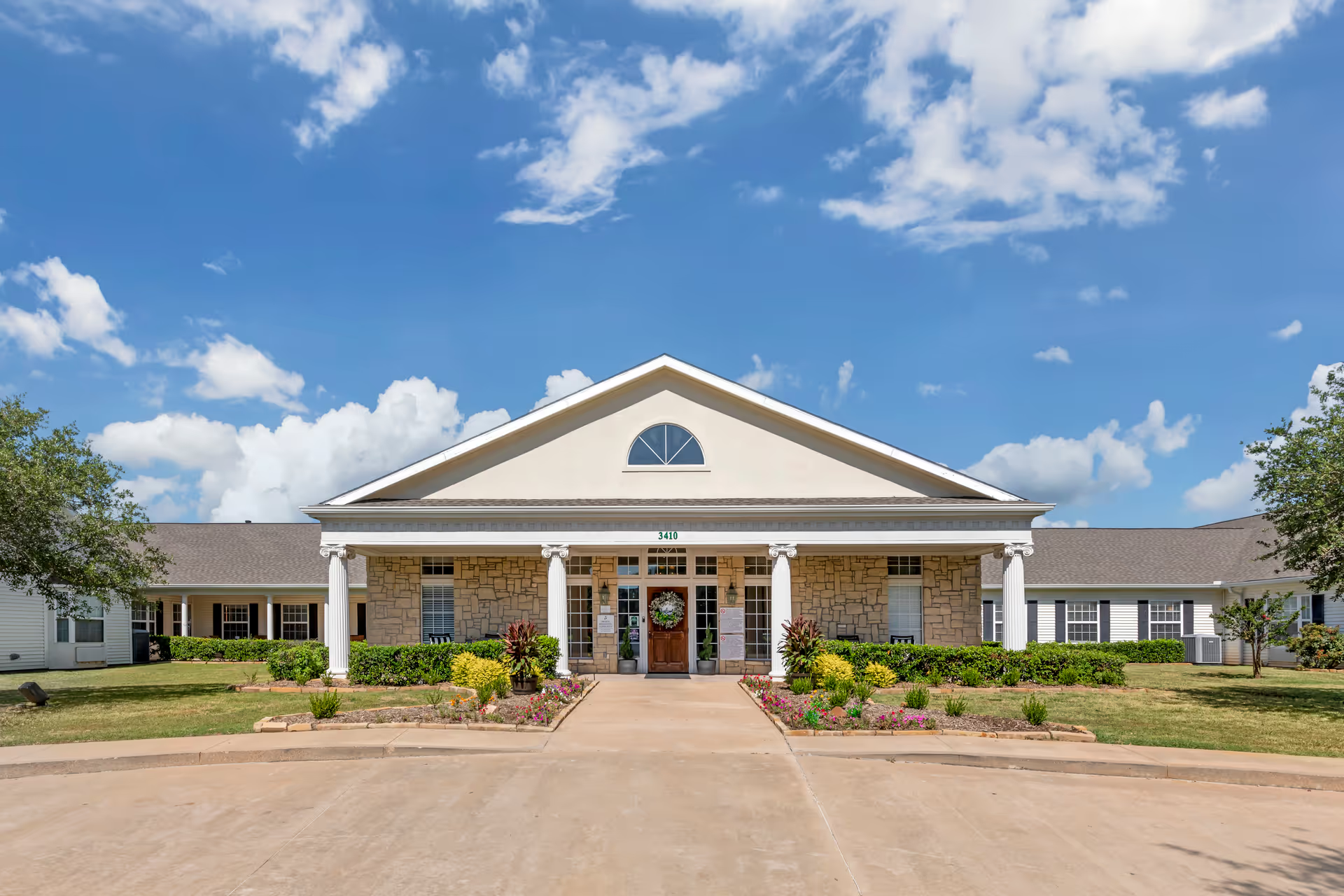
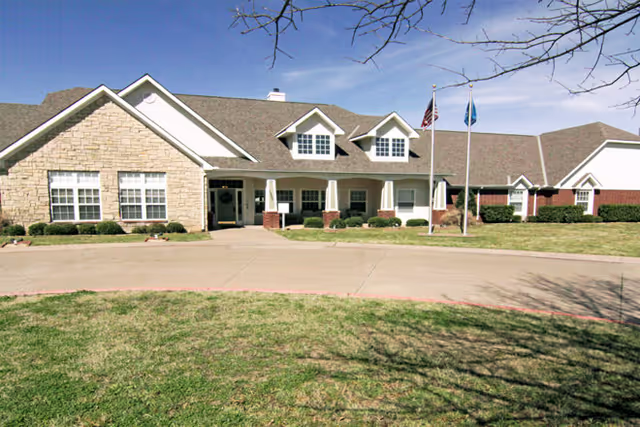
Seven Oaks Nursing & Rehabilitation elicits strongly mixed impressions. Many families and residents praise the interpersonal aspects of care: staff are frequently described as warm, compassionate, and resident-focused, with long-tenured employees contributing to continuity. Nursing and certified caregiver teams receive numerous positive mentions for day-to-day attention, and several reviewers single out individual staff and leadership figures (including a new director of nursing) as contributing to improved experiences. The therapy department and rehabilitation services are commonly characterized as robust, and the facility's activity program—church services, music groups, and a broad social calendar—appears to be an asset that supports resident engagement.
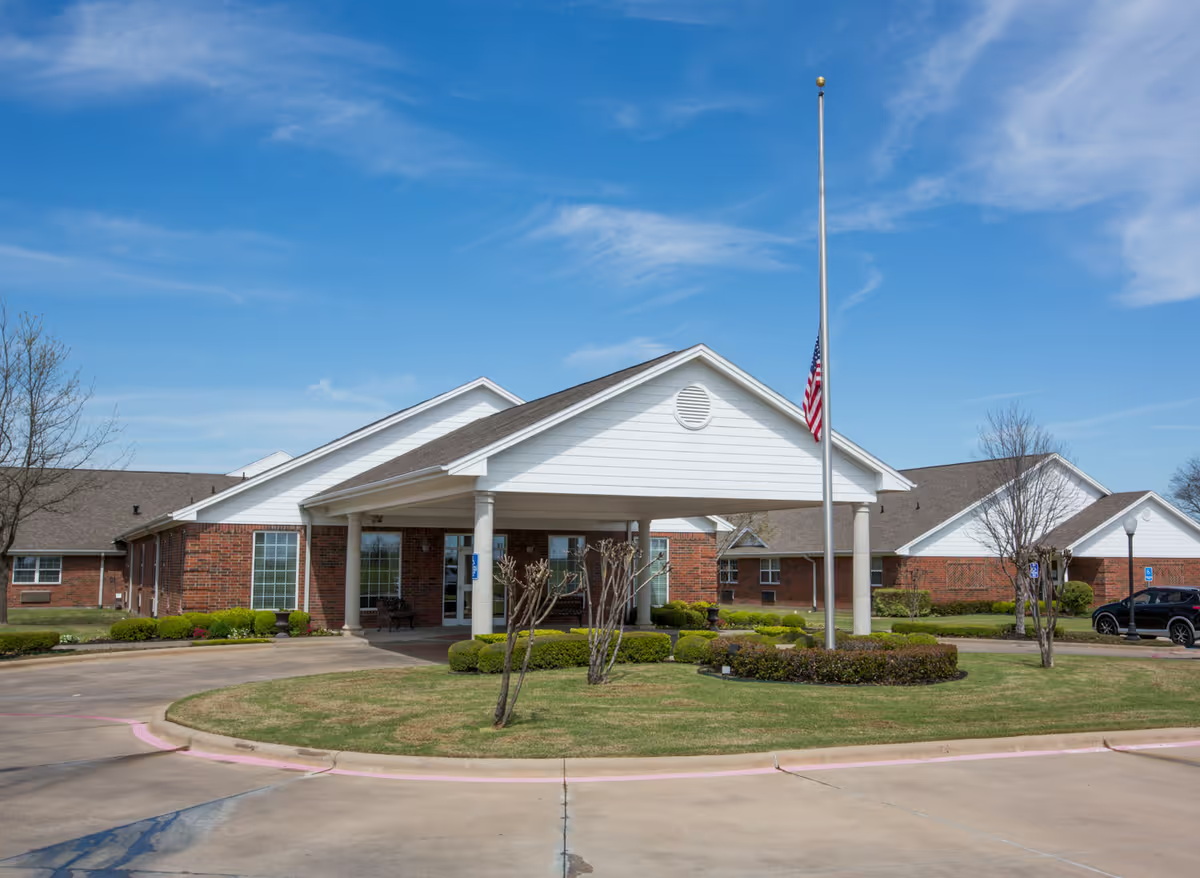
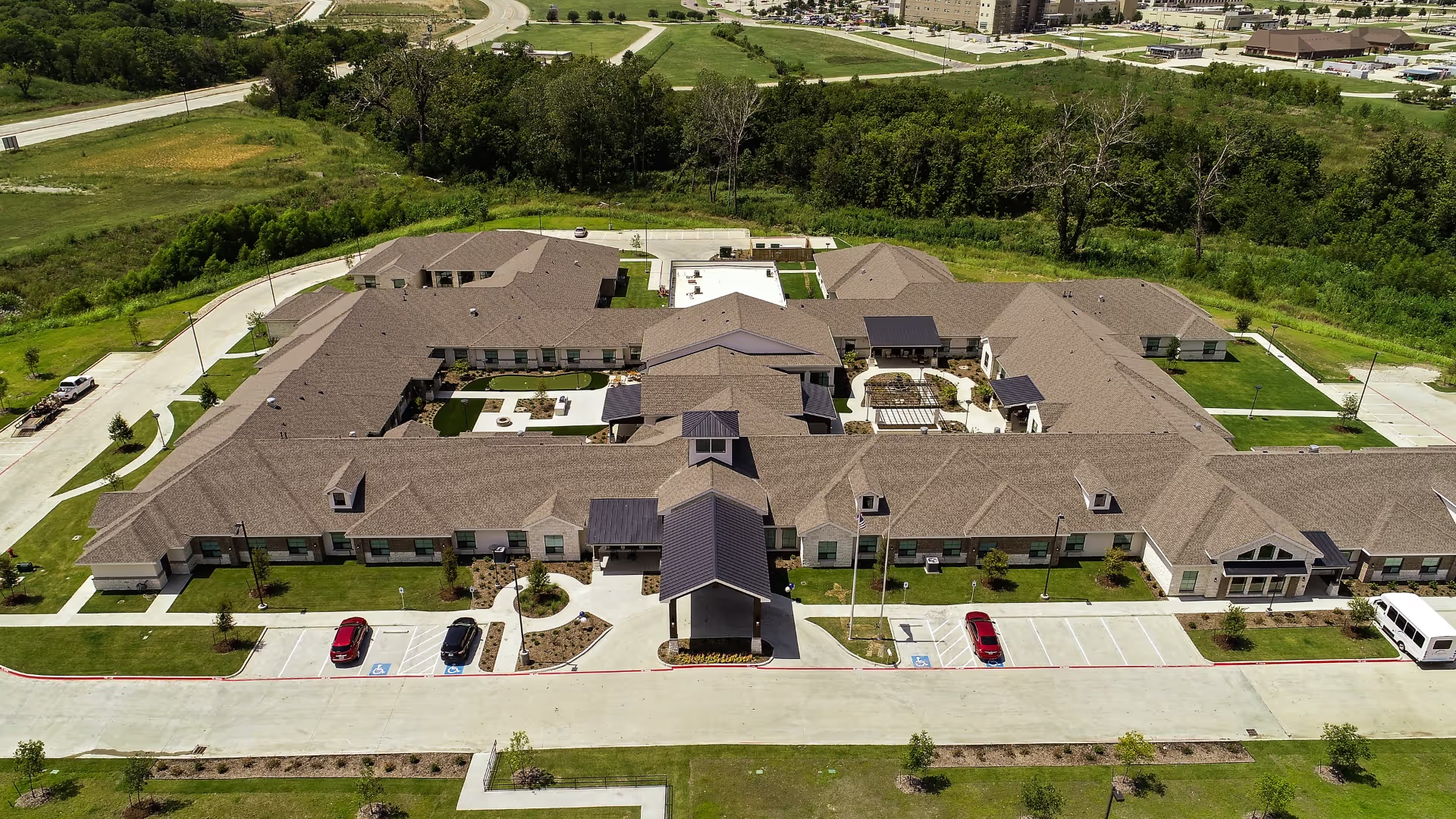
Dining and communal life are strengths in many accounts. A number of reviewers describe restaurant-style meals, varied menus, and appealing appetizers; the dining room experience and hospitality are often highlighted. The facility has recently undergone remodeling and investment in the building, producing a modernized appearance and updated amenities that many families and residents appreciate. Common areas are generally described as clean and welcoming, and admissions and move-in assistance are reported to be supportive and smooth in many cases.
Alongside praise, reviewers raise operational and clinical concerns that prospective families should evaluate. Several narratives indicate inconsistencies in medication administration and clinical oversight, with some families expressing worry about sedation or medication management. Equipment maintenance and safety oversight gaps are another theme—examples cited include nonfunctional respiratory equipment and bed-safety issues—suggesting the need to confirm preventive maintenance and safety-check protocols. Sanitation concerns in individual resident rooms and lapses in dietary-accommodation processes (for example, meal consistency with prescribed textures) were noted and contrast with other accounts of clean, well-run dining and facilities.
Other recurring operational themes include variability in leadership responsiveness and staff coverage. Some families report slow administrative follow-up or dismissive communication, while others describe strong, engaged leadership; this suggests leadership and communication consistency may be in transition. Additional practical concerns include weaknesses in laundry and personal-item management, gaps in pet-control or visitor-safety policies, and inconsistent therapy intensity relative to family expectations. A few reviewers raise serious allegations regarding medication handling and loss of personal items; those assertions warrant direct inquiry and, where appropriate, review of documentation and incident-handling policies.
In summary, Seven Oaks displays clear strengths in staff warmth, therapy offerings, activities, and an improved physical environment. However, there are notable operational risk areas—medication oversight, equipment maintenance, dietary accommodations, administrative responsiveness, and personal-item management—that appear unevenly addressed. Families considering placement should balance the facility's social and rehabilitative strengths with a careful review of clinical safeguards: ask for copies of medication administration protocols, preventive maintenance schedules, dietary accommodation procedures, incident/complaint escalation processes, and how the facility partners with outside providers (including hospice). Visiting in person and discussing specific concerns with nursing leadership will help determine whether current practices align with the level of clinical oversight and communication a prospective resident requires.