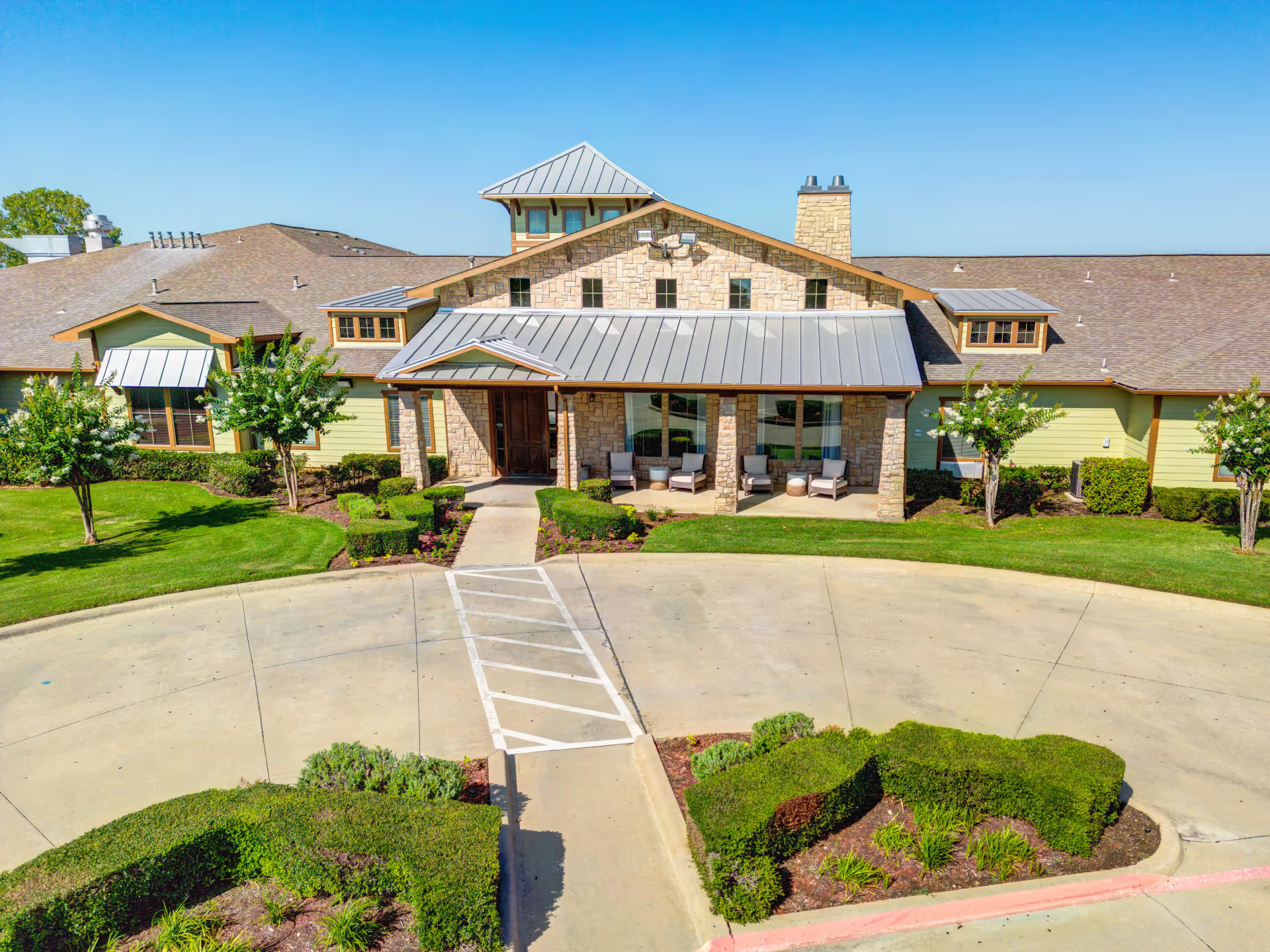
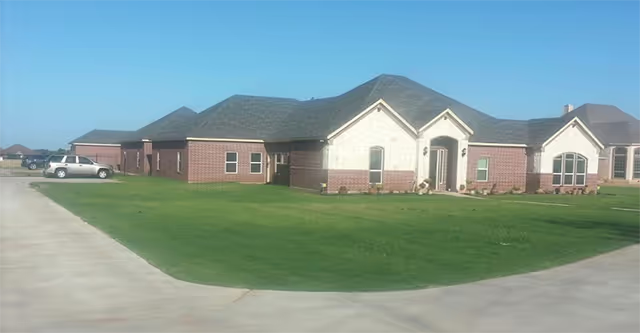
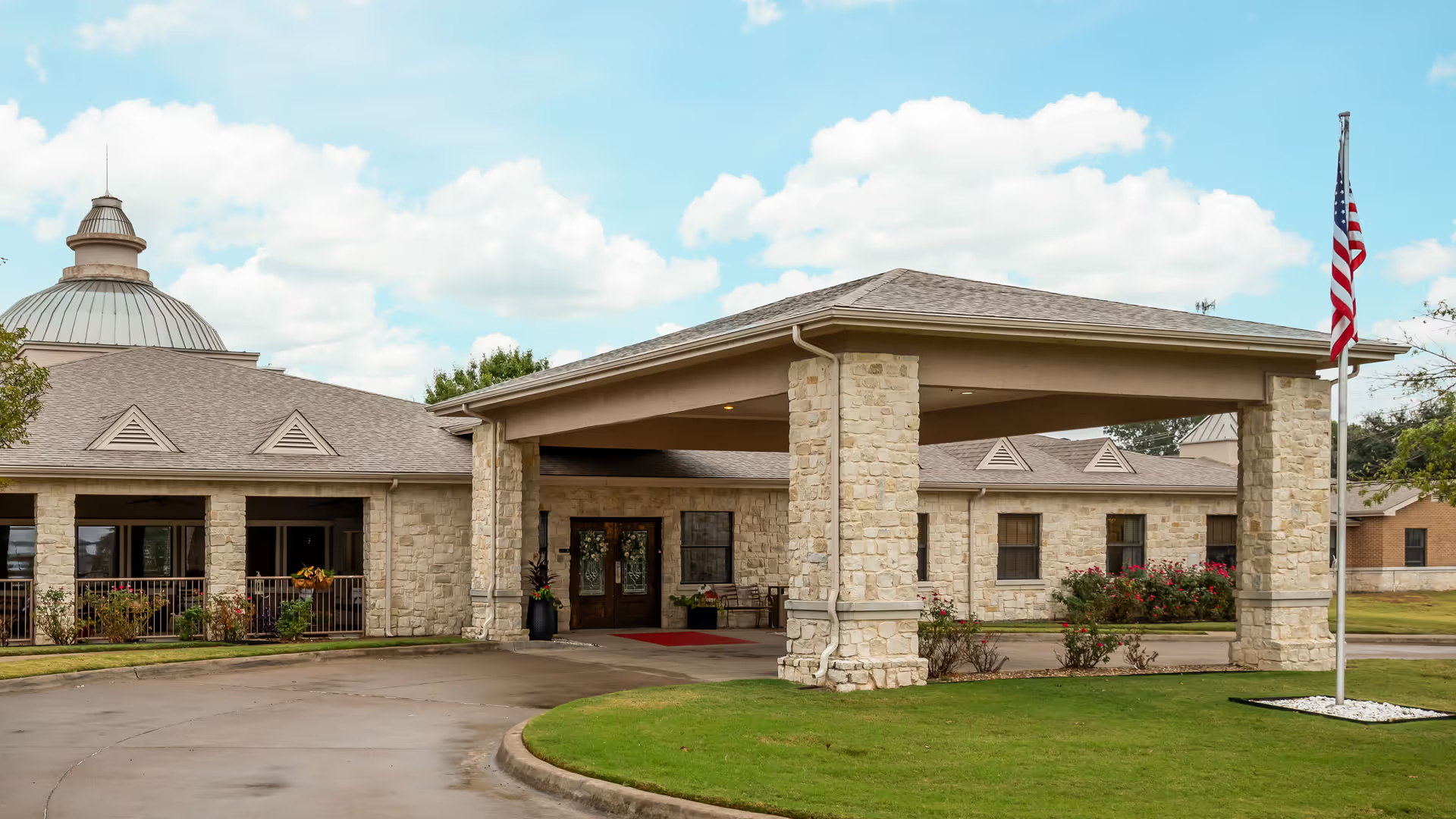
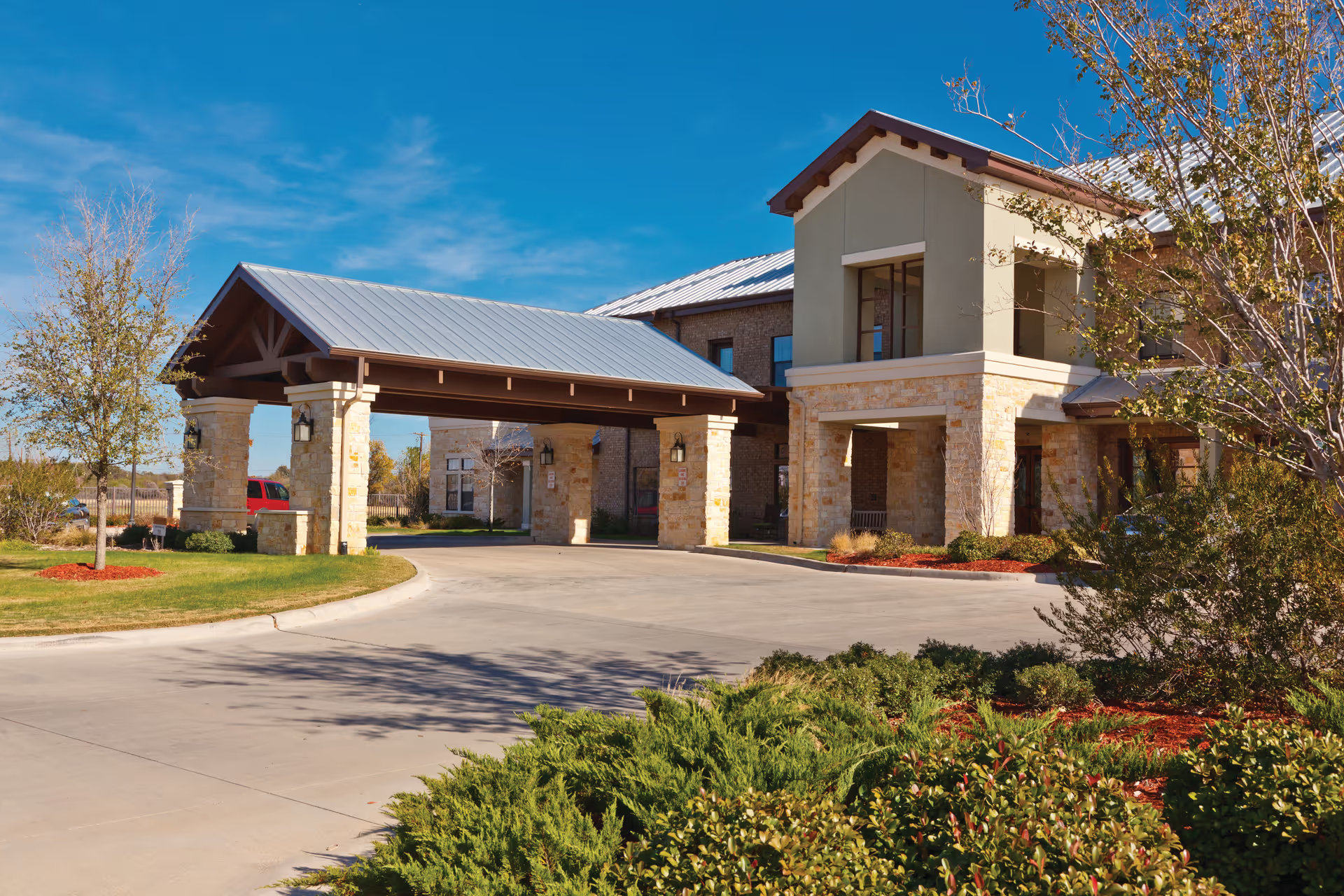
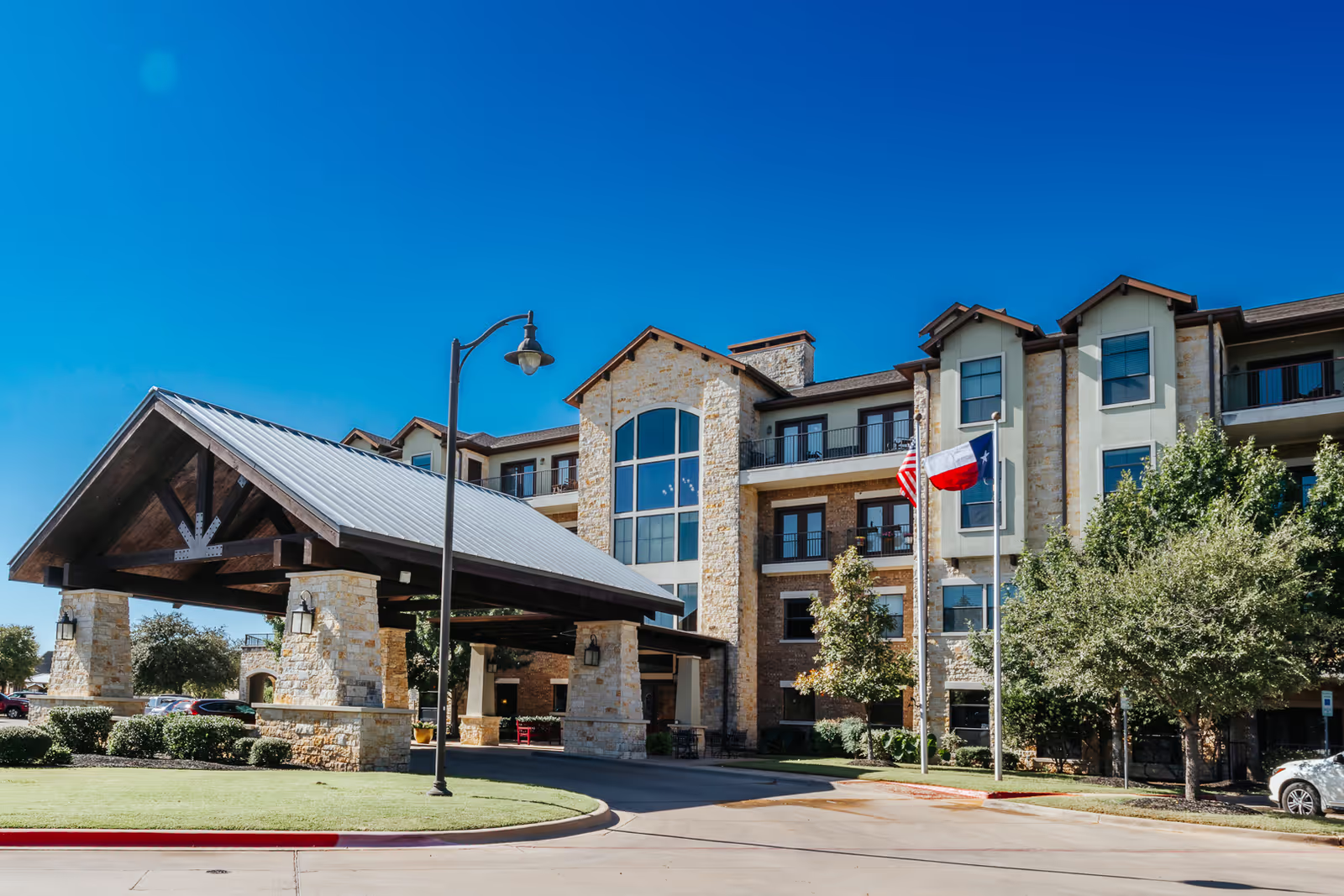
Bristol Park at Cleburne is described by many families as a bright, new, and well‑maintained senior living community with a hotel‑like atmosphere and a variety of resident amenities. Positive comments emphasize the facility’s modern design, attractive landscaping, enclosed courtyards, and spacious apartment layouts (including patios and some furnished units). The community’s unique features — notably an on‑site petting area with goats and donkeys, a range of activity spaces, and conveniences such as laundry, DirectTV, and internet access — are frequently cited as differentiators that contribute to a homelike, engaging environment.
Care and staffing produce mixed impressions. Numerous reviews praise compassionate, family‑oriented caregivers and highlight strong, visible executive leadership that is personally involved and responsive. Staff are often described as patient, supportive, and willing to go above and beyond. At the same time, there are repeated operational concerns: elevated staff turnover, periodic understaffing (including weekend front‑desk gaps), and inconsistent on‑site clinical coverage such as no full‑time physical therapist or nurse present at all times. These patterns have been associated with family concerns about monitoring frequency—particularly in memory care—and occasional delays in responding to call buttons or locating residents.
Dining and activities are generally seen as strengths, with many families complimenting the food quality, appealing menus, and a lively activities calendar (bingo, crafts, devotionals, exercise, holiday events). However, several accounts indicate variability in meal continuity and food consistency tied to chef turnover. Activity offerings are wide-ranging and include social and recreational programming as well as specialty attractions (petting farm). Some families felt that advertised activities did not always match what they observed in person or that participation encouragement varied by unit and resident ability.
Facility maintenance and housekeeping receive positive comments overall, but isolated cleanliness and maintenance issues are present in some private rooms and areas (dust accumulation, localized odor concerns, water‑staining, and occasional deferred repairs). Administrative and operational processes also show variability: while leadership receives praise for addressing past problems and for personal involvement, other families described difficulties with phone communication, billing reconciliation, and financial administration that warrant verification during a tour.
Notable patterns for prospective residents and families: the community offers strong environmental and social amenities and benefits from engaged leadership and many dedicated caregivers, but it also exhibits recurring staffing and operational gaps that can affect clinical oversight, responsiveness, and consistency of services. Visitors should plan to tour multiple times and at different hours, ask about current staffing ratios and clinical coverage (nursing and therapy), review meal‑service continuity plans, inquire about Memory Care occupancy and monitoring protocols, and clarify billing procedures before committing. Overall, Bristol Park at Cleburne appears to provide a welcoming, activity‑rich setting with areas for operational improvement that families should evaluate according to their care priorities.