This facility elicits mixed but distinct patterns. Many family members and visitors describe warm, compassionate caregiving from nurses, CNAs and therapy staff; rehabilitation services and memory-care programming receive consistent positive comments, and several accounts highlight effective coordination with hospice and respite services. Common areas are often described as clean and welcoming, and activity programming and social engagement are frequently cited as strengths that contribute to residents' quality of life.
At the same time, staffing and operational issues appear to drive most negative feedback. Chronic understaffing and uneven clinical coverage are recurring themes and are linked to delays in routine care tasks, inconsistent bathing and incontinence-care practices, and slower responses to call bells. Staffing pressures also correspond with delayed therapy evaluations and uneven initiation of rehabilitation for new residents, which some families identify as affecting recovery trajectories.
Communication and management are another source of variability. Some families report accessible, honest administration and strong care coordination documentation, while others describe inconsistent notification about clinical changes, confrontational staff interactions, and leadership that is perceived as resistant to frontline staff decision-making. These divergent experiences suggest uneven consistency in supervisory practices and staff empowerment across shifts or units.
Dining quality, feeding supervision and clinical-meal monitoring are areas of concern for some reviewers; comments range from satisfactory meal service to critiques of food quality and supervision during meals for residents with swallowing or feeding difficulties. Activity offerings and the activities director receive positive remarks overall, indicating an active social program despite operational constraints.
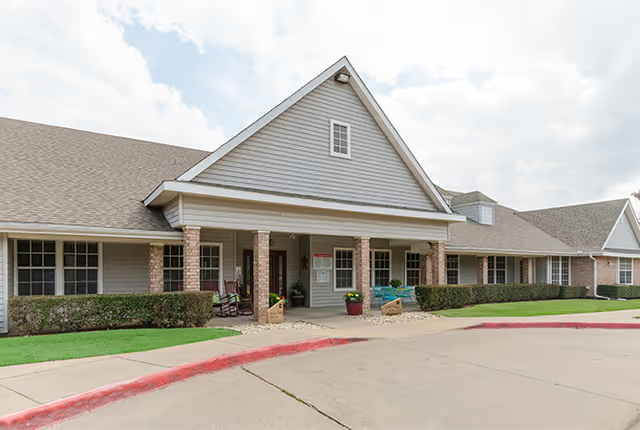
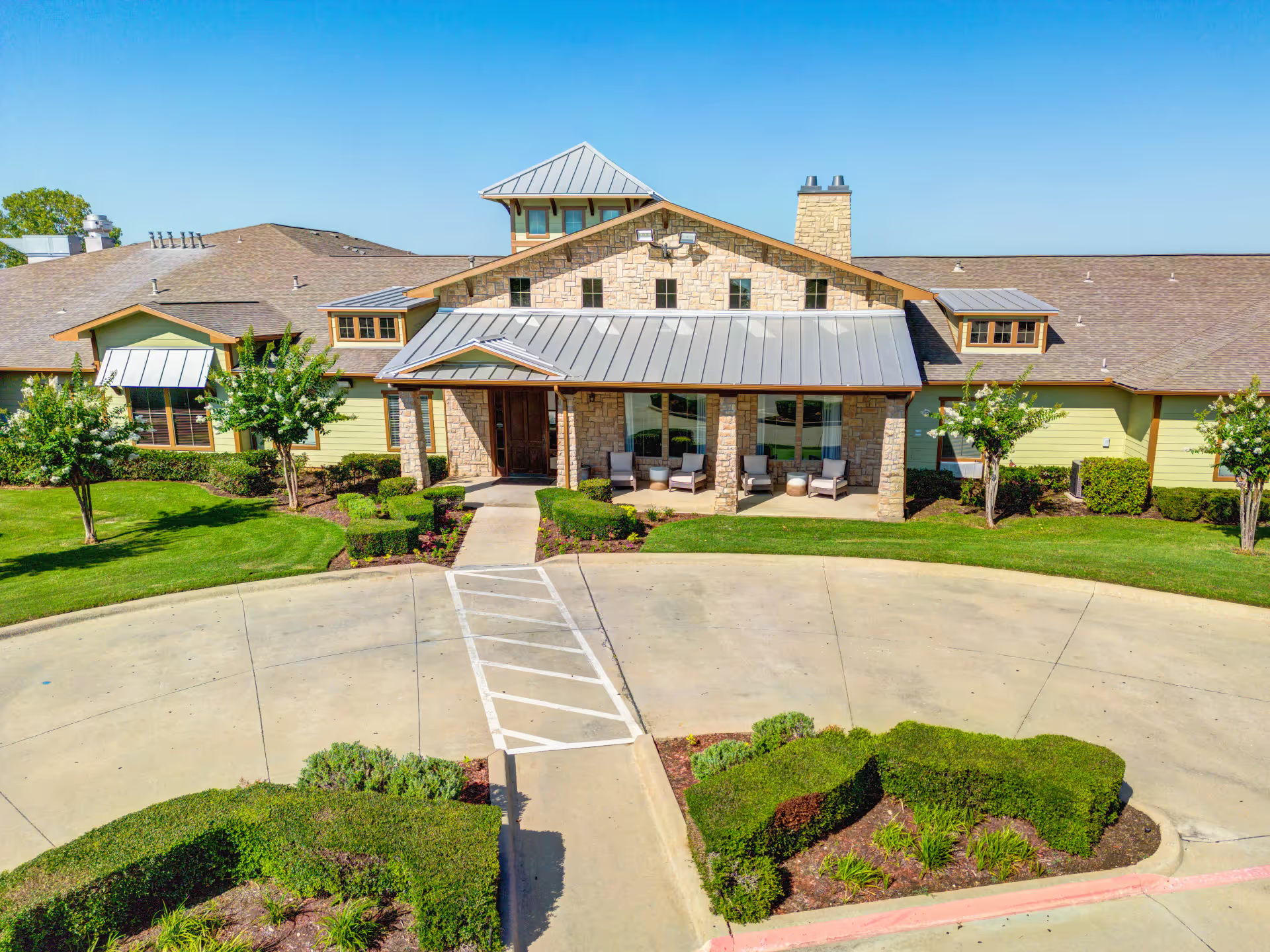
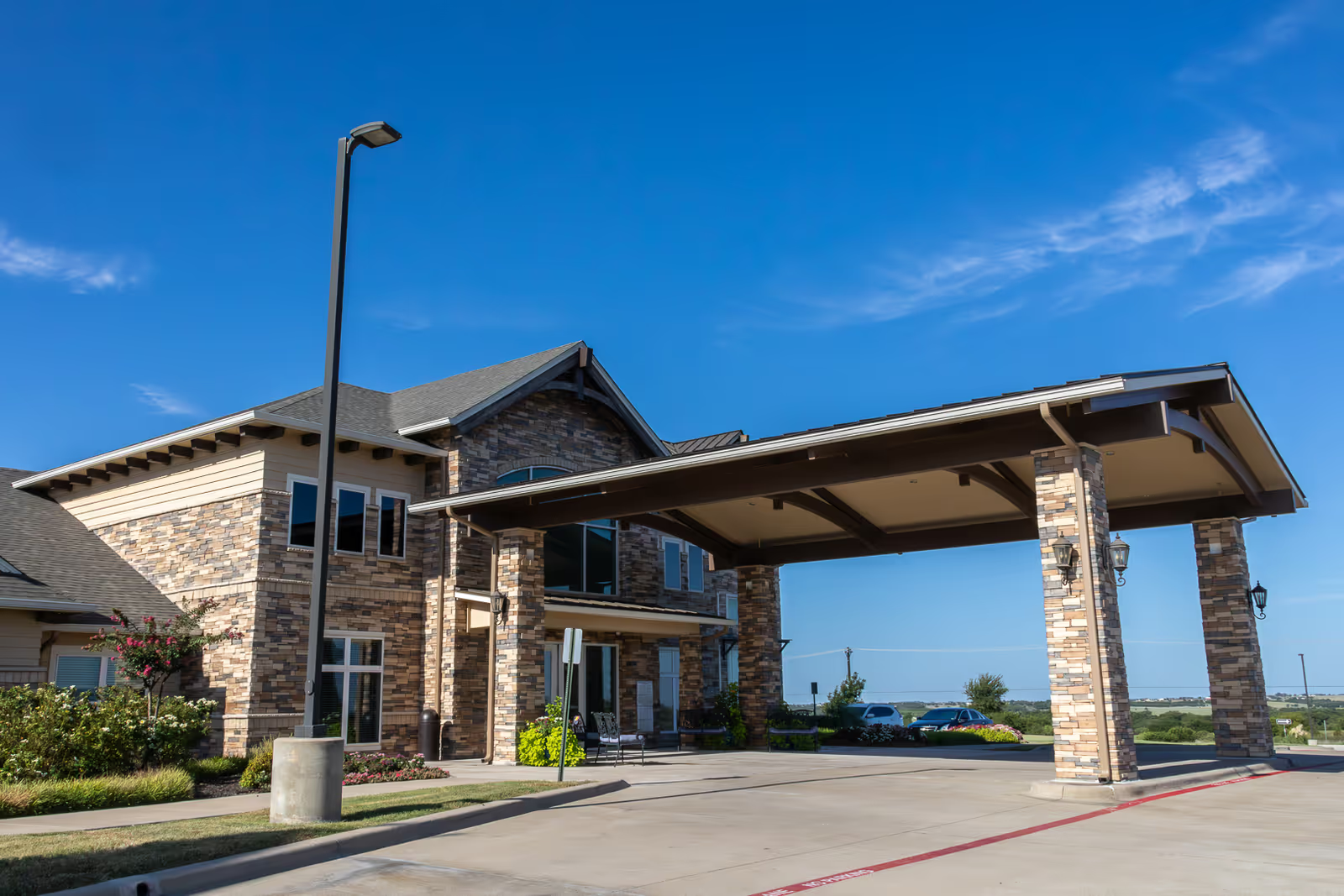
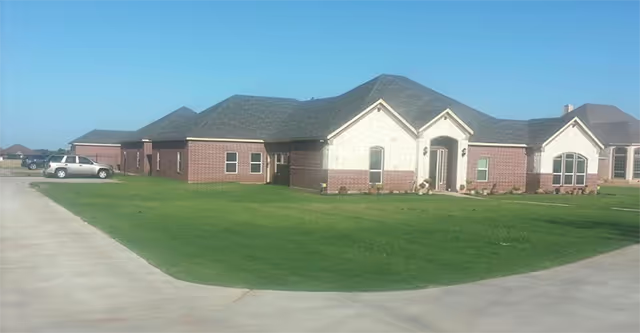
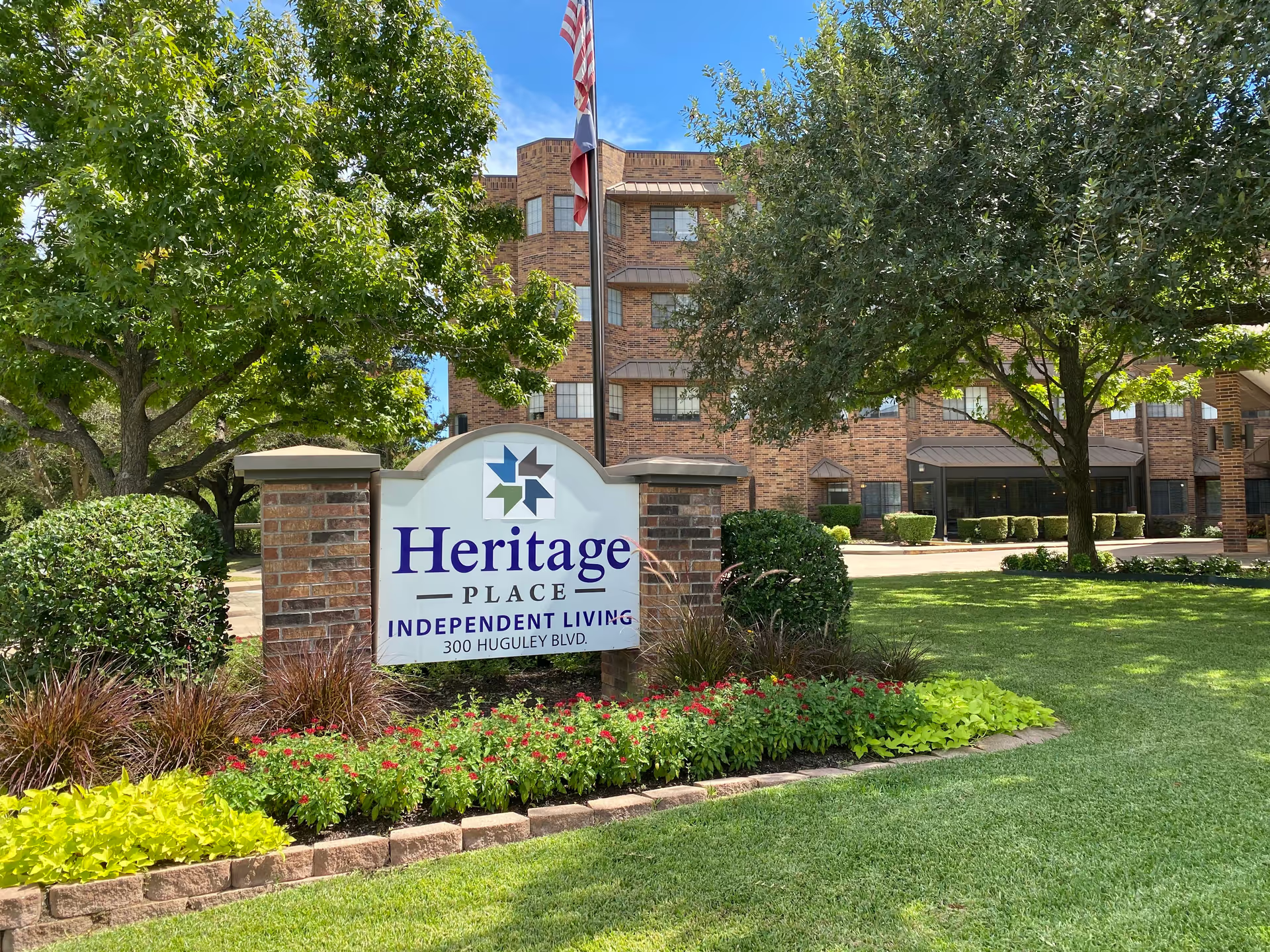
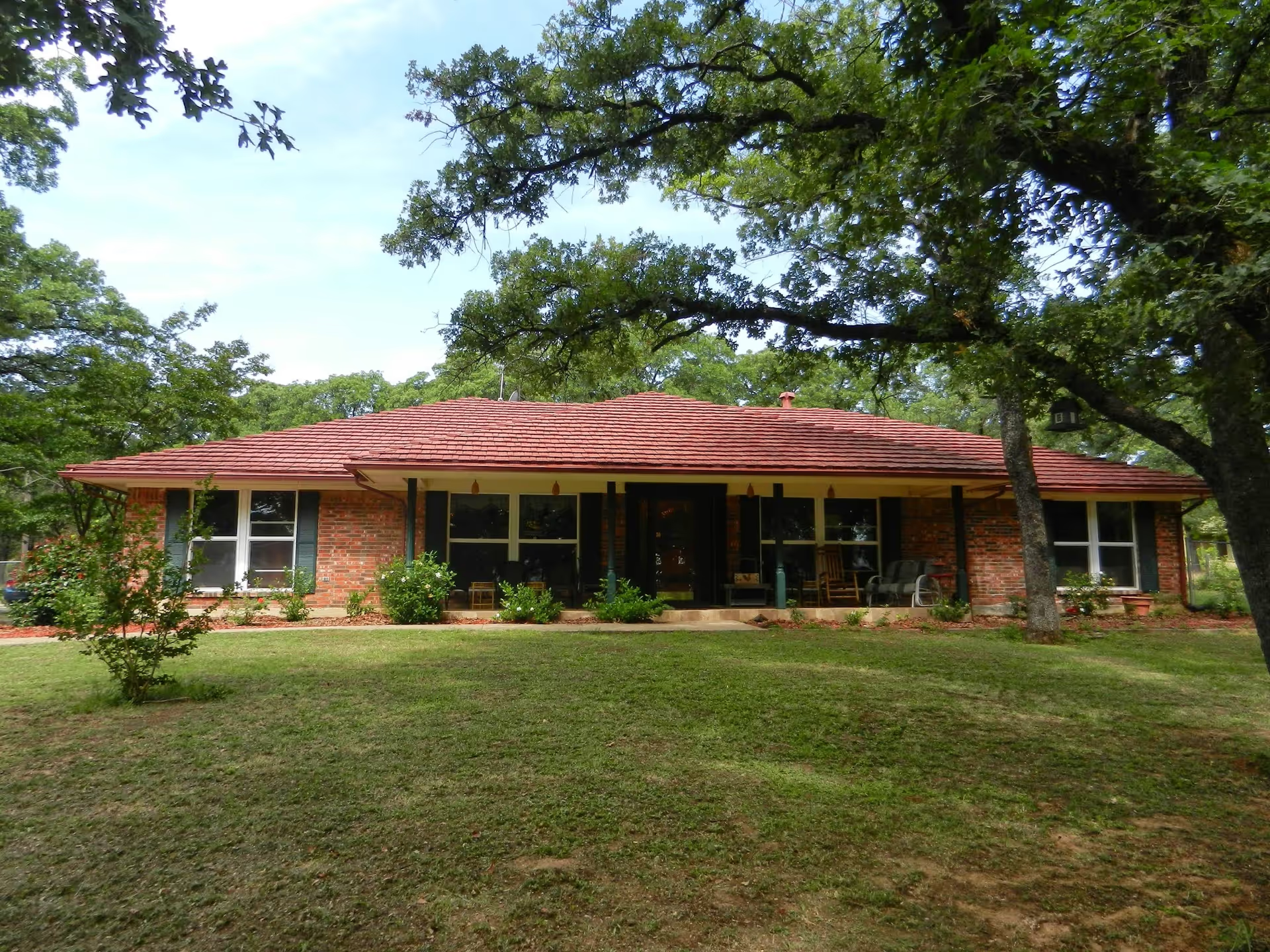
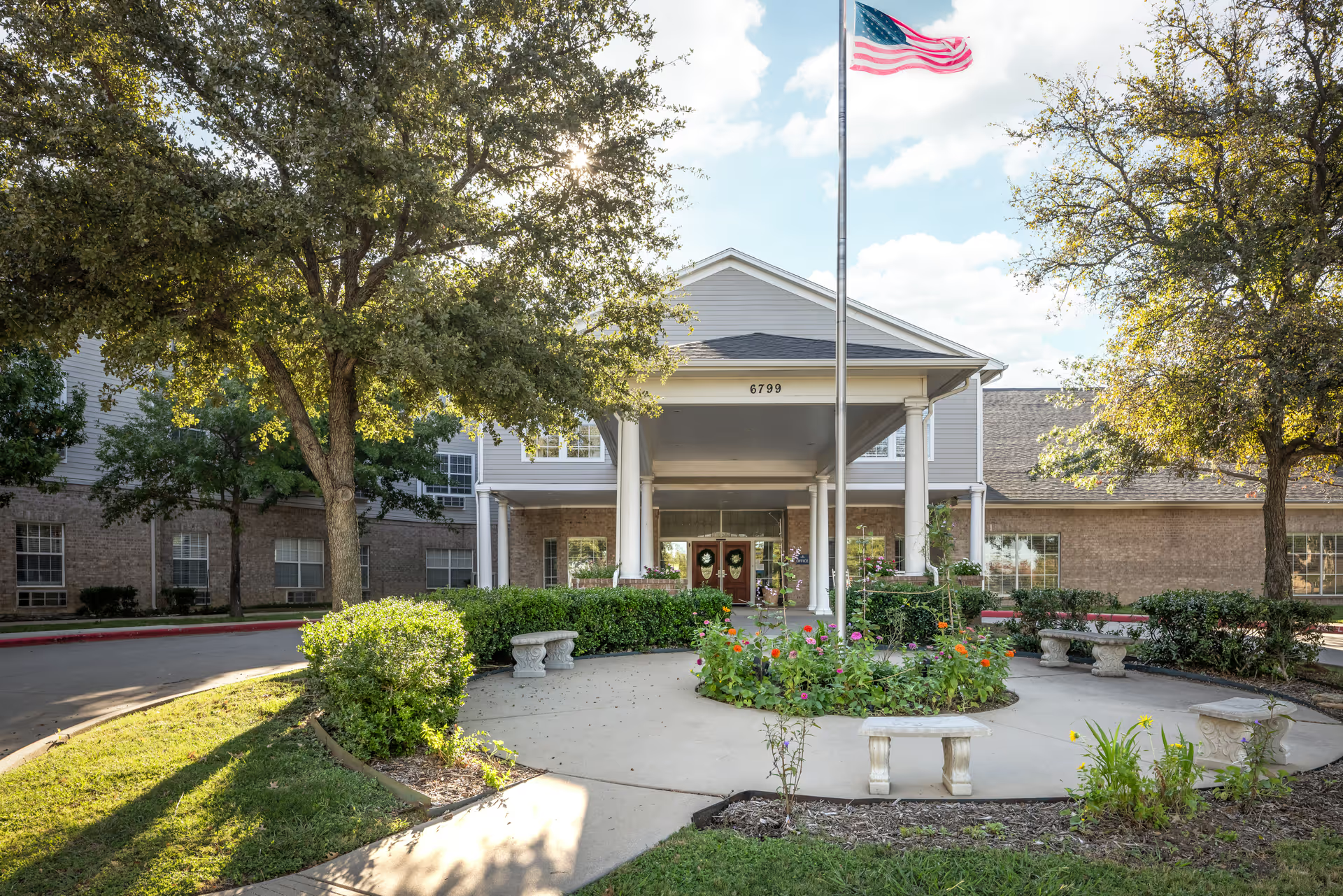
Facility condition is a mixed picture: parts of the building are described as clean and well-maintained, but reviewers also note aging infrastructure, limited parking, and isolated sanitation and pest-control concerns that warrant attention. Infection-control practices and entry screening have been described as inconsistent at times, and the facility's distance from nearby medical resources was noted as a practical limitation by some families.
Notable patterns include a clear split between strong individual caregivers and systemic operational weaknesses. Positive clinical outcomes—particularly in rehab and hospice coordination—coexist with persistent staffing shortages and variable management practices. Prospective residents and families should weigh the facility's demonstrated caregiving strengths and social programming against the operational concerns listed above, seek specific assurances about staffing levels and supervision during meals and personal care, and ask about current remediation steps for facility maintenance, infection control, and any active investigations into serious incidents.