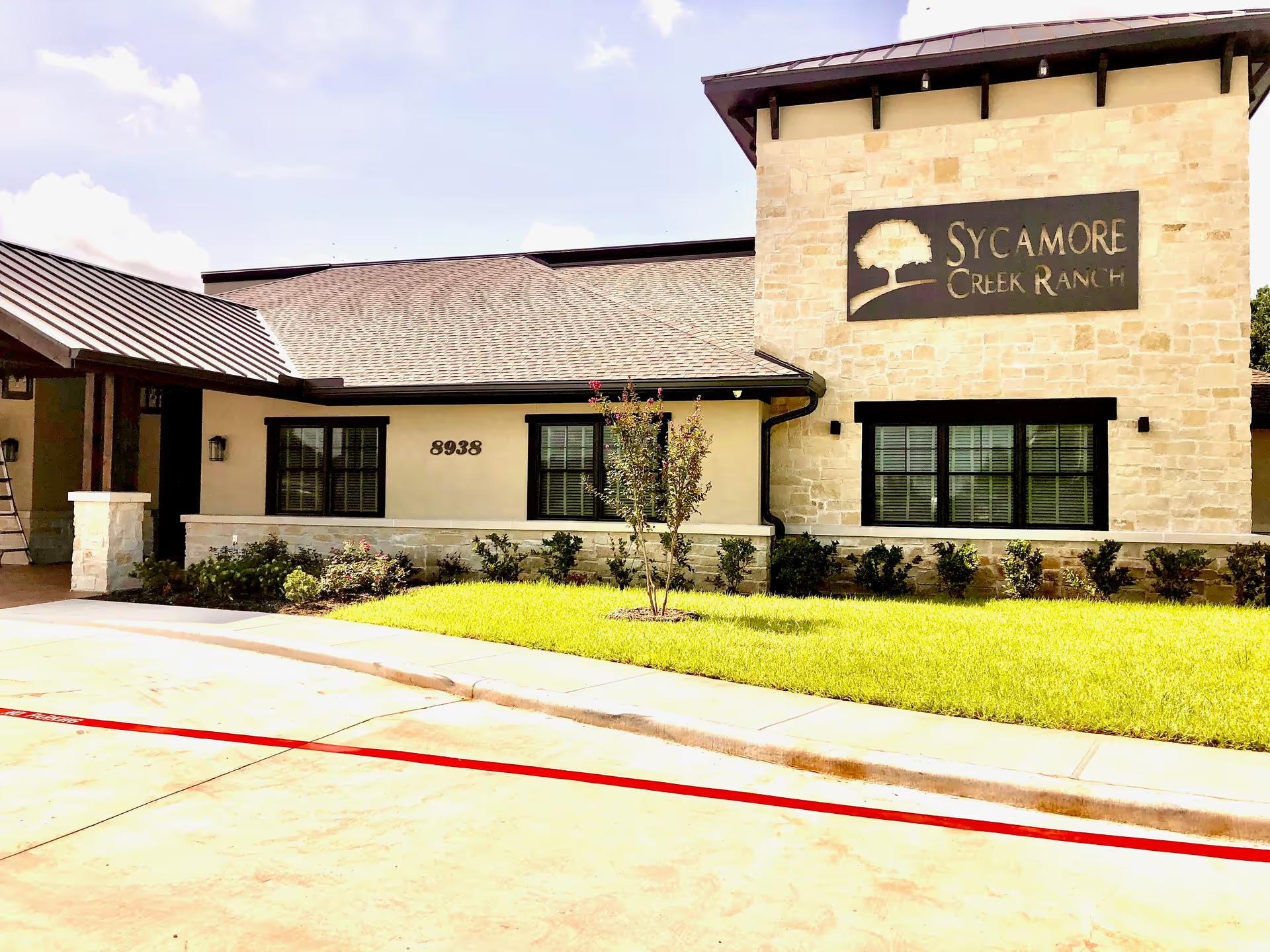
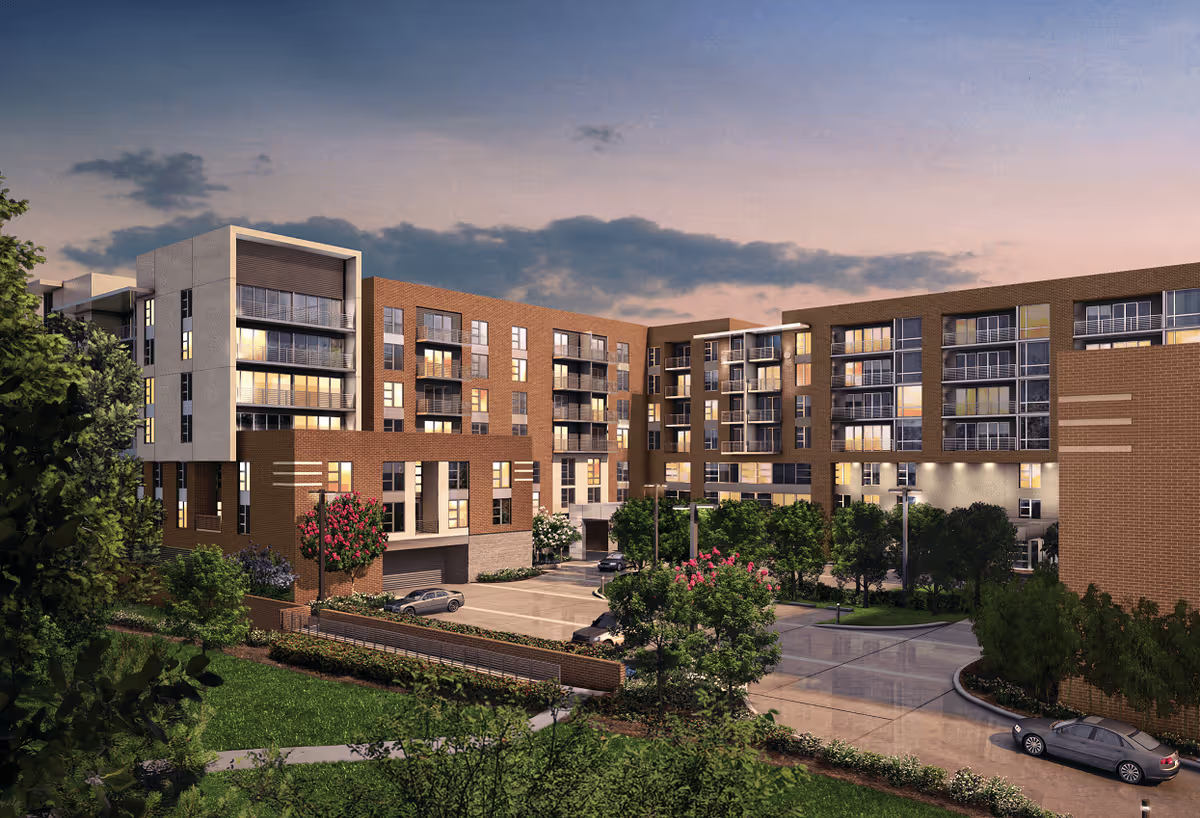
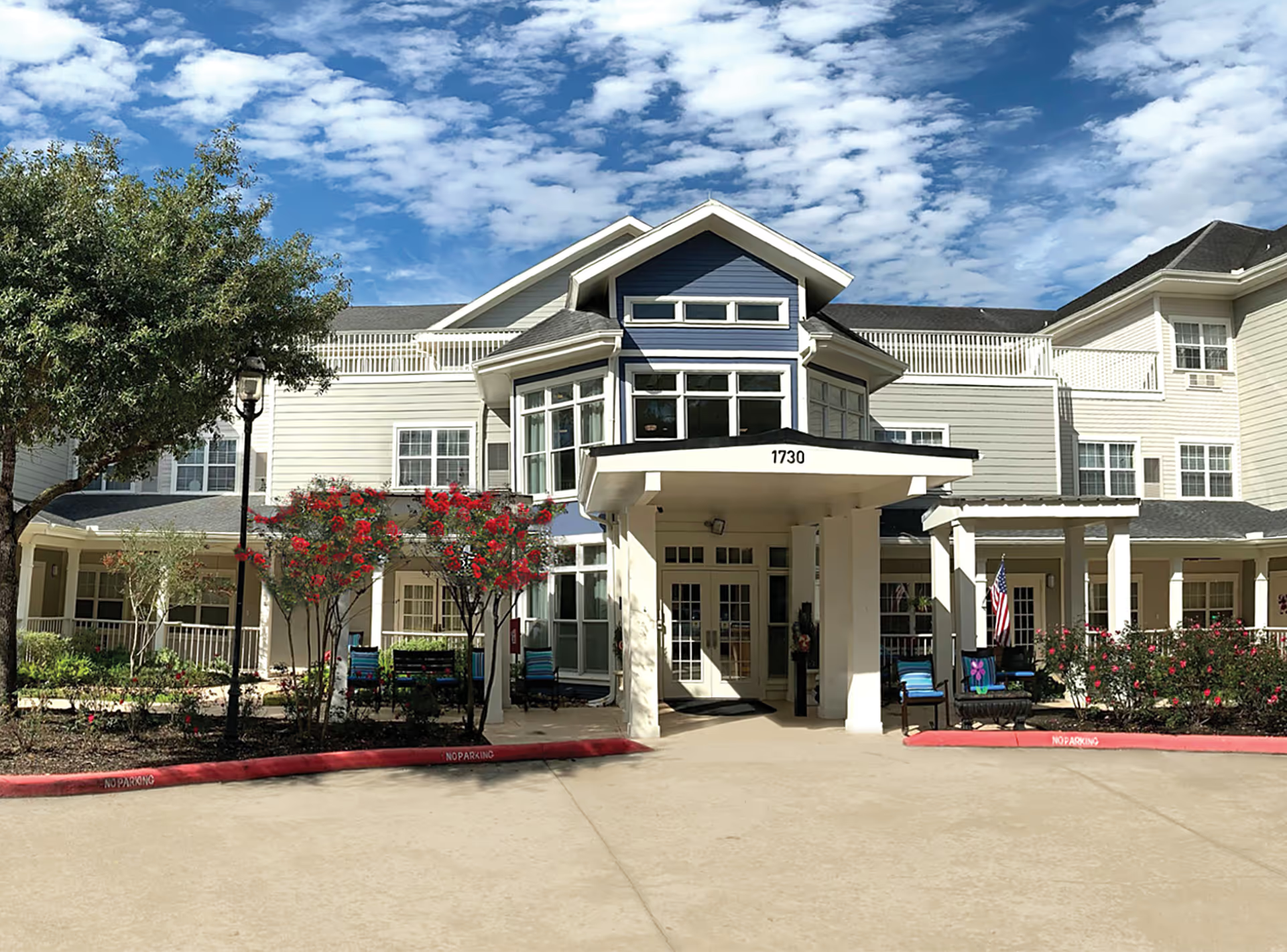
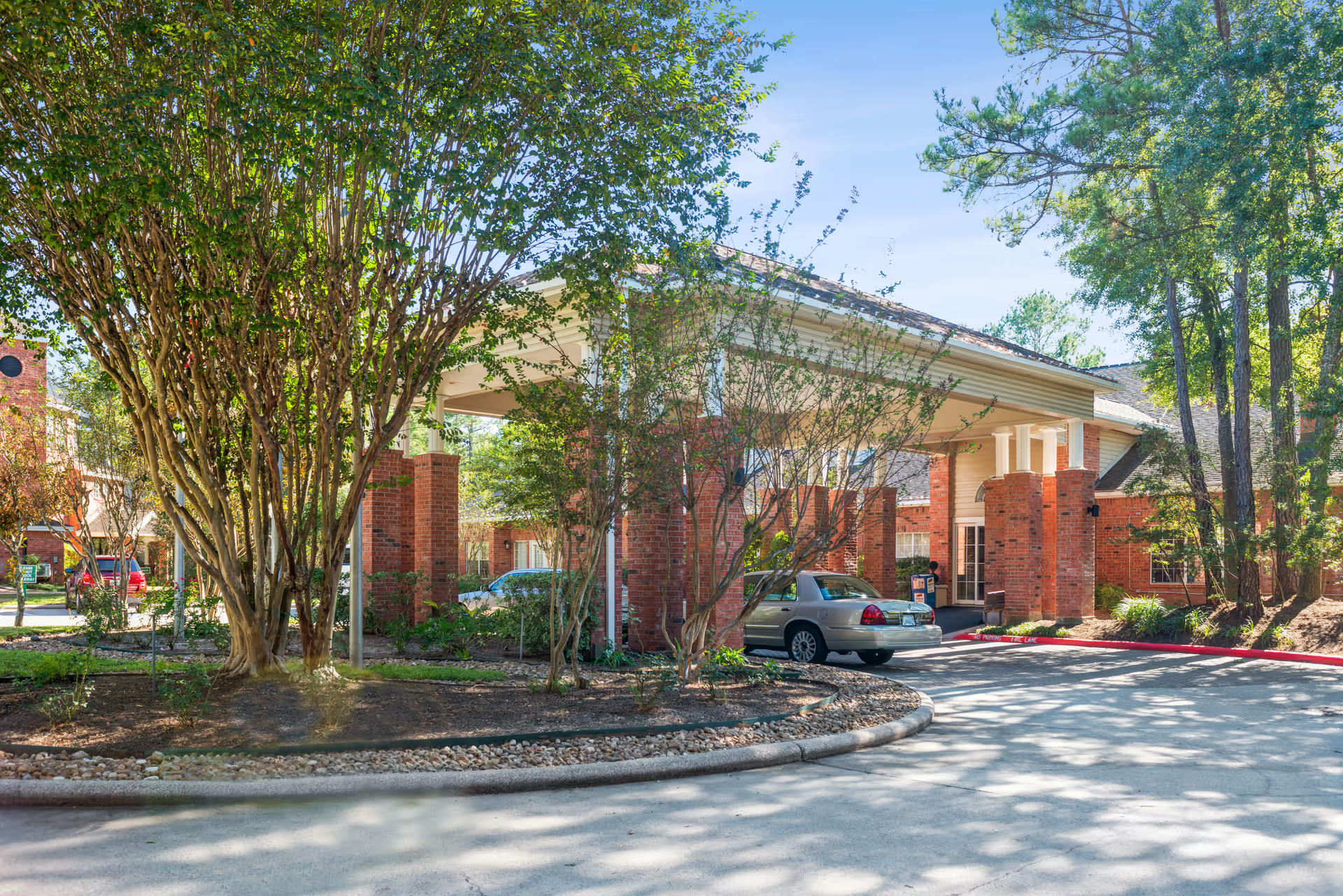
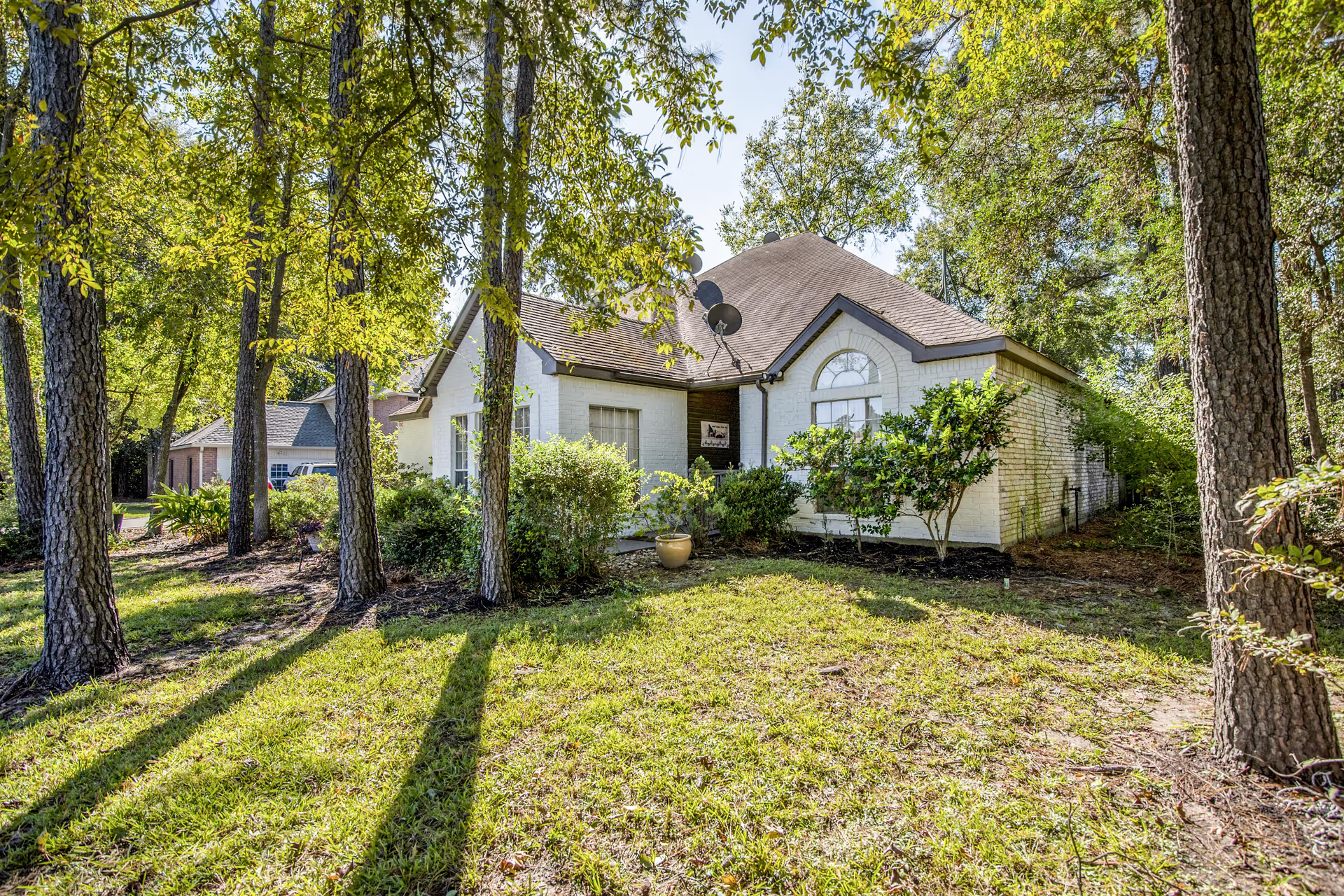
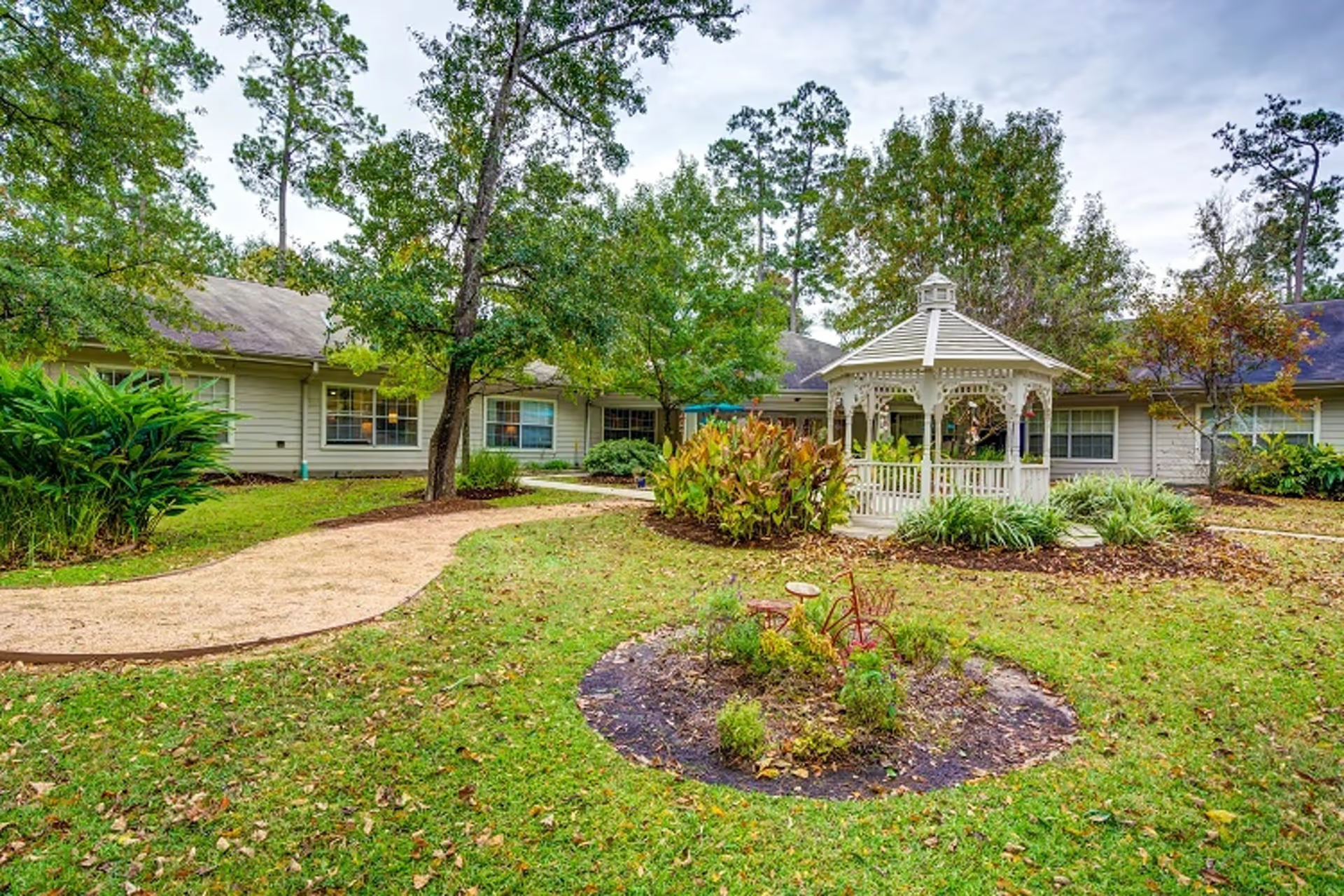
Avanti Senior Living at Vision Park presents a mixed but distinct pattern: the physical environment and many frontline caregivers receive consistent praise, while operational reliability and leadership stability are recurring concerns. The campus is frequently described as new, modern, and thoughtfully designed, with spacious apartments, accessible bathrooms, large windows and pleasant common areas. Memory-care design elements — textured railings, dementia-friendly lighting and layouts, enclosed gardens — are noted positively and align with specialized dementia expertise described by families.
Care quality perceptions diverge. Numerous families commend compassionate, engaged direct-care staff and strong hands-on support, particularly during transitions and high-acuity needs. At the same time, there are recurring concerns about medication management controls, missed or incorrect dosing, and inconsistent clinical handoffs. Related patterns include reports of understaffing and high staff turnover that families associate with delayed responses, longer wait times for assistance, and occasional lapses in monitoring that have clinical and safety implications. Memory care is frequently praised for environmental design and some strong caregivers, yet several accounts note gaps in active programming or an absent activities leader within that unit.
Dining and activities are another area of contrast. The facility markets restaurant-style dining and many visitors describe attractive dining rooms, special-event meals, and made-to-order options. Conversely, a substantial number of families describe variability in meal quality, small portioning, reliance on premade/frozen entrees, and hydration concerns. Recreational offerings — fitness, arts and crafts, outings, happy hours — are substantive and meaningful for many residents; however, programming consistency and appropriateness (especially for memory-care residents) appear uneven across shifts and weekends.
The facility’s amenities score well: salon and spa services, fitness and art studios, secure courtyards, transportation, and on-site connections to therapy resources are frequent positives. Nonetheless, operational execution of housekeeping and laundry services is inconsistent; families cite lost items, delayed cleaning schedules, stained carpeting, and intermittent odor or sanitation concerns in particular areas. Access control and after-hours security procedures have been described as confusing or restrictive by some families, indicating potential process refinements are needed.
Management and administrative patterns are polarized. Several families praise responsive leadership, an engaged executive director, and prompt issue resolution. Other reviewers cite frequent leadership turnover, slow or unhelpful responses from home office, contractual or billing delays, and a perception that sales/marketing promises are not always matched by frontline delivery. These governance and communication inconsistencies are a dominant theme tying together many operational complaints.
For prospective residents and families: the community offers considerable physical advantages and many devoted caregivers, but prospective move-ins should verify operational details that matter most to them. Recommended due diligence items include: current staffing ratios and turnover metrics, medication-administration policies and recent audit results, sample weekly activity schedules (including memory-care programming), kitchen leadership stability and sample menus, housekeeping/laundry service timelines and lost-item protocols, emergency response procedures, and clear billing/insurance paperwork timelines. Talking directly with current resident families and requesting recent inspection or quality reports will help clarify whether the strong positives or the operational concerns are the dominant day-to-day reality for the unit you are considering.