Overall impression: Feedback presents a mixed but actionable picture. The facility is frequently described as clean, homey, and staffed by caring, long-tenured caregivers; families often highlight strong interpersonal care, reliable medication practices, and an active, well-run activities program. At the same time, the building and public spaces are viewed as dated and in need of modernization, and a number of operational gaps temper otherwise positive impressions.
Care and staff: Care quality is a clear strength for many families. Staff are commonly characterized as compassionate, helpful, and attentive, with a number of caregivers and clinical leaders noted for experience and stability. Management and resident-care leadership are described as accessible and proactive in addressing concerns. However, operational staffing levels and overnight supervision are uneven: there are recurring concerns about insufficient staffing coverage, delayed responses to personal-care needs, and occasional scheduling practices that affect responsiveness. Communication is generally praised when led by administrative staff, but language barriers with some direct-care employees have been noted and can complicate day-to-day communication with residents and families.
Dining and services: The kitchen and dining program receive mixed feedback. Cooked meals and the regular menu are often praised, and activity-centered dining is appreciated by residents. At the same time, consistency for specialized diets—particularly diabetic accommodations—and the quality of grocery-type provisions are areas of concern. Families' perceptions of value vary: some consider pricing fair for the level of care and personalization, while others feel costs are high relative to the facility's physical condition and available amenities.
Activities and social environment: The community-scale, home-like setting and organized activity program are cited as positives. Residents are generally reported to be engaged and social, making this facility a good fit for people who benefit from a smaller, more familial environment. Staff involvement in personal grooming and social support is highlighted as a differentiator by several families.
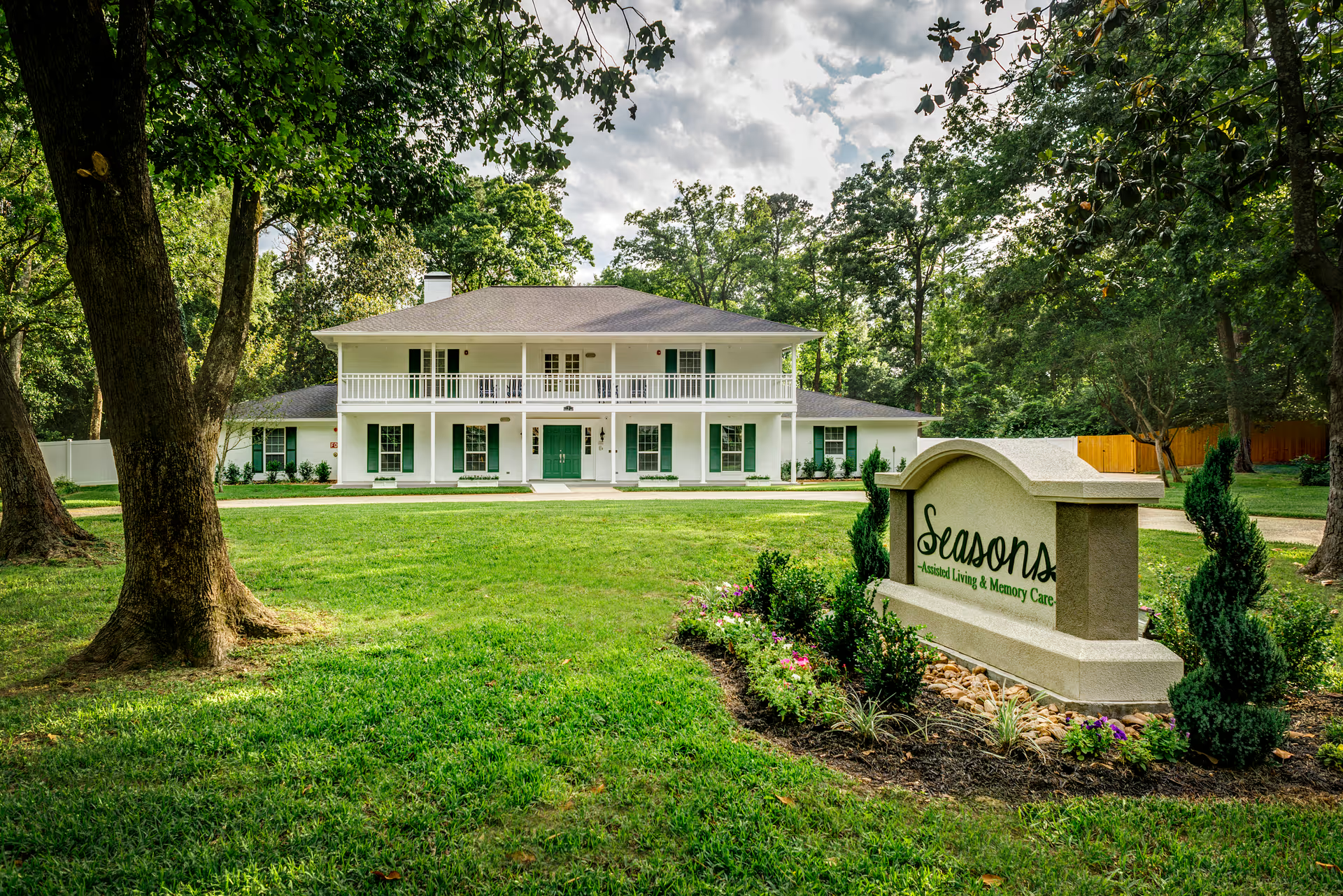
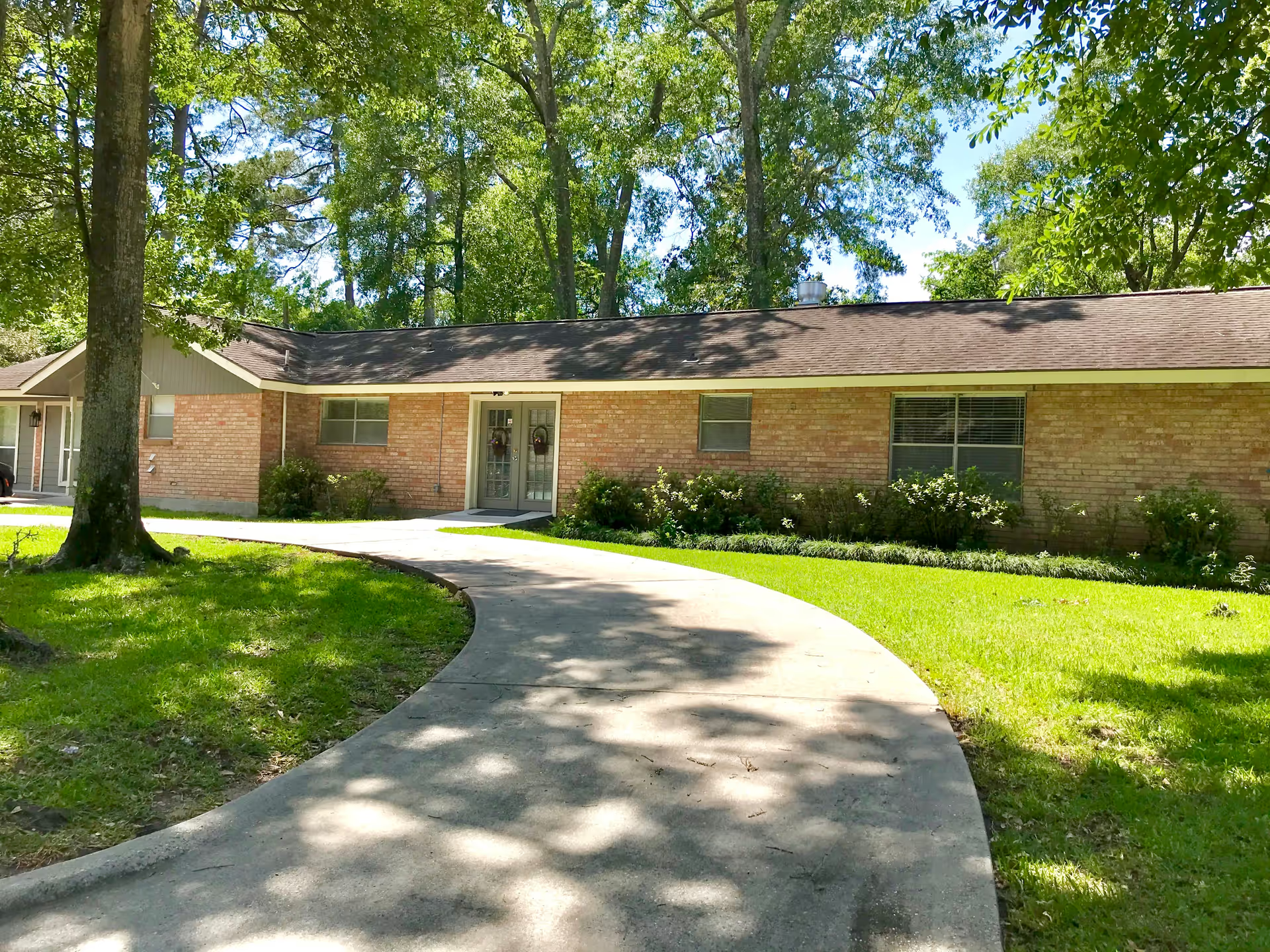
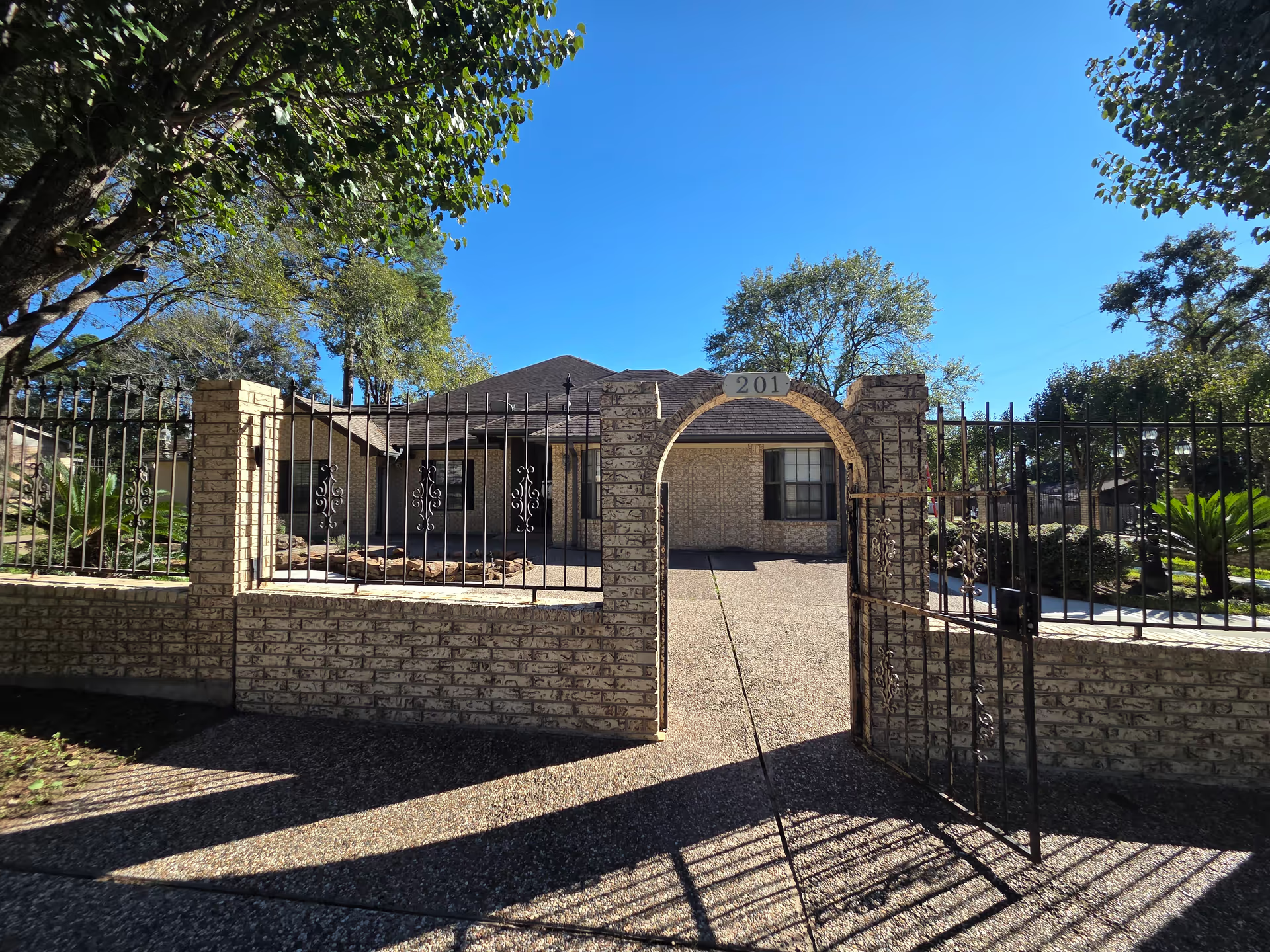
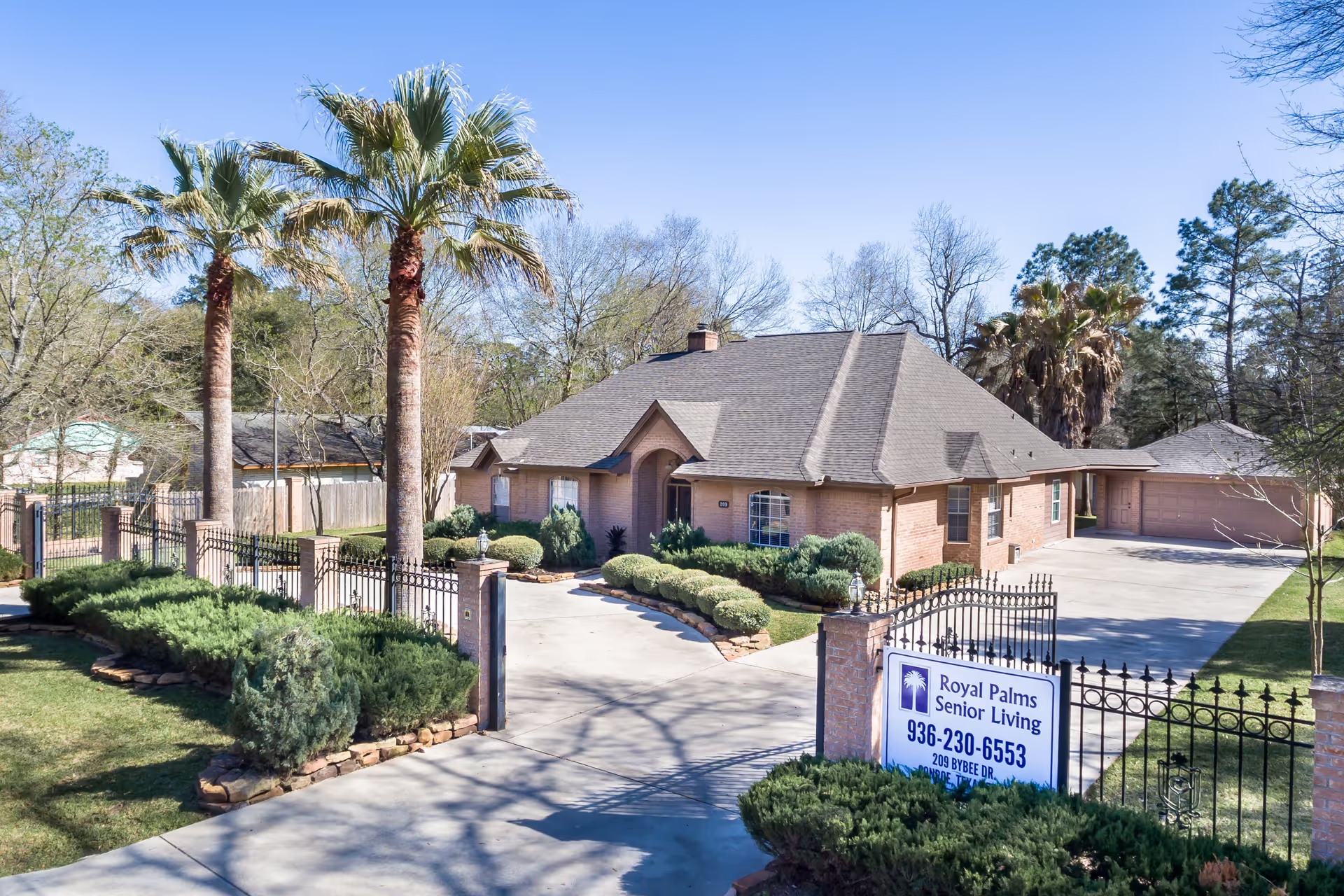
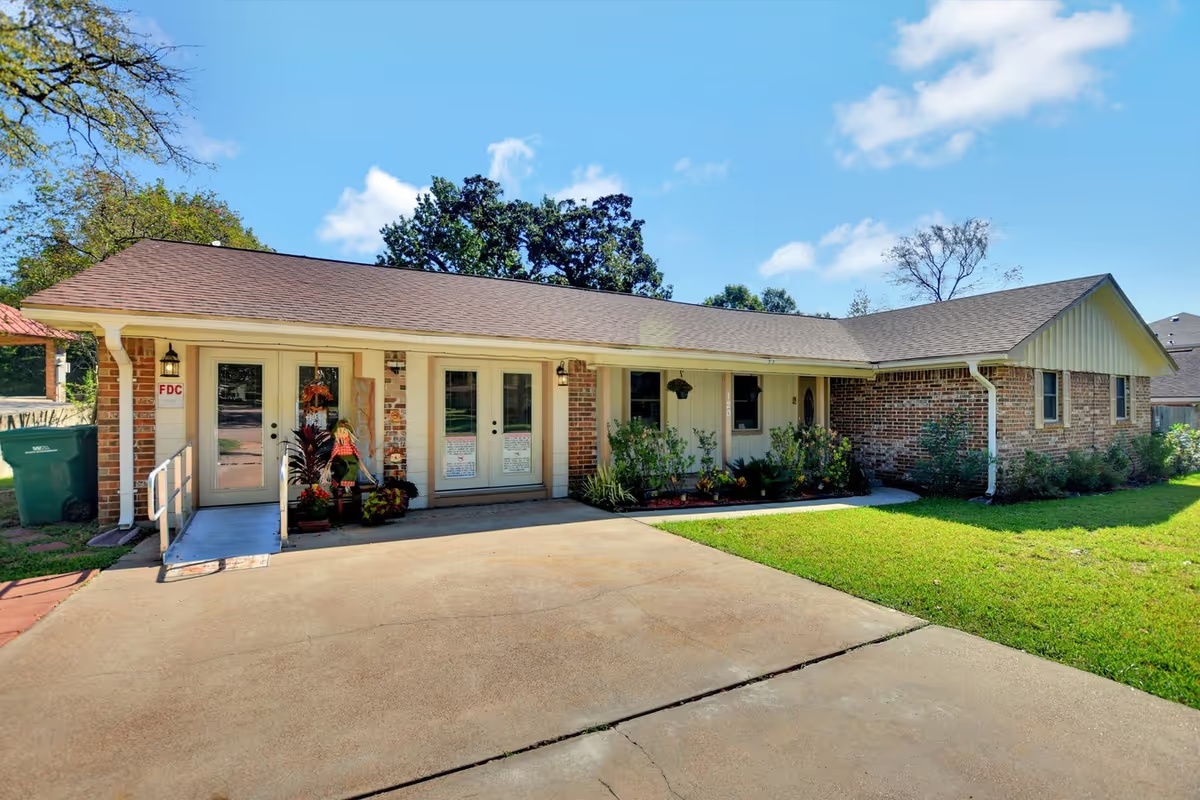
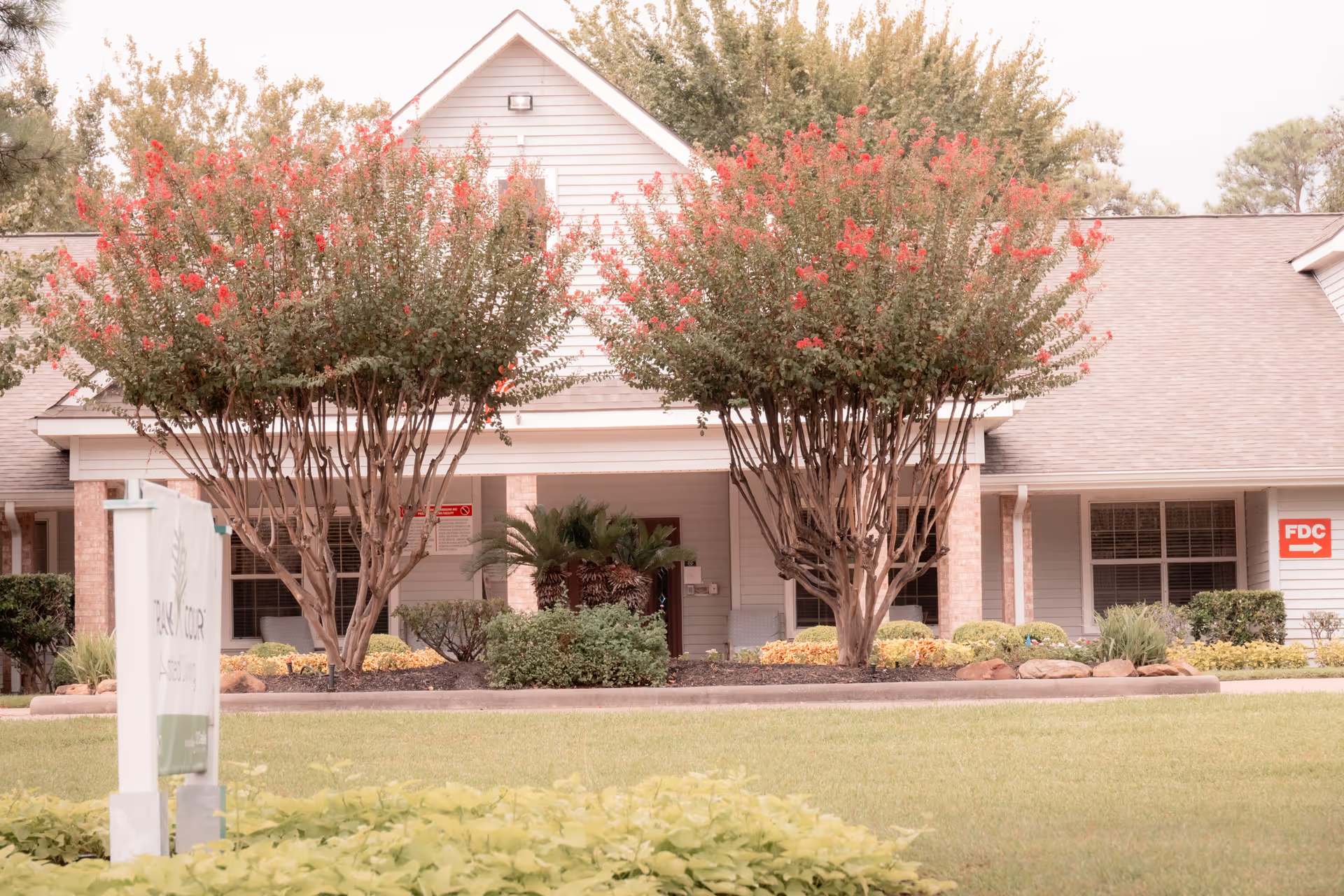
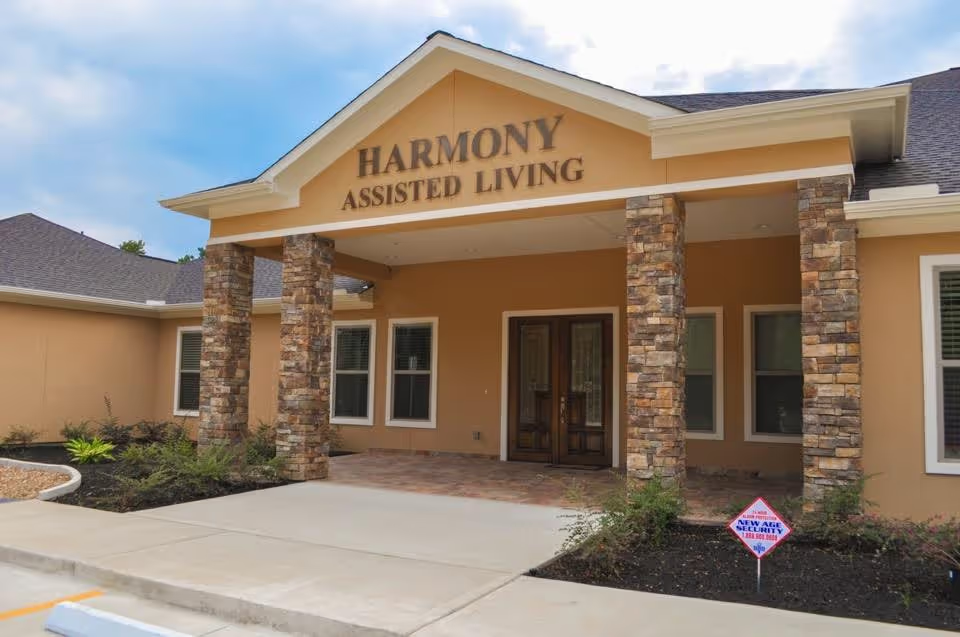
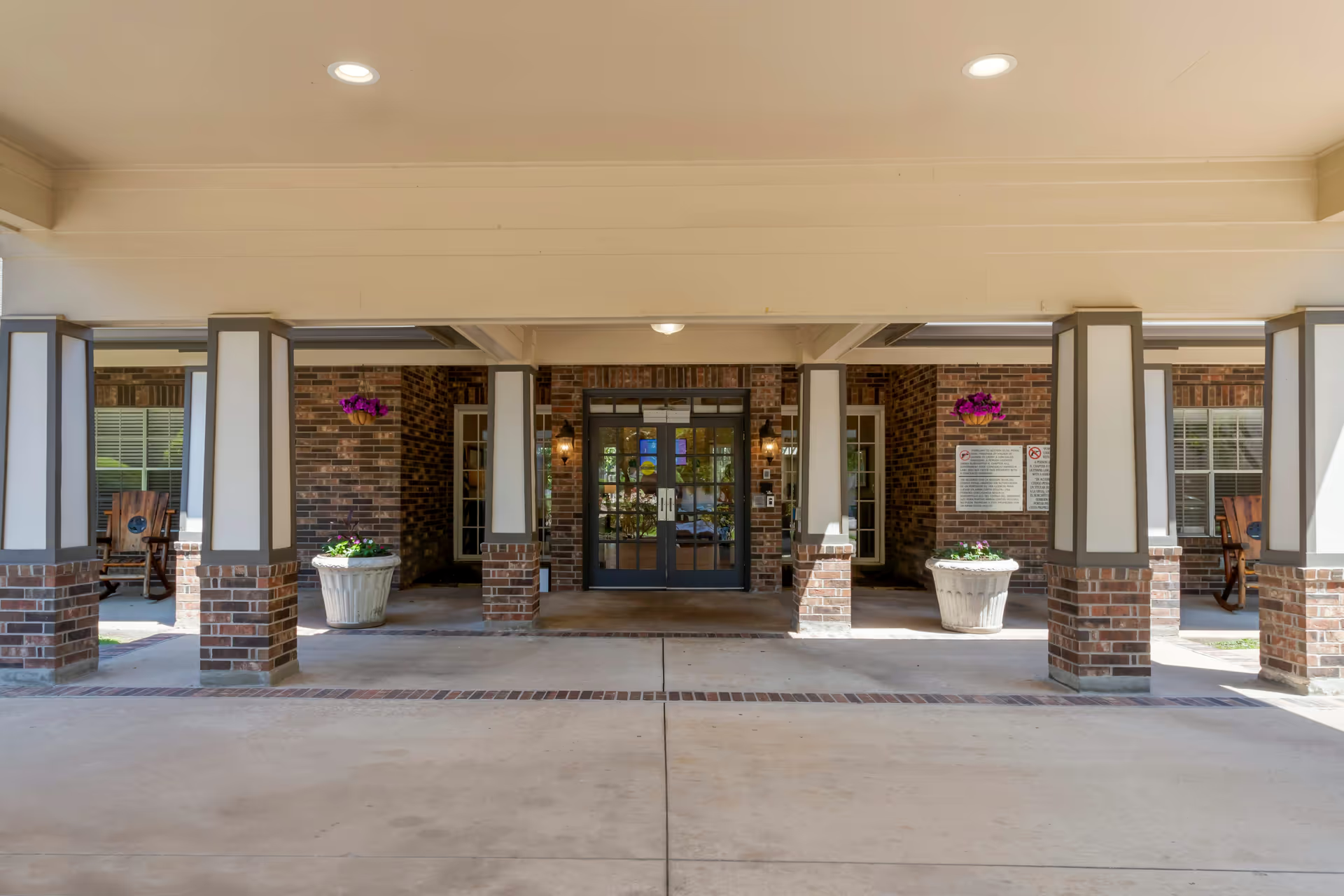
Facilities and maintenance: The physical facility is serviceable and clean but shows signs of age. Reviewers point to worn furnishings, small rooms, and an overall need for updating. Ongoing construction and exterior access issues (including road conditions and curb appeal) contribute to the perception that the campus would benefit from capital improvements. Maintenance responsiveness is inconsistent—minor repairs and broken items have been observed to linger at times.
Management and patterns: Administrative responsiveness is a consistent positive; leadership is described as knowledgeable, professional, and willing to address issues. The combination of attentive leadership and dedicated caregiving staff produces many positive care experiences. Where the facility struggles is in operational consistency—notably staffing levels, communication with non-English-speaking staff, dietary accommodations, and physical-plant modernization. These patterns suggest that prospective residents who prioritize personalized, compassionate caregiving in a small setting may find this community a good match, while those who require a recently renovated environment, strong tech/connectivity, or consistently high staffing ratios should assess those areas carefully during a visit.
Recommendation: Prospective families should arrange an in-person tour that includes observation of mealtime, an activities session, and discussion with nursing leadership about staffing patterns (including overnight coverage), dietary accommodations, and maintenance plans. Verify specific accommodations for higher-acuity needs if applicable (e.g., lift transfers, bedridden care), and compare pricing and included services against other local options to determine overall value.